Your policy brief has the data. Your white paper has the research. But neither one makes a legislator pause mid-scroll or moves a community to show up at a hearing. That is the power gap that advocacy video production services are designed to close. According to a 2026 report from the Nonprofit Marketing Guide, organizations that use video in their advocacy campaigns see up to 64% higher engagement on calls to action compared to text-only outreach. If your organization operates in Washington DC and you are trying to move the needle on policy, video is no longer optional — it is your most strategic asset.
This guide breaks down exactly how advocacy organizations can use video to influence policymakers, rally supporters, and shape public discourse — with practical steps you can act on today.
Why Advocacy Video Production Services Matter More Than Ever
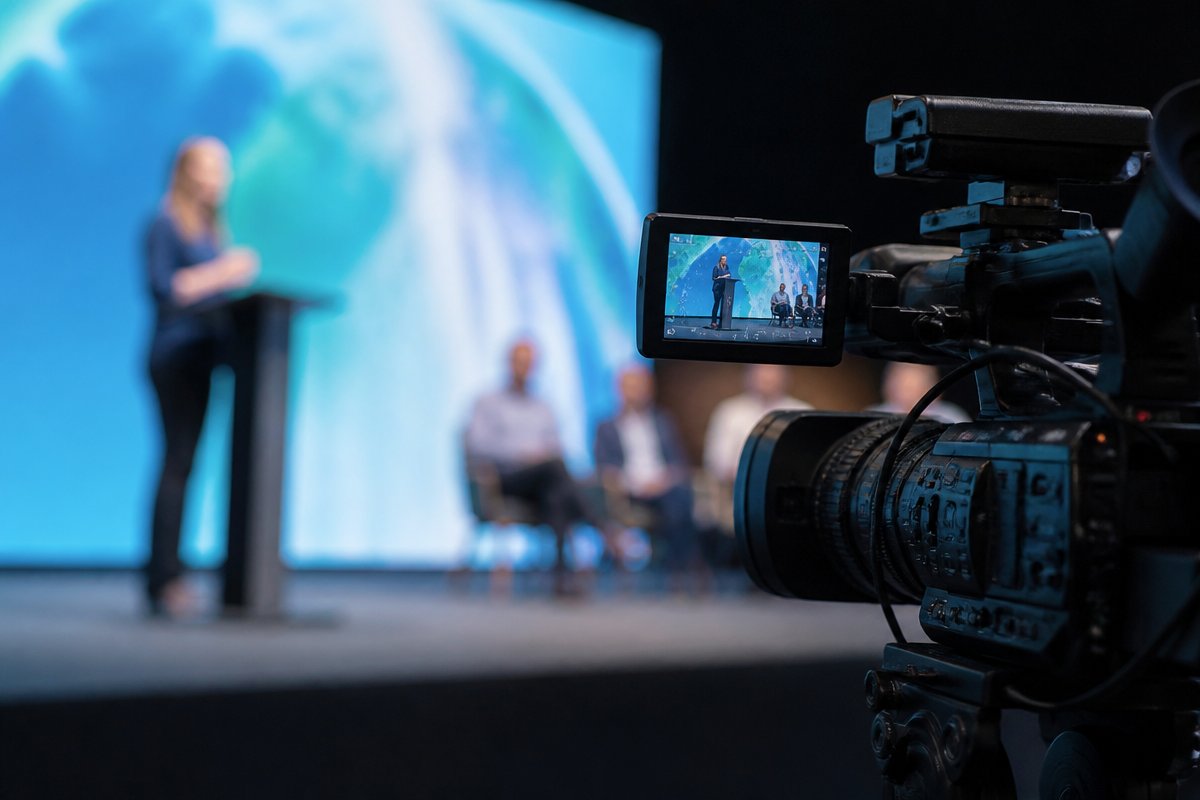
The landscape of policy influence has changed dramatically. Legislators, staffers, and regulators are overwhelmed with written materials. Emails pile up. Reports gather dust. But a compelling 90-second video that puts a human face on a policy issue cuts through the noise in ways that no PDF ever will.
The Shift Toward Visual Advocacy
Several forces are driving the adoption of video as a frontline advocacy tool:
- Social media algorithms favor video. Platforms like Instagram, LinkedIn, TikTok, and YouTube prioritize video content, giving advocacy organizations organic reach that text posts simply cannot achieve.
- Decision-makers consume video. Congressional staffers, agency officials, and local council members watch video briefings, constituent stories, and campaign content — often on mobile devices between meetings.
- Emotion drives action. Neuroscience research consistently shows that visual storytelling activates empathy centers in the brain far more effectively than written arguments. Policy change requires both logic and emotion, and video delivers both simultaneously.
- Video is shareable at scale. A single powerful testimonial video can be shared by thousands of supporters, creating a multiplier effect that amplifies your message far beyond your existing network.
For organizations based in Washington DC, Northern Virginia, and Maryland, the proximity to Capitol Hill, federal agencies, and major media outlets makes video advocacy especially potent. You are not just creating content — you are creating leverage in the most politically concentrated region in the country.
The Five Types of Advocacy Videos That Drive Policy Change
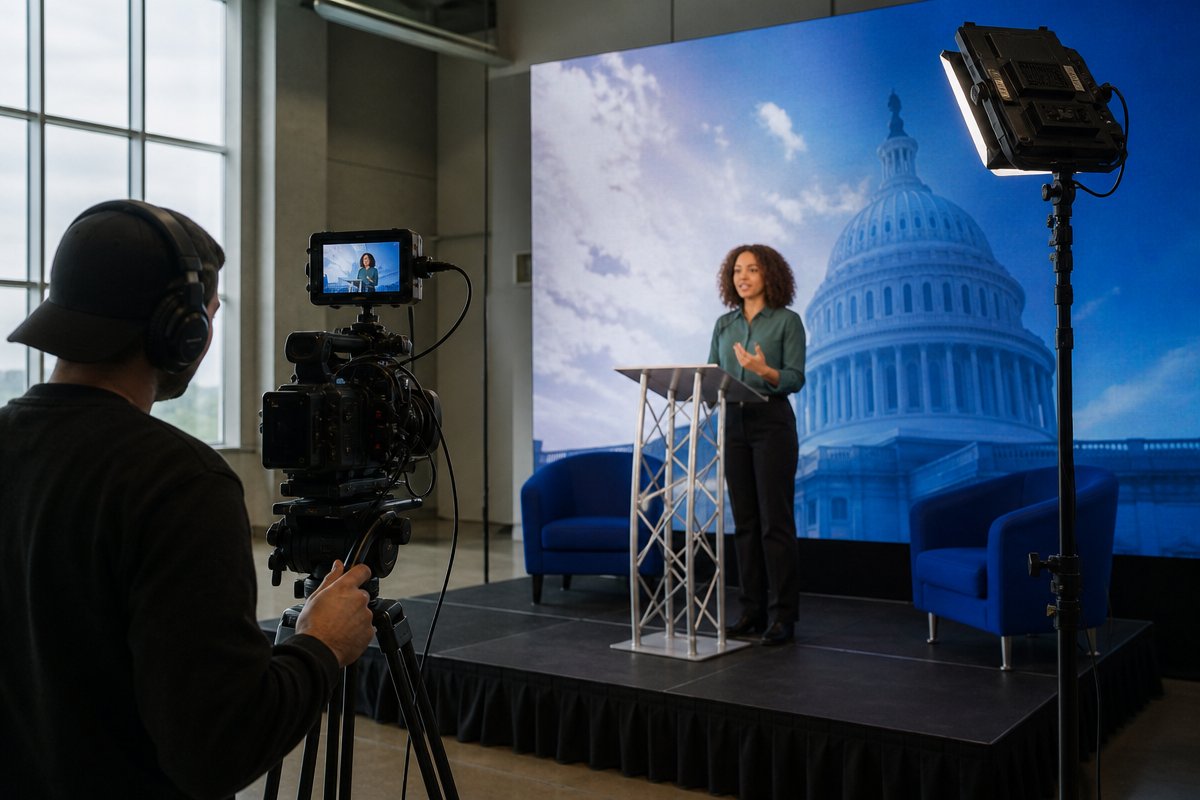
Not all advocacy videos serve the same purpose. A strategic campaign typically deploys multiple formats, each targeting a different audience at a different stage of the advocacy funnel.
1. Constituent Testimonial Videos
Nothing moves a policymaker like hearing directly from the people affected by a policy. Testimonial videos feature real individuals sharing their lived experiences — a veteran navigating the VA system, a parent struggling with childcare costs, a small business owner impacted by regulatory changes. These videos are most effective when they are authentic, unscripted in tone, and professionally produced for clarity and emotional impact.
2. Issue Explainer Videos
Complex policy issues need simplification. Explainer videos use a combination of narration, graphics, animation, and data visualization to break down complicated topics into digestible, shareable content. Think of them as your policy brief brought to life — except people actually watch them.
3. Call-to-Action Campaign Videos
These are mobilization tools. They are designed to drive a specific action: sign a petition, call your representative, attend a rally, submit a public comment. They are typically short (30–60 seconds), urgent in tone, and optimized for social media distribution.
4. Documentary-Style Advocacy Films
For long-term campaigns addressing systemic issues, short documentary films (5–20 minutes) provide the depth and credibility that shorter formats cannot. These are often screened at events, submitted to film festivals, shared with media outlets, and used in briefings with lawmakers.
5. Event and Hearing Highlight Reels
If your organization hosts events, panels, or testifies at public hearings, capturing and editing that footage into highlight reels extends the life and reach of those moments. A two-hour panel discussion becomes a powerful three-minute video that can circulate on social media and in email campaigns for months.
Building a Strategic Advocacy Video Campaign in DC
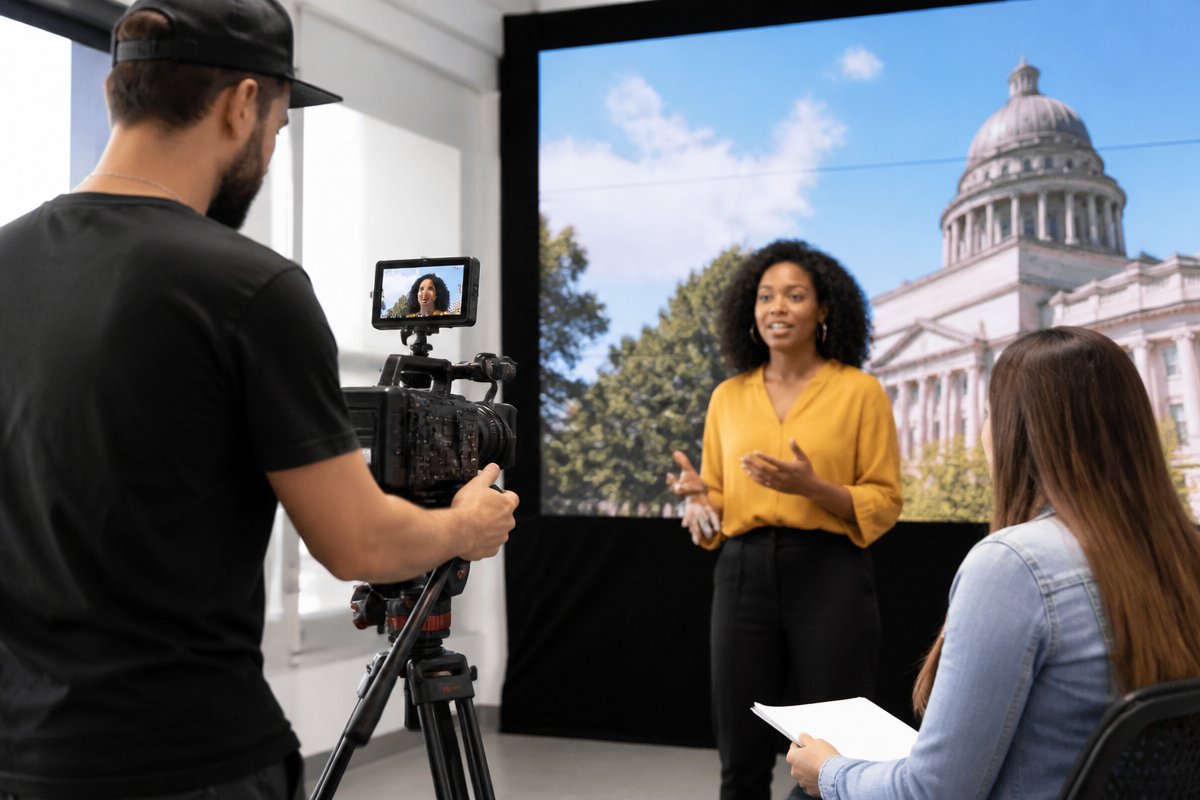
Producing a single video is a tactic. Building a video campaign is a strategy. Here is how to approach advocacy video production with the same rigor you bring to your policy research.
Step 1: Define Your Policy Objective
Before any camera rolls, get crystal clear on what you are trying to achieve. Are you trying to pass a bill? Block a regulation? Shift public opinion on an issue? Your policy objective determines every creative decision — from the stories you tell to the platforms you distribute on.
Step 2: Map Your Audiences
Advocacy campaigns rarely have a single audience. You are likely trying to reach multiple groups simultaneously:
- Policymakers and their staff — who need evidence and constituent pressure
- Your existing supporters — who need motivation and clear calls to action
- The general public — who need education and emotional connection to the issue
- Media and journalists — who need compelling visual content to cover your story
Each audience requires a different video format, length, tone, and distribution channel.
Step 3: Develop Your Narrative Framework
The most effective advocacy videos follow a clear narrative structure: problem, human impact, solution, call to action. Resist the urge to lead with statistics or organizational credentials. Lead with a person. Lead with a moment. Then layer in the data and the ask.
Step 4: Partner with a Production Team That Understands Advocacy
This is where many organizations stumble. They hire a production company that makes beautiful videos but does not understand the nuances of policy communication, government stakeholders, or the advocacy landscape. Your production partner should understand how Capitol Hill works, what resonates with agency decision-makers, and how to navigate the sensitivities of real-person storytelling in a policy context.
TriVision Studios provides advocacy video production services from its Washington DC headquarters, working with nonprofits, advocacy organizations, and government-adjacent groups that need video content designed to influence, mobilize, and persuade. The team brings deep experience in the DC policy ecosystem — not just production expertise, but strategic understanding of how video fits into broader advocacy campaigns.
Step 5: Plan for Distribution Before You Produce
Distribution strategy should shape production decisions, not follow them. If your primary channel is a congressional briefing, you need a polished, concise piece with high production value. If you are targeting social media mobilization, you need multiple cuts optimized for different platforms — vertical for Instagram Stories, captioned for LinkedIn, thumbnail-optimized for YouTube.
Maximizing Impact: Distribution Strategies for Advocacy Video
A brilliant advocacy video that sits on your website collecting dust is a wasted investment. Distribution is where strategy becomes impact.
Capitol Hill and Agency Briefings
Embed short videos directly into your briefing materials. Many organizations now open legislative meetings with a 60-to-90-second video that sets the emotional tone before diving into policy specifics. This approach is particularly effective when the video features constituents from the lawmaker’s own district.
Social Media Campaigns
Deploy your videos across platforms with paid amplification targeting key demographics and geographic areas. For DC-based campaigns, geo-targeting the Capitol Hill zip codes and surrounding areas can ensure your content reaches staffers and decision-makers where they are already scrolling.
Email Campaigns
Including the word “video” in an email subject line increases open rates by 19%, according to Campaign Monitor. Embed video thumbnails that link to your content, and pair each video with a clear, specific call to action.
Earned Media Outreach
Provide broadcast-ready video clips to journalists covering your issue. News outlets increasingly rely on provided footage, especially for stories about policy issues that lack obvious visual elements. Your professionally produced advocacy video can become the B-roll that shapes how millions of viewers understand your issue.
Events and Screenings
Host watch parties, screening events, or panel discussions built around your documentary-style content. These events serve double duty — they generate earned media attention and they create community engagement opportunities that deepen supporter commitment.
Measuring the Impact of Advocacy Video
Advocacy is not marketing, and the metrics that matter are different. Here is how to measure whether your video is actually driving the policy outcomes you need.
- View-through rate: What percentage of viewers watch your video to the end? This tells you whether your narrative is holding attention.
- Action completion rate: How many viewers take the specific action you asked for — signing a petition, calling a legislator, registering for an event?
- Share and amplification metrics: How many times is your video shared organically? Shares indicate that your message resonates deeply enough for people to put their own social capital behind it.
- Media pickup: Did journalists or news outlets use your video content in their coverage? This is one of the highest-value outcomes for an advocacy video.
- Policy outcome correlation: While attribution is always complex, track whether your video campaigns correlate with measurable shifts — co-sponsors added to a bill, public comment volume increases, hearing testimony requests.
Frequently Asked Questions About Advocacy Video Production
What makes advocacy video production different from corporate video production?
Advocacy video production is designed to persuade, mobilize, and influence policy outcomes — not sell a product or build a brand. The storytelling approach prioritizes human impact and emotional urgency, and the distribution strategy targets policymakers, media, and activist networks rather than customers. A production team experienced in advocacy understands these distinctions and crafts content accordingly.
How long should an advocacy video be?
It depends on the format and distribution channel. Social media call-to-action videos should be 30 to 60 seconds. Issue explainers work well at two to four minutes. Documentary-style films can run five to 20 minutes for event screenings and briefings. The key is to match the length to the audience’s attention context — a staffer watching between meetings needs a different experience than an engaged supporter watching at a screening event.
How much do advocacy video production services typically cost?
Costs vary significantly based on scope. A single testimonial video might range from $3,000 to $8,000, while a full multi-video campaign with scripting, production, animation, and multi-platform distribution cuts can range from $15,000 to $50,000 or more. The most important factor is not the budget itself but whether the investment is strategically aligned with your advocacy goals. A well-targeted $5,000 video can outperform a $50,000 video that lacks strategic distribution.
Can we use real people affected by the policy issue in our videos?
Yes, and you should — constituent stories are the most powerful advocacy tool available. However, you need to handle real-person storytelling with care. Obtain proper releases, protect the privacy and dignity of participants, and ensure that their stories are represented accurately. An experienced production team will guide you through ethical storytelling practices and help subjects feel comfortable and empowered on camera.
How do we get policymakers to actually watch our videos?
The most effective approach is multi-channel. Send personalized links to legislative offices with a brief note explaining the video’s relevance to their constituency. Embed videos in briefing packets. Screen videos at the opening of in-person meetings. Run geo-targeted social media ads in the Capitol Hill area. And encourage constituents to share the video directly with their representatives — peer pressure from voters is the most reliable way to ensure a staffer clicks play.
Should we produce videos in-house or hire a professional production company?
For high-stakes advocacy campaigns targeting policymakers and media, professional production is essential. The quality of your video signals the credibility of your organization and your issue. Poorly lit, poorly edited video can actually undermine your message. In-house video works well for day-to-day social media content, but your flagship advocacy pieces should be produced by a team with professional equipment, experienced storytellers, and post-production capabilities.
Turn Your Mission Into Movement
Policy change does not happen because of better arguments alone. It happens when the right story reaches the right audience at the right moment — and video is the most powerful vehicle for making that happen. Whether you are a nonprofit fighting for healthcare access, an advocacy coalition pushing for environmental regulation, or a community organization demanding education reform, advocacy video production services give you the tools to be heard where it matters most.
If your organization is based in Washington DC, Northern Virginia, Maryland, or Baltimore and you are ready to put video at the center of your advocacy strategy, TriVision Studios is built for exactly this work. With deep roots in the DC policy ecosystem and a portfolio of work with nonprofits, government agencies, and advocacy organizations, the TriVision team can help you move from talking about change to making it visible. Reach out today to start the conversation.