
Introduction — The Venue Decision That Can Make or Break Your Event
Planning a corporate event and torn between a hotel ballroom and a professional studio venue?
At first glance, the decision may seem simple. Hotels feel familiar, studios feel specialized. But today’s corporate events are no longer just about seating and catering. They now involve video production, hybrid audiences, brand presentation, and flawless AV execution—and the venue you choose plays a major role in how successful your event will be.
Whether you’re organizing an executive briefing, government announcement, product launch, or company-wide meeting, the right event space rental can significantly impact engagement, production quality, and overall return on investment.
This guide breaks down studio venues vs hotel venues from a practical, real-world perspective—so you can confidently choose the option that best supports your goals, audience, and message.
Understanding Today’s Corporate Event Needs (What’s Changed?)
Corporate events have evolved—fast.
What used to be a simple in-person gathering now often includes:
- Hybrid or virtual attendees
- Recorded content for future use
- High expectations for audio, lighting, and video quality
- Brand consistency across live and digital channels
Today’s planners are asking different questions:
- Will this look professional on camera?
- Can remote attendees stay engaged?
- Will the AV actually work without last-minute stress?
These concerns are driving many organizations to rethink traditional venues and explore purpose-built environments that support modern communication needs.
What Is a Hotel Venue Best Suited For?
a. Strengths of Hotel Venues
Hotel venues remain a popular choice for many corporate events—and for good reason.
They work well when:
- Attendees are traveling from out of town
- Lodging, catering, and meeting rooms need to be centralized
- The event is primarily in-person
Hotels are especially suitable for:
- Conferences and conventions
- Banquets and award dinners
- Multi-day meetings with breakout sessions
From a logistics standpoint, hotels can be convenient and efficient.
b. Limitations to Consider
However, hotel venues are not designed with production-first events in mind.
Common challenges include:
- Generic layouts with limited branding flexibility
- Basic or outsourced AV services
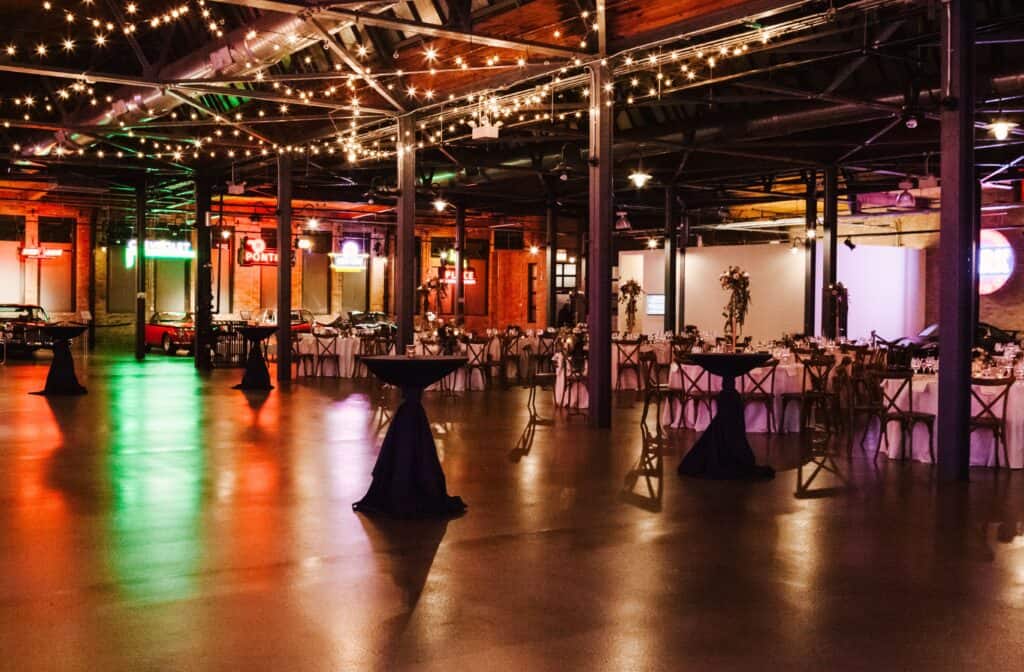
- Lighting and acoustics optimized for dining, not filming
- Limited control over sound, visuals, and camera placement
For events that rely heavily on video, livestreaming, or polished presentations, these limitations can quickly impact quality and audience perception.
Key takeaway: Hotels are excellent for logistics—but not always for content-driven or hybrid corporate events.

What Is a Studio Venue — and Why Companies Are Choosing Them
a. What Defines a Studio Event Space?
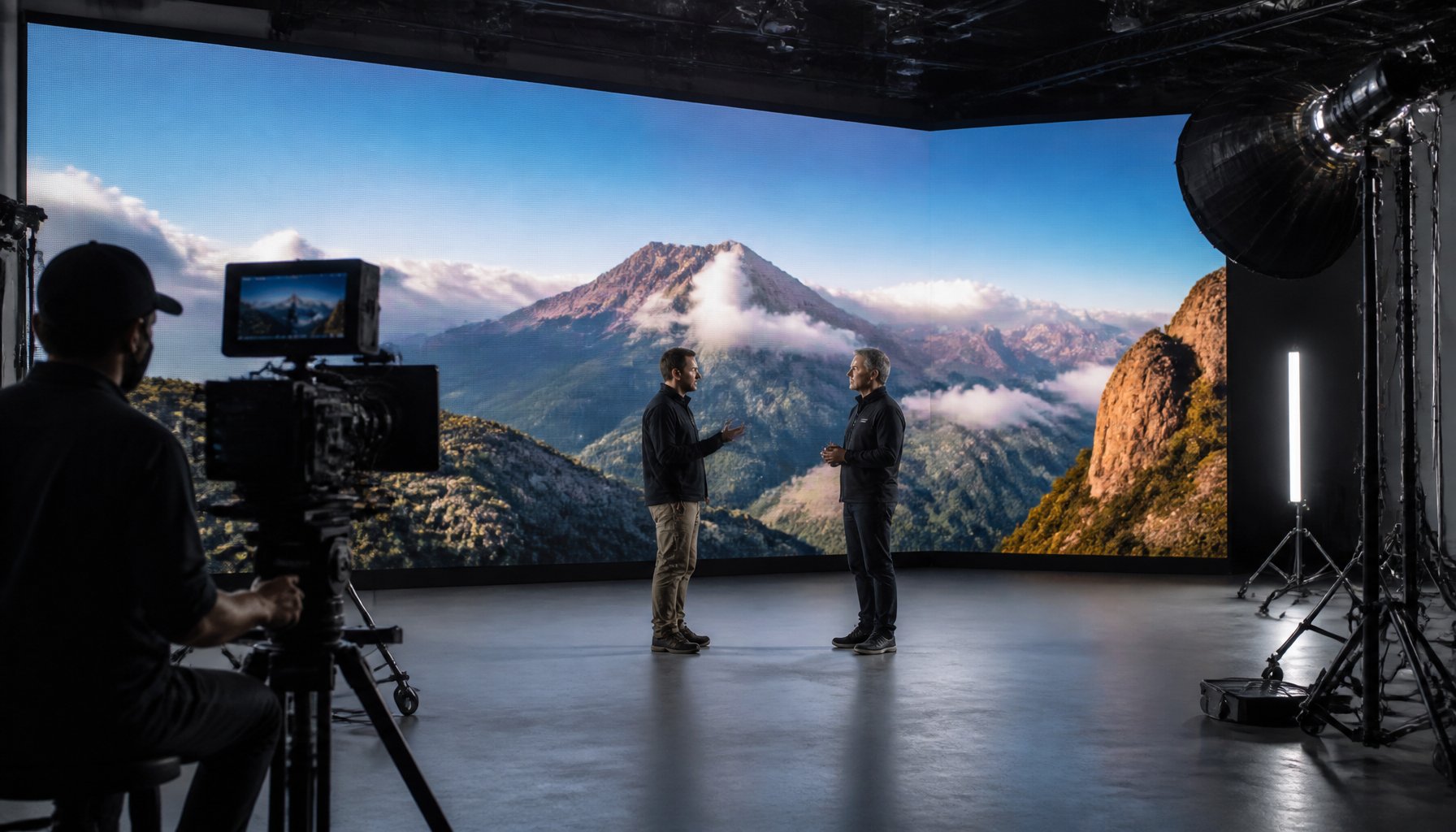
A studio venue is a purpose-built environment designed specifically for video production, livestreaming, and controlled event execution.
Unlike hotel ballrooms, studios are engineered for:
- Professional lighting and acoustics
- Camera-ready environments
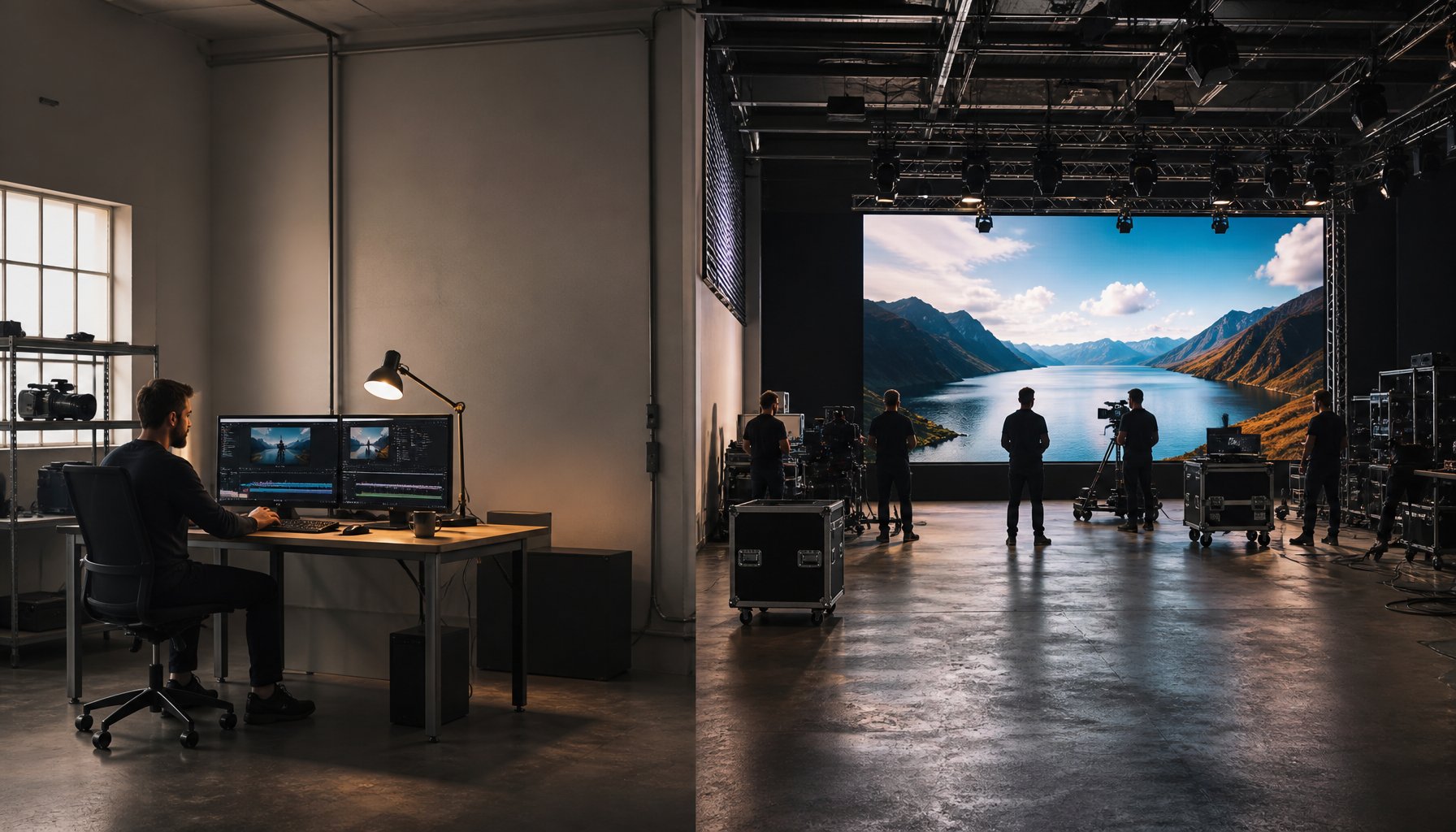
- Integrated AV and technical infrastructure
Studios are increasingly used for:
- Corporate announcements
- Government briefings
- Training sessions
- Product launches
- Hybrid and virtual events
b. Advantages of Studio Venues
Studio venues offer clear advantages for modern corporate communication:
- Broadcast-quality video and audio
- Controlled lighting and sound environments
- Flexible layouts designed for cameras and audiences
- Seamless coordination between live events and recorded content
Because studios are built with production in mind, they naturally support the needs of organizations working with video production companies DC, AV services, and hybrid event formats.
Side-by-Side Comparison: Studio vs Hotel Venue
Here’s a practical comparison across the factors that matter most to planners:
Production Quality
- Hotel: Basic, often limited
- Studio: Professional, broadcast-ready
AV Reliability
- Hotel: May rely on third-party vendors
- Studio: Integrated AV services
Hybrid Readiness
- Hotel: Often an add-on
- Studio: Built-in capability
Branding Control
- Hotel: Restricted
- Studio: Fully customizable
Content Reuse
- Hotel: Minimal
- Studio: Designed for post-event video
Audience Engagement
- Hotel: In-room focused
- Studio: In-room + remote optimized
This comparison highlights why studios are becoming the preferred choice for message-driven events.
Video & AV: The Biggest Difference Most Planners Overlook
a. Why AV Is No Longer Optional
Audio and video quality are no longer “nice to have.”
They are central to how audiences experience your event.
Poor lighting, unclear audio, or unstable streaming can undermine even the best content—especially for virtual or hybrid attendees.
Today, video is often a core deliverable, not an add-on.
b. The Studio Advantage
Studio venues are designed to support:
- Professional AV services
- Integrated camera and lighting systems
- LED video wall rental for presentations and branding
- Seamless recording and livestream workflows
This eliminates many of the technical risks planners face when trying to adapt hotel spaces for production-heavy events.
Hybrid & Government Events: Where Studios Clearly Win
For government agencies and large organizations, clarity, security, and consistency matter.
Studios are particularly effective for:
- Government briefings and announcements
- Corporate leadership updates
- Training and compliance communications
- High-visibility product launches
Benefits include:
- Controlled access and secure environments
- Reliable, broadcast-quality livestreams
- Clear messaging for both in-room and remote audiences
These factors make studios a strong fit for organizations that cannot afford technical distractions or inconsistent delivery.
Budget Reality: Which Option Delivers Better ROI?
At first glance, hotel venues may appear more affordable.
But cost and value are not the same thing.
Hotels often charge separately for:
- AV equipment
- Technical support
- Setup and rehearsal time
Studios, on the other hand, frequently bundle:
- Event space
- AV services
- Video production support
- Technical staffing
When you factor in content reuse—such as training videos, marketing clips, and internal communications—studio venues often deliver a stronger long-term return on investment.
How to Choose the Right Venue for Your Corporate Event
Ask yourself these key questions:
- Will this event be recorded or livestreamed?
- Do remote attendees matter?
- Is professional video quality important?
- Will the content be reused after the event?
- Does the message need a polished, controlled environment?
General guidance:
- Choose a hotel venue for logistics-heavy, fully in-person events
- Choose a studio venue for message-driven, hybrid, or video-centric events
Real-World Scenarios: Studio vs Hotel in Action
Corporate Leadership Update
A studio allows executives to deliver a consistent message to both employees in the room and teams joining remotely—without technical distractions.
Government Announcement
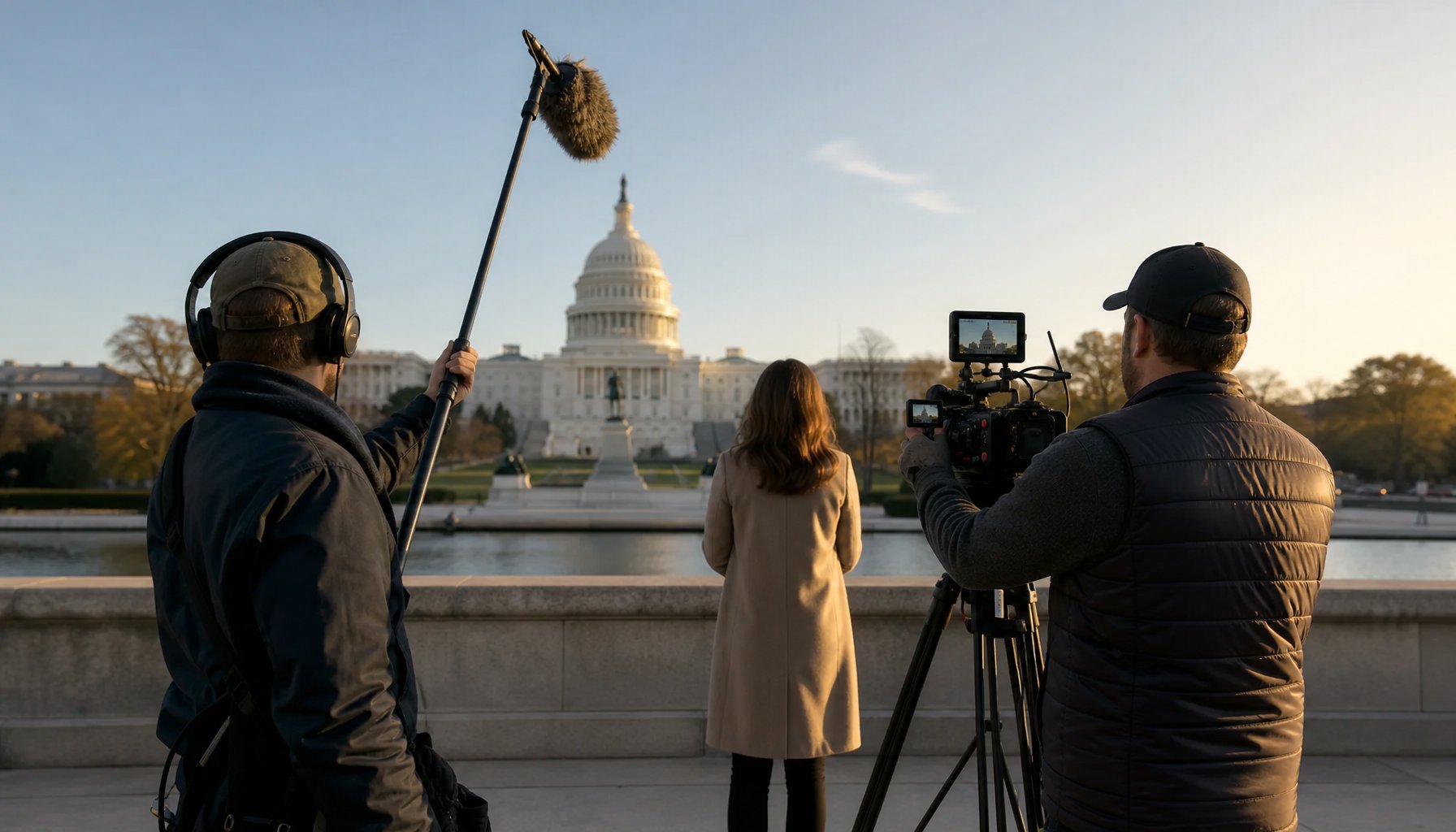
Studios provide secure access, controlled visuals, and clear audio—critical for public communication.
Product Launch with Hybrid Audience
A studio environment enables live presentations, LED visuals, and high-quality recordings that can be repurposed across channels.
In each case, the venue directly shapes how the message is received.

Conclusion — Choosing a Venue That Supports Your Message
The decision between a studio and a hotel venue is no longer just logistical—it’s strategic.
As corporate and government events become more video-centric and hybrid-driven, venues must support clarity, engagement, and professional execution. Studio environments are built to meet these modern demands, offering the control and technical reliability today’s events require.
At TriVision Studios, events are designed so that space, AV, and video production work together seamlessly—helping organizations communicate with confidence and purpose.
Frequently Asked Questions
Is a studio better than a hotel for corporate events?
Studios are better for events that involve video, livestreaming, or hybrid audiences, while hotels work well for traditional in-person gatherings.
Do studios support hybrid corporate events?
Yes. Studios are designed specifically for hybrid and virtual participation.
Are studio venues more expensive than hotels?
Not always. Studios often bundle AV and production services, which can reduce total costs.
Can studios handle AV and video production together?
Yes. Integrated AV and video production is one of the main advantages of studio venues.
What should I prioritize when choosing an event space?
Focus on audience experience, production quality, and how the event content will be used after the event.