Why Hybrid Events Fail — Even With Good Planning
Corporate organizations today invest significant time and budget into hybrid events — from leadership summits and product launches to training programs and brand experiences designed to connect in-person and remote audiences simultaneously. On paper, these events are carefully planned. Agendas are structured, speakers are prepared, and venues are selected with precision.
Yet many hybrid events still feel disconnected.
The energy inside the room rarely translates online. Remote attendees lose focus, presentations appear flat on camera, and audience engagement declines despite strong content. When this happens, teams often assume the issue lies in format or audience behavior. In reality, the problem is almost always production quality.
Modern hybrid events are no longer meetings supported by cameras. They function more like live broadcasts. High-impact video production transforms an ordinary corporate gathering into an immersive experience where both physical and virtual audiences feel equally included. Across Washington DC and Northern Virginia, organizations are increasingly adopting professional production strategies to ensure their events deliver measurable impact rather than temporary attention.
What You’ll Learn
This guide explains how professional video production elevates hybrid experiences and why production strategy has become central to successful events. You’ll understand how broadcast-level planning improves engagement, what technologies drive modern hybrid events, and how organizations can avoid the most common planning mistakes while choosing the right production partner.
The Evolution of Hybrid Events: From Meetings to Media Experiences
Audience expectations have changed dramatically over the past few years. Today’s viewers compare corporate events not only to other conferences but also to livestream broadcasts, polished webinars, and studio-quality digital content they consume daily.
As a result, production standards have risen. If visuals feel amateur or audio quality fluctuates, viewers disengage almost immediately. A successful hybrid event now combines three disciplines: event strategy, broadcast video production, and audience experience design.
This shift explains why companies increasingly rely on full-service video production teams instead of basic AV setups. Traditional AV focuses on supporting the room, while modern production focuses on delivering an experience optimized for both live and virtual audiences.
Why High-Impact Video Production Matters
High-quality video production does far more than improve appearance — it directly influences business outcomes. When production is executed professionally, audiences remain engaged longer, speakers feel more confident, and brands appear more credible.
A well-produced hybrid event also creates long-term value. Recorded sessions can be repurposed into marketing campaigns, internal training assets, social media content, and promotional videos, extending ROI well beyond the event day itself.
In this way, hybrid events become strategic communication tools rather than one-time gatherings.
Step-by-Step: How Video Production Transforms Hybrid Events
Step 1: Strategic Pre-Production Planning
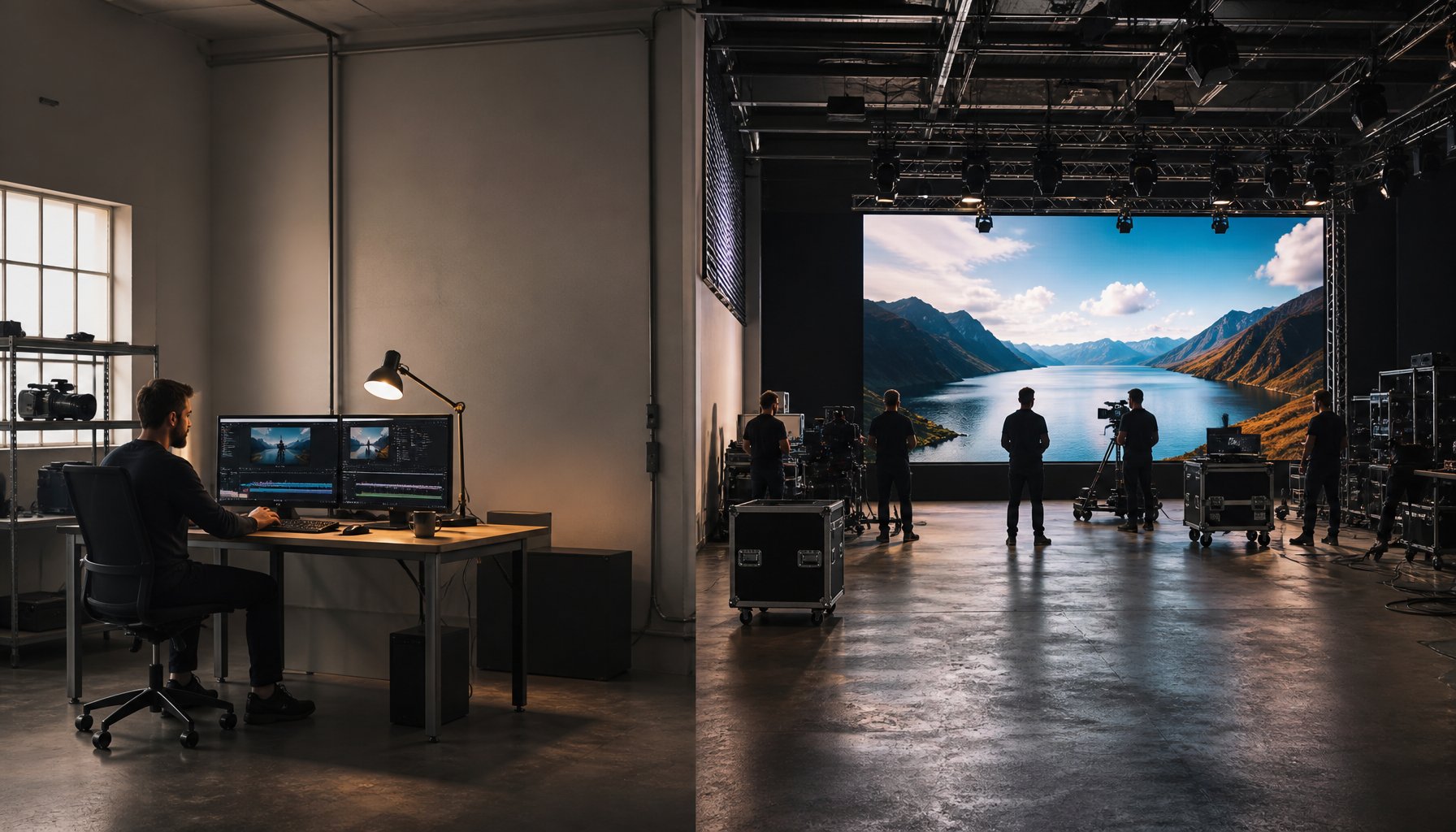
Successful hybrid events begin long before cameras are turned on. Experienced video production teams start with strategic planning focused on storytelling, logistics, and audience experience. Instead of simply recording presentations, planners design how viewers will emotionally and visually experience each moment.
Pre-production aligns technical execution with business goals by mapping audience journeys, defining camera coverage, coordinating presentation flow, and integrating branding elements into the visual environment. Engagement moments are intentionally created for remote viewers so they remain active participants rather than passive observers.
Without this planning phase, even expensive equipment cannot prevent audience disengagement. Strategy is what transforms technology into experience.
Step 2: Professional Visual Environment & Stage Design
Hybrid audiences primarily experience events through screens, which means visual design directly shapes brand perception. A venue that feels impressive in person may appear dull or poorly lit on camera if it is not designed for broadcast viewing.
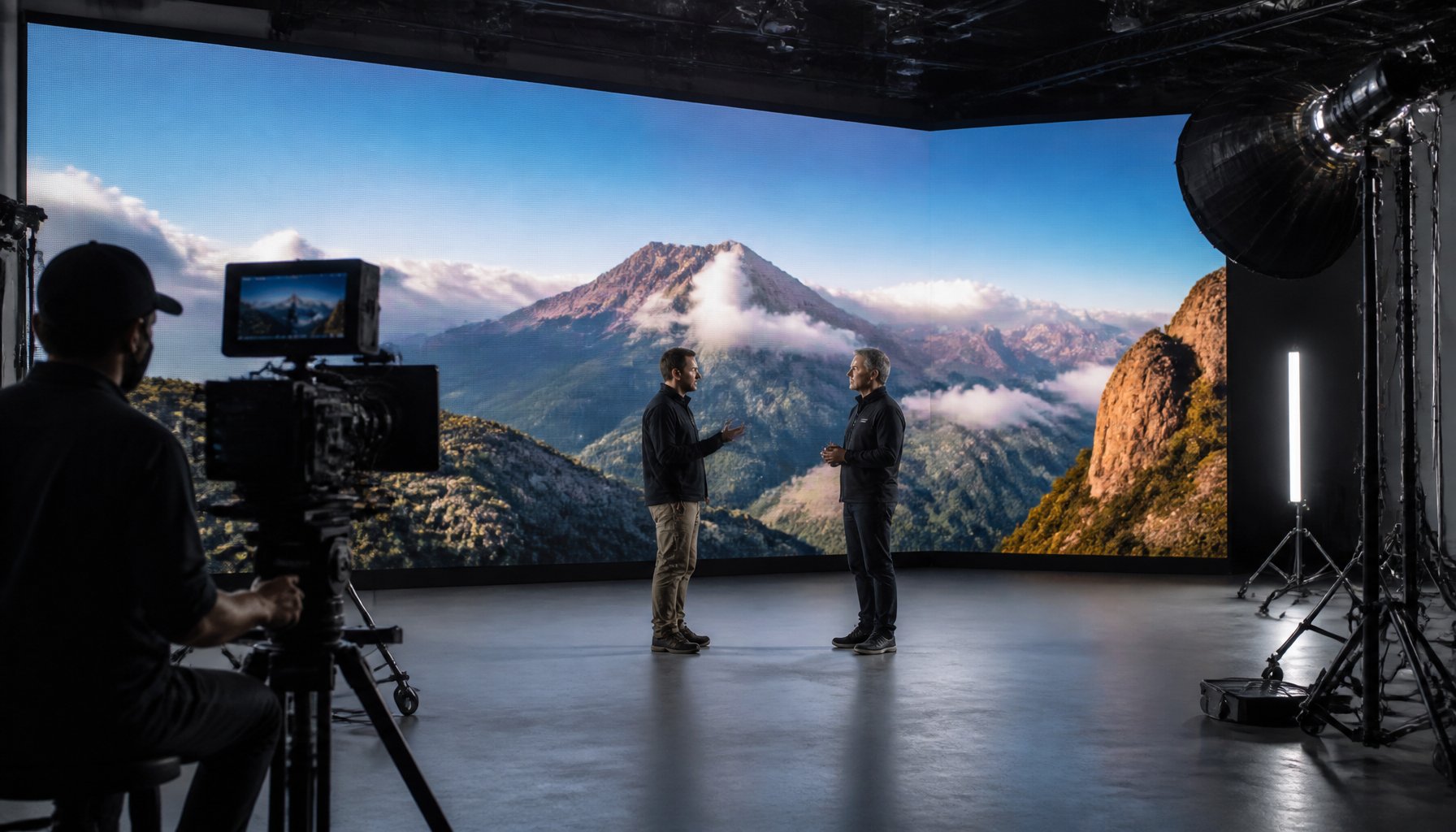
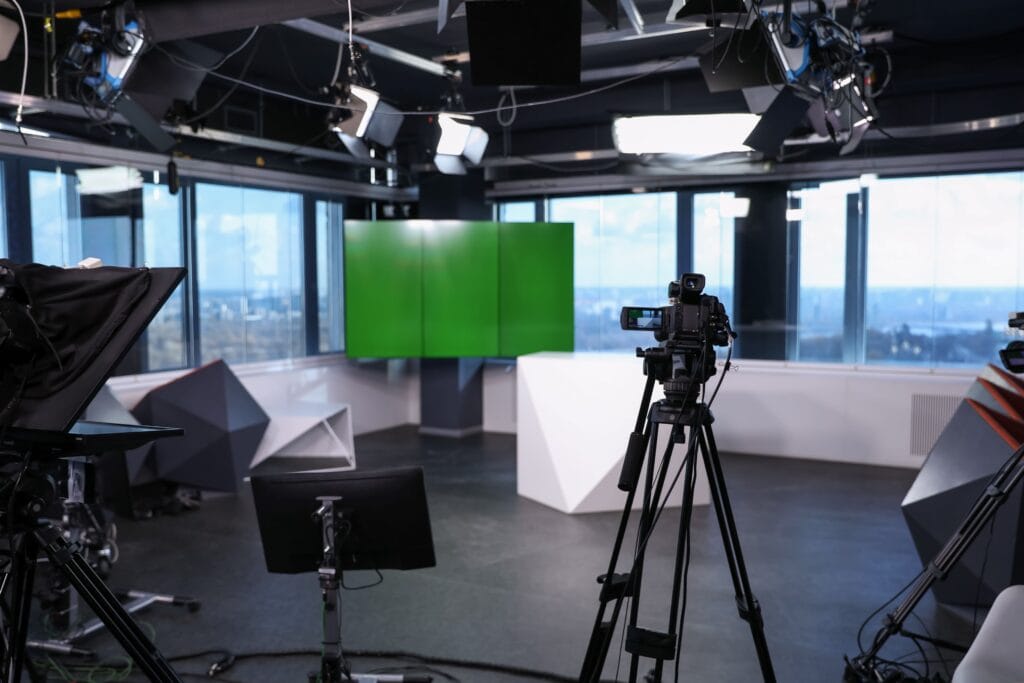
High-impact productions therefore prioritize controlled visual environments. LED walls enable dynamic branding and adaptable content displays, cinematic lighting enhances speaker presence, and multi-camera angles maintain visual energy throughout sessions.
Working within a professional Northern Virginia event studio or production-ready environment allows teams to maintain consistent lighting and sound conditions, eliminating many challenges associated with traditional venues.
Step 3: Broadcast-Quality Audio & Camera Production
Audio quality remains the single most important factor affecting online audience retention. Viewers may tolerate minor visual imperfections, but poor sound quickly leads to disengagement.
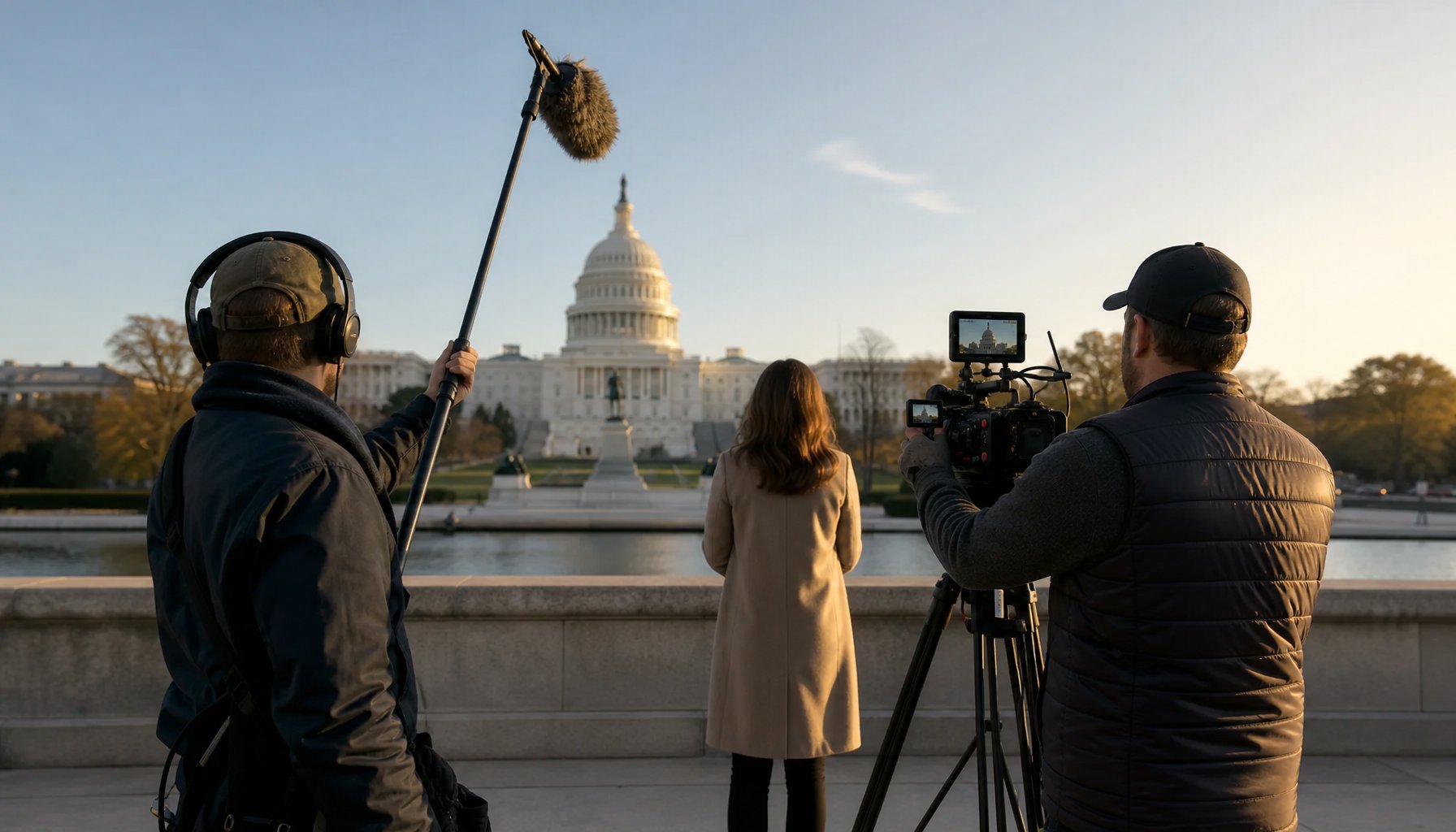
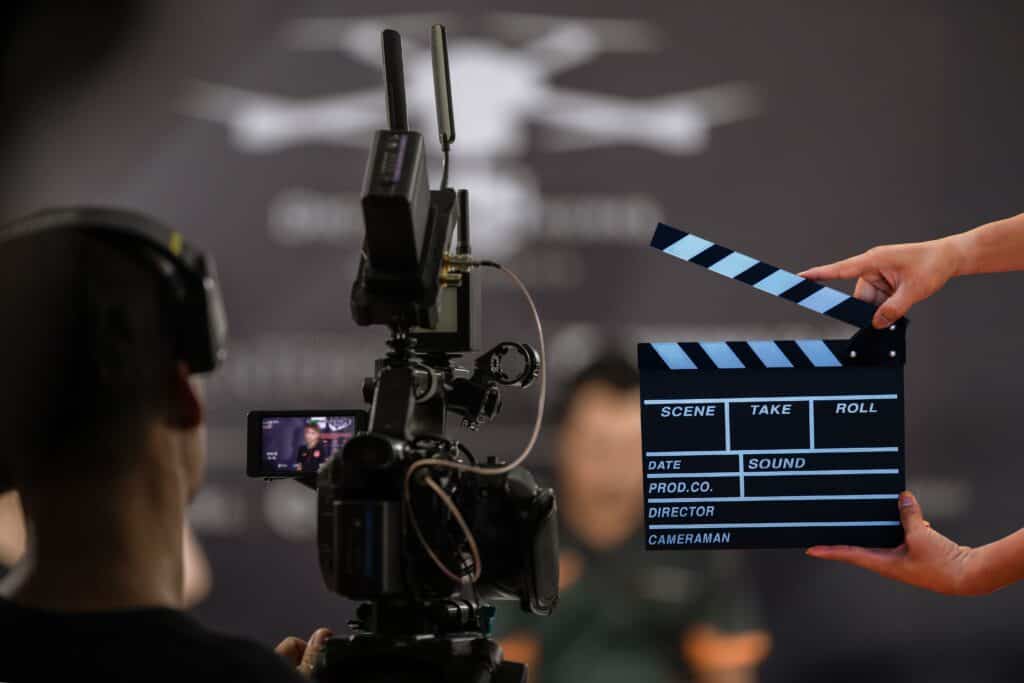
Professional corporate video production addresses this through broadcast-grade microphones, live audio mixing, real-time camera switching, and careful framing designed specifically for virtual viewers. Smooth transitions between speakers and segments create a polished experience that mirrors professional television production.
The objective is immersion — remote audiences should feel present inside the event rather than watching from a distance.
Step 4: Seamless Hybrid Integration
Modern hybrid events must unify physical and digital participation. Achieving this requires more than livestreaming; it requires coordinated technical integration.
Professional production teams connect livestream platforms, presenter confidence monitors, remote speaker workflows, and interactive tools such as polls and live Q&A systems. Reliable network infrastructure ensures stability, allowing audiences to engage without interruption.
When properly executed, hybrid integration transforms viewers into participants, significantly improving engagement and knowledge retention.
Real Scenario: A Corporate Leadership Summit
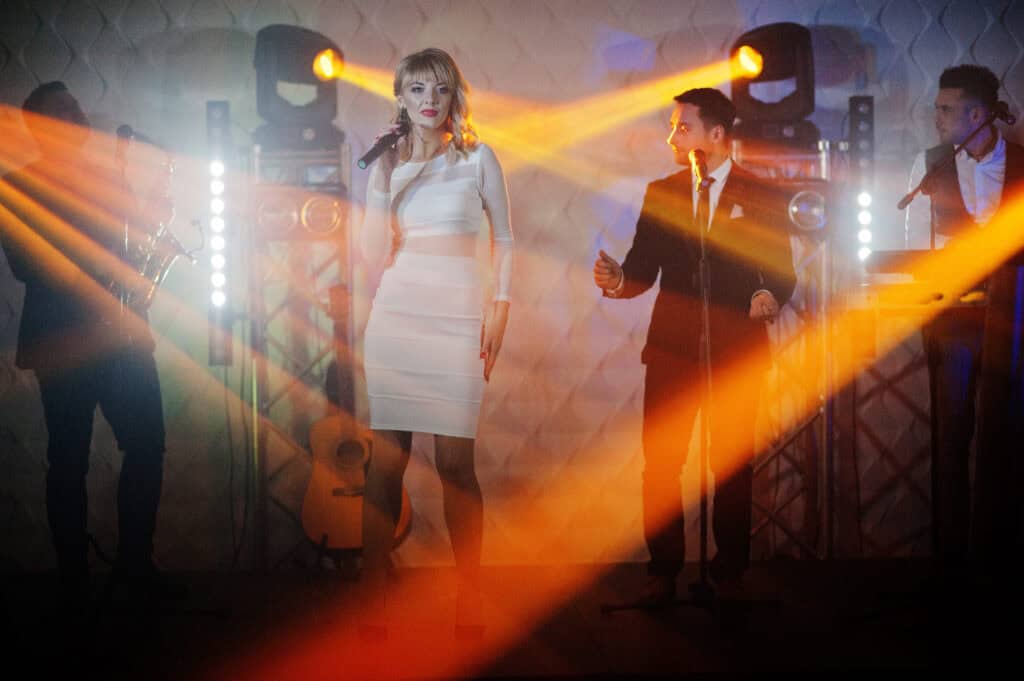
Consider a leadership summit connecting teams across multiple DC offices and remote employees. Without professional production, the event may rely on a single static camera and inconsistent audio, leaving virtual attendees disengaged.
With high-impact video production, the same event becomes dynamic. Camera switching adds energy, branded visuals reinforce messaging, and live audience interaction creates connection. The content remains identical, yet the perceived quality — and audience response — changes dramatically.
What Most Organizations Get Wrong
Many planners prioritize venue selection and scheduling while underestimating production requirements. A common assumption is that basic AV equipment or internal livestream setups are sufficient.
However, hybrid events operate much closer to live television production than traditional meetings. When production strategy is overlooked, teams experience technical stress, declining engagement, and weakened brand perception.
Expert Insights From Event Production Professionals
Experienced production teams consistently apply several principles. Events are designed for the camera first and the room second. Engagement moments are introduced every 10–15 minutes to maintain viewer attention. LED environments replace static backdrops to provide flexibility, and rehearsals are treated as essential risk-reduction tools rather than optional preparation.
These seemingly small decisions produce exponential improvements in audience experience.
Common Mistakes to Avoid
Even well-funded hybrid events struggle when planners choose venues without production infrastructure, underestimate setup timelines, or treat remote audiences as secondary participants. Hiring multiple disconnected vendors can also create communication gaps that affect live execution.
Integrated event production services help eliminate these risks by aligning strategy, technology, and execution under one coordinated team.
Key Takeaways
Hybrid events have evolved into broadcast experiences where production quality directly impacts engagement and ROI. Strategic planning, visual design, professional audio, and seamless integration must work together to deliver successful outcomes. Organizations that treat production as a core strategy — not an add-on — consistently achieve stronger audience connection and long-term value.
Conclusion: Turning Events Into Experiences
Hybrid events represent one of the most powerful communication tools available to modern organizations, but only when executed with intention and expertise.
High-impact video production transforms presentations into experiences, speakers into storytellers, and events into lasting brand assets. Organizations across Washington DC and Northern Virginia increasingly partner with experienced studios like TriVision Studios to bridge the gap between traditional events and broadcast-quality engagement.
This is where experienced partners make the difference. By combining strategic planning, advanced production technology, and studio-level execution, TriVision Studios helps corporate teams bridge the gap between traditional events and modern hybrid experiences. The result is not just a well-run event, but a polished, immersive experience that strengthens brand perception and audience connection.
The difference isn’t simply technical — it’s experiential.
Ready to Elevate Your Next Hybrid Event?
Plan production early.
Design for both live and virtual audiences.
Work with professionals who understand hybrid storytelling and audience engagement.
Start transforming your next event into a high-impact experience today.
Frequently Asked Questions
What is hybrid event video production?
It combines live event execution with broadcast-quality livestreaming so in-person and remote audiences participate simultaneously.
Why is professional video production important?
It ensures clear visuals, reliable audio, strong engagement, and consistent brand presentation.
How many cameras are ideal for hybrid events?
Most corporate events benefit from at least three cameras to maintain dynamic viewing experiences.
Can hybrid events create marketing content?
Yes. Recorded sessions can be repurposed into long-term marketing and training assets.
Is a studio better than a hotel venue?
Production-ready studios provide controlled environments that simplify execution and improve quality.