Documentary production
Documentary
production
Seven teams for Washington DC
and Northern Virginia
Find a documentary partner whose storytelling approach fits your project, whether you need a commissioned short, an organizational story or an independent film.

Start with a story
worth exploring
A documentary starts with a question worth exploring and access to the people who can help answer it. The production company matters because it will shape how that question is researched, how participants are treated and how the story develops in the edit.
Washington DC and Northern Virginia organizations can choose among commercial production teams, independent filmmakers and studios that work across both. Those models are not interchangeable. A commissioned organizational film may have a defined message and approval process; an independent documentary may need room for the evidence and story to change. Establish that distinction before comparing reels.
Region
Washington DC region
Formats
Commissioned shorts + organizational stories + films
In this guide
Seven provider profiles + buying questions
01 / Compare the approach
Find the right fit
How we selected these companies
TriVision publishes this article and is included in the list. We reviewed official websites for documentary work and a documented connection to the Washington region. The seven entries are an editorial shortlist, not an independent performance ranking. Numbers organize the profiles; suggested fits are our interpretation of each company’s stated work. Inclusion does not establish availability, willingness to accept a commission or a distribution commitment.
Quick comparison
TriVision Studios
Regional connection
Chantilly; Washington-area production
Consider for
Commissioned documentaries with a defined production process
The Biscuit Factory
Regional connection
Falls Church/DC region
Consider for
Factual programming, educational and museum stories
Mwendo
Regional connection
Washington, DC
Consider for
Human-centered documentary and nonprofit films
Interdependent Pictures
Regional connection
Washington DC and Charlottesville
Consider for
Social and environmental documentary stories
Meridian Hill Pictures
Regional connection
Washington-rooted filmmakers
Consider for
Independent, character-led documentary development
Spark Media
Regional connection
Washington, DC
Consider for
Documentary projects linked to social issues and outreach
After Now
Regional connection
Washington DC and Richmond
Consider for
Documentary and branded-content collaboration
The official sources linked below support the location and capability descriptions, not a claim that any one company is best for every film.
02 / The shortlist
Teams for stories
with substance
01 / Provider profileTriVision Studios
TriVision’s documentary production page describes research, concept development, planning, interviews, location filming and post-production. Its headquarters are in Chantilly, giving Northern Virginia organizations a local starting point for a commissioned documentary.
Consider TriVision when your organization needs help developing a story and managing a defined production scope. Bring more than the preferred message: explain who can be interviewed, what can be filmed and what supporting material already exists. Ask the producer which parts are sufficiently documented and where additional research or access could improve the film.
02 / Provider profileThe Biscuit Factory
The Biscuit Factory describes itself as a DC-based, full-service documentary production company working in factual programming for broadcast, marketing, education and branded content. Its work categories include history and culture, museums, science and technology, social responsibility, and wildlife and expedition subjects.
Consider it when a project needs to explain a subject through evidence, context and visual storytelling. Ask for a comparable complete film rather than relying only on a reel. Discuss the research approach and how the team would make material understandable to a general audience without removing the details that make it accurate.
03 / Provider profileMwendo
Washington-based Mwendo lists documentary and narrative film, television and streaming, commercial advertising and nonprofit projects. Its portfolio includes documentary shorts and a documentary series, alongside organizational and awareness-focused work.
Consider it for a film centered on people and their experiences. In an introductory conversation, describe the relationship your organization already has with potential participants. Ask how the filmmaker would build trust, prepare interviews and capture scenes beyond the interview chair. Those choices will determine whether viewers encounter a lived experience or only hear an explanation of it.
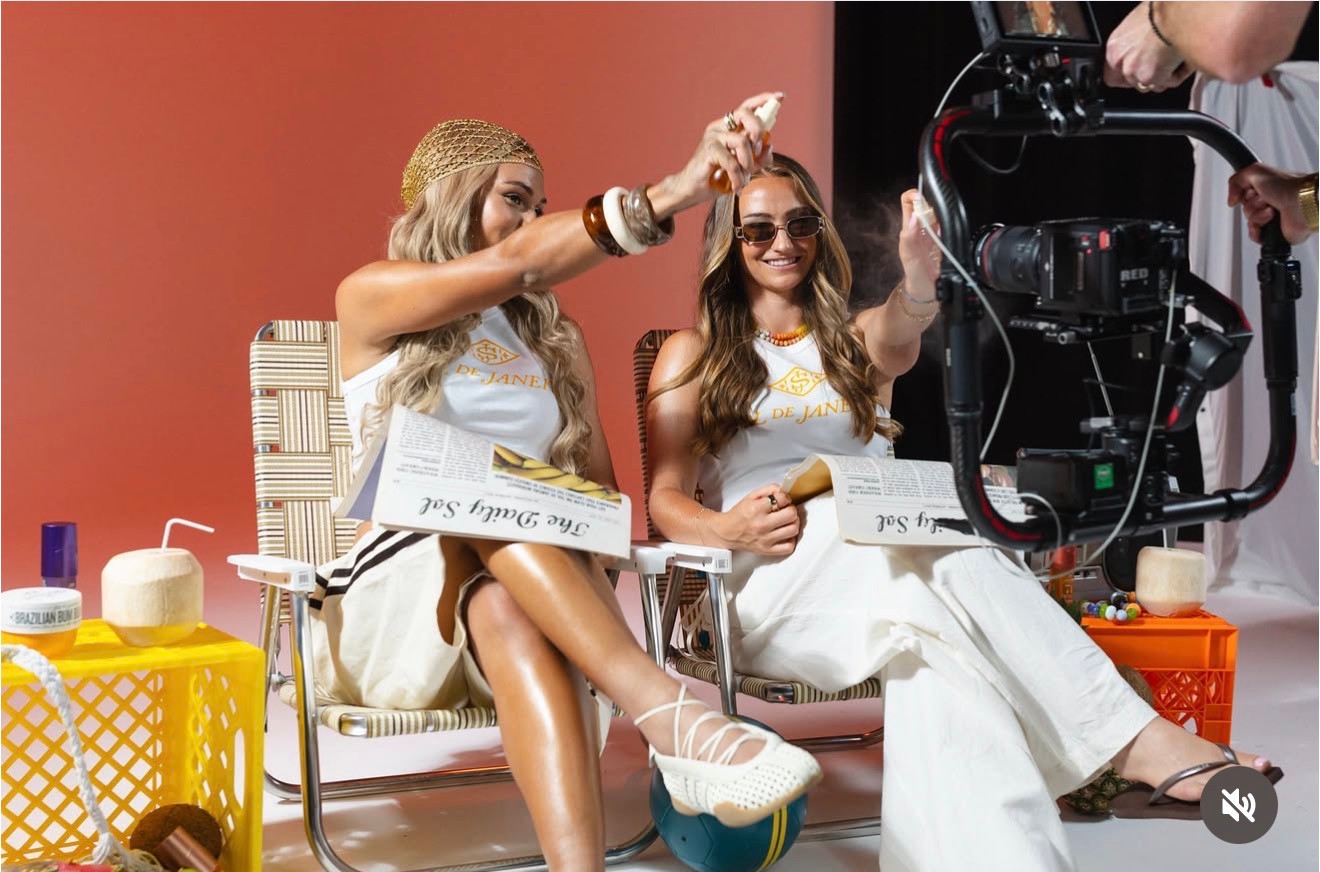
TriVision production imagery
Stories on screen


04 / Provider profileInterdependent Pictures
Interdependent Pictures identifies Washington DC and Charlottesville as its locations. The studio describes partnerships with socially conscious organizations and documentary work focused on people, places and ideas, including environmental and community subjects.
It is worth considering when the story involves the relationship between a community and its surroundings. Ask how the production would represent different perspectives and what ongoing participant contact would involve. If a film addresses a difficult issue, discuss how it will avoid reducing people to a problem statement or treating a location only as a backdrop.
05 / Provider profileMeridian Hill Pictures
Meridian Hill Pictures presents documentary features including City of Trees and The First Step. Its about page describes the Kramer brothers’ Washington roots, an interest in complex human stories and community-oriented distribution work.
This is a relevant studio to research for an independent documentary conversation rather than assuming it operates like a general-purpose vendor. Ask whether the team is considering new collaborations, what role a commissioning organization could play and how editorial decisions would be made. A film’s financing, ownership and approval model need to support the kind of storytelling you want.
06 / Provider profileSpark Media
Spark Media presents documentaries, advocacy campaigns and other narrative projects focused on social change. Its company page identifies a Washington DC base. The published portfolio includes history, public affairs and personal-story projects.
Consider Spark when the intended life of the film includes discussion and community engagement. Ask who the film should reach first, whether screenings need supporting materials and how a shorter version might work alongside the main documentary. Keep distribution ambitions separate from promises: no production partner can guarantee festival selection, a broadcaster or a particular audience response.
07 / Provider profileAfter Now
After Now describes a Washington DC and Richmond production company working in documentaries, branded content, music videos and narrative films. Its published description emphasizes the creative partnership between production and editing.
Consider it when you are still testing the relationship between an organizational commission and a documentary treatment. Ask how the team would preserve natural moments while still delivering a film with a clear purpose. Discuss whether the schedule allows for observation and follow-up filming, or whether the project must be built around tightly planned interviews and a limited number of shoot days.
03 / Plan the story
Match the production model to the story
For a broader overview of evaluating filmmakers and structuring a commission, see our guide to finding a documentary team in Washington DC.
Before asking for a quote, write a short treatment describing the central question, the people involved and the material you expect to film. Separate confirmed access from hoped-for access. An interview invitation that has not been accepted is not the same as a scheduled participant.
Discuss editorial authority early. Who checks facts? Who approves the final film? Can a participant correct a factual error, and how will that differ from requesting a change in portrayal? Agreeing on a process before filming helps protect trust when the edit becomes more specific.
Budget time for research and uncertainty. Archival material may be difficult to locate. A key event may move. A new interview may change the story’s emphasis. Ask the producer which assumptions underpin the proposal and what would trigger a revised scope.
Hiring checklist
- Review a complete documentary relevant to the subject and intended length.
- Confirm access to participants, locations and important events.
- Define the research, fact-checking and approval responsibilities.
- Ask about participant communication and consent procedures.
- Identify archival footage, photographs, music and other third-party material.
- Agree on ownership, source footage, credits and intended uses.
- Specify subtitles, captions, trailers, short edits and delivery formats.
- Separate film production, festival submissions and outreach services in the scope.
Questions before you book
Frequently asked
questions
Can a company story use a documentary approach?
Yes. Interviews, observed scenes and archival material can make an organizational story specific and credible. Be clear about the commissioning relationship and intended purpose. Avoid presenting a sponsored promotional piece as independent reporting.
Should we write the whole script before filming?
A treatment, research outline and interview plan are useful starting points. Some commissioned films also need an approved script structure. Leave room for what people actually say and what the evidence supports rather than forcing every answer into a predetermined line.
Does hiring a documentary company include distribution?
Not necessarily. A completed film, a screening campaign, a festival submission plan and a broadcast sale are separate outcomes. Ask what the company will deliver, what remains your responsibility and which opportunities are uncertain.
Start with the story you can tell honestly
Explore TriVision’s documentary production process and nonprofit video services. Contact TriVision Studios with your subject, intended audience, access to participants and the purpose of the finished film.