Why Finding the Right Documentary Filmmakers in Washington DC Matters
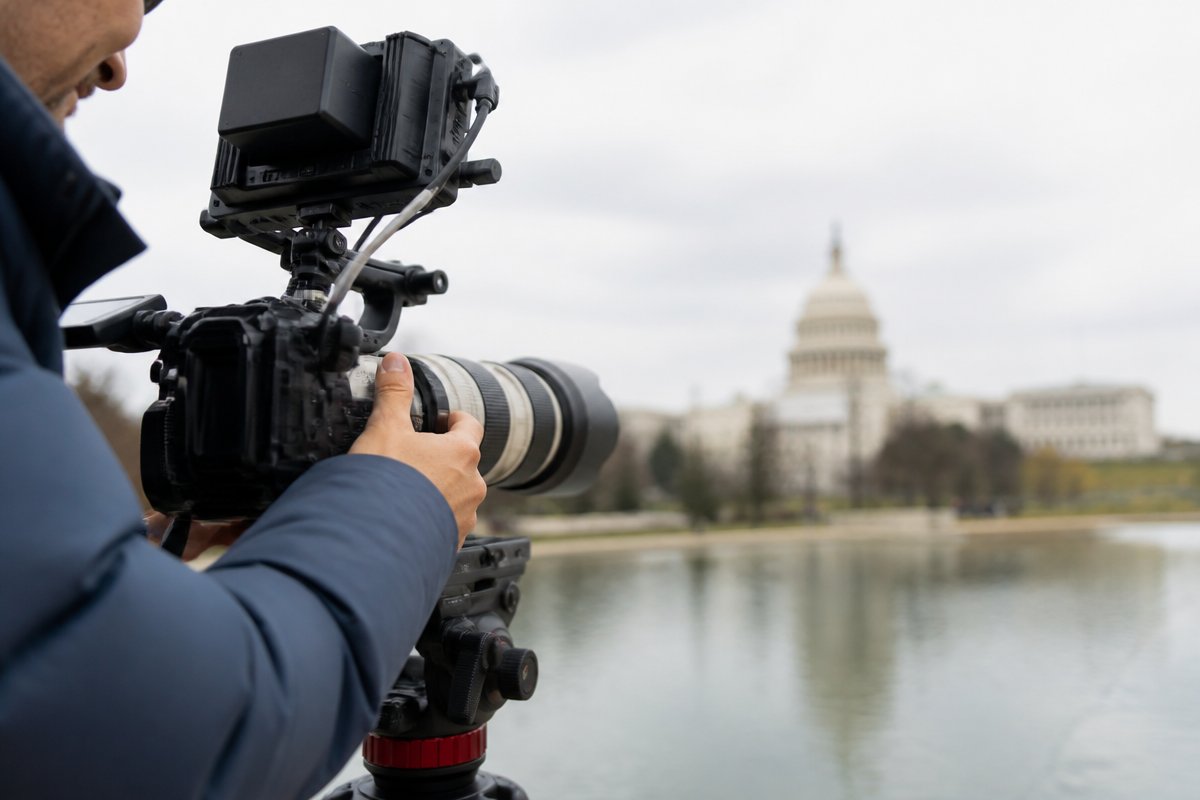
You have a powerful story to tell — one that could shift public opinion, rally donors, or reshape how people understand your mission. But finding documentary filmmakers in Washington DC who can translate that vision into a compelling film is harder than it sounds. The wrong partnership wastes budget and months of effort. The right one produces content that lives on for years.
According to a 2026 report from the International Documentary Association, commissioned documentaries saw a 34% increase in organizational investment over the past three years, driven largely by advocacy groups, government agencies, and nonprofits seeking authentic storytelling over polished advertising. Washington DC sits at the epicenter of that trend — a city built on stories of policy, justice, culture, and change.
This guide is designed specifically for organizations commissioning documentary work. Whether you are a nonprofit, a government agency, or a corporation with a story that deserves depth, the following sections will walk you through how to find filmmakers, evaluate their work, and structure a creative partnership that protects your interests while giving talented directors the space to do their best work.
What Makes DC a Unique Market for Documentary Production
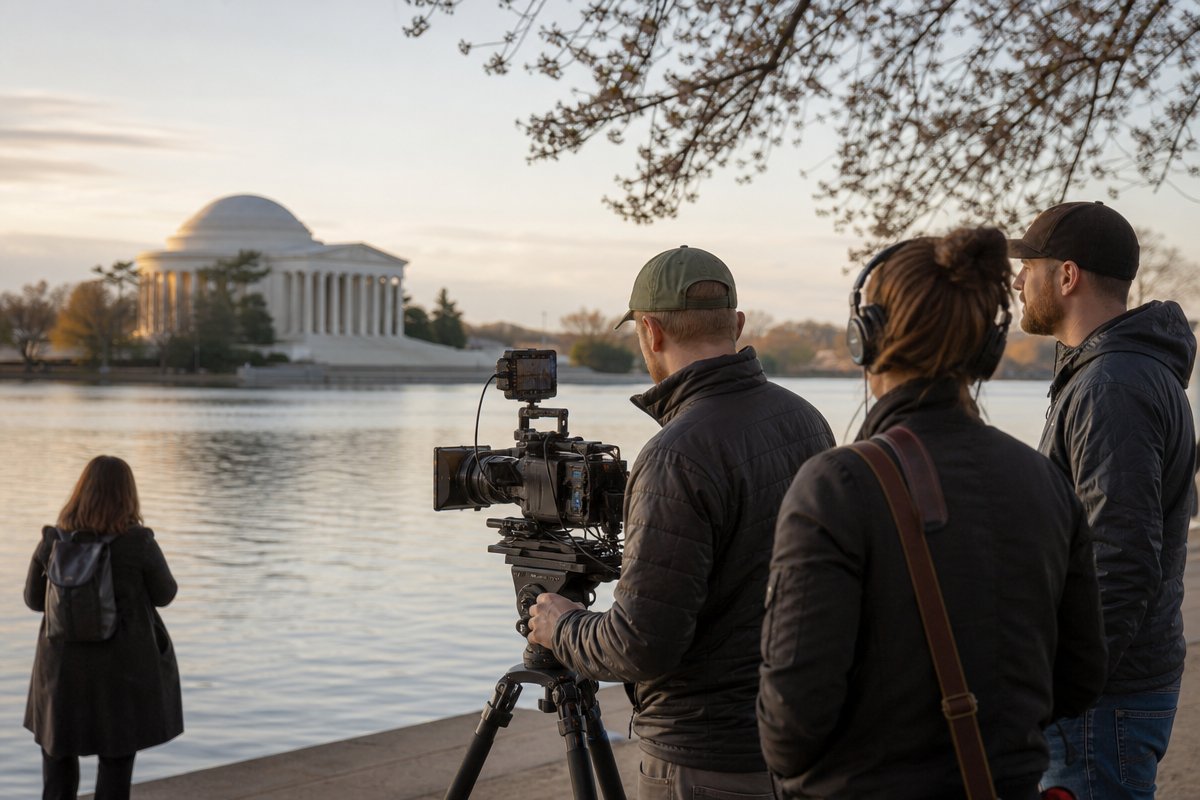
Not every city produces documentaries the same way. Washington DC has a filmmaking ecosystem shaped by the institutions that call it home. Understanding this context helps you hire smarter.
Proximity to Power and Policy
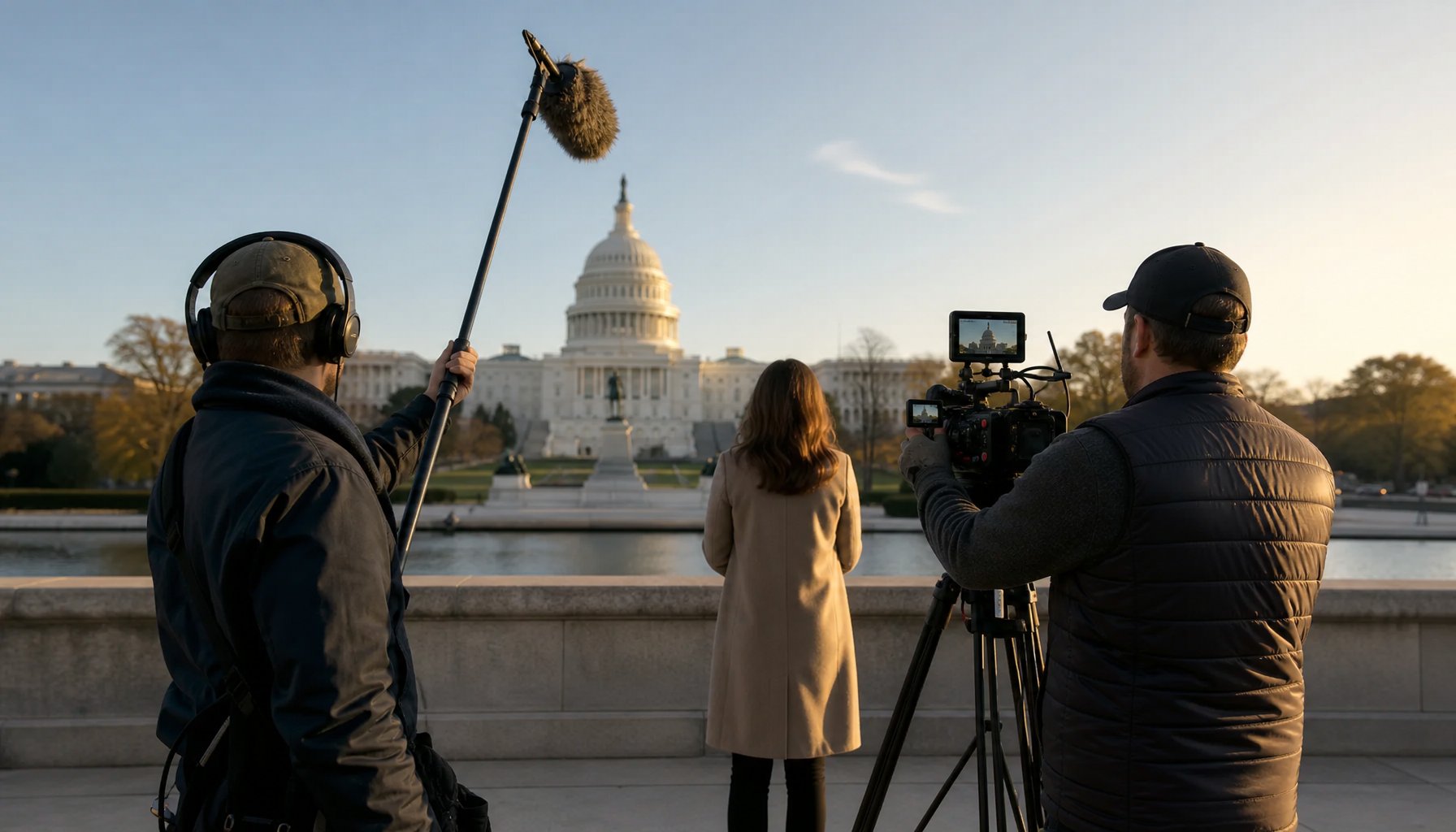
DC-based documentary filmmakers are accustomed to working around government buildings, congressional offices, embassies, and federal agencies. They understand the permit processes, the security protocols, and the sensitivity required when filming in politically charged environments. That institutional fluency is not something you can easily find in a filmmaker from another market.
A Deep Bench of Subject-Matter Experts
The DC metro area — including Northern Virginia, Maryland, and Baltimore — is home to think tanks, universities, research institutions, and advocacy organizations. Local filmmakers often have existing relationships with experts who can serve as on-camera sources, lending credibility and depth to your documentary.
A Diverse Creative Community
From the Smithsonian’s documentary screening programs to the DC Independent Film Festival, the region fosters a community of filmmakers who value substance alongside craft. You will find directors who have worked on everything from short-form advocacy pieces to feature-length investigative documentaries.
How to Find Documentary Filmmakers Worth Considering
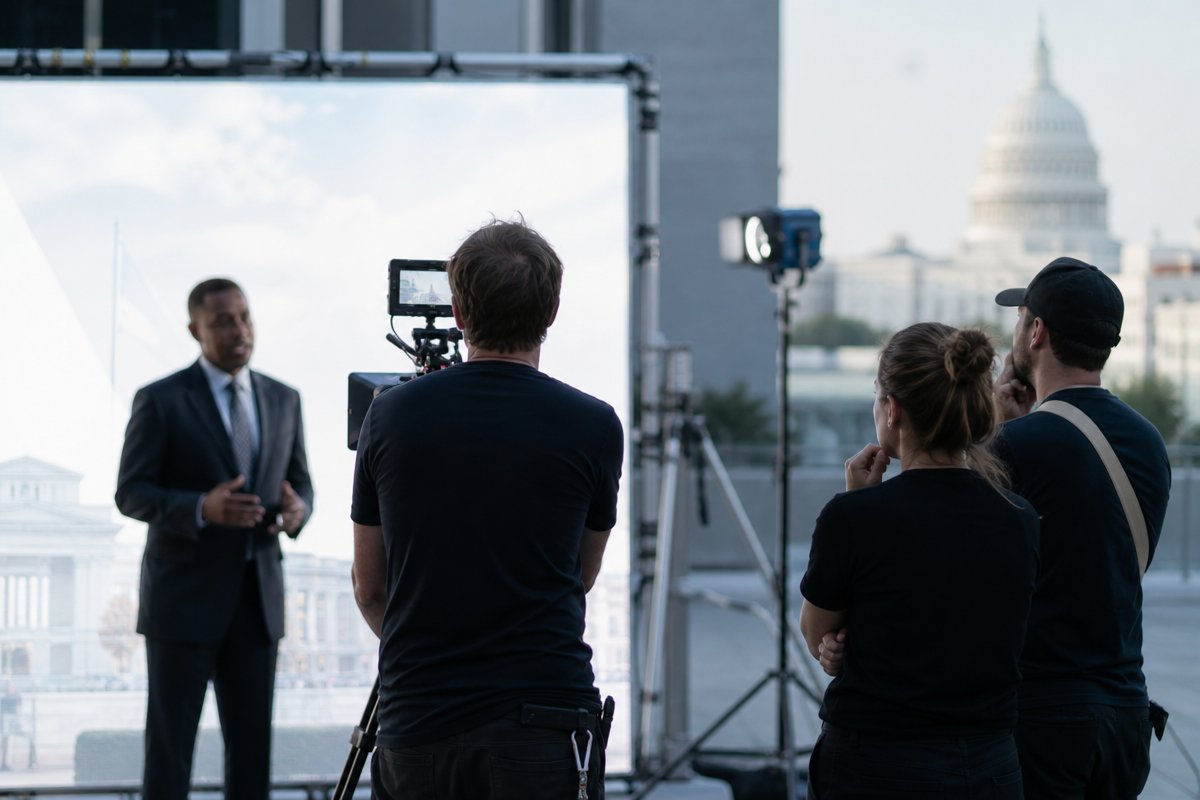
The search process itself can feel overwhelming. Here is a structured approach to narrowing your list of potential filmmakers before you ever review a single reel.
Start with Referrals from Your Network
Ask peer organizations — especially those in your sector — who they have worked with. A nonprofit that recently released a successful documentary campaign can point you to a filmmaker who already understands mission-driven storytelling. Government agencies that have commissioned public-facing documentary content can recommend teams experienced with compliance and approval workflows.
Search for Production Companies with Documentary Specialization
Many talented filmmakers operate within full-service production companies rather than as solo independents. This matters because documentary production requires more than a single director — it demands producers, editors, sound designers, colorists, and often animators. A company like TriVision Studios, for example, brings an integrated team to every documentary project, which streamlines communication and keeps the production on schedule.
Use Industry Directories and Film Festivals
- WIFV (Women in Film & Video): A DC-based organization with a searchable membership directory of experienced filmmakers.
- DC Film Office: Maintains a production directory and can connect you with local crews.
- AFI Docs and Tribeca partnerships: Filmmakers who have screened at reputable festivals bring proven storytelling ability.
- LinkedIn and Vimeo: Search for documentary work tagged in the Washington DC metro area to discover emerging and established talent.
Check for Relevant Industry Experience
A filmmaker who has created documentaries for healthcare organizations will understand HIPAA-adjacent sensitivities. One who has worked with advocacy groups will know how to balance emotional storytelling with factual rigor. Prioritize filmmakers whose past clients resemble your organization in mission, audience, or sector.
Evaluating Reels and Past Work: What to Actually Look For
Reviewing a filmmaker’s reel is the most important step in your selection process — but most organizations do it wrong. They focus on surface-level production quality when they should be analyzing storytelling decisions.
Narrative Structure Over Visual Flash
Beautiful cinematography is table stakes. What separates great documentary filmmakers from good ones is their ability to structure a narrative. When you watch a reel or a full past project, ask yourself:
- Does the film have a clear beginning, middle, and end?
- Are characters introduced in a way that makes you care about them within the first two minutes?
- Is there tension or conflict that keeps you watching, even if the subject matter is not inherently dramatic?
- Does the ending leave you with a clear emotional or intellectual takeaway?
Interview Quality
Documentaries live and die by their interviews. Pay close attention to how subjects speak on camera in a filmmaker’s past work. Do they seem relaxed and authentic, or stiff and rehearsed? The best documentary filmmakers are skilled interviewers who know how to draw out honest, unscripted responses. This is a craft that takes years to develop.
Pacing and Editing
Watch for pacing. A well-edited documentary does not feel long, even at 30 or 60 minutes. If you find yourself checking the timestamp, the editing is not working. Strong editors know when to let a moment breathe and when to cut. They use b-roll purposefully rather than decoratively.
Sound Design and Music
This is often overlooked but critically important. Listen to the audio in past projects. Is the sound clean? Does the music support the emotional arc without overwhelming it? Poor audio quality is one of the most common signs of an inexperienced team.
Ask for Full Projects, Not Just Sizzle Reels
A sizzle reel is a highlight reel — it shows the best moments stripped of context. Always ask to see at least one complete documentary project from start to finish. This is where you will truly evaluate a filmmaker’s ability to sustain a narrative across an extended runtime.
Structuring the Creative Partnership
Once you have identified your filmmaker or production company, the way you structure the working relationship will determine whether the project succeeds or stalls. Documentary production is inherently collaborative, but it requires clear agreements upfront.
Define the Scope Before Signing a Contract
Before any contract is finalized, both parties should agree on:
- Final deliverable format and length: Will this be a 10-minute short, a 30-minute mid-length piece, or a feature? Will there be cut-down versions for social media?
- Number of interview subjects: More subjects mean more shoot days, more travel, and more editing time.
- Shoot locations: Will filming take place entirely in DC, or will the team need to travel to other cities?
- Timeline and milestones: Establish clear deadlines for script development, principal photography, rough cut, and final delivery.
- Revision rounds: Specify how many rounds of revisions are included in the budget to avoid scope creep.
Establish Creative Guardrails Without Micromanaging
This is the most delicate part of the relationship. As the commissioning organization, you have the right — and the responsibility — to set boundaries around messaging, brand alignment, and factual accuracy. But if you try to control every creative decision, you will undermine the authenticity that makes documentary storytelling powerful.
The best approach is to agree on a creative brief at the outset that outlines key messages, tone, target audience, and any non-negotiable content requirements. Then give the filmmaker creative latitude within those guardrails. Trust their instincts on pacing, visual style, and narrative structure.
Budget Transparency
Documentary budgets vary widely. A short advocacy documentary might cost between $15,000 and $50,000, while a feature-length project with extensive travel and archival licensing can run well into six figures. Reputable production companies will provide transparent, line-item budgets so you understand exactly where your investment is going.
Be wary of filmmakers who offer vague flat-rate pricing without breaking down costs. Transparency here protects both parties.
Ownership and Distribution Rights
This is where many partnerships hit unexpected friction. Clarify from the beginning who owns the final film, the raw footage, and any ancillary materials like photos or graphics. Most organizations commissioning documentaries expect to own the final deliverables outright, but some filmmakers retain rights to submit the work to festivals or use clips in their portfolio. Get this in writing.
Red Flags to Watch For When Hiring Documentary Filmmakers
Not every filmmaker or production company is the right fit. Here are warning signs that should give you pause during the evaluation process:
- No documentary-specific work in their portfolio: Corporate videos and commercials require different skills than documentary storytelling. Make sure the team has genuine documentary experience.
- Resistance to showing full past projects: If a filmmaker will only show you a sizzle reel and deflects requests for complete work, that is a concern.
- Unrealistic timelines: Quality documentary production takes time. A filmmaker who promises a finished 30-minute documentary in four weeks is either cutting corners or underestimating the work.
- No pre-production process: A professional team will insist on a research and development phase before cameras start rolling. If someone wants to jump straight into filming without a plan, the final product will suffer.
- Poor communication during the proposal phase: If a filmmaker is slow to respond, vague in their answers, or dismissive of your questions before you have even signed a contract, imagine how that dynamic will play out over a six-month production.
Frequently Asked Questions
How long does it take to produce a documentary in Washington DC?
The timeline depends on the scope and complexity of the project. A short documentary of 5 to 15 minutes typically takes 8 to 16 weeks from pre-production through final delivery. Longer projects — especially those requiring multiple shoot locations, archival research, or extensive interviews — can take 4 to 12 months. Your production team should provide a detailed timeline with milestones during the pre-production phase.
What should I budget for a commissioned documentary?
Budgets range significantly based on length, complexity, and production quality. Short-form documentaries for digital distribution generally fall between $15,000 and $50,000. Mid-length and feature documentaries with higher production values, original music, and travel can range from $50,000 to $200,000 or more. Request a line-item budget from any filmmaker you are seriously considering so you can compare proposals accurately.
Can I use the documentary for multiple purposes like fundraising, social media, and events?
Yes, and you should plan for this from the start. Many organizations commission a primary documentary along with shorter cut-down versions optimized for social media, email campaigns, event screenings, and website use. Discuss these deliverables during the scoping phase so the filmmaker can plan for them during production and editing.
What is the difference between hiring a freelance filmmaker and a production company for a documentary?
A freelance filmmaker may bring strong creative vision but often lacks the full infrastructure needed for complex projects — dedicated producers, post-production specialists, motion graphics artists, and sound engineers. A production company provides an integrated team with project management, quality control, and accountability built into the process. For organizations commissioning high-stakes documentary content, the structure of a production company typically delivers more reliable results.
Do I need to provide a script, or does the filmmaker develop one?
In most documentary projects, the filmmaker or production company develops the narrative treatment and script based on research, interviews, and your creative brief. You should not be expected to write a script yourself. However, you should be actively involved in approving the treatment, reviewing rough cuts, and providing feedback on narrative direction throughout the process.
Partner with a Team That Understands Documentary Storytelling
Finding the right documentary filmmakers in Washington DC is about more than technical skill — it is about finding a team that understands how to turn complex ideas into stories that move people. The best partnerships are built on shared vision, clear communication, and mutual respect for the creative process.
TriVision Studios has spent years producing documentaries for nonprofits, government agencies, advocacy organizations, and corporations across Washington DC, Northern Virginia, Maryland, and Baltimore. Our team brings strategic thinking, cinematic production quality, and a deep understanding of the stories that matter in this region. If you are ready to commission a documentary that creates lasting impact, reach out to our team to start the conversation.