Your DC Event Deserves More Than a Shaky Webcam Feed
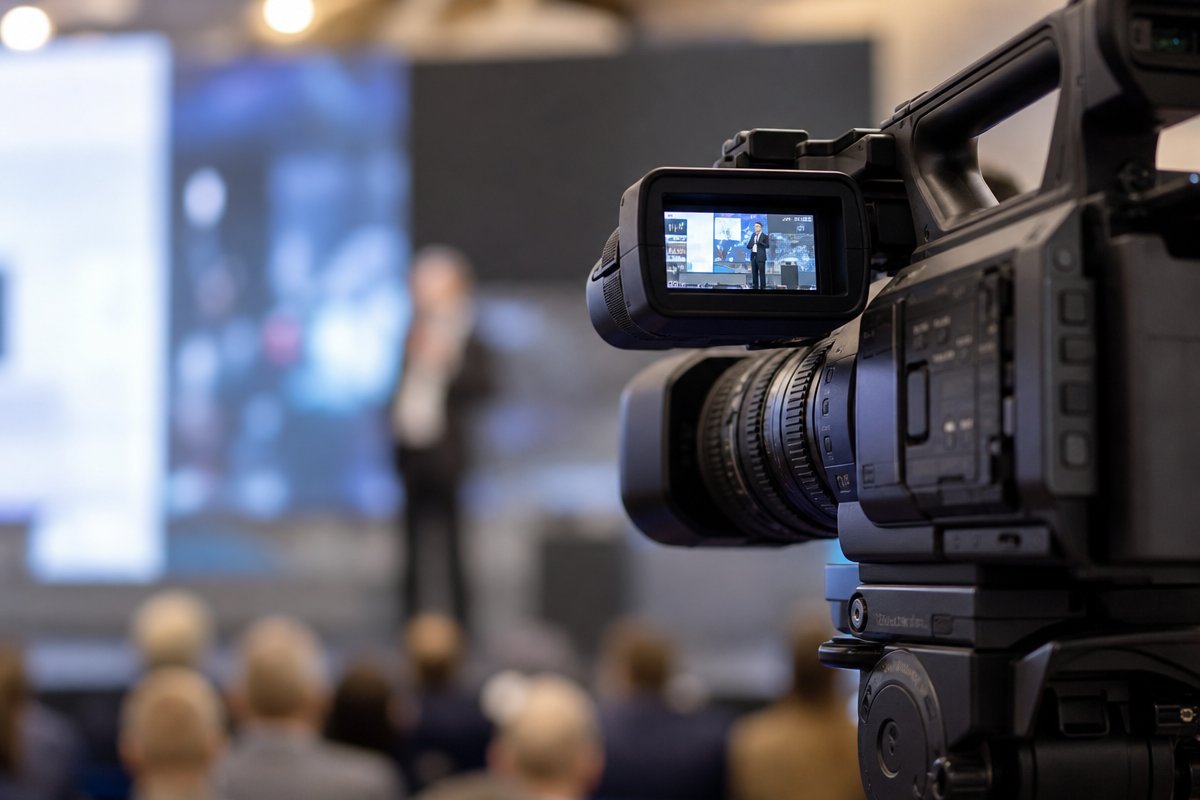
You have a gala, a policy summit, a product launch, or a high-stakes town hall coming up in the nation’s capital — and hundreds (maybe thousands) of remote attendees are counting on a flawless stream. The wrong provider means buffering, audio drops, and an audience that quietly closes the tab. According to a 2025 Grandview Research report, the global live-streaming market is projected to reach $247 billion by 2027, growing at over 20% annually. Organizations in Washington DC are riding that wave — but only the ones who pick the right live event streaming services in Washington DC actually see a return on the investment.
This guide is not a generic checklist. It is a comparison framework designed to help DC-based organizations — nonprofits, government agencies, corporate teams, and associations — evaluate streaming providers by what actually matters: technical capabilities, platform compatibility, event-type expertise, and post-event value.
Why Washington DC Is a Unique Market for Live Streaming
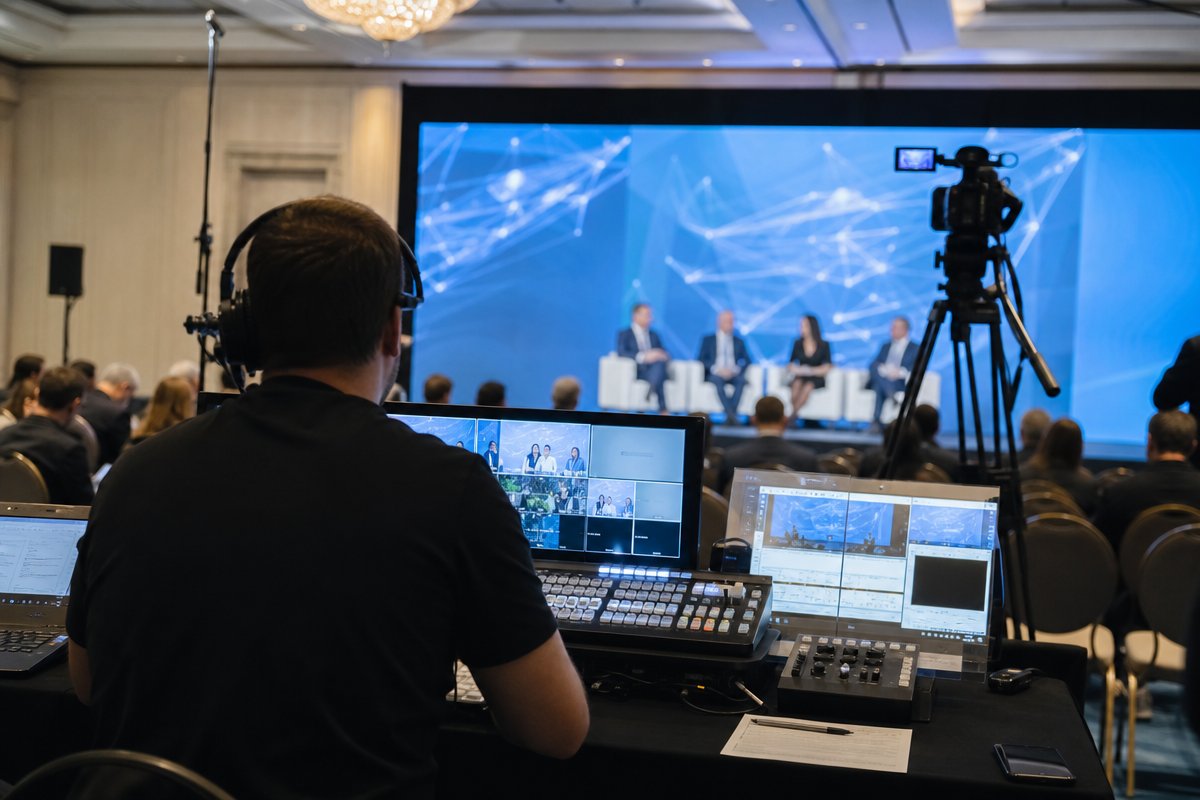
DC is not LA or New York. The events here carry a different weight and come with a different set of requirements. Understanding the local landscape is the first step in choosing the right provider.
High-Stakes Audiences and Compliance Demands
Federal agencies need Section 508 accessibility compliance. Nonprofits stream to donors and legislators who expect polished, professional broadcasts. Advocacy organizations need multi-language captioning and rapid turnaround clips for social media. A provider who primarily shoots weddings in the suburbs is not equipped for this environment.
Venue Diversity Across the District
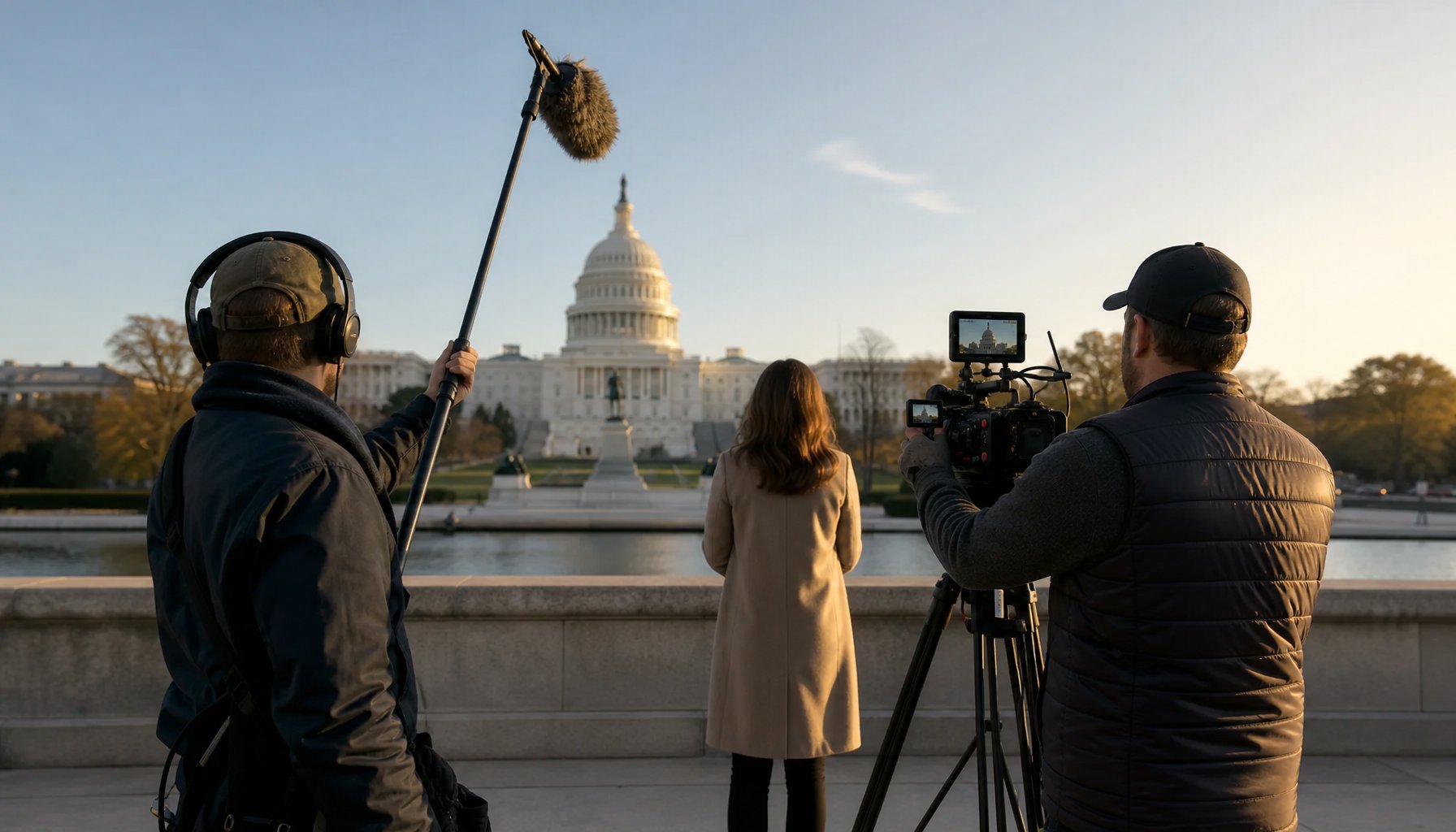
From the Ronald Reagan Building to boutique hotel ballrooms in Georgetown, from the Walter E. Washington Convention Center to rooftop terraces in Navy Yard — DC venues vary wildly in size, internet infrastructure, and AV readiness. Your streaming partner needs to have a track record of adapting to these spaces, not just plugging in a camera and hoping the venue Wi-Fi holds up.
Hybrid Is the New Standard
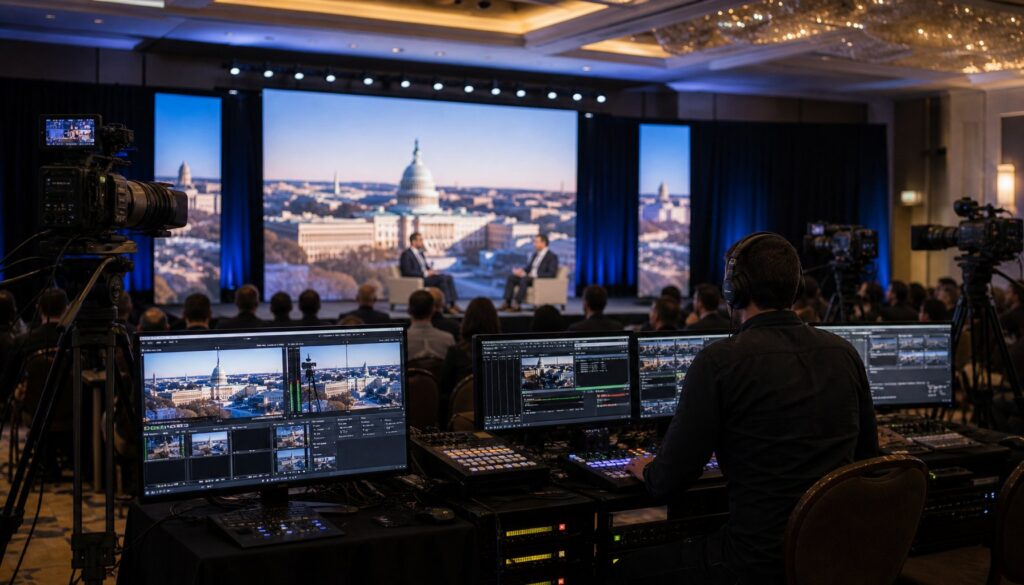
Post-pandemic DC did not go back to in-person-only events. The hybrid model — where part of the audience is in the room and part is remote — is now the default for conferences, panels, and fundraising events. That means your streaming provider needs to understand both live production and digital delivery simultaneously.
Live Event Streaming Services in Washington DC: What Capabilities to Compare
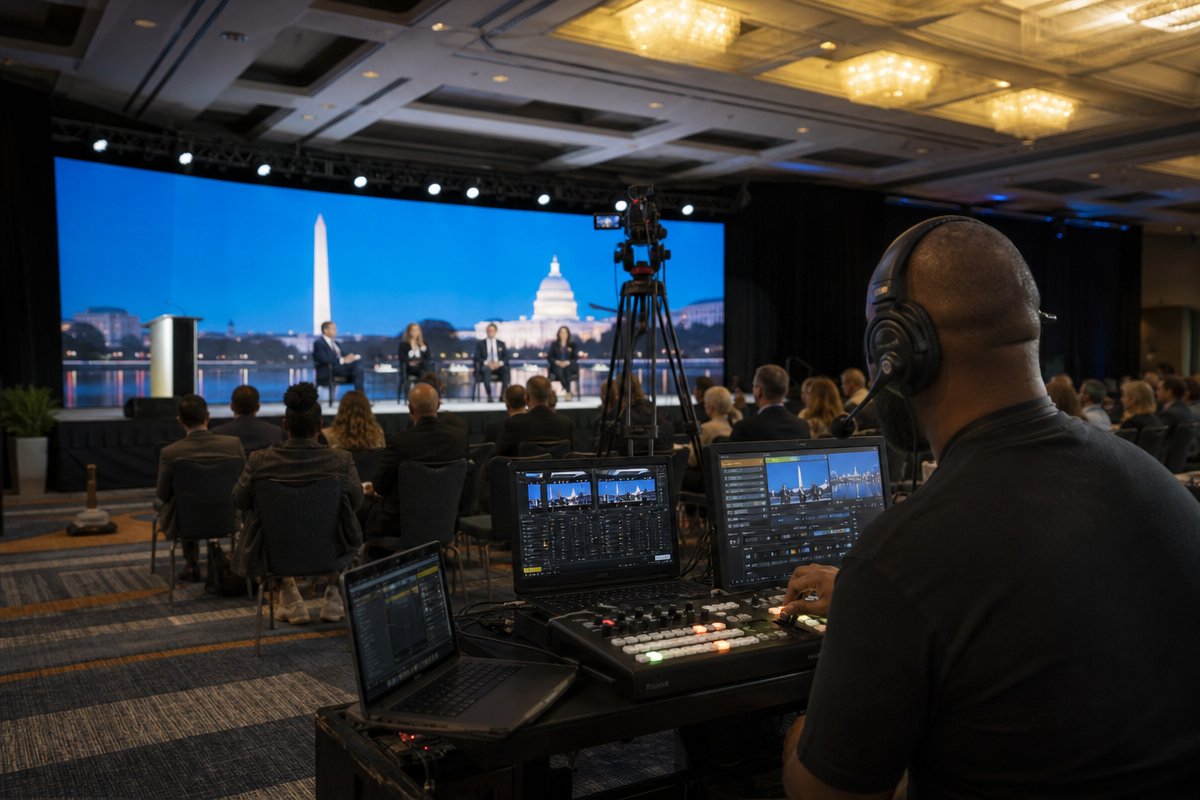
Not all providers offer the same depth of service. Here is a breakdown of the core capabilities you should be evaluating side by side.
1. Multi-Camera Production Quality
A single static camera is not live event production — it is surveillance footage with better lighting. Look for providers who offer:
- Three or more camera angles with a dedicated switching director
- Broadcast-quality cameras (not consumer DSLRs on tripods)
- Real-time graphics, lower thirds, and branded overlays
- Professional audio capture with backup feeds
The visual quality of your stream reflects directly on your organization. If your stream looks like a Zoom meeting, your audience will treat it like one.
2. Encoding and Redundancy
Ask every provider you evaluate: What happens if the primary internet connection drops mid-stream? The right answer involves bonded cellular, hardwired ethernet as a primary feed, and automatic failover encoding. If the provider cannot explain their redundancy plan in plain language, move on.
3. Platform Flexibility
Your audience might be on YouTube. Or your organization might require a gated platform like Vimeo OTT, Brightcove, or a custom-branded portal. Government clients may need streams pushed to internal networks or classified-adjacent environments. Evaluate providers based on which platforms they have actually delivered to — not just which ones they theoretically support.
4. Accessibility and Compliance
For any organization receiving federal funding or serving government stakeholders, ADA and Section 508 compliance is non-negotiable. That means:
- Real-time CART captioning (not auto-generated AI captions)
- ASL interpreter integration on screen
- Accessible player embeds that work with screen readers
5. Post-Event Content Repurposing
The stream itself is only the beginning. The best providers deliver post-event value: edited highlight reels, speaker clips for social media, full-length recordings with chapter markers, and downloadable assets your marketing team can use for months. If a provider’s job ends when the stream goes offline, you are leaving enormous value on the table.
Comparing Provider Types: Who Does What Best
In the DC market, live streaming providers generally fall into three categories. Understanding where each one excels (and where each one falls short) will save you time and budget.
AV Rental Companies That Offer Streaming as an Add-On
Best for: Simple, single-platform streams at well-equipped venues.
Limitations: Streaming is not their core competency. They excel at in-room sound and lighting but often treat the remote audience as an afterthought. Graphics, branding, and post-event content are usually minimal or nonexistent.
Freelance Videographers and Small Crews
Best for: Small-scale streams with tight budgets — internal meetings, small webinars, or casual panel discussions.
Limitations: Limited redundancy, limited equipment inventory, and usually no in-house post-production. If something goes wrong mid-event, there is no backup team to call.
Full-Service Video Production Studios with Streaming Expertise
Best for: High-stakes events, hybrid productions, multi-camera broadcasts, and any event where the stream needs to match the quality of a television broadcast.
Strengths: These providers own professional equipment, employ dedicated switching directors and audio engineers, and handle everything from pre-production planning to post-event content delivery. They understand branding, storytelling, and how to keep a remote audience engaged — not just connected.
For organizations in Washington DC that cannot afford a failed stream — whether it is a congressional briefing, a national nonprofit fundraiser, or a corporate product reveal — a full-service studio is the safest and most strategic investment.
Questions to Ask Every Provider Before You Sign
Before you request a proposal, use this checklist to qualify any streaming provider you are considering in the DC area:
- Can you show me examples of similar events you have streamed? — Ask for case studies or recordings, not just a client list.
- What is your redundancy plan for internet and equipment failure? — If they hesitate, that is your answer.
- Do you handle pre-production meetings and run-of-show planning? — Professional providers build a detailed technical plan weeks before the event.
- What platforms have you actually streamed to, and can you support simultaneous multi-platform delivery? — Simulcasting to YouTube, LinkedIn, and a private portal requires specific encoding workflows.
- What do I receive after the event? — Full recordings, edited highlights, and social-ready clips should be part of the package.
- Do you provide on-site technical support and a dedicated project manager? — You should never be troubleshooting your own stream on event day.
Frequently Asked Questions
How much do live event streaming services cost in Washington DC?
Pricing varies significantly based on the scope. A basic single-camera stream with minimal graphics might start around $2,000–$4,000. A full multi-camera hybrid production with branded overlays, real-time captioning, and post-event editing typically ranges from $8,000 to $25,000 or more. The key variables are crew size, number of cameras, streaming platform requirements, event duration, and post-production deliverables. Always request an itemized quote so you can compare providers accurately.
What internet speed do I need at my DC venue for a reliable live stream?
For a high-quality 1080p stream, you need a minimum dedicated upload speed of 10 Mbps — but 20 Mbps or higher is strongly recommended, especially if you are simulcasting to multiple platforms. Critically, this must be a dedicated line, not shared Wi-Fi. Professional streaming providers bring bonded cellular units as backup, which combine multiple 4G/5G signals to create a reliable failover connection. Always do a site survey and speed test at least two weeks before the event.
Can I stream to multiple platforms at the same time?
Yes. Simulcasting — streaming simultaneously to YouTube, Facebook, LinkedIn, a custom website embed, and/or a gated platform — is standard practice for experienced providers. It requires specific encoding hardware or software that can push multiple RTMP streams at once. Not all providers have this capability built into their workflow, so ask specifically and request proof of past simulcast events.
What is the difference between live streaming and virtual production?
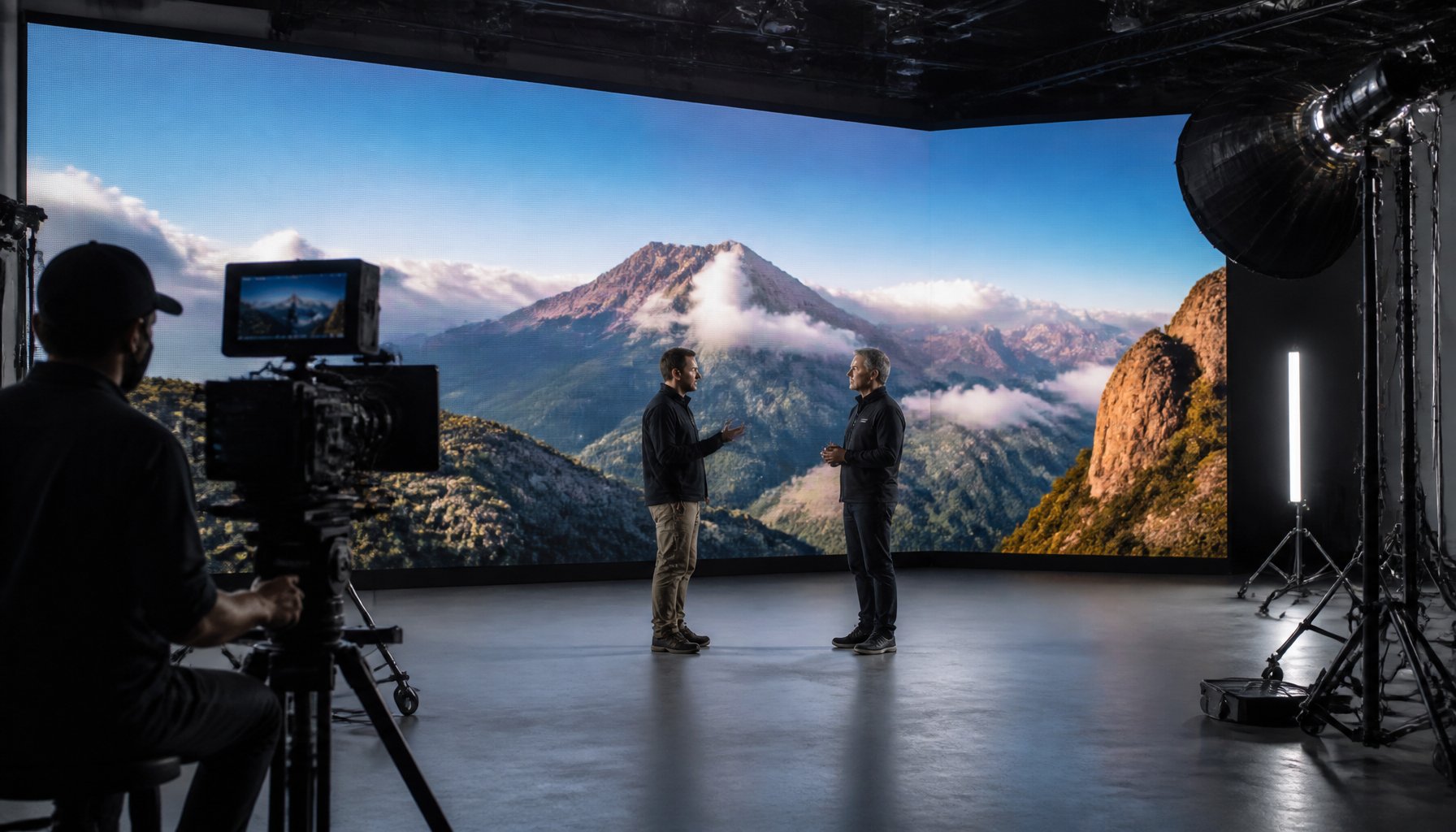
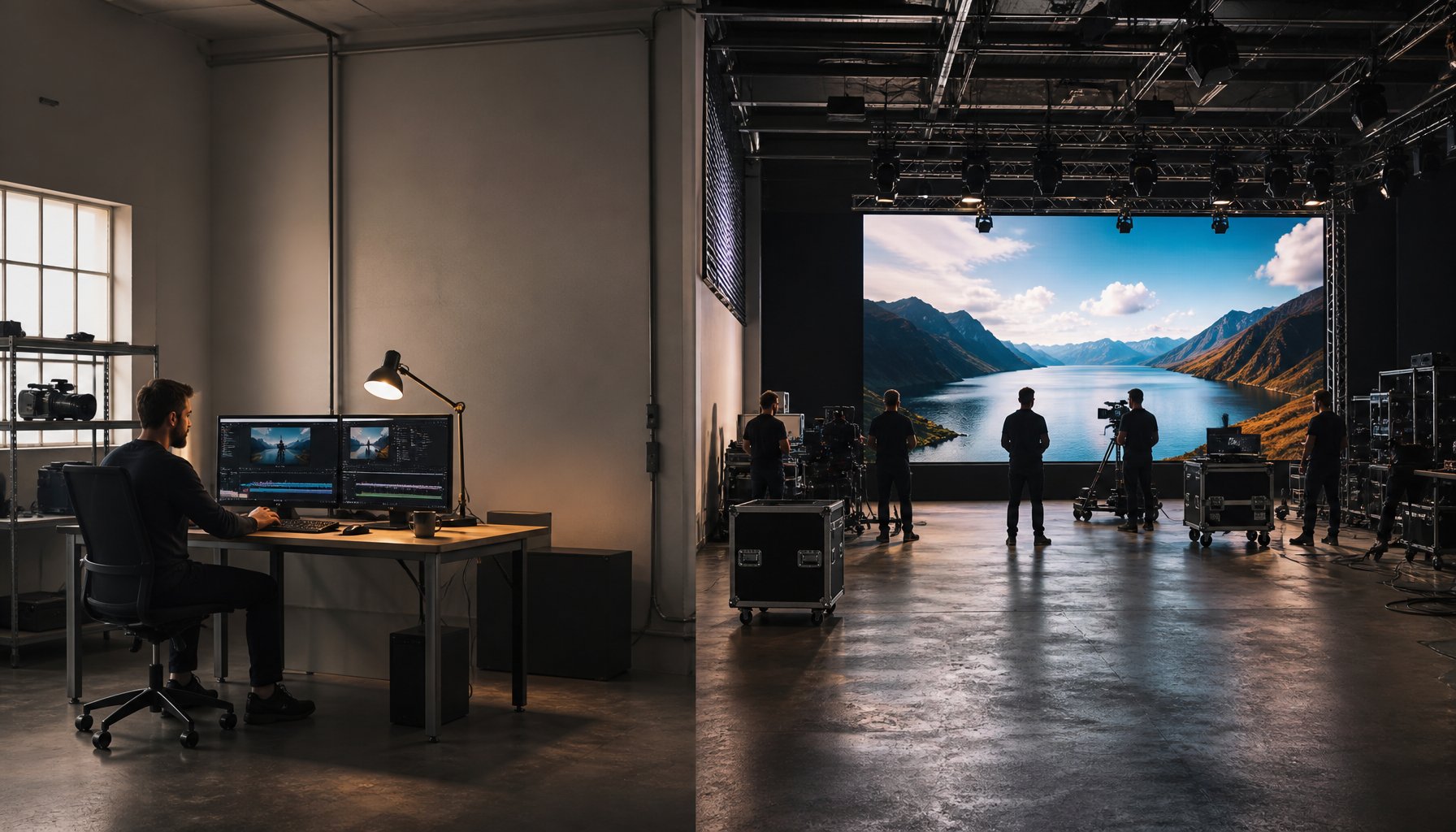
Live streaming delivers a real-time video feed of an event to a remote audience. Virtual production uses LED wall technology and real-time rendering to create immersive environments for on-camera content — think broadcast-quality backdrops without a green screen. Some advanced studios offer both, which is ideal for hybrid events where in-studio speakers need to appear in dynamic, branded environments while the event simultaneously streams to thousands of viewers.
How far in advance should I book a live streaming provider in DC?
For large-scale events, book at least six to eight weeks in advance. DC’s event calendar is dense — especially during congressional sessions, association conference season (spring and fall), and end-of-fiscal-year government events. For simpler streams, three to four weeks may suffice, but earlier booking ensures you get your preferred crew and the time needed for proper pre-production planning.
Do I need a separate video production team and a streaming team?
Not if you choose the right provider. Full-service video production companies that specialize in live streaming handle both under one roof — camera operation, audio, switching, graphics, encoding, and delivery. This eliminates the coordination headaches and finger-pointing that happen when you hire separate vendors for production and streaming.
Choose a Partner, Not Just a Vendor
The difference between a forgettable stream and a broadcast-quality experience comes down to the team behind it. In a city like Washington DC — where every event carries reputational weight and your audience includes decision-makers, donors, and stakeholders — you cannot afford to treat live streaming as an afterthought or a line item.
The right provider will function as a strategic partner: planning your run-of-show, managing the technical execution, and delivering polished content long after the event ends.
TriVision Studios provides professional live streaming services for organizations across Washington DC, Northern Virginia, and Maryland. With multi-camera production capabilities, full hybrid event support, and a team trusted by government agencies, nonprofits, and leading brands, TriVision delivers the broadcast-quality streaming experience your event demands. Get in touch today to start planning your next live event.