You’ve been told you need video. Leadership is on board, the budget is allocated, and now you’re searching for a partner who can handle everything — but what does full service video production in Washington DC actually include? The term gets thrown around constantly, yet few producers break down what it means in practice. According to Wyzowl’s 2026 State of Video Marketing report, 91% of businesses use video as a marketing tool, and organizations that work with a single full-service partner report faster turnaround times and stronger brand consistency than those juggling multiple freelancers. If you’re a brand, agency, nonprofit, or government team in the DC metro area, understanding every phase of the production pipeline will help you hire smarter, budget more accurately, and get a final product that actually moves the needle.
What ‘Full Service’ Really Means in Video Production
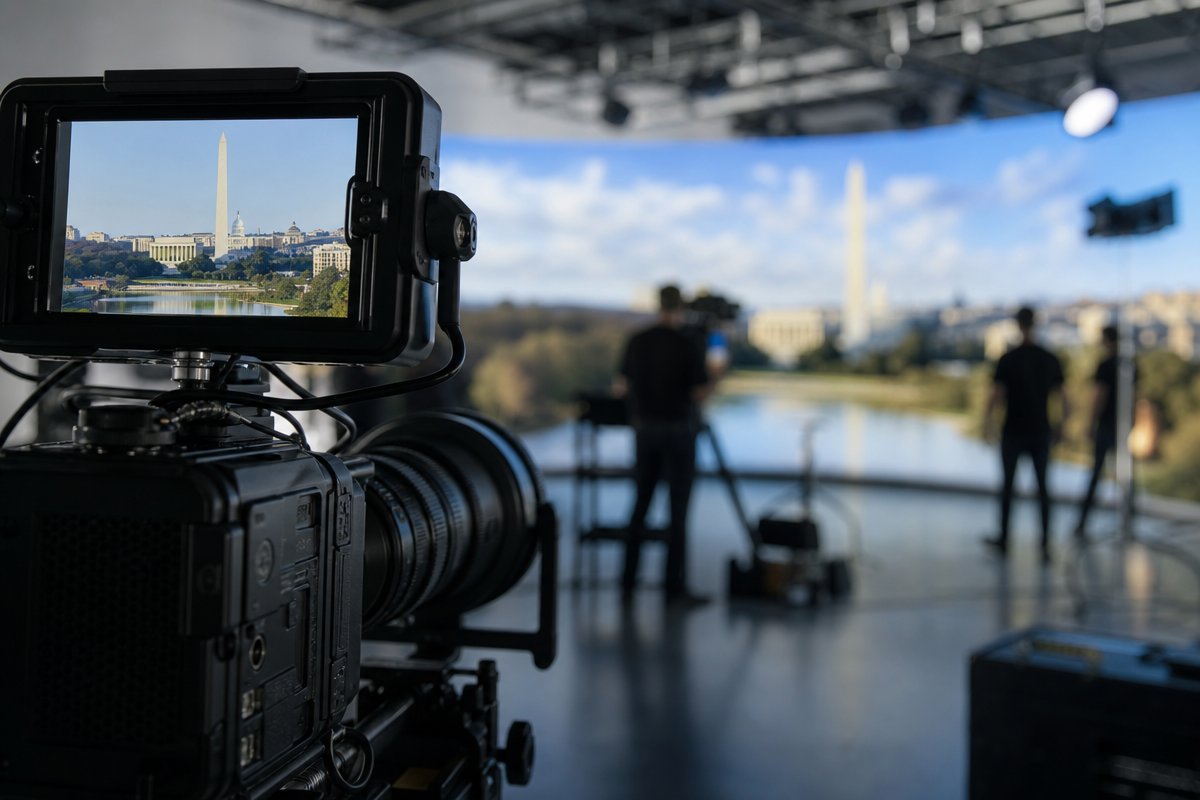
A full-service video production company handles every stage of creating a video — from the first brainstorm to the moment the finished file lands in your inbox (or on your audience’s screen). Instead of hiring a separate strategist, scriptwriter, crew, editor, and animator, you work with one team that owns the entire workflow.
For organizations in Washington DC, this matters more than most cities. The stakes are high — whether you’re producing content for a federal agency, a national nonprofit, or a Fortune 500 headquarters. Timelines are tight, approval chains are long, and messaging has to be airtight. A true full-service partner removes the friction of coordinating multiple vendors and keeps your project moving on a single, accountable track.
Here’s a clear breakdown of what each phase involves so you know exactly what you’re paying for.
Phase 1: Discovery and Creative Strategy
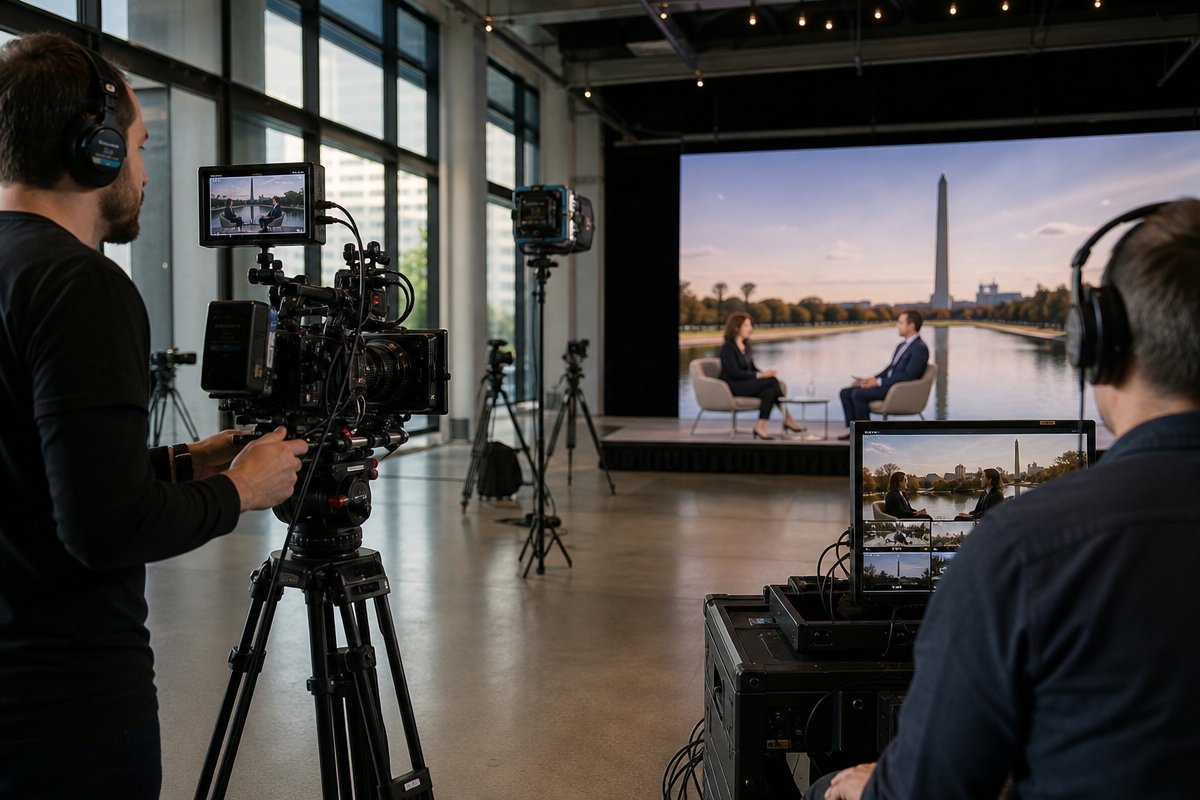
Every professional production begins long before a camera rolls. This first phase is where the strategic foundation is set, and it’s often the difference between a video that performs and one that simply exists.
Stakeholder Alignment
Your production partner should start by understanding your organization — its mission, audience, brand voice, and objectives. At TriVision Studios, this typically involves a kickoff call with key stakeholders to align on goals, distribution channels, and success metrics.
Creative Brief Development
From that conversation, the team builds a creative brief that documents:
- Project objectives — What should the viewer do, feel, or understand after watching?
- Target audience — Demographics, psychographics, and where they consume content
- Key messages — The two or three things the video must communicate
- Tone and style — Cinematic, documentary, corporate, energetic, conversational
- Distribution plan — Social media, website embed, internal training platform, broadcast
- Timeline and budget parameters
This document becomes the north star for every decision that follows. Skipping it — or rushing through it — is the most common reason video projects go off the rails.
Competitive and Audience Research
A strong full-service team also looks at what’s already out there. What are your competitors publishing? What’s resonating with your audience? This research informs creative direction and ensures your video stands apart rather than blending into the noise.
Phase 2: Pre-Production — Scripting, Planning, and Logistics
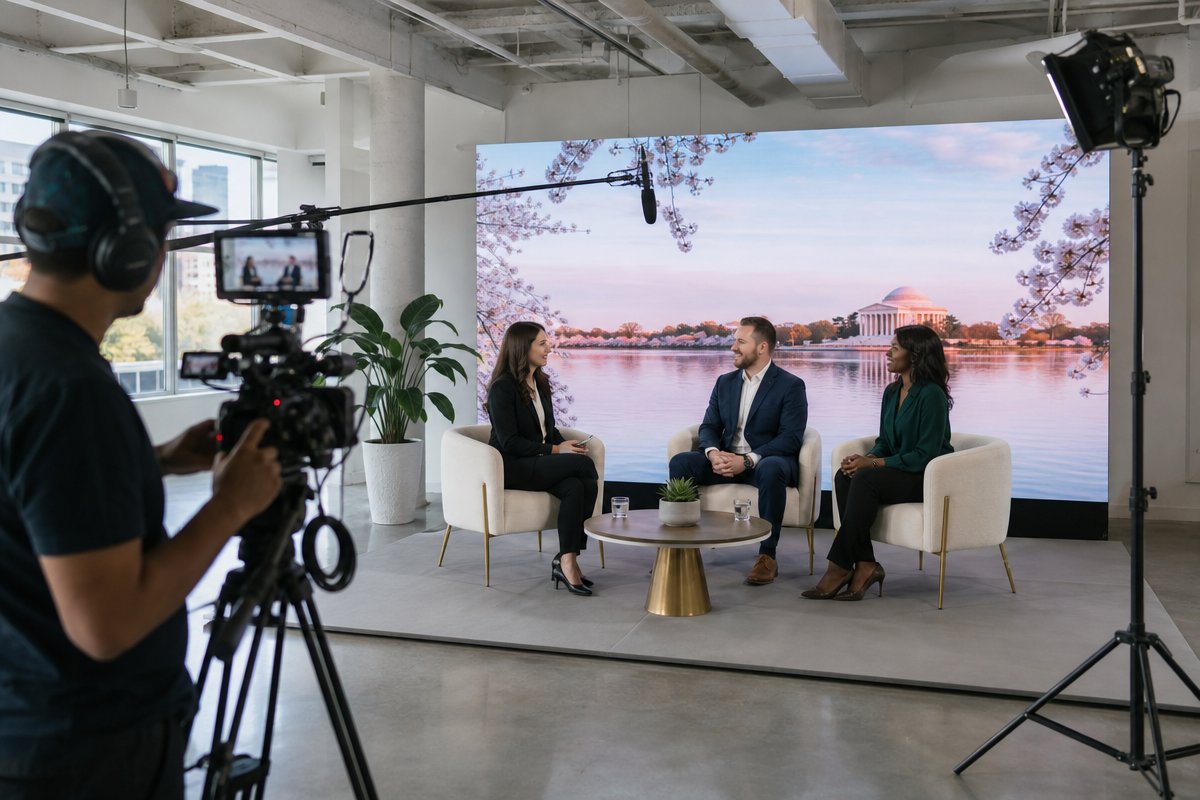
Pre-production is where ideas become executable plans. This phase is labor-intensive, detail-oriented, and absolutely critical.
Scriptwriting and Storyboarding
Whether your video is a 60-second social ad or a 20-minute documentary, it needs a script. Full-service teams write, revise, and refine scripts in collaboration with your stakeholders. For narrative or animated pieces, storyboards visualize each scene so everyone agrees on the look and feel before production day.
Casting and Talent Coordination
Need on-camera talent, a voiceover artist, or real employees to appear in the video? Pre-production includes casting, scheduling, and preparing anyone who will be on screen. In DC, this often involves coordinating with spokespeople, subject-matter experts, or executives whose calendars are packed — so early planning is essential.
Location Scouting and Permits
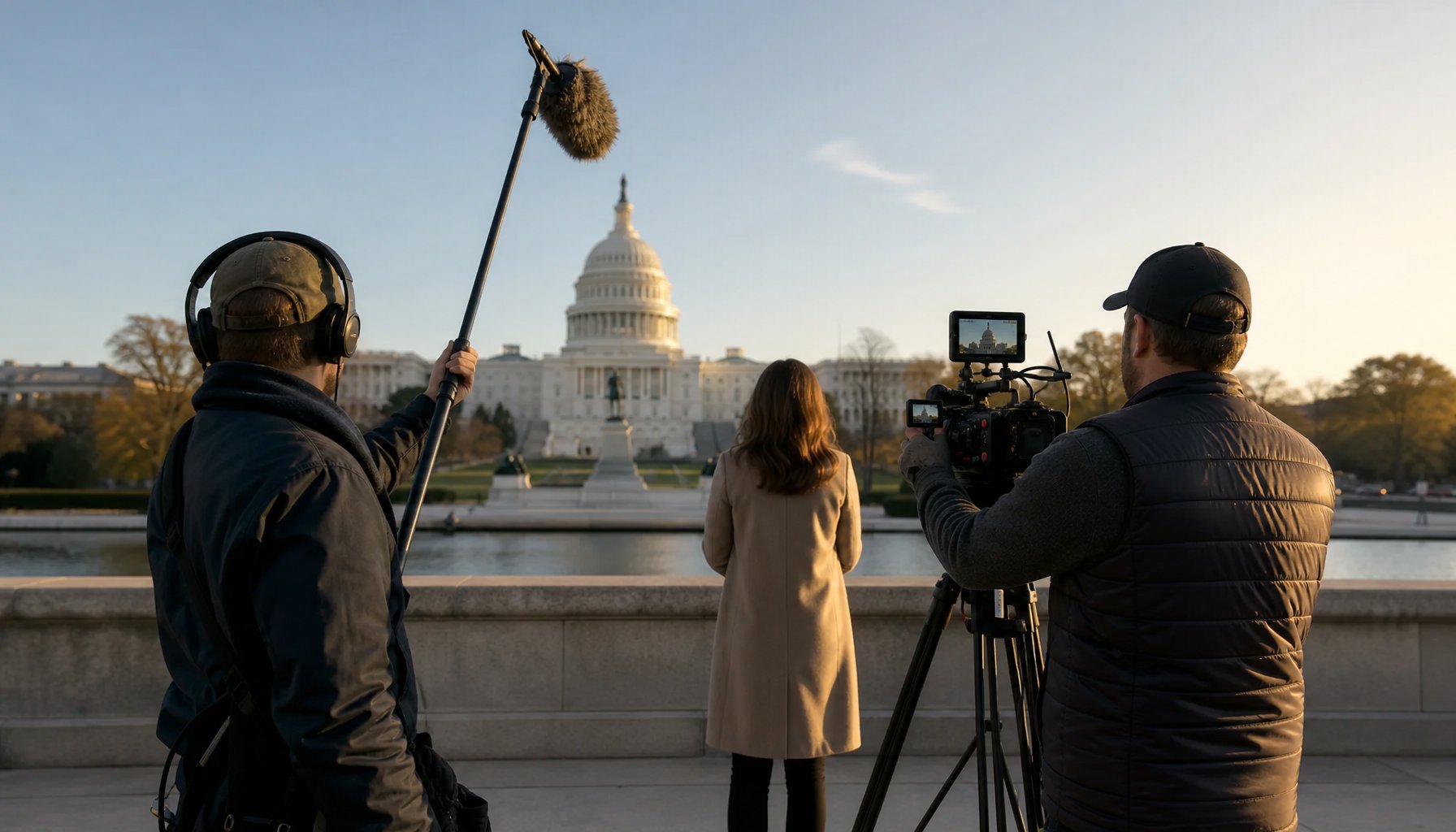
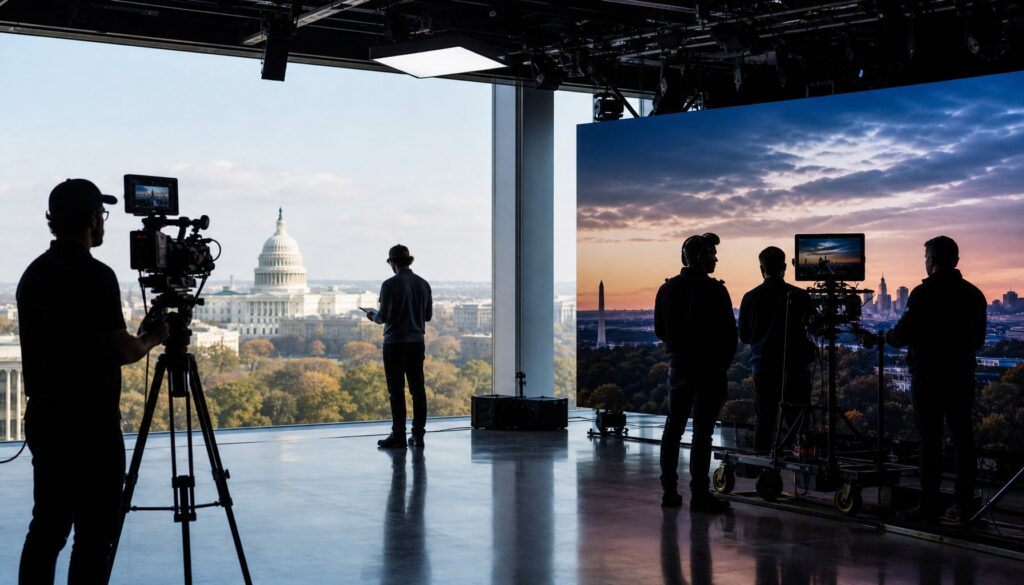
Washington DC is a unique filming environment. Shooting near federal buildings, monuments, or on government property requires permits, advance coordination, and sometimes security clearances. A local full-service company already knows the permitting landscape — which jurisdictions require what paperwork, how long approvals take, and which locations deliver the best production value. Alternatively, a professional studio production environment eliminates many of these variables entirely.
Production Planning
This includes creating a detailed shoot schedule, equipment list, crew assignments, and a logistics plan covering everything from parking to catering. The goal is to ensure that production day runs with zero surprises.
Phase 3: Production — The Shoot Day
This is the phase most people picture when they think of video production: cameras, lights, action. But a professional shoot is far more orchestrated than it appears.
Professional Crew
A full-service production company brings a complete crew tailored to the project’s complexity. A typical setup might include:
- Director — Oversees the creative vision and on-set decision-making
- Director of Photography (DP) — Controls camera work, lensing, and visual composition
- Camera operators — Run additional cameras for multi-angle coverage
- Gaffer and lighting technicians — Design and rig the lighting setup
- Sound engineer — Manages audio capture, lavalier mics, boom operation
- Producer or production manager — Keeps the schedule on track and handles logistics in real time
- Teleprompter operator — Supports on-camera talent who need scripted delivery
Professional Equipment
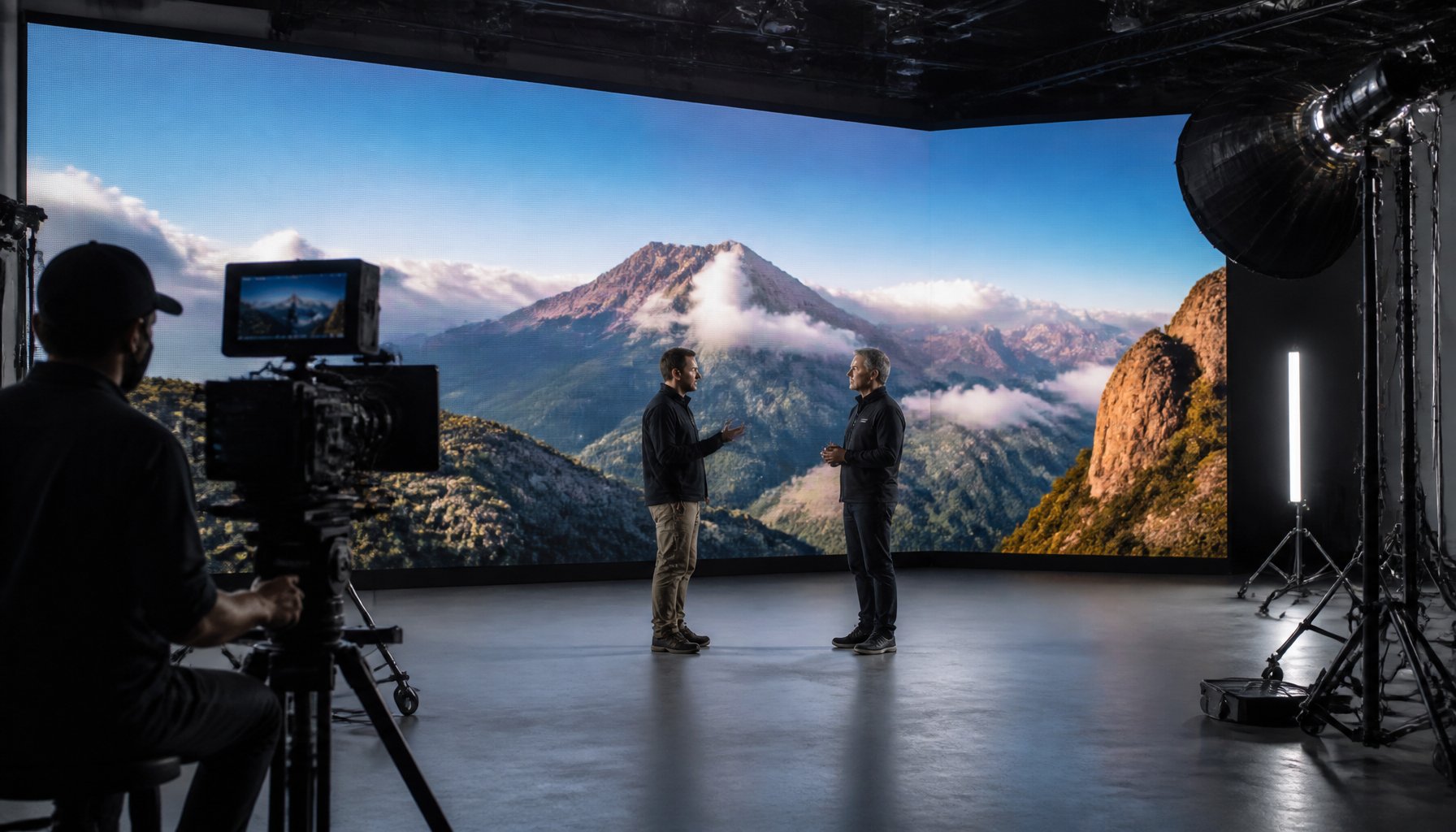
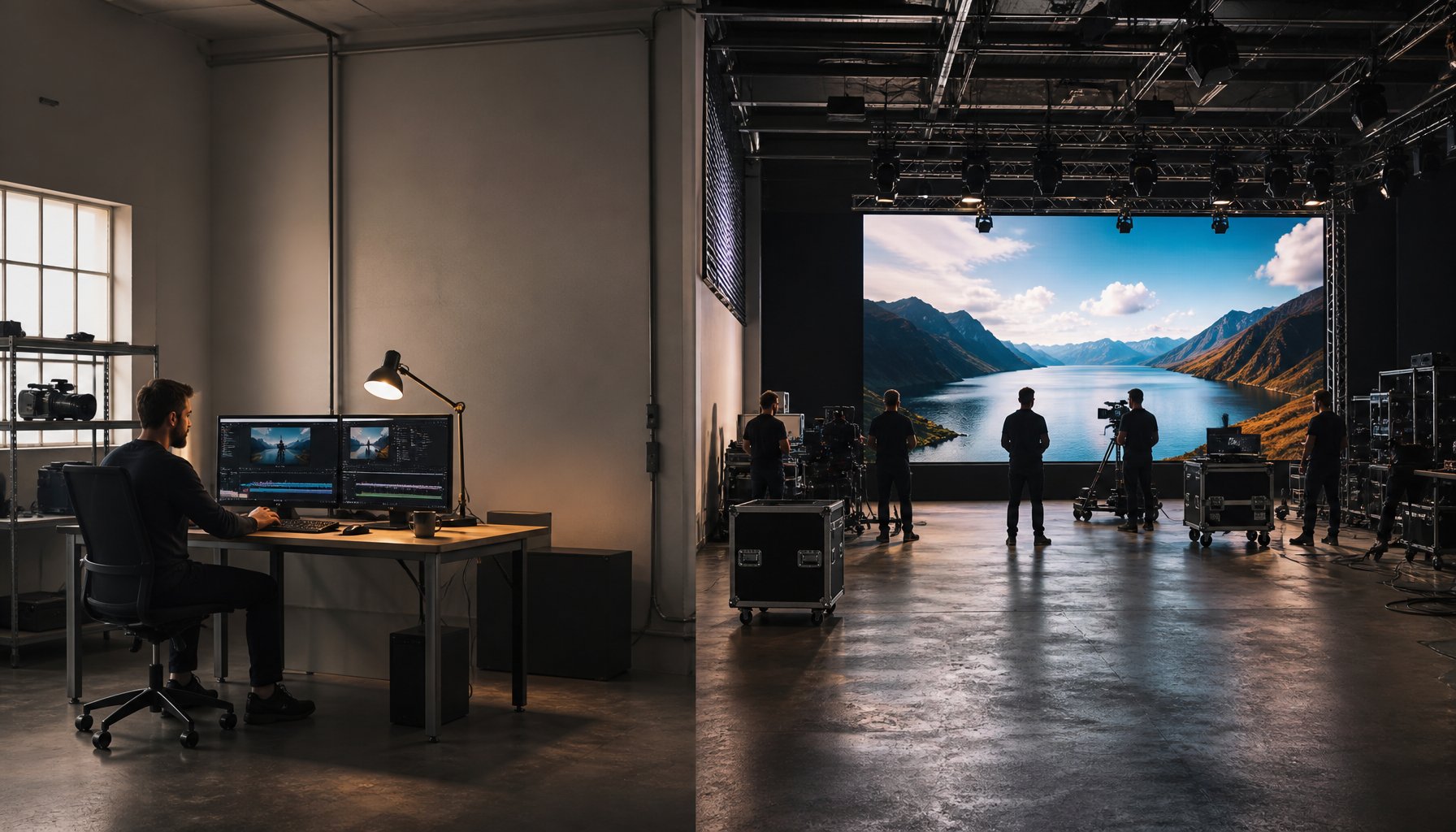
Full-service means showing up with cinema-grade gear — not consumer cameras and kit lenses. Expect professional cinema cameras, precision lenses, professional audio recording equipment, lighting rigs, dollies or gimbals for smooth motion, and monitors for on-set review. For projects requiring advanced visual environments, technologies like LED volume walls allow virtual production techniques that would otherwise require expensive location shoots.
On-Set Direction and Quality Control
The director and producer review every take in real time, ensuring performances are strong, framing is correct, audio is clean, and the creative brief is being honored. This on-set quality control prevents costly reshoots.
Phase 4: Post-Production — Editing, Graphics, and Sound Design
Post-production is where raw footage becomes a polished, professional video. This phase often takes longer than production itself, and it’s where a full-service company adds enormous value.
Video Editing
Editors assemble the best takes, build narrative structure, pace the story, and create a rough cut for your review. Most projects go through two to three rounds of revisions, with stakeholder feedback incorporated at each stage.
Color Grading
Professional colorists adjust the footage to create a consistent, cinematic look that aligns with your brand. Color grading transforms flat, raw footage into visually rich content that feels intentional and polished.
Motion Graphics and Animation
Lower thirds, title cards, data visualizations, logo animations, and full animated sequences are designed and integrated during post-production. For organizations in DC — especially those in government, healthcare, or finance — animated explainers and infographic-style graphics are often essential for communicating complex information clearly.
Sound Design and Music
Audio is half the viewing experience. Full-service post-production includes professional audio mixing, noise reduction, sound effects where appropriate, and licensed music selection. Voiceover recording and integration also fall into this phase.
Captioning and Accessibility
ADA compliance and accessibility aren’t optional — especially for government and nonprofit organizations. Closed captions, subtitles, and audio descriptions are included in a complete post-production workflow.
Phase 5: Delivery and Distribution Support
A truly full-service partner doesn’t hand you a file and disappear. The final phase ensures your video actually reaches your audience.
Format Optimization
Different platforms require different specs. Your team should deliver exports optimized for:
- Website embedding (compressed for fast load times)
- YouTube and Vimeo (full resolution with proper metadata)
- Social media platforms — Instagram, LinkedIn, Facebook, X — each with unique aspect ratios and length requirements
- Broadcast (if applicable, meeting specific technical standards)
- Internal platforms like SharePoint, LMS systems, or intranets
Versioning and Cutdowns
One shoot can yield multiple deliverables. A full-service company creates cutdown versions — 60-second, 30-second, and 15-second edits — along with vertical formats for social and thumbnail images for promotion. This maximizes your return on the production investment.
Distribution Guidance
Where and how you publish matters. Experienced producers advise on upload strategies, SEO metadata for video platforms, paid promotion approaches, and embedding best practices to ensure your content performs once it’s live.
Frequently Asked Questions
How long does a full service video production project take in Washington DC?
Timelines vary based on complexity. A straightforward corporate interview video might move from kickoff to delivery in three to four weeks. A multi-location documentary or large-scale commercial can take eight to twelve weeks. The biggest variables are stakeholder availability, approval cycles, and the complexity of post-production elements like animation or motion graphics. Planning early and keeping feedback loops tight are the best ways to stay on schedule.
What’s the difference between full service production and hiring a freelance videographer?
A freelance videographer typically handles camera operation and basic editing. A full-service production company manages every phase — strategy, scripting, crew coordination, professional lighting and audio, advanced editing, motion graphics, color grading, sound design, and delivery. For organizations in DC where brand reputation and message precision matter, the difference in quality and strategic value is significant. You also get a single point of accountability instead of managing multiple contractors.
How much does full service video production cost in the DC area?
Costs depend on the scope. A single-day shoot with a professional crew and standard post-production might range from $10,000 to $25,000. Larger projects — multi-day shoots, animation-heavy content, or campaigns with multiple deliverables — can range from $25,000 to $75,000 or more. The key is to define your objectives and deliverables clearly during the discovery phase so your production partner can provide an accurate, transparent estimate.
Can a full service company handle projects for government agencies with specific compliance requirements?
Yes. Companies experienced in the DC market — like TriVision Studios — are accustomed to working within federal guidelines, Section 508 accessibility requirements, security protocols, and multi-layer approval processes. This experience eliminates the learning curve that a non-local or less experienced vendor would face.
What should I prepare before contacting a full service video production company?
Having a few key details ready will make your initial conversation more productive: your project objectives, target audience, desired timeline, approximate budget range, and any brand guidelines or past video examples you’d like to reference. You don’t need a fully formed concept — that’s part of what the production company helps you develop.
Do I own the final video content?
In most professional arrangements, yes — the client owns the final deliverables. However, it’s important to clarify ownership of raw footage, music licenses, and talent usage rights in your contract. A reputable full-service company will be transparent about these details upfront.
Why the Right Partner in DC Makes the Difference
Choosing a full service video production partner in Washington DC isn’t just about finding someone with good cameras. It’s about finding a team that understands your audience, your industry, and the unique dynamics of producing content in the nation’s capital — from navigating permits near the National Mall to managing stakeholder approvals across complex organizations.
TriVision Studios has spent years delivering full-service video production for brands, government agencies, nonprofits, and corporations across Washington DC, Northern Virginia, and Maryland. From first concept to final delivery, every phase is handled under one roof — giving you a single team, a clear process, and a final product built to perform.
If you’re ready to start a project, reach out to TriVision Studios to schedule a discovery call and see exactly how full-service production works from the inside out.