Why Federal Agency Video Production Services Require a Different Approach
If you are a contracting officer or program manager tasked with procuring video content for a federal agency, you already know the process is nothing like hiring a videographer for a private event. Between FAR compliance, Section 508 accessibility requirements, and the unique security protocols that govern federal facilities, scoping a video production project demands specialized knowledge. According to the Government Accountability Office, federal agencies spent over $1.5 billion on communications and media services in recent fiscal years, yet many program managers report difficulty finding vendors who truly understand the government procurement landscape.
This buyer’s guide is designed to help you navigate every phase of the process, from defining your project scope to evaluating proposals and managing deliverables. Whether you are based in Washington DC, Northern Virginia, or the greater Baltimore-Maryland corridor, understanding how to partner with the right production company will save your agency time, budget, and headaches.
Defining Your Project Scope Before You Write the SOW
The single biggest mistake federal buyers make is issuing a statement of work before fully understanding what they need. Video production is not a commodity; the scope drives everything from timeline to cost. Before you draft your SOW or PWS, answer these foundational questions.
Identify the Communication Objective
Every federal video project should tie directly to a measurable communication goal. Common objectives include:
- Training and compliance: Onboarding videos, safety protocols, annual compliance training modules
- Public awareness and PSAs: Campaign-driven content for public health, safety, or civic engagement
- Internal communications: Leadership messages, town halls, change management updates
- Congressional or stakeholder briefings: Highlight reels, program overviews, testimony support materials
- Recruitment and employer branding: Attracting top talent to federal service
Clarifying your objective upfront helps vendors provide accurate proposals rather than generic estimates.
Determine Video Type and Format
Federal projects span a wide range of video formats. Your SOW should specify whether you need:
- Live-action documentary-style content
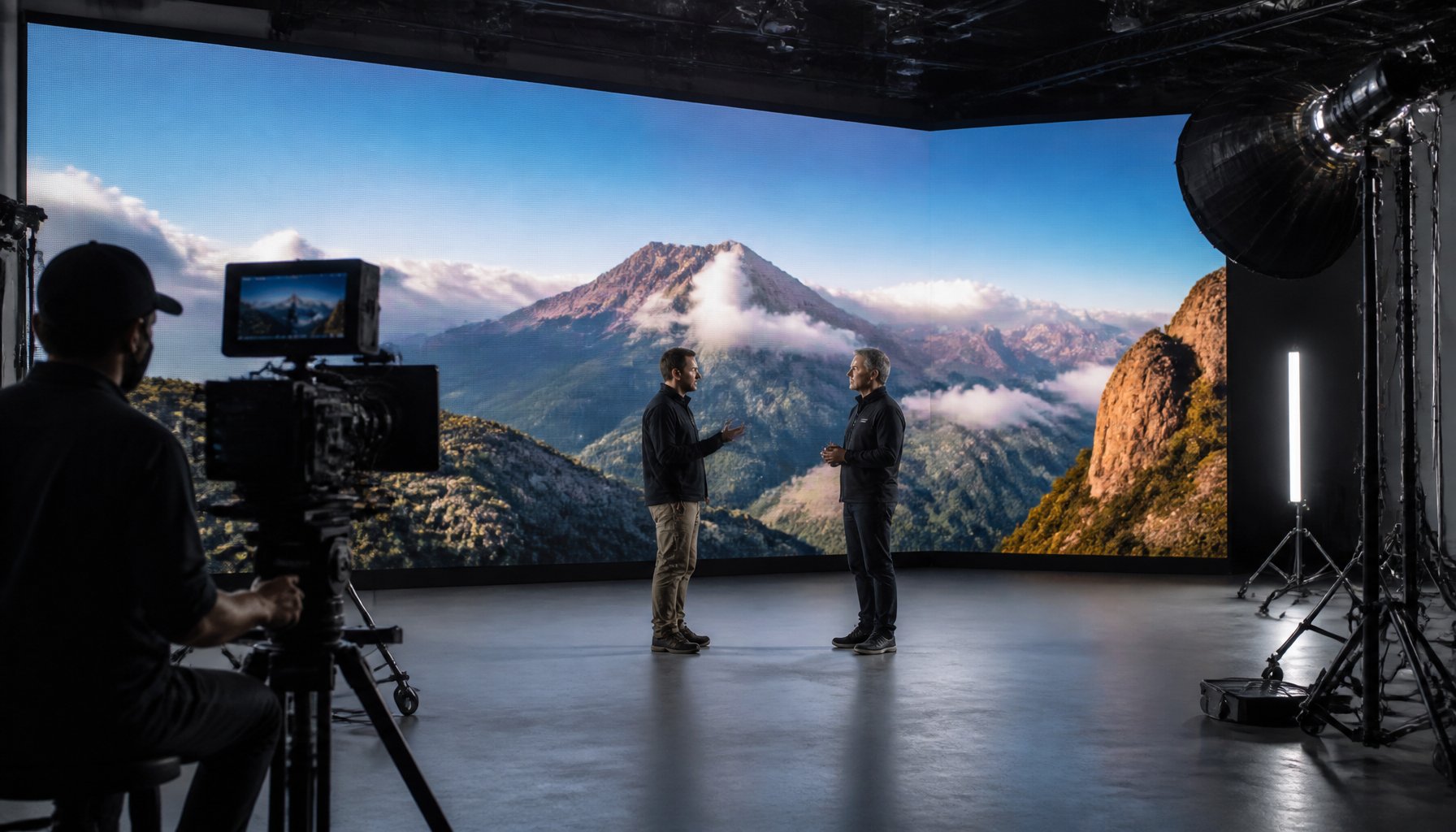
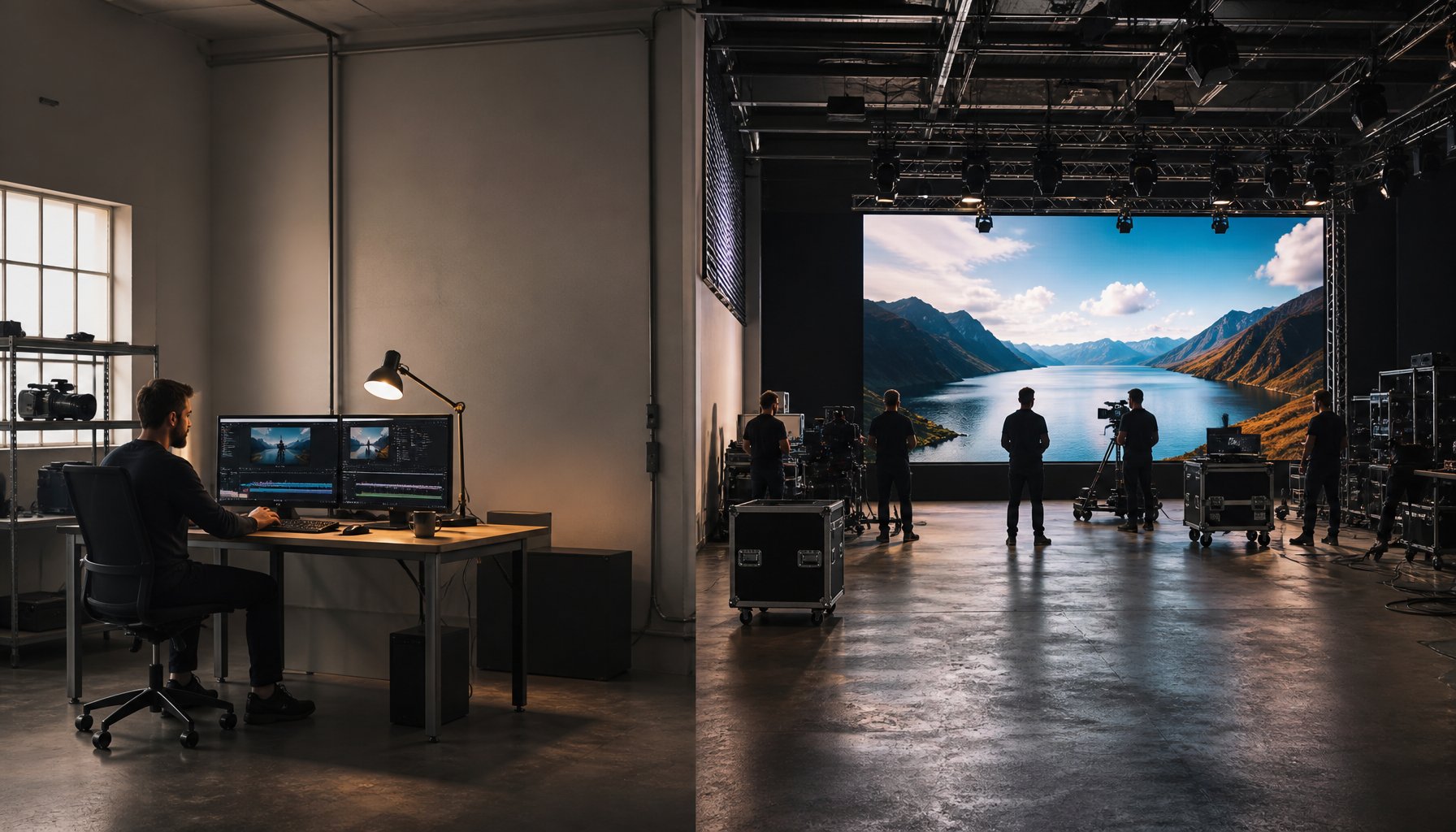
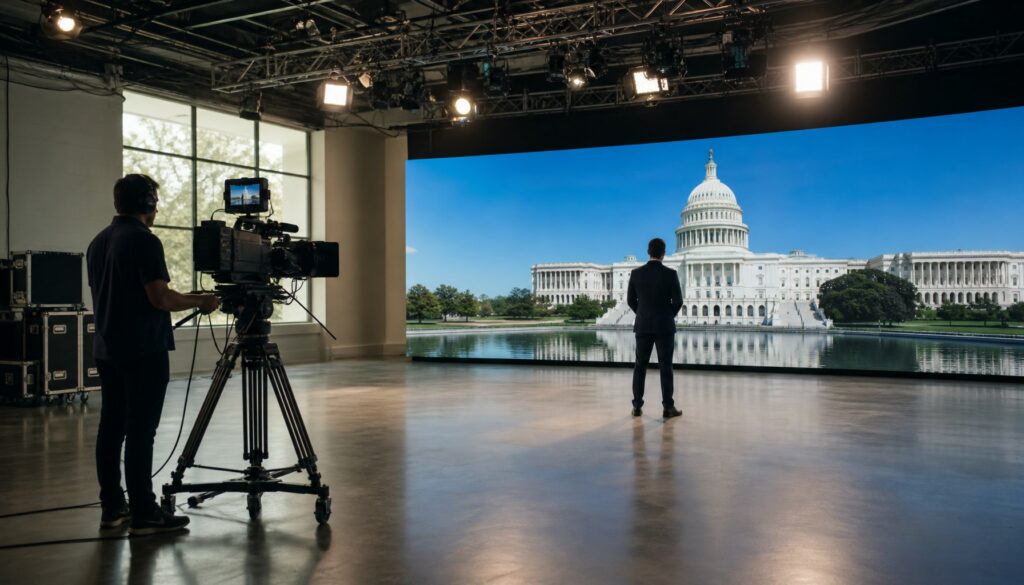
- Studio-based production with professional sets or LED wall virtual production environments
- Animation and motion graphics for data visualization or explainer content
- Event videography or live streaming for conferences, summits, or ceremonies
- A combination of formats within a single deliverable
Each format carries different production requirements, crew sizes, and post-production timelines. Being specific here prevents scope creep later.
Establish Distribution Channels Early
Where the video will be published affects how it is produced. Content destined for social media requires different aspect ratios and pacing than a video embedded in an internal LMS. If the video will appear on a public-facing .gov website, Section 508 compliance (closed captions, audio descriptions, accessible player) is non-negotiable. Identifying distribution channels upfront ensures your vendor delivers assets you can actually use.
Budgeting for Federal Agency Video Production Services
Budget conversations in the federal space are complicated by fiscal year constraints, color of money restrictions, and the need for defensible pricing. Here is how to approach budgeting realistically.
Understand the Cost Drivers
Video production costs are driven by several interconnected variables:
- Pre-production complexity: Scriptwriting, storyboarding, location scouting, talent casting, and interagency coordination all consume hours before a camera is ever turned on.
- Production crew and equipment: A two-person documentary crew costs significantly less than a full commercial production team with a director, DP, gaffer, sound mixer, and production assistants.
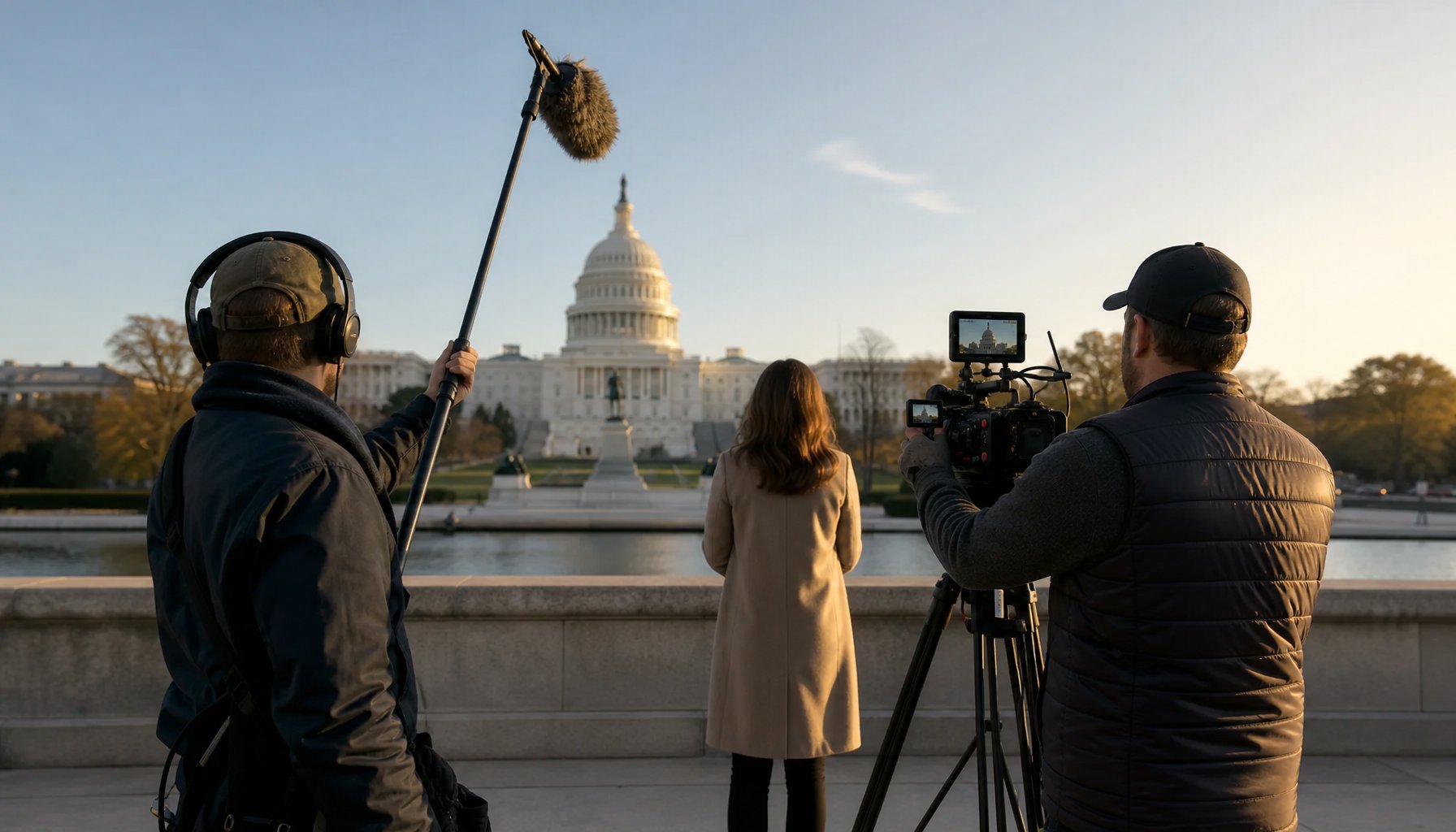
- Location and logistics: Filming inside a secure federal facility requires additional planning for credentials, escorts, and equipment screening. On-location shoots in Washington DC may involve permit fees and parking logistics that do not apply to studio-based production.
- Post-production depth: Basic editing differs greatly from projects requiring color grading, custom motion graphics, licensed music, voiceover recording, and multiple revision rounds.
- Deliverable volume: A single three-minute video is a fundamentally different project than a series of twelve training modules, even if total runtime is similar.
Typical Budget Ranges
While every project is unique, federal program managers can use these general ranges for planning purposes in the Washington DC metropolitan area:
- Simple interview or testimonial video (2-4 minutes): $5,000 to $15,000
- Corporate overview or recruitment video: $15,000 to $40,000
- Training video series (5-10 modules): $30,000 to $100,000+
- PSA or commercial-quality production: $25,000 to $75,000
- Documentary or long-form content: $40,000 to $150,000+
These ranges assume professional-grade production. Vendors significantly below these ranges may lack the experience, insurance, or security clearance familiarity required for federal work.
Build in Contingency for the Federal Environment
Federal projects are uniquely susceptible to delays caused by approval chains, security clearance timelines, and shifting agency priorities. Smart program managers build 10-15% contingency into their budgets and include flexible scheduling provisions in their contracts.
Evaluating Video Production Vendors for Federal Work
Not every production company is equipped to serve the federal government. Here is what to look for and what to ask during the evaluation process.
Past Performance in the Federal Space
This is the single most important evaluation criterion. A vendor with a strong commercial portfolio but zero federal experience will struggle with the realities of government work. Look for:
- Demonstrated experience producing content for federal agencies, military branches, or government contractors
- Familiarity with filming on federal property and navigating building security protocols
- Understanding of government branding guidelines and approval workflows
- References from federal contracting officers or CORs who can speak to reliability and responsiveness
Companies like TriVision Studios, which have built long-standing relationships with government clients across Washington DC, Northern Virginia, and Maryland, bring institutional knowledge that generalist vendors simply cannot match.
Technical Capabilities and Infrastructure
Evaluate whether the vendor has:
- Professional-grade camera, lighting, and audio equipment
- Access to studio facilities for controlled production environments
- In-house post-production capabilities including editing, color grading, motion graphics, and sound design
- The ability to deliver Section 508-compliant content without outsourcing to third parties
- Experience with virtual production or LED wall technology for projects that require dynamic backgrounds without travel
Contract Vehicle Compatibility
Federal procurement moves faster when vendors are already on established contract vehicles. Ask potential vendors whether they hold GSA Schedule contracts, are registered in SAM.gov, or have experience working under BPAs, IDIQs, or task order contracts. A vendor who understands the difference between a firm-fixed-price and time-and-materials structure will save you significant administrative friction.
Key Questions to Ask During Evaluation
- How many federal agency video projects have you completed in the past three years?
- Can you provide references from government contracting officers or program managers?
- How do you handle security requirements when filming on federal property?
- What is your process for ensuring Section 508 compliance on all deliverables?
- Do you have in-house capabilities for all production phases, or do you subcontract portions of the work?
- How do you manage revision cycles within a fixed-price contract structure?
Managing the Production Process as a Federal Buyer
Once you have selected a vendor and awarded the contract, your role shifts from evaluator to active collaborator. Here is how to manage the engagement effectively.
Designate a Single Point of Contact
Federal video projects often stall because too many stakeholders provide conflicting feedback. Designate one COR or program lead as the primary liaison. This person should have the authority to approve creative direction, review cuts, and authorize deliverables.
Establish a Clear Review and Approval Workflow
Before production begins, agree on:
- How many revision rounds are included in the contract
- Turnaround times for agency review at each milestone (script approval, rough cut, fine cut, final delivery)
- Who has final sign-off authority
- How feedback will be consolidated and delivered to the vendor (one document, not multiple email threads)
Plan for Security and Access Logistics
If filming takes place inside a federal building, start the access request process early. Production crews may need to submit personal information for background checks, provide equipment manifests, and coordinate with facility security officers weeks in advance. Delays in this area are the most common cause of production schedule slippage on federal projects.
Protect Your Investment with Proper Rights Language
Ensure your contract explicitly states that the government receives unlimited rights to all deliverables, including raw footage, project files, and music licenses. This is critical if your agency needs to repurpose or re-edit content in the future without returning to the original vendor.
Frequently Asked Questions About Federal Agency Video Production
What makes federal agency video production different from commercial video production?
Federal video production involves compliance with government-specific requirements including FAR regulations, Section 508 accessibility standards, agency branding guidelines, and security protocols for filming on federal property. The approval process typically involves more stakeholders and longer review cycles than private sector work. Vendors must understand these realities to deliver on time and within budget.
How long does a typical federal video production project take?
Timeline varies significantly by scope. A simple interview-based video can be completed in four to six weeks from kickoff to final delivery. More complex projects such as training series, documentaries, or multi-location productions may take three to six months. The approval process within the agency often accounts for more elapsed time than the actual production work.
Do video production vendors need a security clearance to work on federal projects?
Not always, but vendors should be experienced with the access requirements of federal facilities. Some projects involving classified or sensitive content may require personnel with active security clearances. For most unclassified projects, the vendor will need to coordinate with your facility security officer for building access and equipment screening.
What contract vehicles are commonly used for video production services?
Federal agencies procure video production through various vehicles including GSA Multiple Award Schedules, agency-specific BPAs (Blanket Purchase Agreements), IDIQ contracts, and simplified acquisition procedures for projects under the micro-purchase or simplified acquisition thresholds. Your contracting officer can advise on the most efficient vehicle for your specific requirement.
How can I ensure the final video meets Section 508 accessibility requirements?
Include Section 508 compliance as an explicit deliverable requirement in your SOW. This means the vendor must provide accurate closed captions (not auto-generated), audio descriptions where visual content is not conveyed through dialogue, and delivery in formats compatible with accessible media players. Experienced federal video vendors build these requirements into their standard workflow.
Can a production company handle both the creative development and the technical production?
Yes. Full-service production companies manage the entire lifecycle from concept development and scriptwriting through filming, editing, and final delivery. This approach is generally more efficient for federal buyers because it reduces coordination overhead and ensures creative consistency across all deliverables.
Partner with a Team That Understands Federal Video Production
Procuring federal agency video production services does not have to be an exercise in frustration. When you define your scope clearly, budget realistically, and select a vendor with genuine federal experience, the result is high-impact content that serves your agency’s mission.
TriVision Studios has spent years producing video content for federal agencies, government contractors, and nonprofits across Washington DC, Northern Virginia, Baltimore, and Richmond. From training videos and PSAs to documentary-style storytelling and studio-based productions, the TriVision team brings the technical expertise and institutional knowledge that federal buyers need. Contact TriVision Studios to discuss your next project and get a proposal tailored to your agency’s requirements.