You have approved a video production budget, but where does the money actually go? Whether you are a marketing director at a DC-based nonprofit, a federal communications lead, or a small business owner in Richmond, understanding a video production cost breakdown is the difference between spending wisely and bleeding money on line items you never saw coming. According to a 2026 Wyzowl survey, 91% of businesses now use video as a marketing tool, yet nearly half of those teams admit they have little clarity on how production budgets are actually allocated. This post changes that. Below, you will find a transparent, line-by-line look at where every dollar goes across pre-production, production, and post-production so you can plan your next project with confidence.
Why a Video Production Cost Breakdown Matters
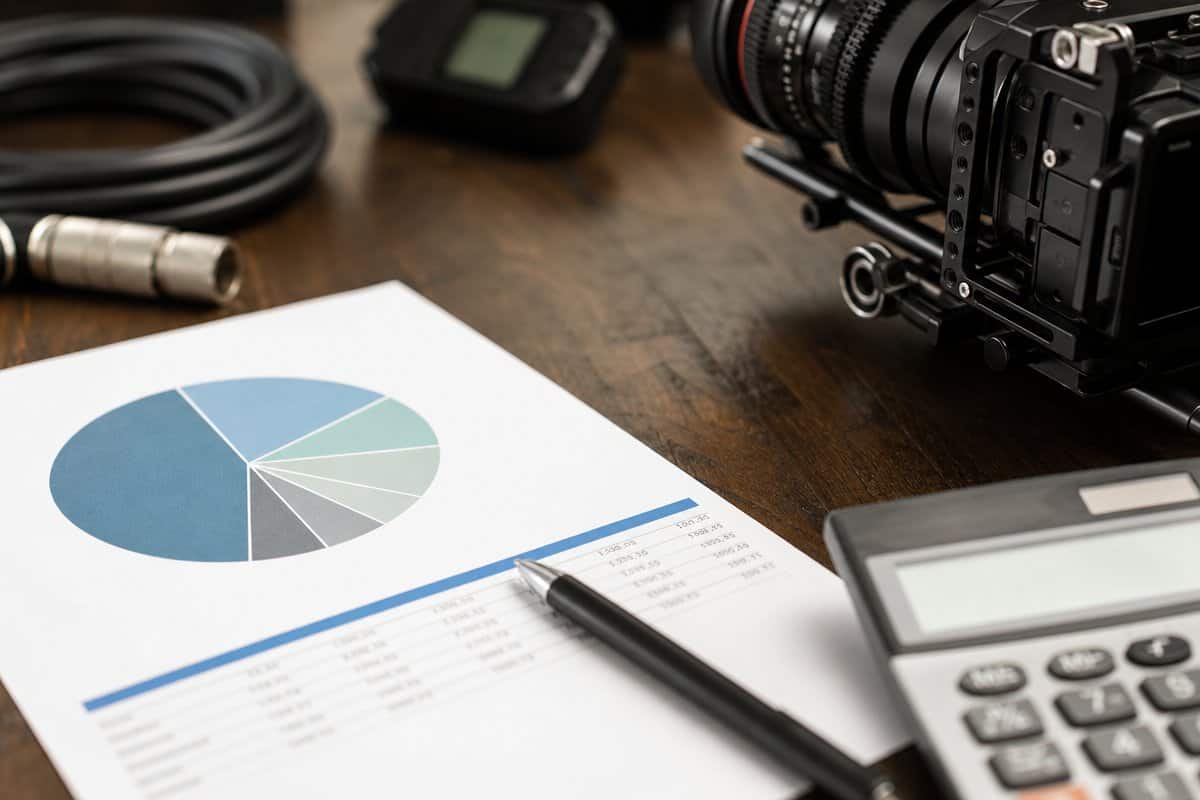
Video production is not a single expense. It is a layered process with dozens of moving parts, and each phase carries its own cost drivers. Without a clear breakdown, organizations tend to over-invest in one area (like flashy equipment) while under-investing in another (like scripting or color grading) that directly impacts the quality of the final deliverable.
A detailed cost breakdown helps you:
- Set realistic expectations — Know what is achievable at your budget level before a single camera rolls.
- Compare vendor proposals — When two production companies quote different totals, the breakdown shows you why.
- Avoid scope creep — Line-item budgets make it easier to say yes or no to additions mid-project.
- Maximize ROI — Allocate more dollars to the elements that move the needle for your specific goals.
Let us walk through each phase and the typical cost allocations you should expect.
Phase 1: Pre-Production (15%–20% of Total Budget)
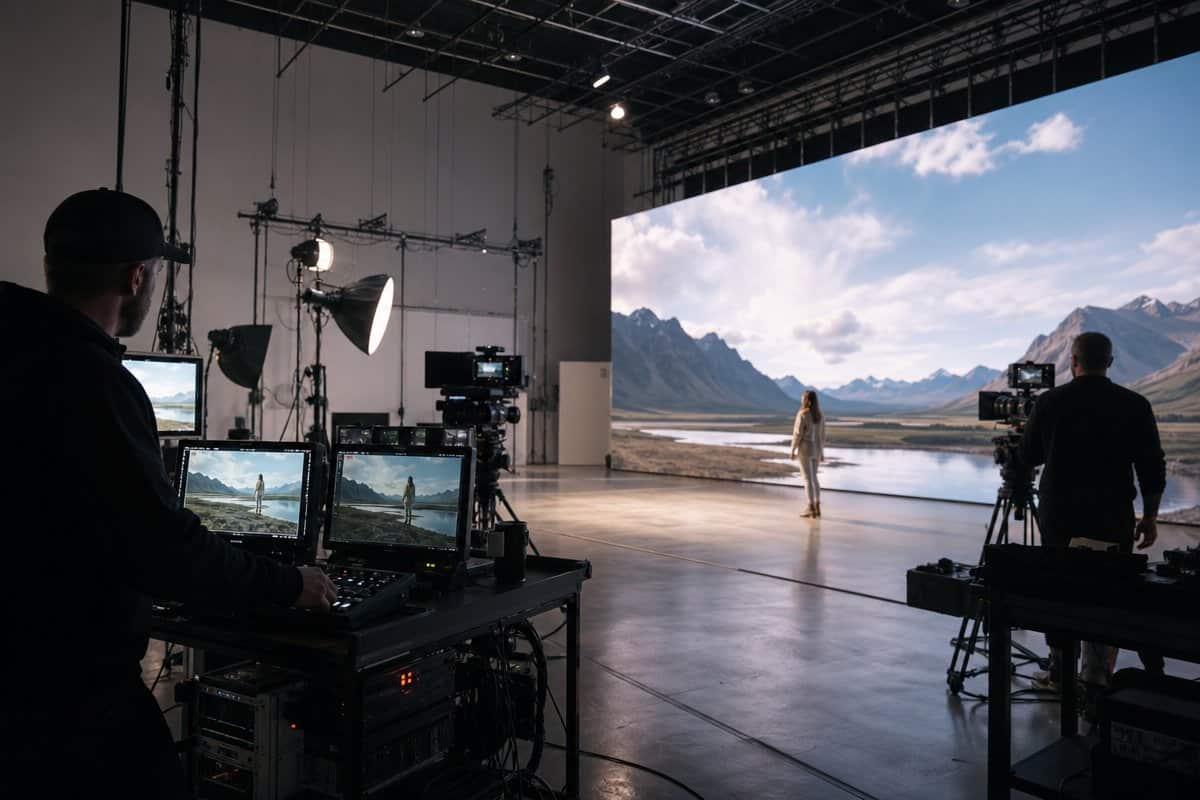
Pre-production is the planning engine of every successful video. It is also where many organizations try to cut corners, a move that almost always inflates costs later. Here is what this phase typically includes:
Creative Development and Strategy
Before a script is written, a good production partner invests time understanding your audience, objectives, distribution channels, and brand guidelines. This strategic foundation shapes every creative decision that follows.
- Discovery meetings and research: 2–5% of total budget
- Creative concept development: 3–5%
Scriptwriting and Storyboarding
The script is the blueprint. Storyboards translate that blueprint into a visual plan the entire crew can follow on shoot day.
- Scriptwriting (including revisions): 3–5%
- Storyboarding or shot lists: 2–3%
Logistics and Scheduling
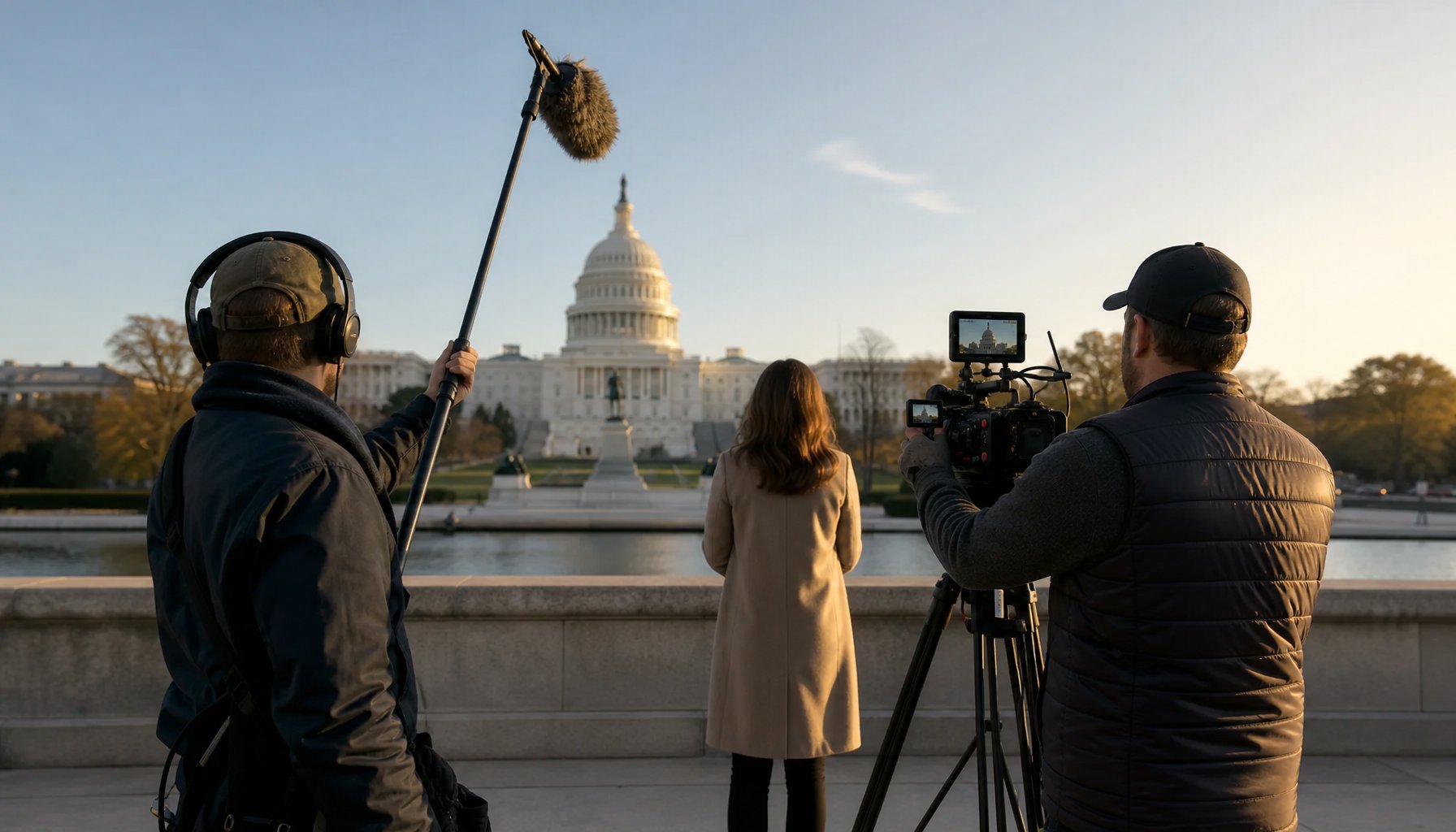
Location scouting, permit acquisition, talent casting, crew scheduling, equipment planning, and call sheet preparation all happen here. In cities like Washington DC, Baltimore, and New York City, permit timelines and location fees vary significantly, so experienced local knowledge saves both time and money.
- Location scouting and permits: 2–4%
- Casting and talent coordination: 1–3%
- Production scheduling and logistics: 1–2%
Pro tip: Organizations that rush or skip pre-production almost always face re-shoots, extended edit cycles, and budget overruns. Think of this phase as insurance.
Phase 2: Production — The Shoot Day (35%–45% of Total Budget)
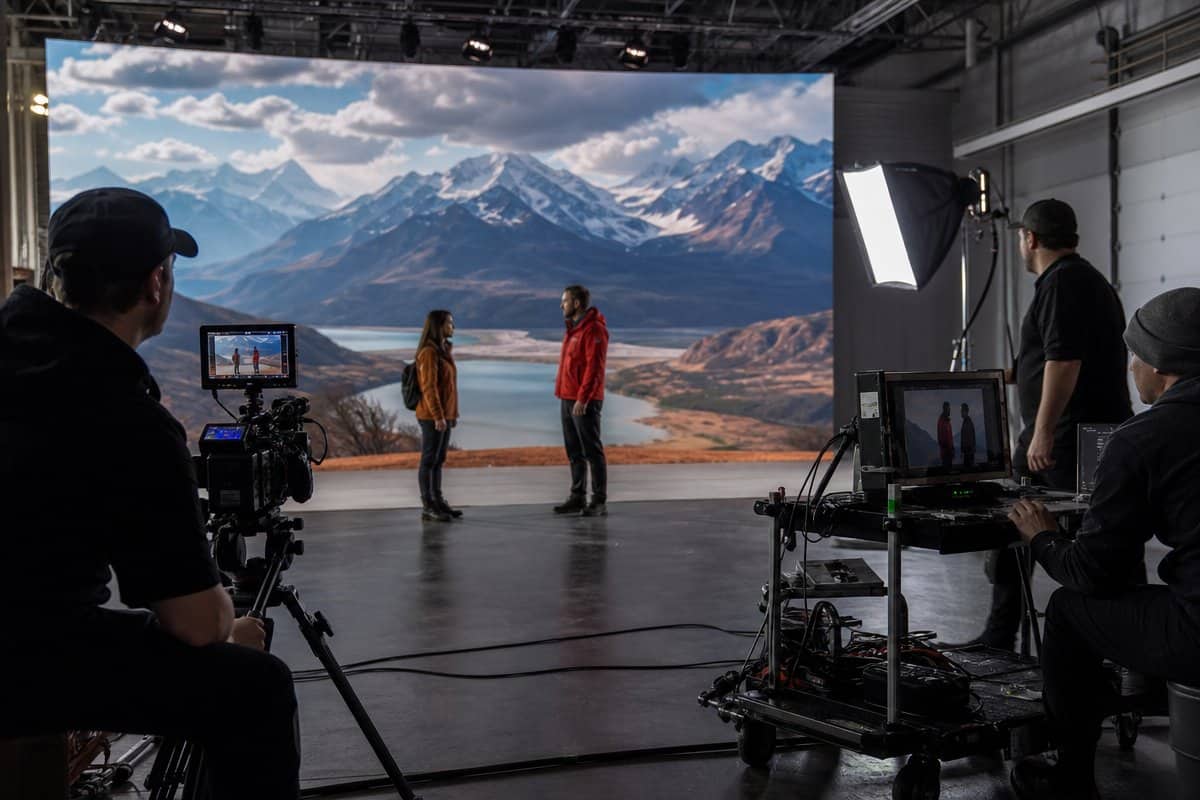
Production day is where the largest single-day expenditure happens. Cameras, lights, crew, talent, and locations all converge, and the meter is running on every one of them. Here is a typical allocation:
Crew and Labor
The size of your crew depends on the complexity of the project. A simple talking-head interview might need three to four people. A multi-camera commercial or cinematic brand film could require ten or more.
- Director: 5–8% of total budget
- Director of Photography (DP): 4–7%
- Camera operators: 3–5%
- Gaffer and lighting team: 3–5%
- Audio engineer: 2–4%
- Production assistants: 1–3%
- Hair, makeup, and wardrobe (if needed): 1–3%
Equipment and Technology
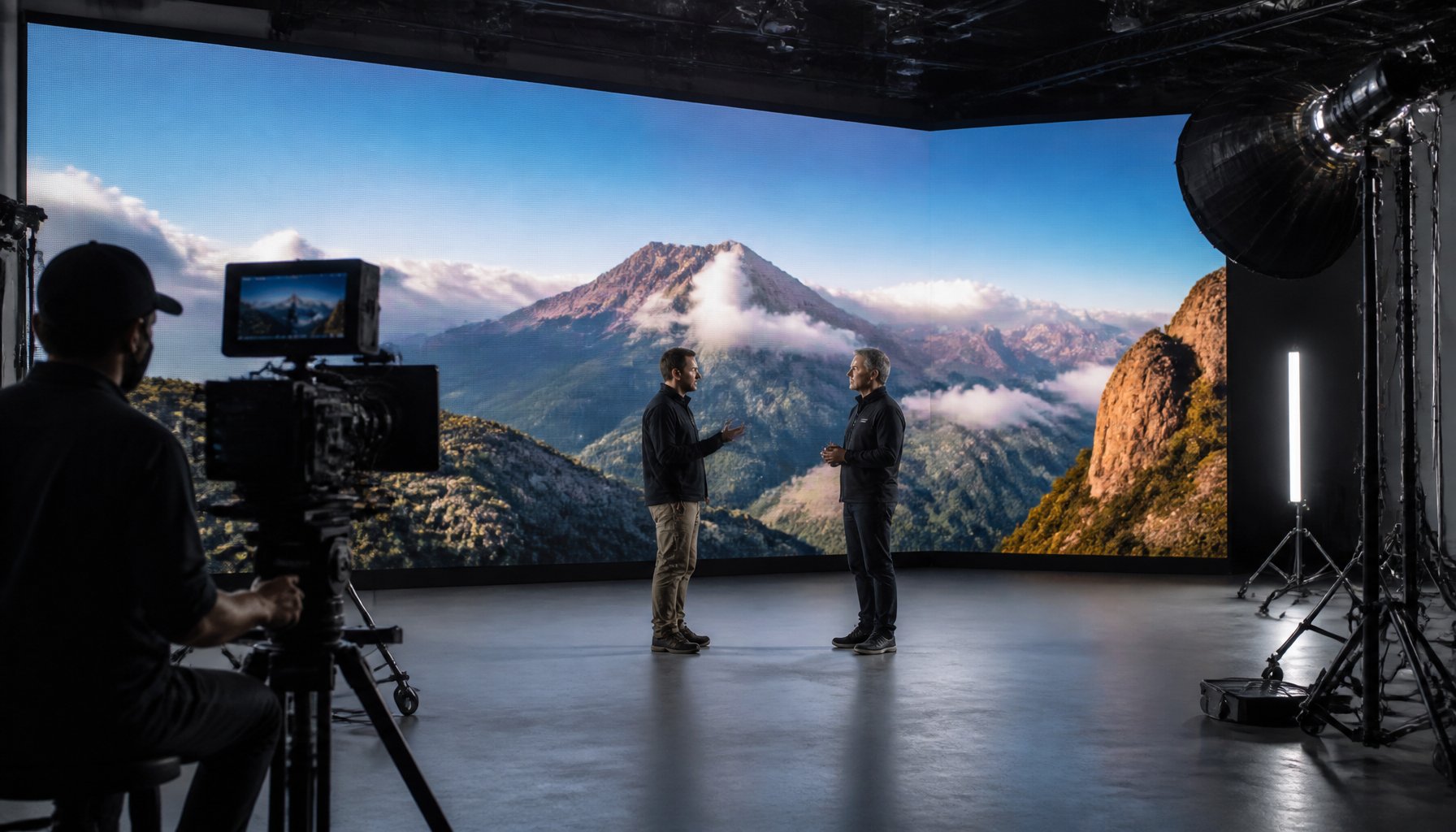
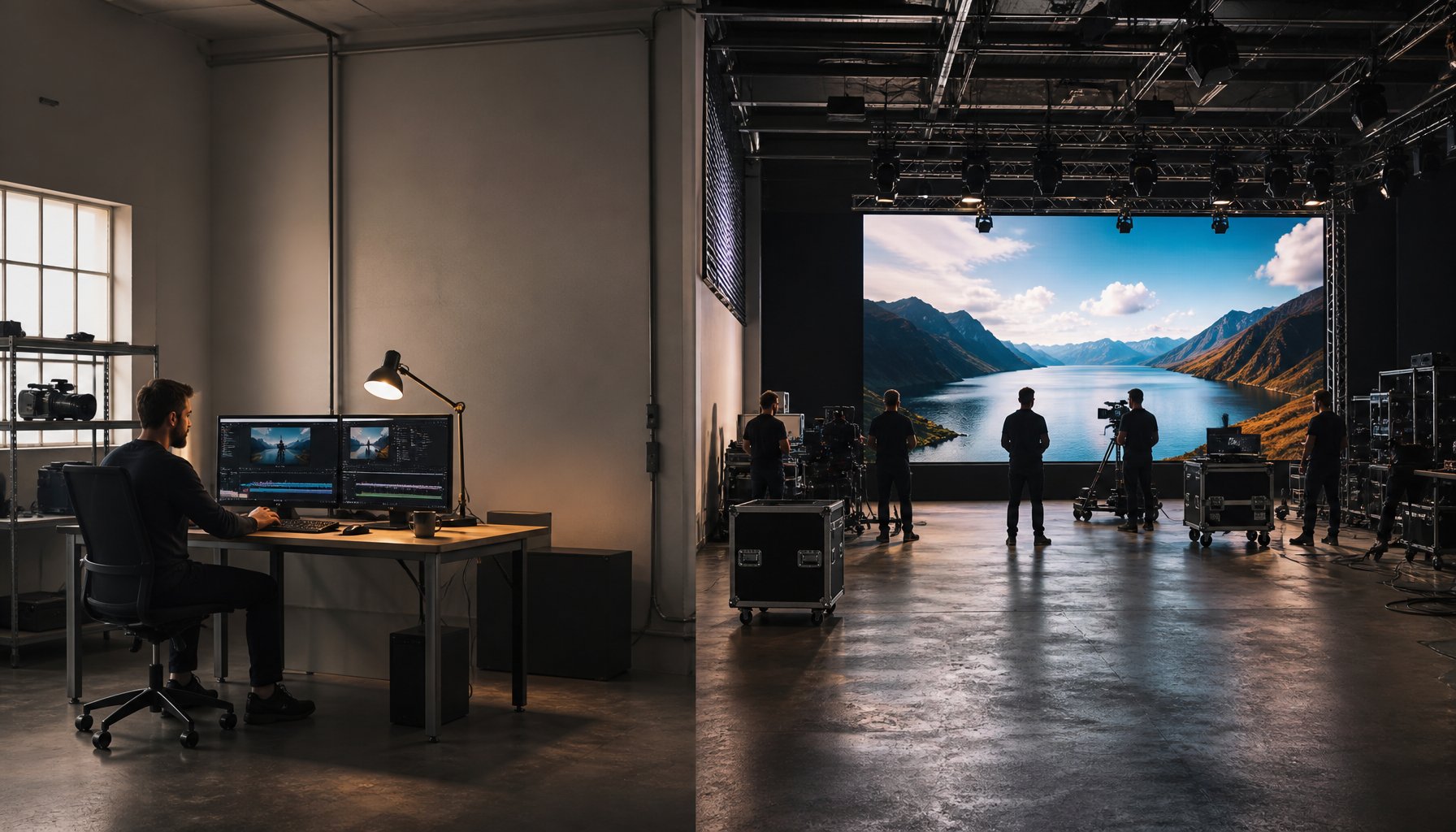
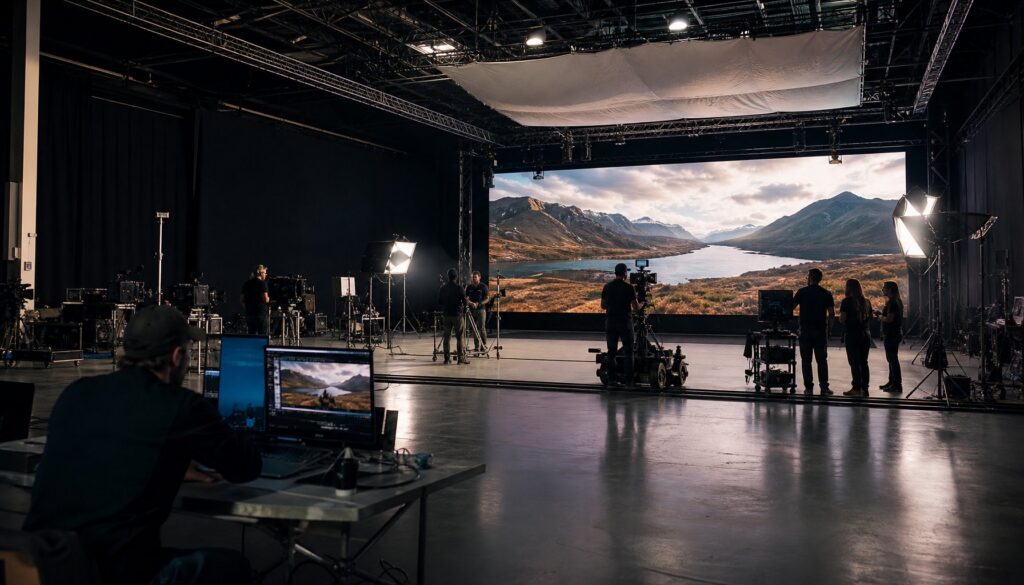
Professional cameras, cinema lenses, lighting rigs, wireless audio systems, teleprompters, drones, and specialty gear like LED volume walls all fall here. Studios that own their equipment in-house, rather than renting third-party packages, can often offer more competitive rates and tighter quality control.
- Camera and lens packages: 4–7%
- Lighting and grip: 2–4%
- Audio gear: 1–2%
- Specialty equipment (drones, gimbals, LED walls): 2–6%
Location and Studio Fees
Shooting on location means permit fees, parking, power, and sometimes security. Shooting in a professional studio eliminates many of those variables but comes with its own day rate.
- Studio rental: 3–8%
- On-location fees and permits: 2–5%
Talent and On-Screen Performers
Whether you are using professional actors, company executives, or real customers, there are costs associated with preparation, direction, and — for SAG-AFTRA talent — union rates and usage fees.
- On-screen talent: 2–8% (highly variable based on talent type and usage rights)
Meals, Travel, and Incidentals
Craft services, crew meals, travel to remote locations, lodging for multi-day shoots, and insurance all add up faster than most clients expect.
- Catering and craft services: 1–2%
- Travel and lodging: 1–5% (depends on location distance)
Industry insight: For a DC-area production, keeping your shoot within the Washington, Northern Virginia, Baltimore, or Richmond corridor significantly reduces travel line items compared to flying crews and gear cross-country.
Phase 3: Post-Production (25%–35% of Total Budget)
Post-production is where raw footage becomes a polished story. This phase takes longer than most clients anticipate and is where much of the creative magic happens.
Video Editing
An experienced editor reviews all footage, selects the best takes, builds the narrative structure, and assembles rough cuts for client review. Multiple revision rounds are standard.
- Offline and online editing: 10–15% of total budget
- Revision rounds (typically 2–3 included): built into editing cost
Color Grading and Correction
Color grading establishes the visual mood and ensures consistency across shots, cameras, and lighting conditions. It is one of the most overlooked yet impactful steps in the process.
- Color grading: 3–5%
Sound Design, Mixing, and Music
Clean audio is non-negotiable. Post-production audio work includes noise reduction, dialogue leveling, sound effects, ambient audio, and licensed music or original scoring.
- Audio mixing and sound design: 3–5%
- Music licensing or original score: 2–5%
Motion Graphics and Animation
Lower thirds, title cards, animated logos, data visualizations, and full animated sequences all require specialized designers and additional render time.
- Motion graphics: 3–7%
- 2D or 3D animation: 3–10% (if applicable)
Deliverables and Format Exports
Your final video needs to be exported in the correct formats and specifications for every platform — broadcast TV, YouTube, LinkedIn, Instagram, internal LMS, event displays, and more. Closed captioning and accessibility compliance (especially important for government and nonprofit clients) add time here as well.
- Final exports, captioning, and delivery: 1–3%
Sample Budget Allocation at a Glance
Here is a simplified view of how a $25,000 single-video project might break down:
- Pre-Production: $4,000–$5,000 (16%–20%)
- Production: $9,000–$11,000 (36%–44%)
- Post-Production: $7,000–$8,500 (28%–34%)
- Contingency / Project Management: $1,500–$2,500 (6%–10%)
Notice the contingency line. Experienced producers always recommend a 5%–10% buffer for unexpected changes — a reshoot of one scene, an additional revision round, a last-minute music swap. It is not wasted money; it is smart planning.
Factors That Shift the Budget in Either Direction
No two projects are identical. Several variables can push costs higher or lower:
Factors That Increase Cost
- Multiple shoot days or locations
- Professional actors with usage licensing
- Complex animation or visual effects
- Drone or aerial cinematography
- LED wall virtual production environments
- Rush timelines requiring overtime or expedited delivery
- Broadcast-quality or 4K+ deliverables with extended distribution rights
Factors That Decrease Cost
- Using internal subject matter experts instead of paid talent
- Shooting at a single studio location
- Leveraging existing brand assets (logos, b-roll, music licenses)
- Batching multiple videos in one shoot day
- Working with a full-service production company that handles everything in-house
Batching is one of the most effective strategies we see at TriVision Studios. Clients in DC, Baltimore, Richmond, and NYC who plan two or three videos at once consistently achieve a lower per-video cost because crew, equipment, and setup costs are amortized across deliverables.
Frequently Asked Questions
What is the average cost of a professional video production?
Professional video production typically ranges from $5,000 to $50,000+ per finished minute, depending on complexity, location, talent, and distribution needs. A straightforward corporate interview video in the DC area might start around $5,000–$10,000, while a high-end commercial or documentary can reach $50,000 or more. The video production cost breakdown above gives you a framework to understand exactly where that investment goes.
Why is post-production so expensive?
Post-production involves highly skilled, time-intensive work. A single minute of polished video can require 10–20 hours of editing, color grading, sound design, motion graphics, and quality assurance. Revision rounds add additional hours. The expertise of the editor, colorist, and motion designer directly impacts the quality and emotional impact of your final product, which is why this phase commands 25%–35% of most budgets.
Can I save money by providing my own script or footage?
Sometimes. A well-written script can reduce pre-production costs. However, scripts written without production feasibility in mind often need significant rewrites, which can offset savings. Similarly, client-provided footage may have technical limitations (poor audio, inconsistent lighting, wrong format) that increase post-production time. Always consult your production partner before assuming existing assets will reduce the budget.
How does location affect video production pricing?
Location impacts crew travel, permit fees, load-in logistics, and available daylight hours. Filming in major metropolitan areas like Washington DC, New York City, or Baltimore typically carries higher permit and parking costs but offers access to larger talent pools and professional studios. Working with a production company that has studio facilities and crews based in your target city significantly reduces travel-related line items.
What is the best way to get the most value from my video budget?
Plan ahead, batch content, and invest in pre-production. Clients who clearly define their goals, audience, and distribution strategy before production begins almost always get more value per dollar. Additionally, producing multiple videos or content formats (social cuts, teasers, full-length pieces) from a single shoot day is one of the most efficient ways to stretch your investment.
Should I hire a freelancer or a full-service production company?
Freelancers can be cost-effective for simple, low-stakes projects. However, for brand-critical content — marketing campaigns, government communications, nonprofit fundraising videos, training programs — a full-service production company provides strategic guidance, project management, quality control, and accountability that individual freelancers typically cannot match. The slight premium pays for itself in consistency, reliability, and final product quality.
Plan Your Next Project with Confidence
Understanding your video production cost breakdown puts you in control. You can ask better questions, evaluate proposals more critically, and ensure every dollar is working toward a video that achieves your goals.
At TriVision Studios, we provide transparent, itemized proposals for every project we take on — whether it is a corporate brand film in Washington DC, a documentary series in Baltimore, a training video in Richmond, or a commercial shoot in New York City. Our clients, from federal agencies and nonprofits to healthcare organizations and tech companies, trust us because they always know where their budget is going and why.
Ready to see a detailed estimate for your next video? Contact TriVision Studios for a free consultation and a custom cost breakdown tailored to your project, timeline, and goals.