Why Renting a Video Production Studio in Washington DC Makes All the Difference
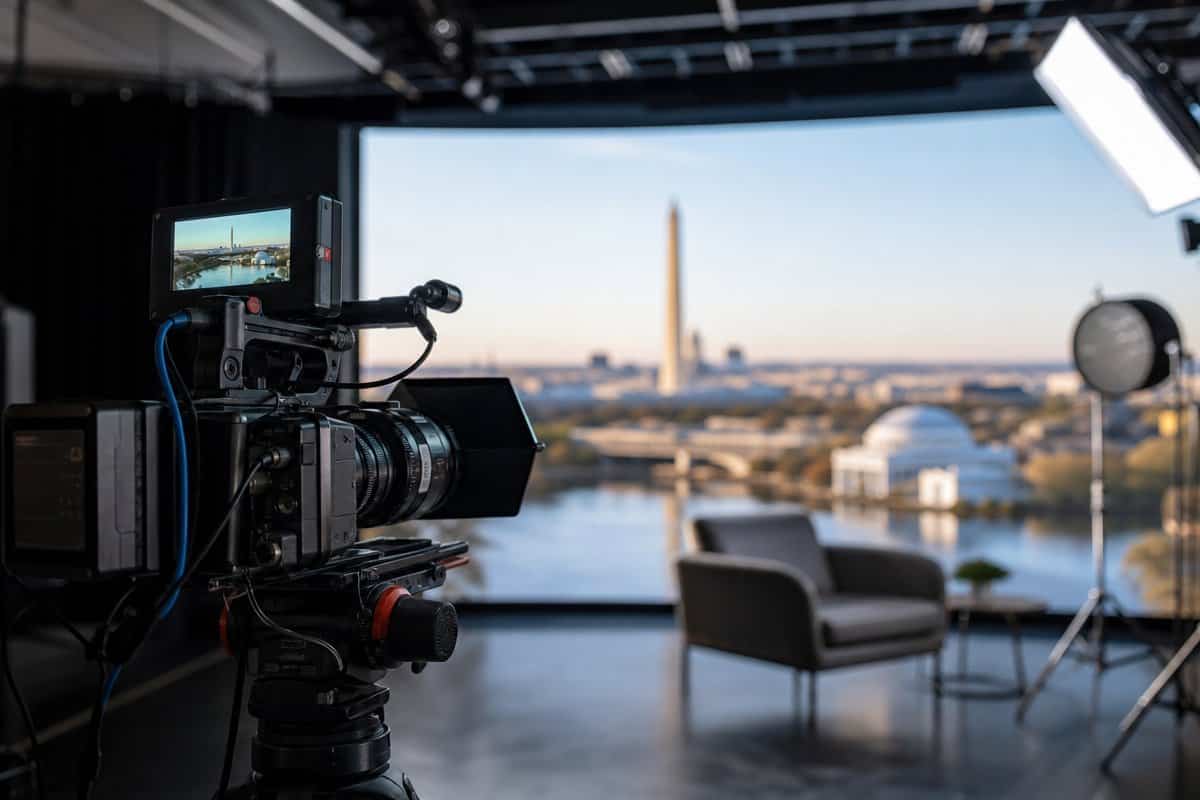
You have a shoot date approaching, a script that is nearly final, and a growing list of stakeholders who need the finished video yesterday. The last thing you want is to gamble your production quality on a makeshift conference room with fluorescent lights and unpredictable background noise. A dedicated video production studio rental in Washington DC solves that problem instantly—giving you a controlled, professional environment purpose-built for creating high-impact video content.
According to a 2026 report from Wyzowl, 91 percent of businesses now use video as a core marketing tool, up from 86 percent just two years ago. With that kind of demand, the DC metro area has seen a surge in organizations—from federal agencies and nonprofits to tech startups and healthcare brands—searching for reliable, well-equipped studio space. This guide breaks down exactly what you need to know: realistic rates, what is typically included, how far in advance to book, and how to walk in on shoot day fully prepared.
What Does a Typical DC Studio Rental Include?
Not every studio rental is created equal. Some spaces hand you four bare walls and a power outlet; others provide a turnkey production environment. Before you compare rates, understand what should come standard and what counts as an add-on.
Standard Inclusions You Should Expect
- Soundproofed shooting space — A properly treated room eliminates HVAC hum, street noise, and echo that would otherwise ruin audio.
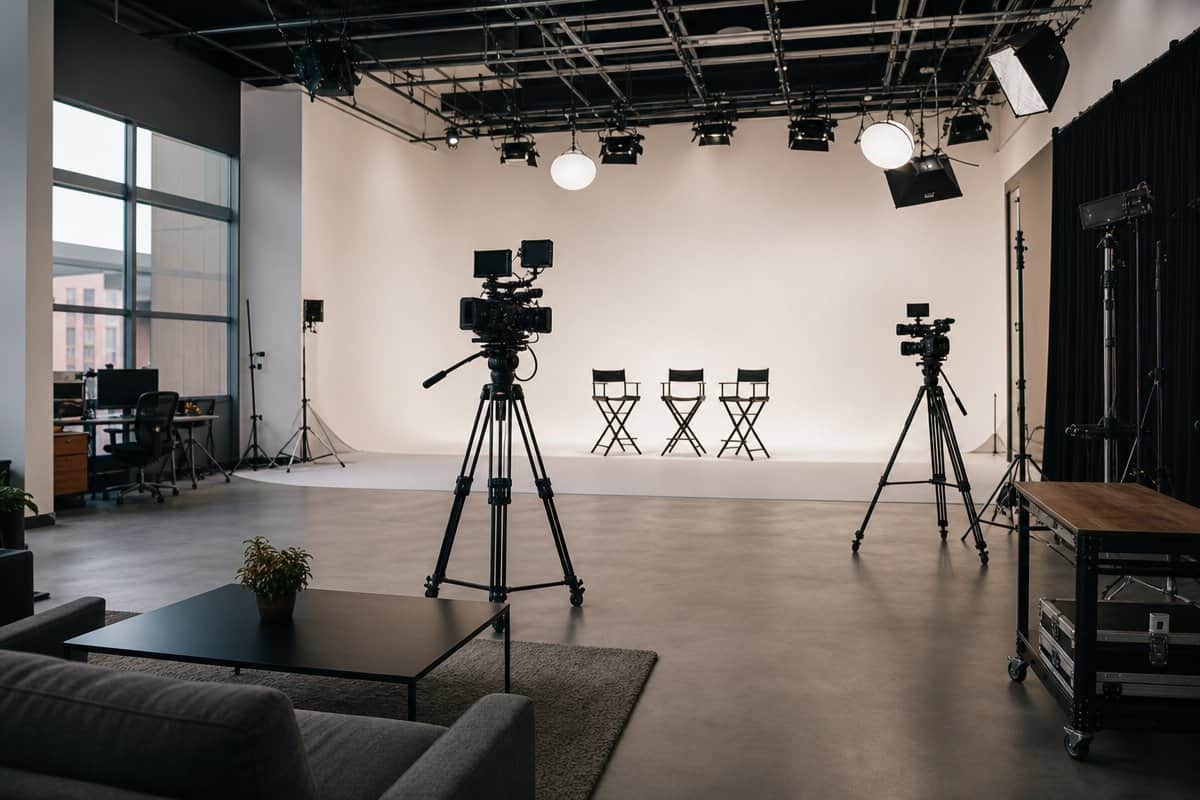
- Professional lighting grid — Most reputable studios offer a base lighting package (LED panels, softboxes, or a cyc-wall lighting rig) so you are not hauling your own gear.
- Climate control — Constant temperature matters more than people realize. Hot lights plus a dozen crew members can turn an unregulated room into a sauna within an hour.
- Basic grip and electric — C-stands, sandbags, stingers, and power distribution should be part of the package.
- Green room or client lounge — Talent needs a place to prepare, and stakeholders need somewhere comfortable to watch without crowding the set.
- Wi-Fi and hardwired internet — Essential for live streaming, remote client monitoring, or simply sharing files on set.
Common Add-Ons and Upgrades
- Teleprompter rental
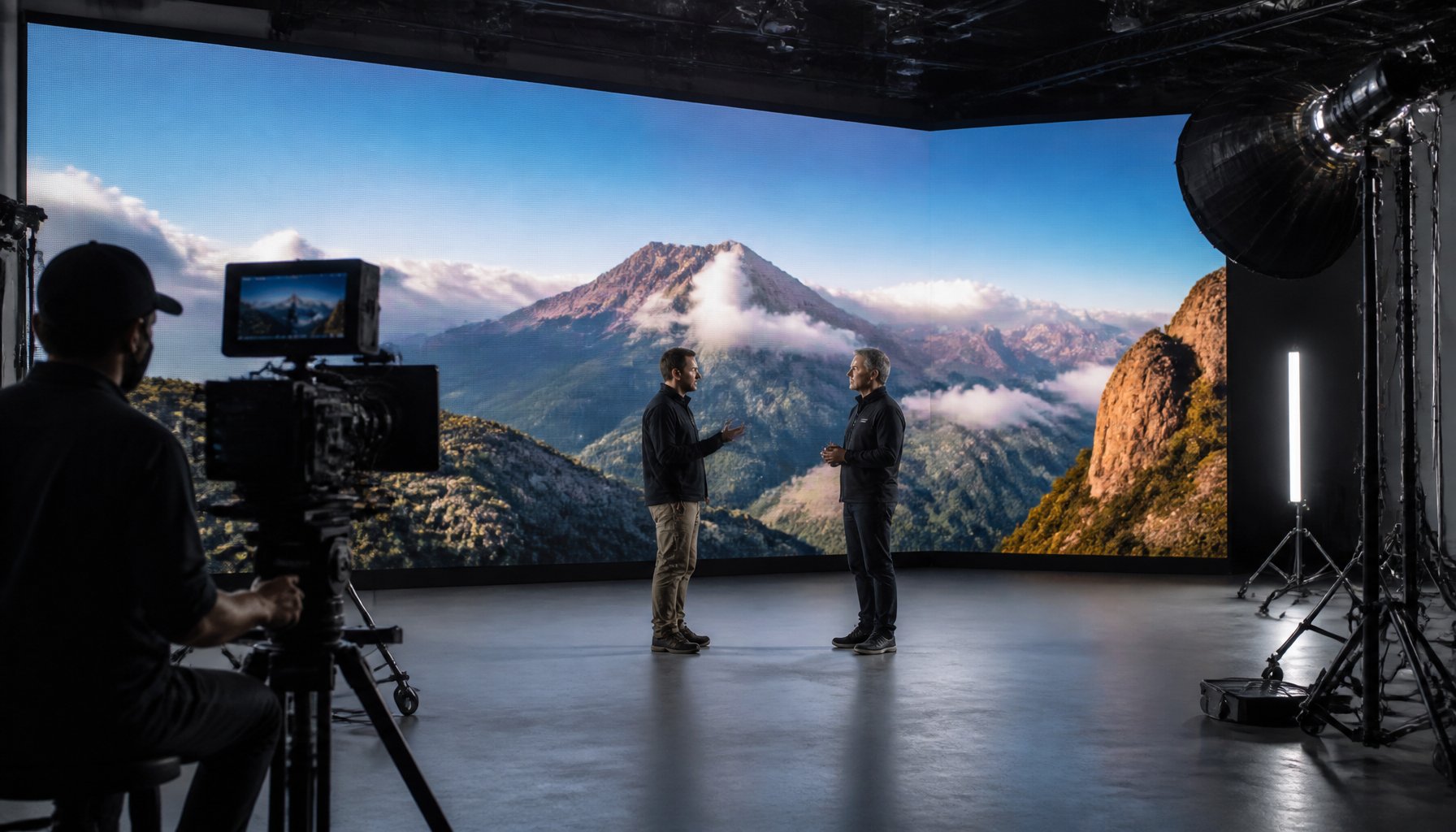
- LED volume wall or virtual production stage
- Hair and makeup station with mirror lighting
- Dedicated audio booth for voiceover recording
- Additional camera packages or specialty lenses
- On-site technical director or studio engineer
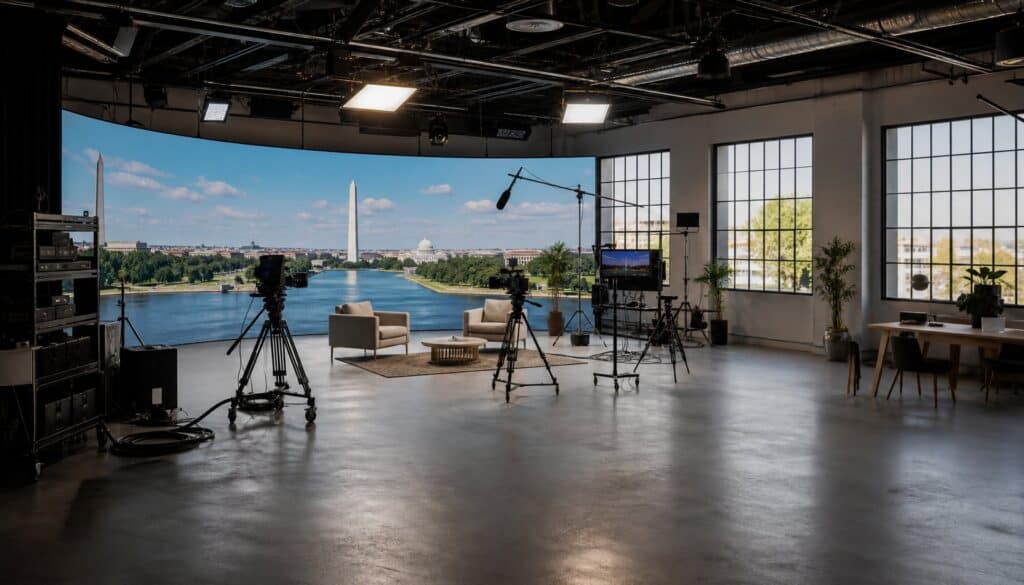
At TriVision Studios, the production studio in the DC metro area comes equipped with professional lighting, a multi-camera setup, teleprompter capability, and an LED wall stage—all under one roof. That consolidation saves you the logistical headache (and added expense) of sourcing gear from multiple vendors.
Video Production Studio Rental Rates in Washington DC
Pricing transparency is rare in this industry, so let us lay it out as clearly as possible. Rates vary based on studio size, included equipment, crew, and location within the metro area.
Half-Day vs. Full-Day Rates
Most studios price in half-day (four to five hours) and full-day (eight to ten hours) blocks. Here is a general range for the DC market in 2026:
- Budget or co-working studio spaces: $150–$500 per half day. These are typically bare-bones rooms with minimal equipment. You bring your own crew and gear.
- Mid-range professional studios: $800–$2,500 per half day. Expect soundproofing, a basic lighting package, and some production support.
- Full-service production studios: $2,500–$6,000+ per full day. These include professional lighting rigs, multi-camera capability, audio engineering, on-site crew, and post-production options.
What Drives the Price Up (or Down)
- Crew inclusion — A space-only rental is cheaper, but you will need to hire your own director of photography, gaffer, audio engineer, and possibly a technical director. Factor those day rates into your real cost.
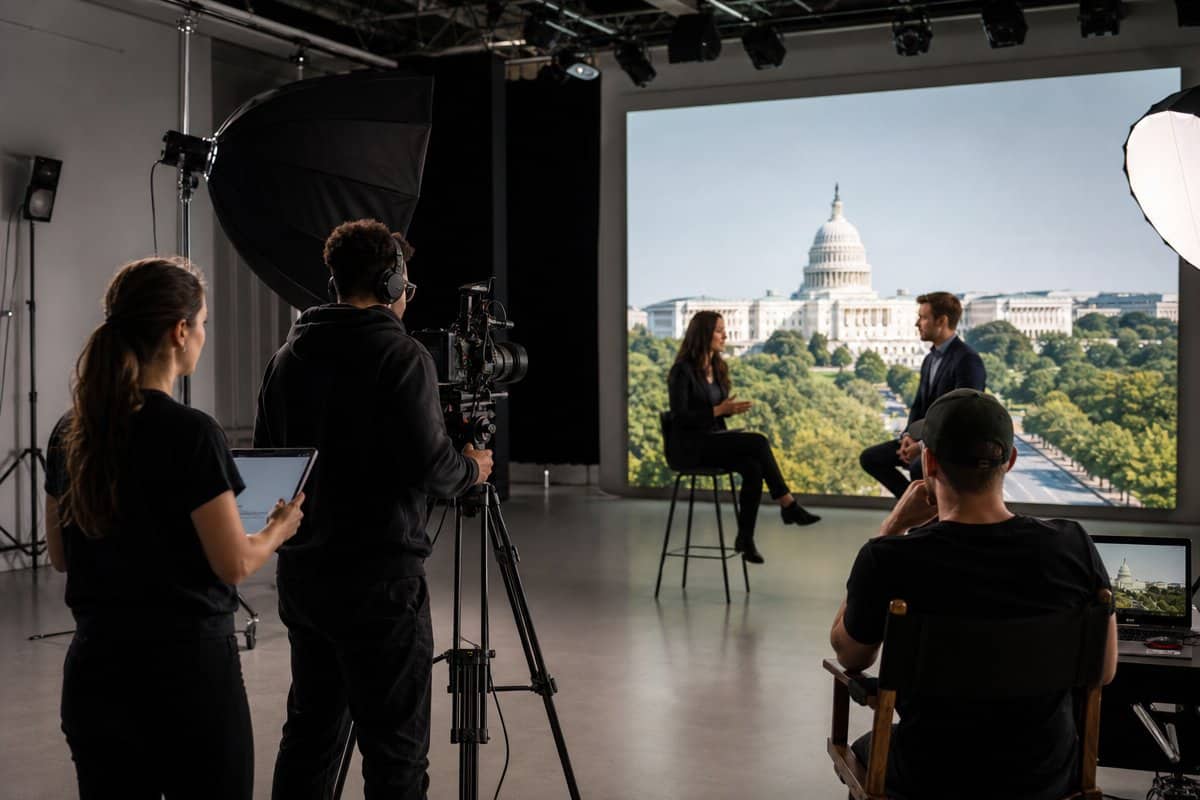
- Technology on set — LED wall stages, virtual production capabilities, and 4K+ multi-camera switching command a premium because they deliver a premium result.
- Location — Studios inside the District proper tend to price higher than those in Northern Virginia or Maryland, though accessibility to Metro stops and major highways can offset the commute concern.
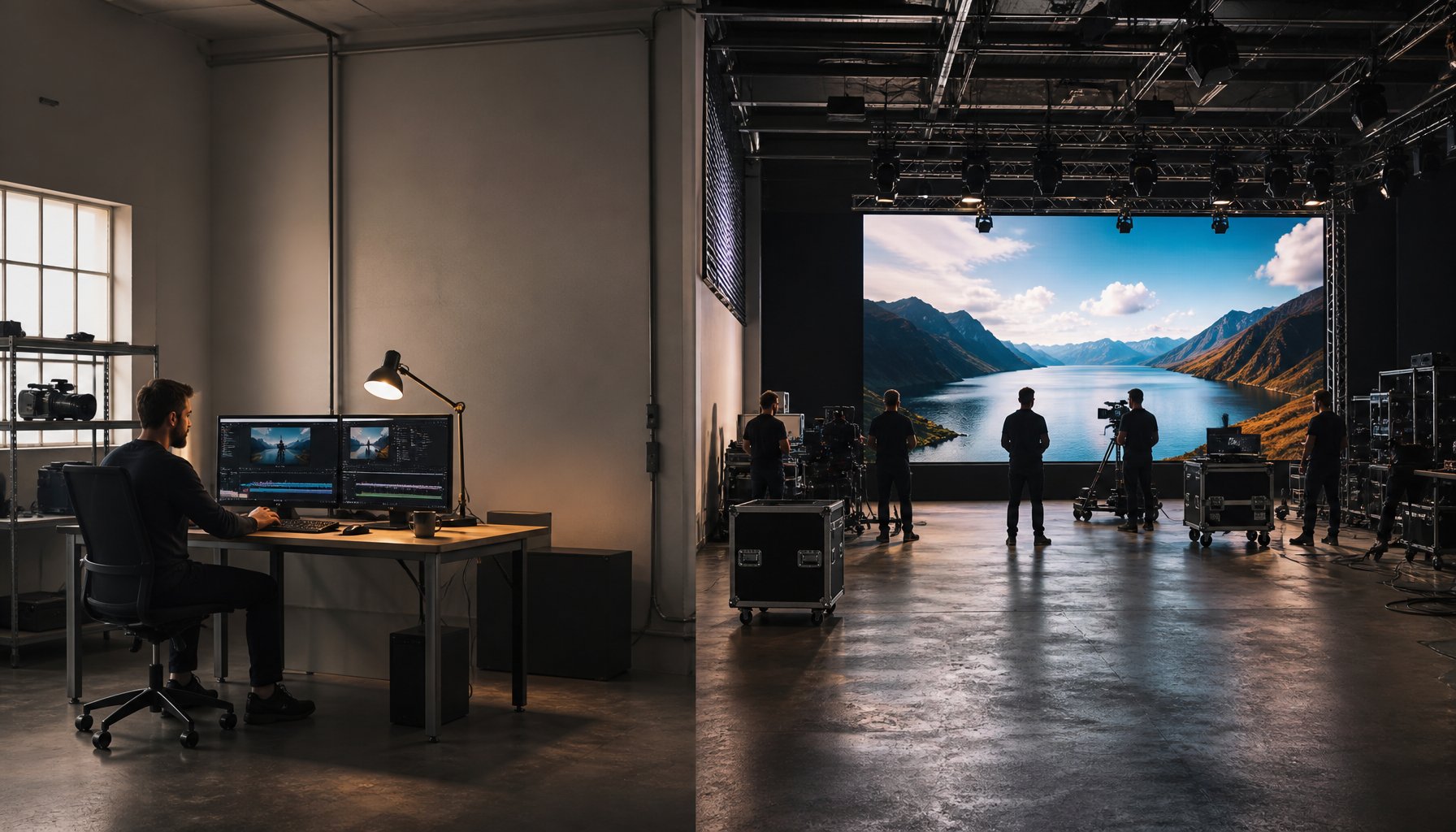
- Post-production bundling — Some studios, including TriVision, offer editing, color grading, and motion graphics as part of a package deal, which often costs less than hiring a separate post house.
Pro tip: When comparing quotes, always ask what is not included. A $500 studio rental that requires $3,000 in crew and gear rentals on top is not actually cheaper than a $2,500 full-service package.
How Far in Advance Should You Book?
This is one of the most common questions production managers and marketing directors ask—and the answer depends on your project scope and timing.
General Booking Lead Times
- Simple interview or talking-head shoot: 1–2 weeks in advance is usually sufficient, though availability tightens during peak seasons.
- Multi-camera production or panel discussion: 2–4 weeks is recommended to allow time for pre-production planning, set design, and crew scheduling.
- Large-scale commercial or virtual production shoot: 4–8 weeks minimum. These projects involve custom set builds, LED wall programming, wardrobe, and often multiple rounds of creative approval.
Peak Seasons to Watch
Washington DC has a unique production calendar. Demand spikes during:
- September through November — Federal fiscal year-end drives a rush of government and contractor video projects.
- January through March — New budget cycles mean new campaigns, training videos, and advocacy content.
- Event-heavy weeks — Major conferences, galas, and legislative sessions can tie up crews and studios across the region.
If your project falls in one of these windows, book as early as possible. A two-week lead time that works in July might leave you scrambling in October.
How to Prepare for Your Studio Session
Walking into a studio prepared is the single biggest factor in whether your shoot stays on schedule and on budget. Here is a practical checklist.
Before You Arrive
- Finalize your script or talking points. Last-minute rewrites on set burn expensive studio hours. Lock your script at least 48 hours before the shoot.
- Share a shot list with your production team. A detailed shot list ensures the crew can pre-light setups and have the right lenses ready before talent arrives.
- Confirm wardrobe with talent. Avoid fine stripes, bright white shirts, and noisy jewelry. Send a wardrobe guide at least a week out.
- Provide brand assets to the studio. Logos, brand colors, lower-third templates, and any required legal disclaimers should be delivered in advance so the graphics team can prepare.
- Designate one decision-maker on set. Production by committee leads to delays. Identify the person with final creative authority and make sure they will be present.
On Shoot Day
- Arrive 15–30 minutes before your scheduled start time for a walkthrough and sound check.
- Bring water and snacks for talent—hydrated, comfortable speakers give better performances.
- Trust the crew. You hired professionals; let them handle framing, lighting adjustments, and audio levels while you focus on message and performance.
- Build in buffer time. If you have eight interview segments, do not schedule exactly eight hours. Setups, breaks, and retakes always take longer than you think.
Choosing the Right Studio for Your Project
Not every DC studio is right for every project. Here is how to narrow down your options quickly.
Match the Studio to the Content Type
- Talking-head interviews and testimonials — A smaller, well-lit studio with a quality audio setup is all you need. Do not overpay for space you will not use.
- Product demos and commercials — Look for studios with cyc walls (seamless white or green backgrounds), precision lighting control, and enough floor space for product staging.
- Panel shows, podcasts, and talk formats — Multi-camera capability, individual audio feeds for each speaker, and a comfortable set design matter most here.
- Virtual production and immersive content — You need an LED volume wall, real-time rendering technology, and a crew experienced in Unreal Engine or similar platforms.
Questions to Ask Before Signing
- What is included in the base rate versus what costs extra?
- Is crew provided, or do I need to hire separately?
- Can I see the space in person or via a virtual tour before booking?
- What is the cancellation or rescheduling policy?
- Do you offer post-production services, and can those be bundled?
- What is your experience with my industry (government, nonprofit, healthcare, etc.)?
Frequently Asked Questions
How much does it cost to rent a video production studio in Washington DC?
Rates range widely. A bare-bones space may start around $150–$500 for a half day, while a full-service studio with professional lighting, crew, and equipment typically runs $2,500–$6,000 or more for a full day. The total cost depends on included equipment, crew, technology (such as LED wall or virtual production), and whether post-production is bundled into the package.
What is the difference between renting a space and hiring a full-service studio?
A space-only rental gives you the room and possibly basic power and lighting. You are responsible for bringing your own crew, cameras, audio gear, and handling post-production. A full-service studio like TriVision Studios provides the space, professional equipment, experienced crew, and often editing and finishing—all coordinated under one production team. Full-service options reduce logistical risk and frequently deliver a better per-dollar value.
How far in advance should I book a studio in DC?
For straightforward interview shoots, one to two weeks is often enough. Multi-camera productions benefit from two to four weeks of lead time. Complex projects involving virtual production, custom sets, or large casts should be booked four to eight weeks out. During peak seasons—especially September through November and January through March—book as early as you can.
Can I bring my own crew and equipment to a rented studio?
Most studios allow this, but it is important to confirm in advance. Some facilities have restrictions on rigging, power draw, or the use of outside lighting and grip equipment. If you are bringing your own team, ask the studio for a tech specs sheet so your crew can plan accordingly.
Do I need a studio for my project, or can I shoot on location?
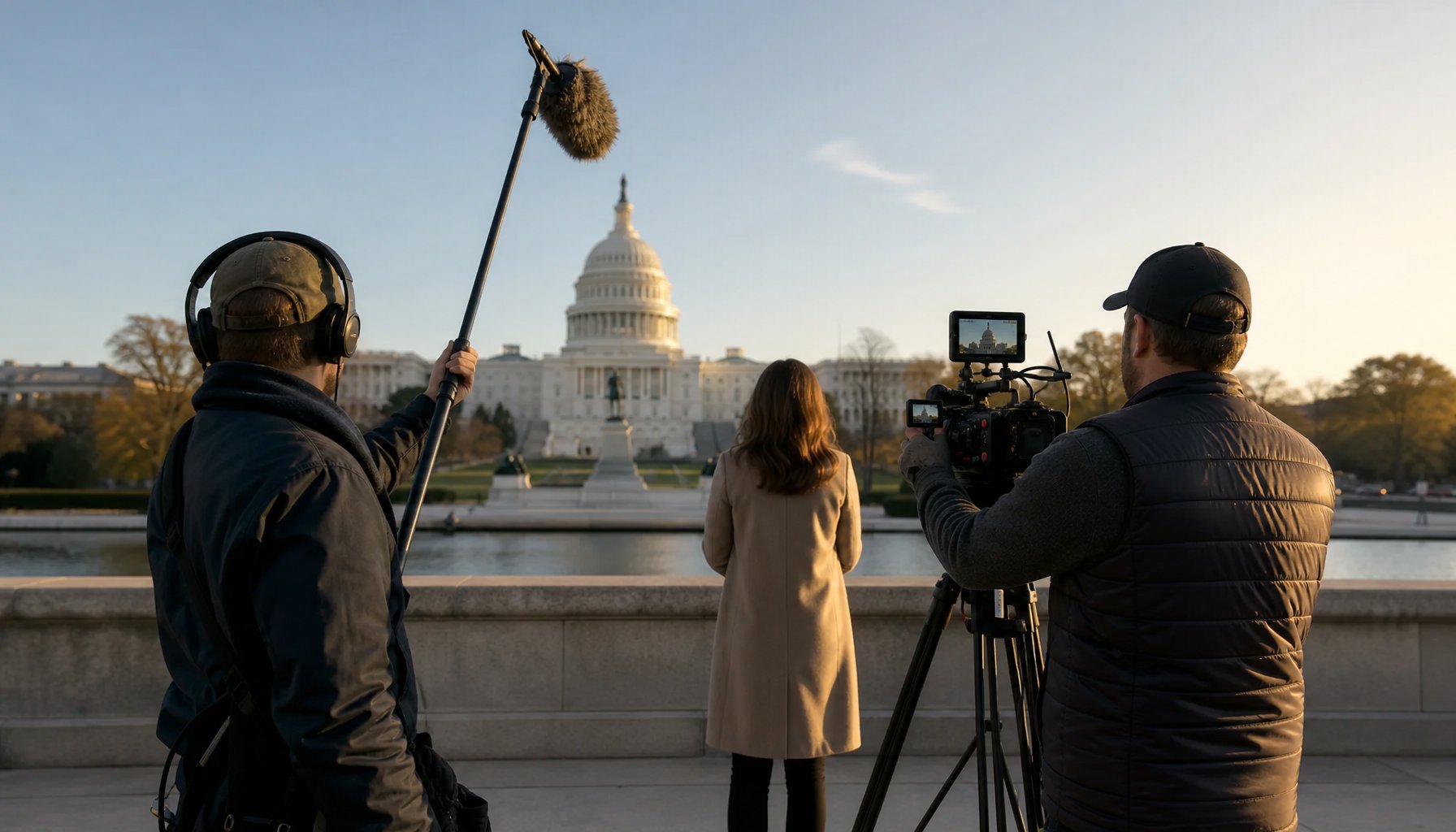
It depends on the content. Location shoots offer authentic backdrops—an office, a facility, a community setting—but they come with unpredictable lighting, audio challenges, and permit requirements. Studio shoots give you total control over the environment, which is why they are preferred for interviews, commercials, product videos, training content, and any project where audio quality and visual consistency are non-negotiable.
What should I look for in a DC studio if I work for a government agency or federal contractor?
Look for a studio with direct experience serving government clients. This means familiarity with Section 508 accessibility requirements, federal branding guidelines, security protocols for on-camera personnel, and the procurement process. Studios in the DC metro area that regularly work with agencies understand these nuances and can streamline your production timeline significantly.
Book Your Next Studio Session With Confidence
Finding the right video production studio rental in Washington DC does not have to be complicated. Know your project scope, understand what is included in the rate, book with enough lead time, and walk in prepared. When you do, the shoot runs smoothly, the content looks exceptional, and your stakeholders walk away impressed.
TriVision Studios has been the production partner of choice for leading brands, government agencies, nonprofits, and corporations across the DC metro area. With a fully equipped production studio, experienced crew, and end-to-end capabilities from pre-production through final delivery, we make the process seamless. Get in touch with TriVision Studios to discuss your next project and lock in your studio dates.