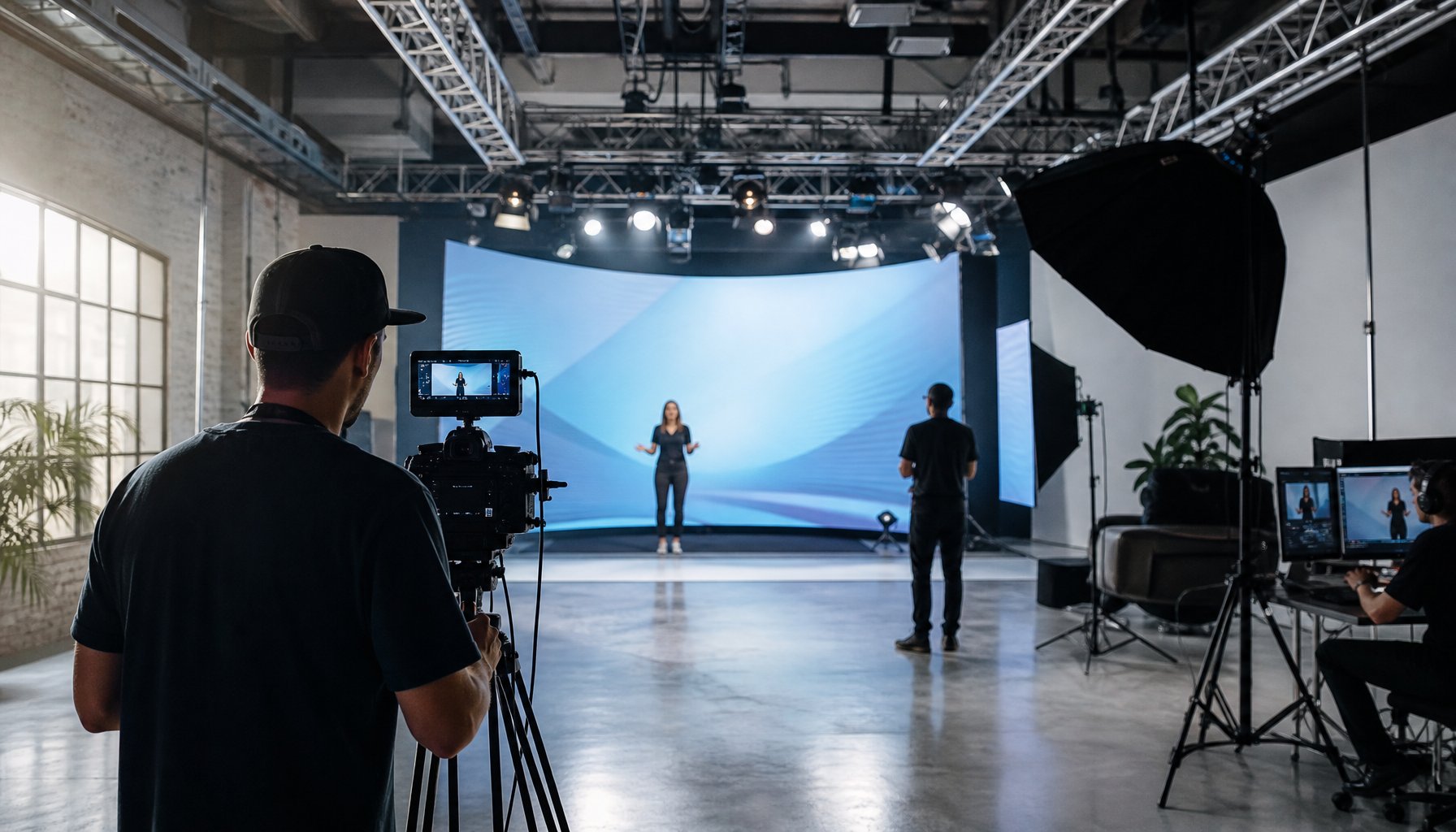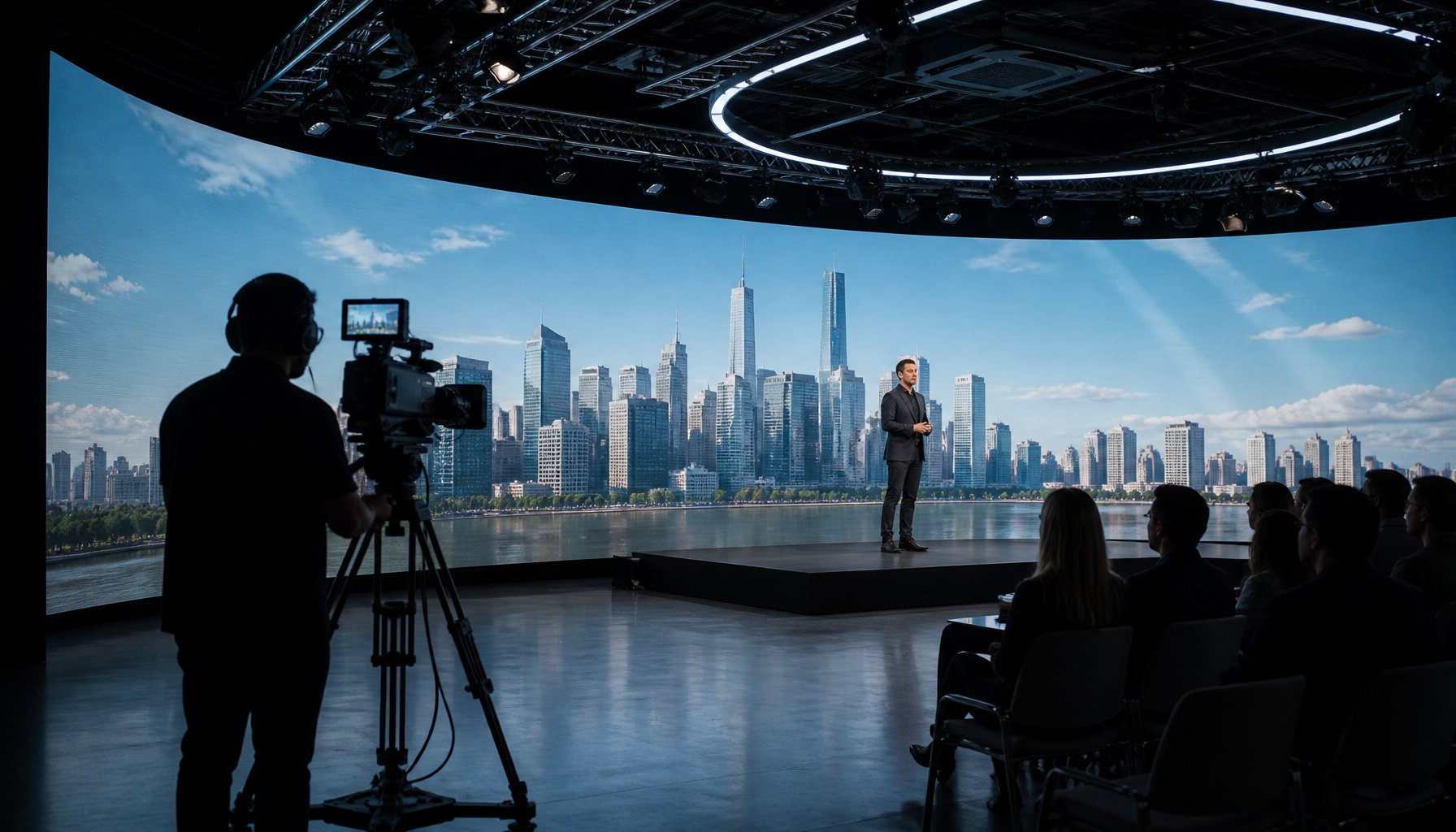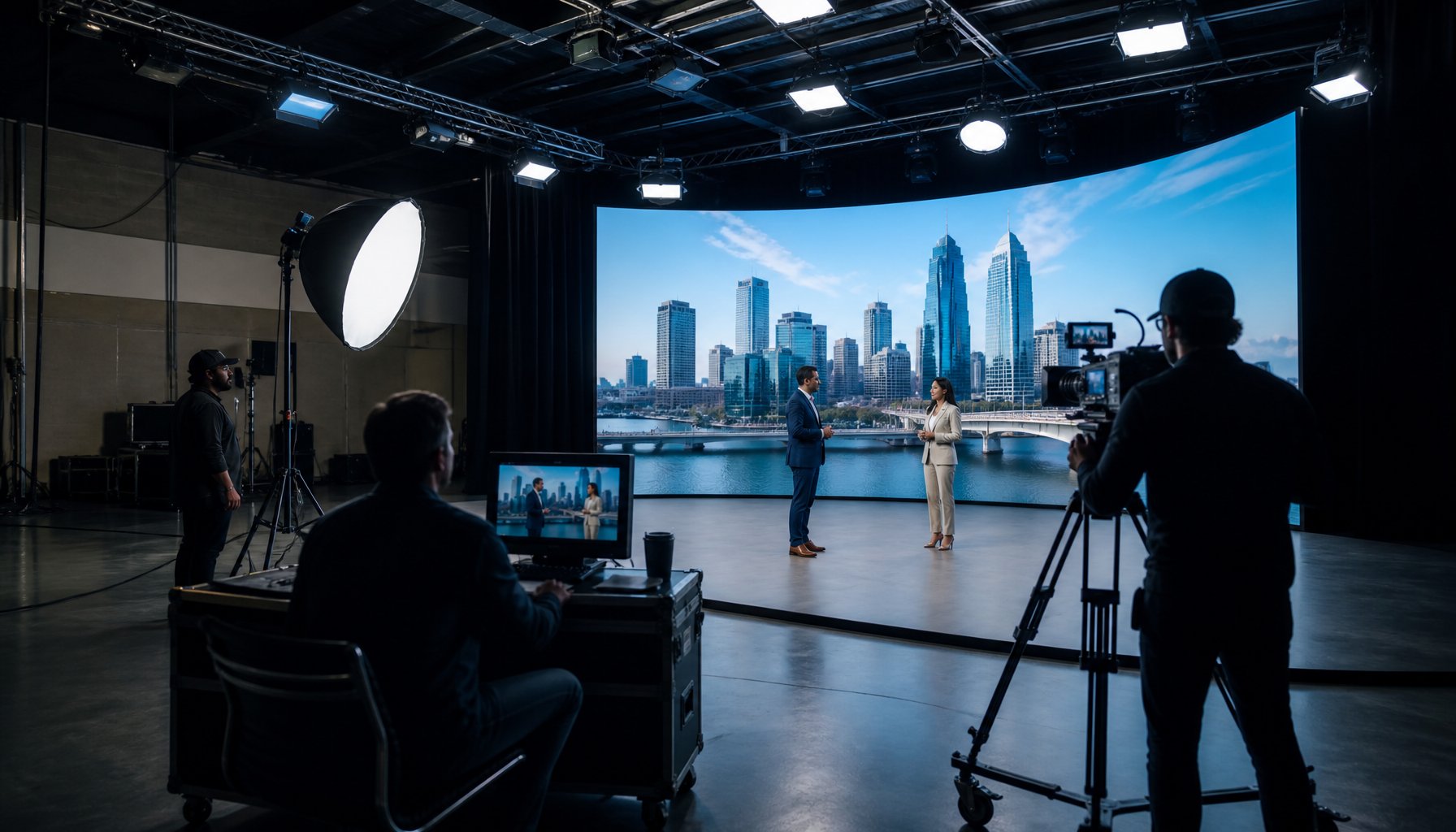
Your employees are tuning out during training. Completion rates are low, knowledge retention is worse, and the PowerPoint decks your team has been recycling since 2019 aren’t cutting it anymore. If you’ve reached the point where you’re searching for a training video production company, you already know the problem — now you need help finding the right solution. According to a 2024 report from Panopto, employees forget 65% of training material within one week unless it’s reinforced with visual or interactive content. Video bridges that gap, but only when it’s produced by a team that understands both the craft and the context of corporate learning.
This buyer’s guide is designed for organizations in Washington DC, Northern Virginia, Baltimore, and Richmond who need training videos that actually work. We’ll walk through the exact evaluation criteria you should use when vetting vendors — from instructional design capability and interactivity options to LMS compatibility and post-production support — so you can make a confident, informed decision.
Why Choosing the Right Training Video Production Company Matters

Not every video production company is equipped to handle training content. A team that excels at commercials or event videography may lack the pedagogical understanding needed to create instructional material that drives measurable learning outcomes. Training videos occupy a unique space: they must be engaging enough to hold attention, structured enough to teach, and technically compatible with your organization’s learning management system.
Choosing the wrong vendor can result in:
- Videos that look polished but fail to communicate key learning objectives
- Content that can’t be uploaded to or tracked within your LMS
- A production process that doesn’t account for subject matter expert (SME) involvement
- Missed compliance or accessibility requirements, especially for government and healthcare organizations
- Budget overruns from scope creep caused by unclear planning
The right partner, on the other hand, functions as an extension of your L&D team. They bring creative expertise and instructional strategy to the table, ensuring your training videos are not just watchable but effective.
6 Evaluation Criteria for Vetting Training Video Vendors
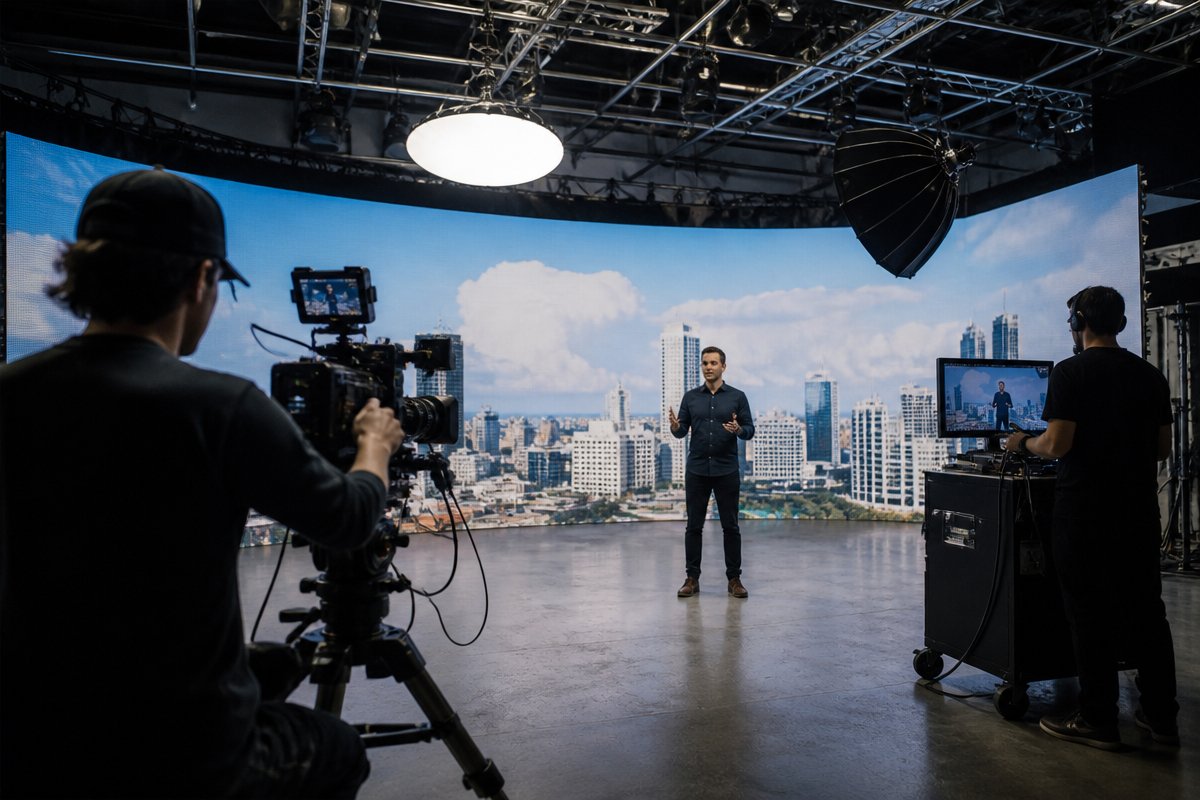
Use these six criteria as a scorecard when comparing potential production partners. Each one addresses a critical capability that separates a general video vendor from a true training video specialist.
1. Instructional Design Expertise
This is the single most important differentiator. A production company can have the best cameras and editors in the region, but if they don’t understand instructional design principles — like Bloom’s Taxonomy, microlearning structures, or adult learning theory — your training videos will underperform.
Ask potential vendors:
- Do you have instructional designers on staff or on your roster?
- Can you help us define learning objectives before scripting begins?
- How do you structure content to maximize knowledge retention?
- Can you show examples of training videos you’ve produced where learner outcomes were measured?
A strong vendor will talk about learning outcomes before they talk about camera angles. They’ll ask you about your audience, their existing knowledge level, and what behavior change the training is meant to drive.
2. Interactivity and Engagement Options
Modern training videos go far beyond a talking head. Interactive elements — branching scenarios, embedded quizzes, clickable hotspots, chapter navigation — transform passive viewing into active learning. Research from the eLearning Industry shows that interactive video can increase engagement by up to 300% compared to linear video.
When evaluating vendors, find out whether they can produce:
- Branching scenario videos — where the learner makes choices that affect the outcome
- Embedded assessments — quizzes or knowledge checks placed at key points within the video
- Chaptered or modular content — allowing learners to navigate directly to relevant sections
- Animated explainers — motion graphics that simplify complex processes or data
- Simulation-based content — screen recordings with guided overlays for software training
Not every training video needs interactivity, but your vendor should be able to offer it when the learning objectives call for it.
3. LMS Compatibility and Technical Delivery
A beautiful training video is useless if it doesn’t integrate smoothly with your learning management system. This is an area where many general production companies fall short — they deliver a finished MP4 file and consider the job done, leaving your L&D team to figure out the rest.
A qualified training video production company should be familiar with:
- SCORM and xAPI (Tin Can) standards — the protocols that allow your LMS to track completions, quiz scores, and learner progress
- Video hosting platforms — such as Vimeo, Wistia, or Kaltura, and how they integrate with LMS environments
- File format and compression requirements — ensuring video quality is maintained while meeting your system’s bandwidth and storage constraints
- Accessibility standards — including closed captioning, audio descriptions, and Section 508 compliance for government organizations
During your vetting process, ask the vendor to describe a recent project where they delivered SCORM-compliant content or integrated video into a client’s LMS. If they can’t give you a specific example, that’s a red flag.
4. Portfolio Depth in Training and Education
Review the vendor’s portfolio with a critical eye. You’re not just looking for high production value — you’re looking for evidence that they understand training content specifically. A reel full of commercials and brand films doesn’t tell you whether they can produce a 12-module compliance training series or a software onboarding walkthrough.
Look for:
- Training videos produced for industries similar to yours (government, healthcare, technology, financial services)
- A range of training formats — not just one style, but demonstrations of versatility
- Client testimonials that speak to the impact of the training, not just the quality of the video
- Case studies that include measurable results, such as improved test scores, reduced onboarding time, or higher completion rates
5. Production Process and Collaboration Model
Training video production requires more stakeholder involvement than a typical brand video. Subject matter experts need to review scripts. Compliance teams may need to approve messaging. L&D leaders need to ensure alignment with curriculum goals. Your vendor’s production process should account for all of this.
Evaluate their workflow by asking:
- How do you involve our SMEs in the scripting and review process?
- How many rounds of revisions are included at each stage (script, rough cut, final cut)?
- What’s your typical timeline for a training video series?
- Do you provide a dedicated project manager or point of contact?
- How do you handle feedback when multiple stakeholders have conflicting input?
The best vendors have a structured, repeatable process that keeps complex projects on track without making collaboration feel bureaucratic.
6. Scalability and Ongoing Support
Training content isn’t a one-and-done project. Regulations change. Products evolve. New employees join. Your production partner should be able to scale with your needs — whether that means producing a single onboarding video today and a 20-module curriculum next quarter, or updating existing content when policies change.
Ask about:
- Their capacity to handle multi-video series and phased rollouts
- Whether they archive raw footage and project files for future edits
- Their pricing model for content updates and version refreshes
- Whether they offer retainer or ongoing partnership agreements
Red Flags to Watch For When Choosing a Vendor
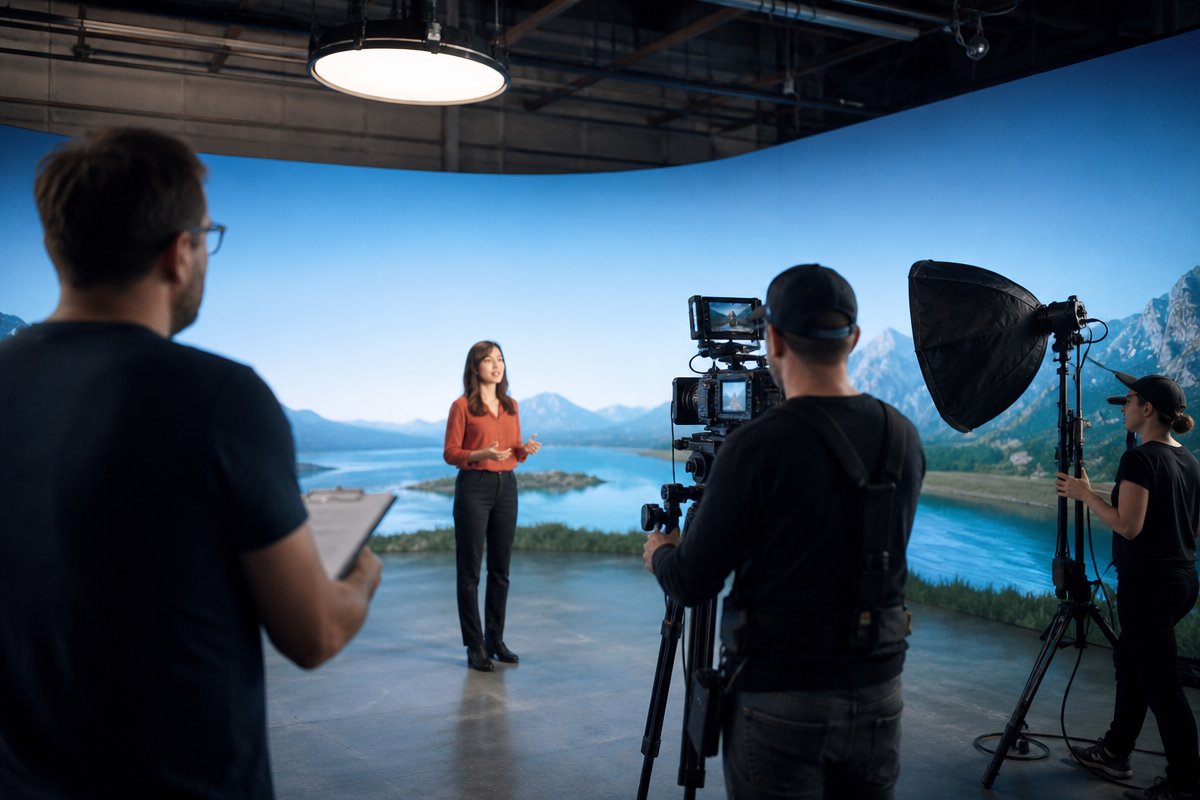
Not every production company that claims training video experience actually delivers on that promise. Watch for these warning signs during your evaluation:
- No discovery process: If a vendor jumps straight to quoting without asking about your audience, learning objectives, or existing curriculum, they’re treating your project like a commodity.
- Unclear pricing: Vague or overly simplified quotes often lead to surprise costs later. A trustworthy vendor provides transparent, itemized estimates. (If you’re trying to benchmark costs, our guide on how much a training video costs offers real-world pricing context.)
- No accessibility plan: If the vendor doesn’t proactively discuss captioning, transcripts, or ADA/Section 508 compliance, they may not be experienced with institutional training requirements.
- Generic creative approach: Training videos should be tailored to your learners, not templated. Be wary of vendors who show you one style and apply it to every project.
- No post-delivery support: Once the final files are delivered, will they help you troubleshoot LMS upload issues? Will they be available for revisions next year? A partner-oriented vendor says yes.
What Types of Training Videos Should You Consider?
Before you engage a vendor, it helps to have clarity on what type of training video best suits your needs. A capable production company will help you make this decision, but going into the conversation informed gives you an advantage.
Onboarding and Orientation Videos
These introduce new hires to company culture, policies, and expectations. They typically combine live-action footage, employee interviews, and motion graphics to create an engaging first impression.
Compliance and Regulatory Training
Common in government, healthcare, and financial services, these videos must be precise, up-to-date, and often require legal review. Interactivity and knowledge checks are especially valuable here to ensure comprehension.
Software and Systems Training
Screen-capture walkthroughs with voiceover narration, sometimes enhanced with animated callouts, help employees learn new tools and platforms. These are ideal candidates for modular, chaptered delivery.
Skills and Professional Development
From leadership training to customer service scenarios, these videos often use role-play, branching narratives, and real-world examples to build soft skills.
Safety and Procedural Training
Especially relevant for manufacturing, construction, and healthcare, these videos demonstrate proper procedures and protocols, often using a combination of live-action demonstration and animated diagrams.
For a broader look at formats and approaches, explore TriVision’s training and educational video production services.
Why Location Matters for Training Video Production
If your organization is based in the Washington DC metro area — including Northern Virginia, Maryland, Baltimore, or Richmond — working with a local production company offers tangible advantages for training video projects specifically.
Training productions often require:
- On-site filming at your offices, facilities, or job sites — a local team reduces travel costs and logistical complexity
- In-person collaboration with your SMEs and stakeholders during pre-production and review sessions
- Familiarity with regional industries — a DC-area vendor understands the needs of federal agencies, defense contractors, associations, healthcare systems, and educational institutions that drive the local economy
- Studio access — for interview-style or presentation-based training content, proximity to a professional studio eliminates the need for costly set builds at your location
Choosing a vendor who knows your market and can be on-site when it matters makes the entire production process smoother and more efficient.
Frequently Asked Questions
What should I look for in a training video production company?
Look for instructional design expertise, experience producing training-specific content (not just brand or commercial video), LMS compatibility knowledge, a structured collaboration process that involves your subject matter experts, and the ability to scale from a single video to a full curriculum. Check their portfolio for training projects in your industry and ask for references from L&D or HR leaders they’ve worked with.
How do I know if a video production company can integrate with my LMS?
Ask directly whether they have experience delivering SCORM or xAPI-compliant content. Request examples of past projects where they integrated video into platforms like Cornerstone, Absorb, TalentLMS, or Docebo. A qualified vendor will understand the technical requirements and handle packaging and delivery so your team doesn’t have to troubleshoot compatibility issues.
What’s the difference between a general video production company and a training video specialist?
A general production company focuses on visual storytelling and creative execution. A training video specialist adds a layer of instructional strategy — they understand how adults learn, how to structure content for retention, and how to measure whether the training achieved its objectives. The best partners combine both capabilities: cinematic quality with pedagogical rigor.
How long does it take to produce a training video?
Timelines vary based on complexity, but a single training video typically takes 4 to 8 weeks from kickoff to final delivery. A multi-module series may take 3 to 6 months. Key variables include the number of stakeholders involved in reviews, whether SME interviews need to be scheduled, the level of interactivity or animation required, and your internal approval process.
Can a production company help with training video strategy, not just production?
Yes — and the best ones insist on it. A strategic vendor will help you audit your existing training content, identify gaps, prioritize which videos to produce first based on impact and urgency, and recommend the right format for each topic. This consultative approach ensures your investment delivers maximum value rather than just a collection of polished videos.
Do I need interactive features in my training videos?
Not always, but interactivity significantly improves engagement and retention for complex or compliance-critical topics. If your training requires learners to demonstrate comprehension — not just watch — then features like branching scenarios, embedded quizzes, and clickable navigation are worth the investment. Your vendor should help you determine where interactivity adds value and where simple, well-structured linear video is sufficient.
Make the Right Choice for Your Training Video Investment
Selecting a training video production company is a decision that affects how your employees learn, how your organization manages risk, and how effectively your training budget is spent. Use the criteria in this guide to evaluate vendors rigorously — prioritize instructional design expertise, demand LMS compatibility, scrutinize portfolios for training-specific work, and choose a partner who treats your project as a strategic investment rather than a transactional deliverable.
If your organization is in Washington DC, Northern Virginia, Baltimore, or Richmond and you’re ready to produce training videos that drive real results, reach out to TriVision Studios. With deep experience serving government agencies, healthcare organizations, nonprofits, and corporations across the region, TriVision combines cinematic production quality with the strategic thinking your training content demands.