Why LED Wall Rental in DC Is Transforming Video Production
If you have ever struggled with green screen limitations, unpredictable weather for on-location shoots, or the skyrocketing cost of traveling to multiple filming destinations, you are not alone. LED wall rental in DC has rapidly become the go-to solution for brands, agencies, and production teams who need cinematic-quality backgrounds without the logistical headaches. According to a 2025 Grand View Research report, the global virtual production market is projected to reach $4.7 billion by 2030, and Washington DC is emerging as a key hub for this technology on the East Coast.
Whether you are producing a corporate brand video, a government training series, a commercial, or a podcast with immersive visuals, understanding how LED wall rentals work in the DC metro area will save you time, money, and creative frustration. This guide covers everything from technical specifications and pricing factors to what separates a reliable local provider from the rest.
What Is an LED Wall and How Does It Work?
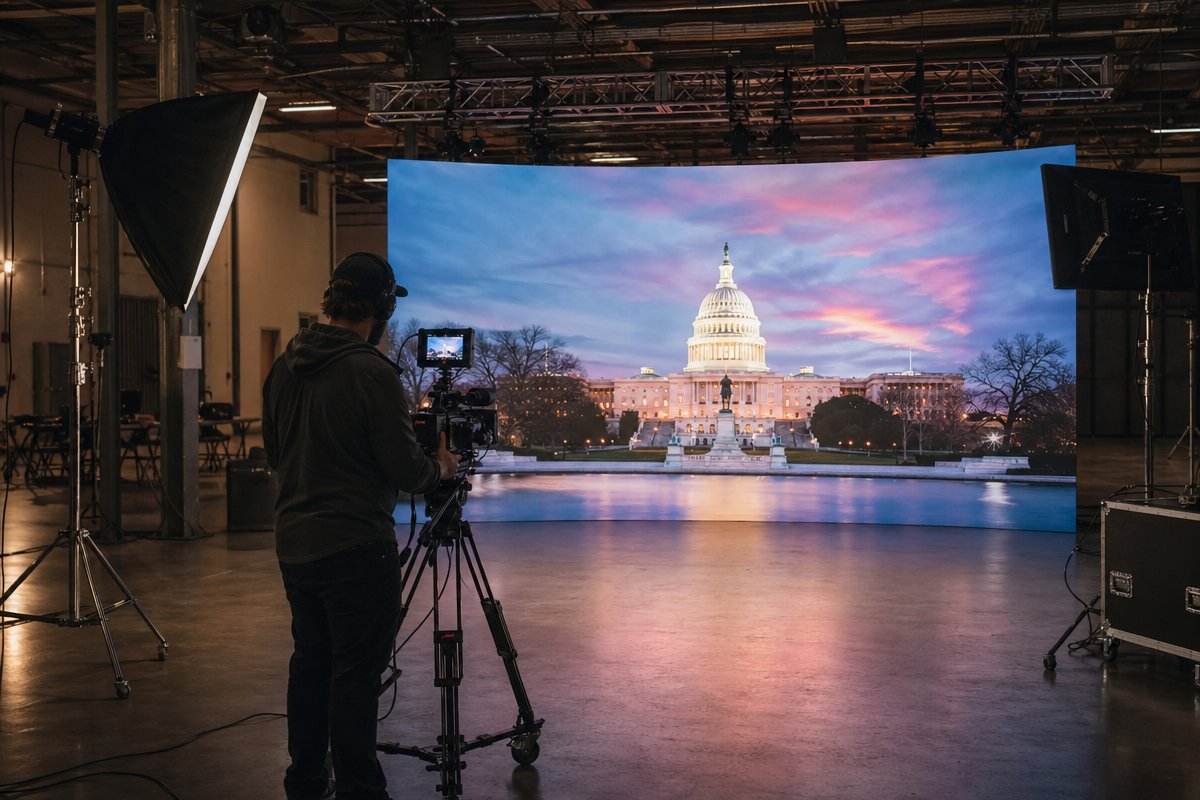
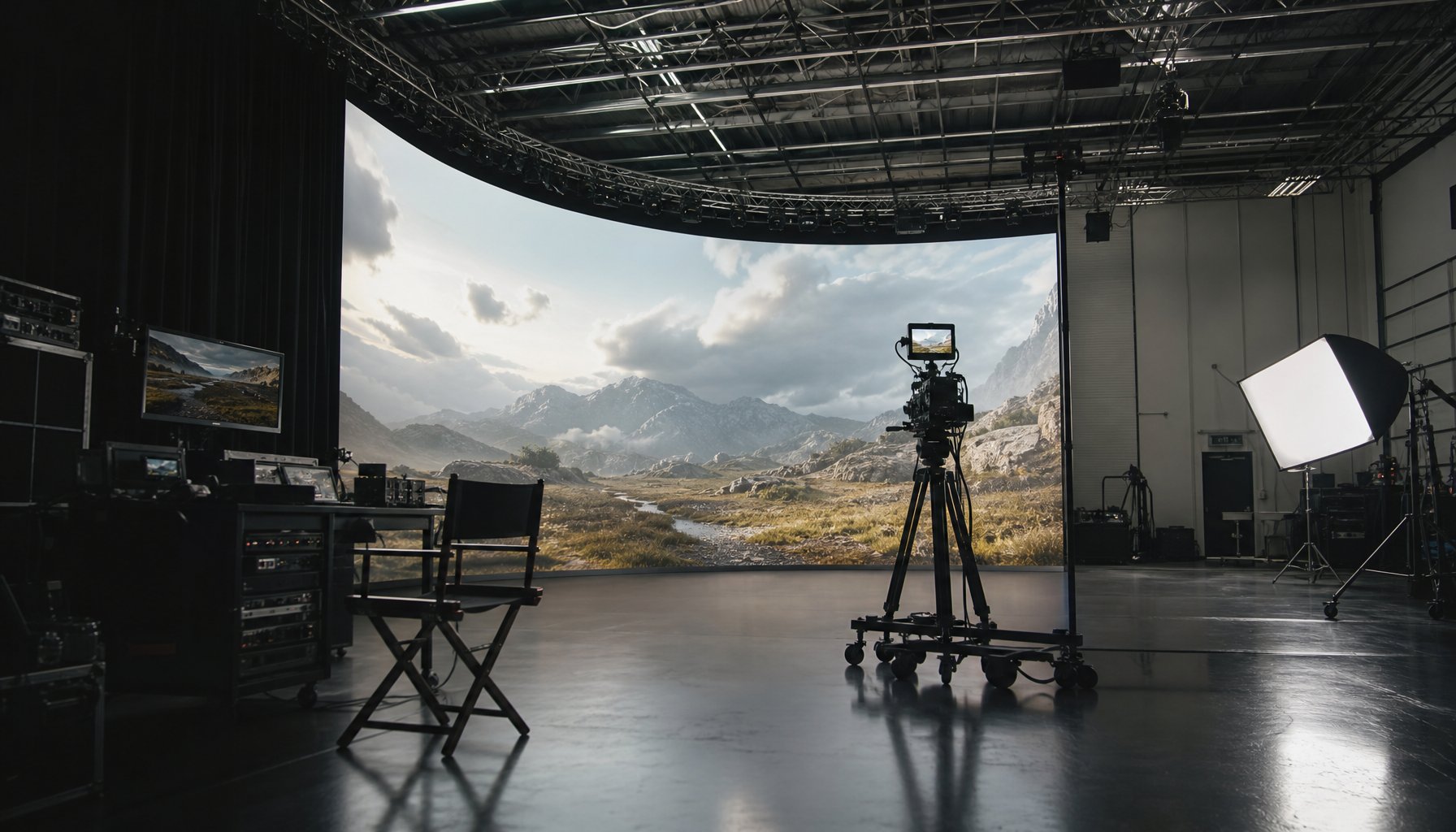
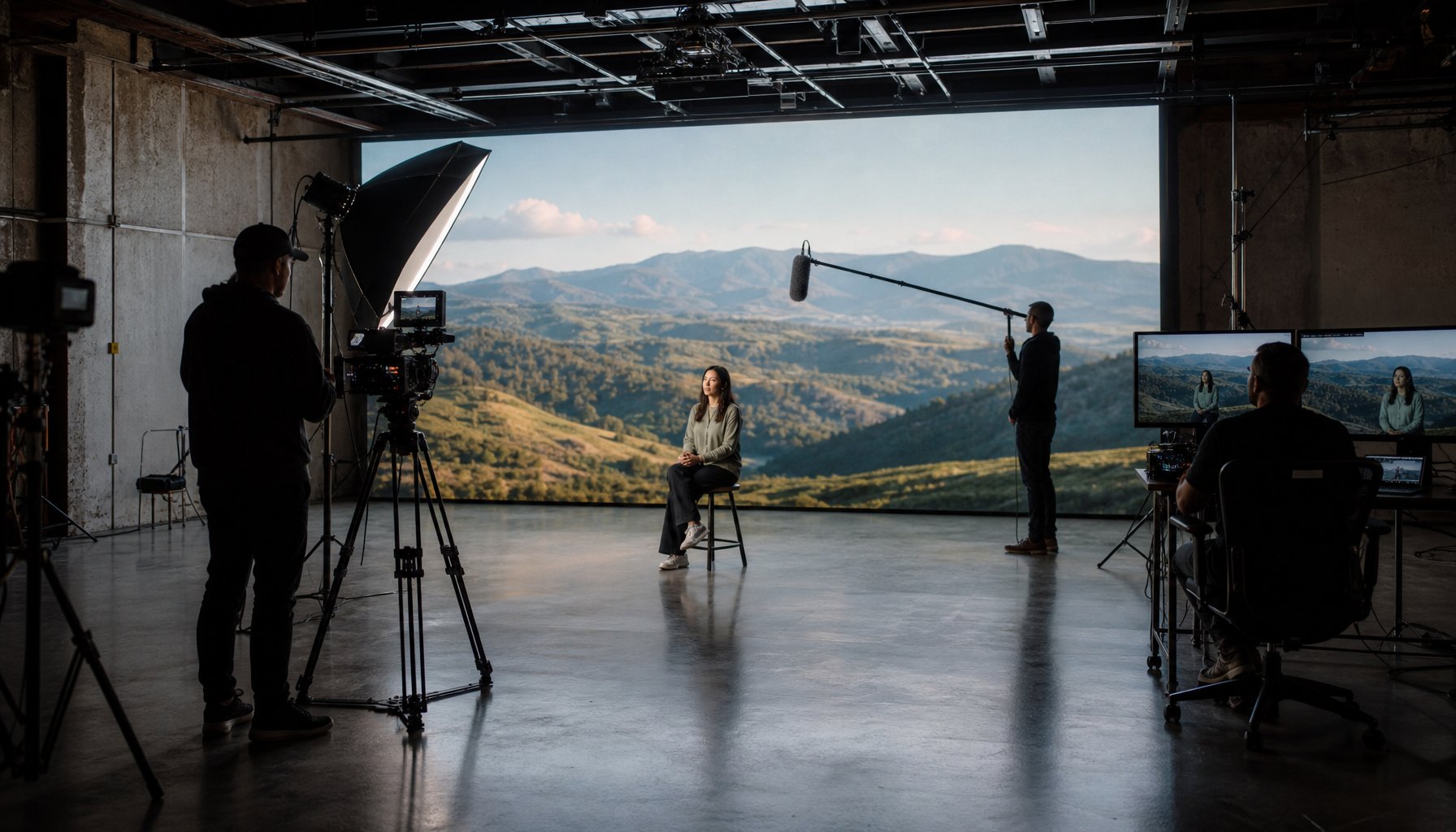
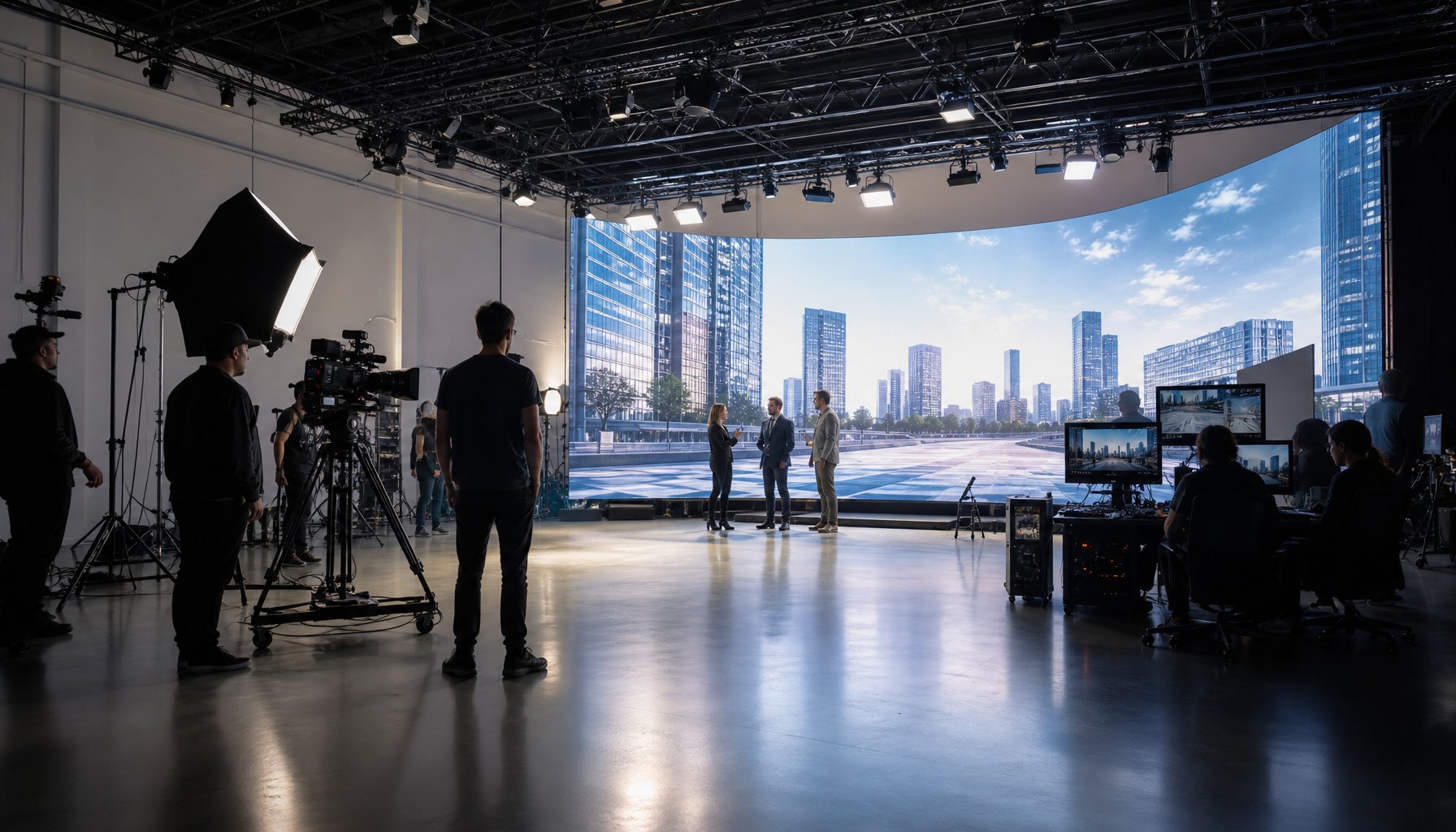
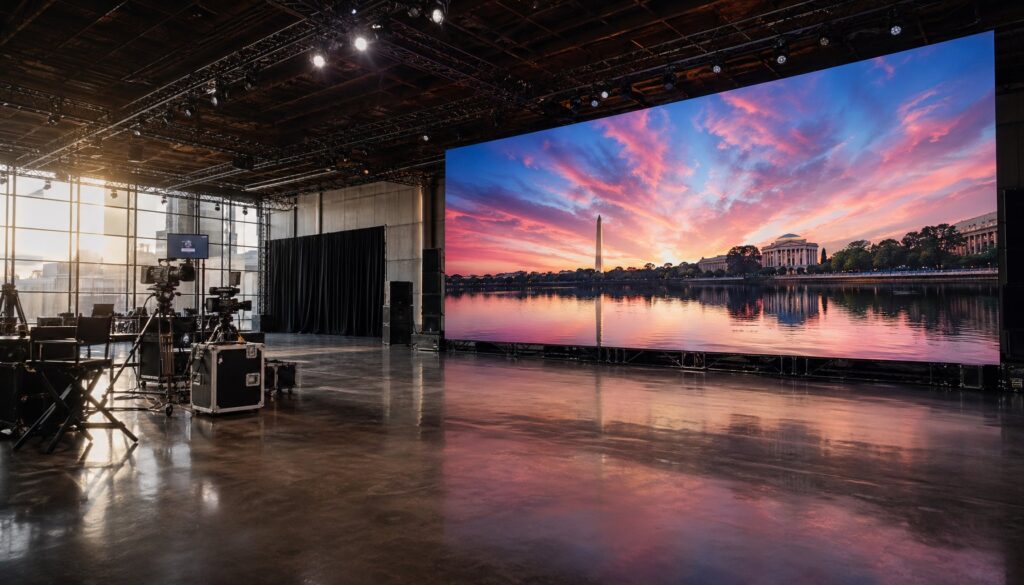
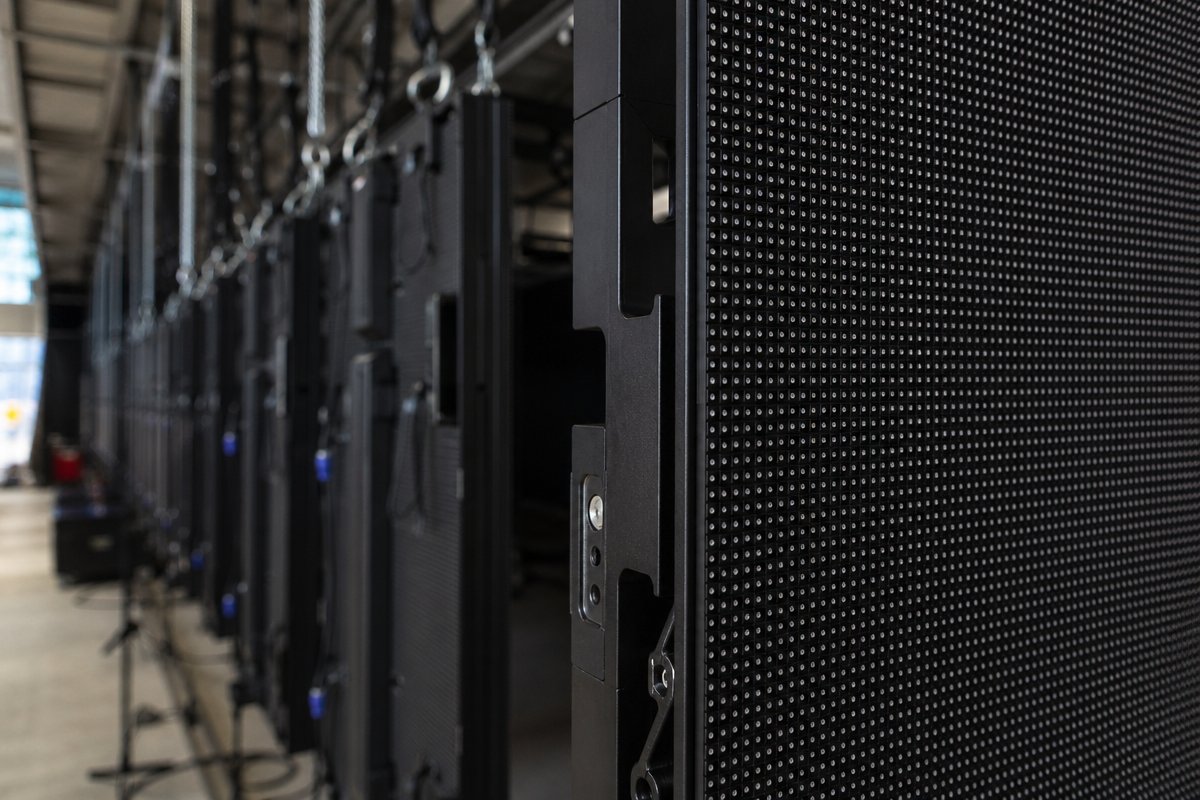
An LED wall, sometimes called an LED volume, is a large-scale display made up of modular LED panels tiled together to create a seamless, high-resolution screen. In a production context, the wall displays real-time backgrounds, environments, or visual effects behind the talent, which the camera captures in-camera rather than adding in post-production.
The Technology Behind Virtual Production
Modern LED walls used for video production leverage technology popularized by shows like The Mandalorian. Powered by real-time rendering engines such as Unreal Engine, the background imagery on the LED wall moves and shifts in response to camera position. This creates realistic parallax, reflections, and lighting that are nearly impossible to replicate with a traditional green screen.
- In-camera visual effects (ICVFX): What you see on set is essentially what you get in the final footage, dramatically reducing post-production time.
- Dynamic lighting: The LED wall itself emits light that wraps naturally around talent and objects, eliminating the flat, artificial look of studio lighting against a green screen.
- Real-time environment changes: Need to shift from a cityscape to a boardroom to a tropical beach? It takes seconds, not hours of set dressing.
LED Wall vs. Green Screen
Green screens have been the standard for decades, but they come with well-known drawbacks: color spill on talent and wardrobe, extensive post-production keying, and the inability for actors or presenters to see their environment. LED walls solve all of these problems. For DC-area productions where budgets need to be justified clearly, the reduced post-production cost alone often makes LED wall rental the more economical choice over multi-day green screen compositing.
Why DC Is a Prime Market for LED Wall Rental
Washington DC is not just the nation’s capital; it is a powerhouse for video content creation. The density of federal agencies, advocacy organizations, corporate headquarters, and media outlets creates constant demand for high-quality video.
Who Is Renting LED Walls in the DC Area?
- Government agencies producing training videos, recruitment content, and public service announcements that require controlled, professional environments.
- Nonprofits and advocacy groups creating impactful campaign videos with cinematic backdrops on limited budgets.
- Corporate marketing teams filming brand videos, product launches, and executive communications.
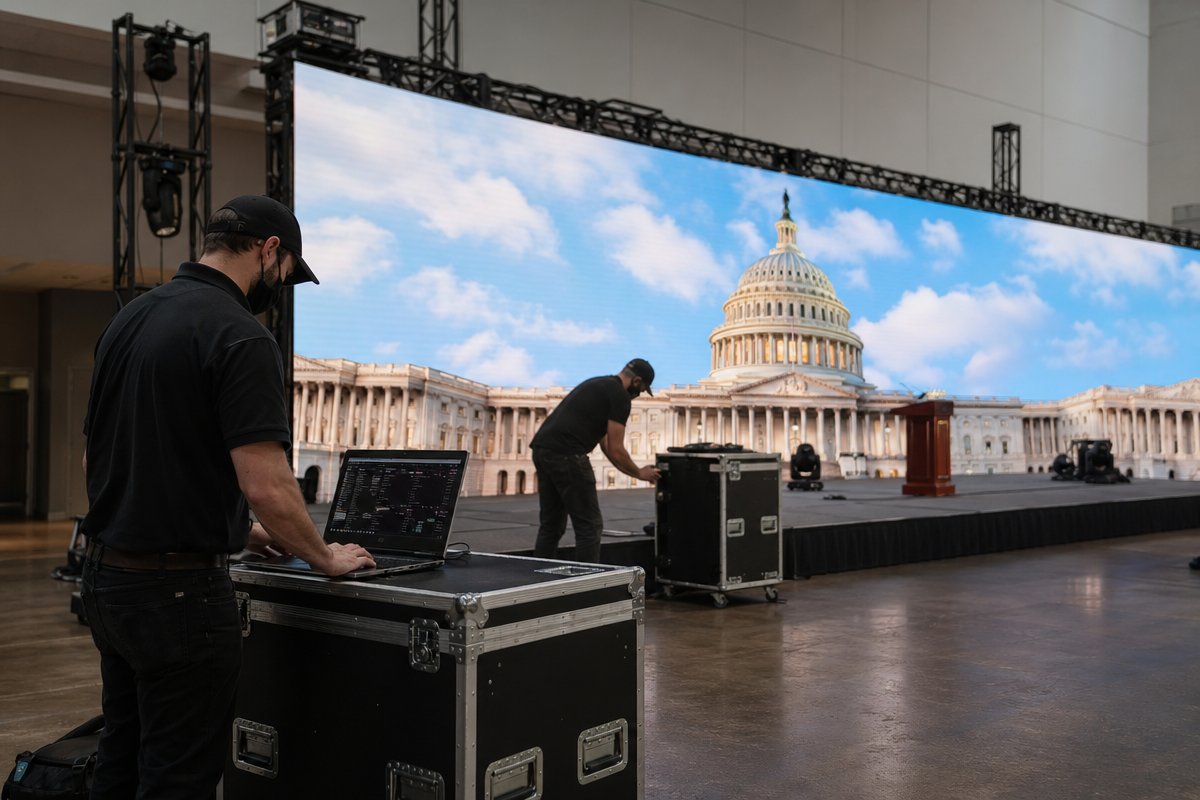
- Event producers using LED walls as immersive stage backdrops for conferences, galas, and hybrid events throughout DC, Northern Virginia, and Maryland.
- Healthcare and education institutions developing explainer content and virtual tours.
The Local Advantage
Renting an LED wall locally in the DC metro area, rather than shipping equipment from Los Angeles or New York, eliminates significant freight costs, reduces setup risk, and gives you access to technicians who understand the unique needs of DC-area productions. Studios based in the region also understand permitting, local crew availability, and the fast turnaround schedules that government and corporate clients typically require.
Key Specs and Features to Evaluate
Not all LED walls are created equal. When you are evaluating an LED wall rental in DC, here are the technical specifications that matter most for production quality.
Pixel Pitch
Pixel pitch refers to the distance in millimeters between the center of one LED pixel and the next. A smaller pixel pitch means higher resolution at closer viewing distances.
- P1.5 to P2.0: Ideal for close-up talent shots and detailed virtual production work.
- P2.5 to P3.0: Suitable for wider shots, event stages, and backgrounds where the camera is farther from the wall.
- P4.0 and above: Best for large-scale event displays where the audience is at a significant distance.
For most studio-based video production, you want a pixel pitch of P2.5 or smaller to ensure the background looks photorealistic on camera.
Panel Size, Resolution, and Refresh Rate
Consider the total wall dimensions you need. A standard virtual production LED volume might range from 20 feet wide by 10 feet tall to much larger configurations for full wraparound stages. Key factors include:
- Total resolution: Higher resolution means more detail in backgrounds, which is critical for 4K and above capture.
- Refresh rate: Look for walls with refresh rates of 3,840 Hz or higher to avoid banding or flickering on camera, especially at higher frame rates.
- Color accuracy: Professional-grade panels should cover a wide color gamut with consistent calibration across every tile.
Processing and Content Playback
The LED wall itself is only part of the equation. You also need a media server or real-time rendering workstation capable of driving the wall content. For virtual production workflows, this typically means an Unreal Engine-powered system with camera tracking integration. For simpler playback of pre-rendered backgrounds or motion graphics, a high-end media server may suffice.
Pricing Factors for LED Wall Rental in DC
One of the most common questions production teams ask is: How much does it cost to rent an LED wall in DC? The honest answer is that pricing varies significantly based on several factors.
What Drives the Cost
- Wall size and configuration: A 10-by-8-foot flat wall costs significantly less than a 40-foot curved volume with ceiling panels.
- Pixel pitch: Finer pixel pitch panels are more expensive per square foot.
- Rental duration: A single-day shoot versus a multi-week production will have different rate structures. Most providers offer discounted day rates for longer bookings.
- Technical support and crew: Do you need LED technicians, a virtual production supervisor, a Disguise or Brompton operator, and camera tracking specialists? Crew costs add up but are essential for professional results.
- Content creation: If you need custom 3D environments built in Unreal Engine, that is a separate creative cost on top of the hardware rental.
- Location: Renting a wall installed in an existing studio space is typically more cost-effective than shipping, rigging, and de-rigging panels at an external venue.
Ballpark Ranges
While exact quotes require a conversation about your specific project, DC-area LED wall rentals for production purposes generally range from a few thousand dollars per day for a basic flat-wall setup to $15,000 or more per day for a full virtual production stage with real-time rendering, camera tracking, and dedicated crew. Event-focused LED wall rentals may follow different pricing models based on square footage and event duration.
The key takeaway: always request an itemized quote so you understand exactly what is included in hardware, software, crew, setup, and teardown.
What to Look for in a DC-Area LED Wall Provider
Choosing the right provider is just as important as choosing the right technology. Here is what separates a professional LED wall rental partner from a vendor who simply drops off equipment.
End-to-End Production Capability
The best providers are not just AV rental companies. They are production studios that understand cinematography, lighting, directing, and post-production. When your LED wall provider also handles your video production, everything integrates seamlessly: camera settings are optimized for the wall, lighting is designed to complement the LED output, and the creative team understands how to maximize the technology for your story.
Experienced Technical Crew
LED walls require skilled technicians for calibration, color matching, content mapping, and troubleshooting. Ask potential providers:
- How many virtual productions have they completed?
- Do they have in-house LED technicians or do they subcontract?
- What rendering engine and processing hardware do they use?
- Can they show you a demo reel of past LED wall projects?
Studio Space and Infrastructure
A dedicated studio with a permanently installed or frequently configured LED wall is a strong signal of expertise. Studios designed for virtual production will have proper power infrastructure, climate control, acoustic treatment, and rigging systems already in place. This avoids the costly surprises that come with setting up LED walls in unprepared venues.
Client Portfolio and References
Look for providers who have worked with clients in your sector. A studio trusted by government agencies, major nonprofits, and corporate brands has likely navigated the compliance, review cycles, and quality standards your project demands.
TriVision Studios, for example, operates a full-service virtual production stage in the DC metro area and has served leading brands, government agencies, and organizations across Washington DC, Northern Virginia, Maryland, and beyond. Their team handles everything from concept development and 3D environment design to filming and final delivery.
Frequently Asked Questions About LED Wall Rental in DC
How far in advance should I book an LED wall rental in DC?
For studio-based LED wall shoots, booking at least two to four weeks in advance is recommended, especially during peak production seasons in spring and fall. Larger virtual production projects involving custom environment design may require six to eight weeks of lead time to allow for creative development, testing, and rehearsals. High-demand periods around major DC events or government fiscal year deadlines can fill studio calendars quickly.
Can I use an LED wall for live events and conferences in DC?
Absolutely. LED walls are widely used as immersive stage backdrops for conferences, galas, award ceremonies, and hybrid events throughout the DC area. For live events, the wall can display branded visuals, live camera feeds, dynamic presentations, and pre-produced video content. Many production companies offer full event packages that include LED wall rental, rigging, content playback, and on-site technical support.
Do I need special cameras or lenses to shoot with an LED wall?
While you do not necessarily need specialized cameras, certain settings and equipment choices yield the best results. Cameras with global shutter or genlock capability help avoid LED moiré and scan-line artifacts. Wider aperture lenses create natural depth of field that makes LED backgrounds look more cinematic. Your production team should also calibrate frame rate and shutter speed to match the wall’s refresh rate. An experienced virtual production provider will handle all of these technical details for you.
Is LED wall rental more cost-effective than on-location shooting?
In many cases, yes. When you factor in travel costs, location permits, weather delays, crew travel days, and extensive post-production compositing, an LED wall shoot can be significantly more cost-effective, especially for projects requiring multiple locations or environments. A single studio day with an LED wall can replicate scenes that would otherwise require days of travel and separate location setups.
What size LED wall do I need for my project?
The ideal size depends on your shot composition and content type. For interview-style or talking-head videos, a flat wall as small as 10 by 8 feet may suffice. For narrative content, commercials, or immersive virtual production where the camera moves and wider shots are needed, a curved wall of 20 feet or more with additional ceiling panels creates the most convincing result. A good provider will consult with you on the optimal configuration for your specific creative goals and budget.
What is included in a typical LED wall rental package?
Packages vary by provider, but a comprehensive rental should include the LED panels and mounting hardware, a media server or real-time rendering workstation, on-site technical support for setup, calibration, and operation during the shoot, and teardown. Premium packages may also include camera tracking systems, custom 3D environment creation, lighting design, and full video production crew. Always ask for a detailed breakdown so there are no surprises on shoot day.
Ready to Bring Your Vision to Life?
The demand for LED wall rental in DC is growing rapidly, and for good reason. The technology delivers stunning visuals, eliminates common production headaches, and can actually save money compared to traditional multi-location shoots. But the quality of your final product depends heavily on the provider you choose.
TriVision Studios brings years of video production expertise, a dedicated virtual production stage, and a proven track record with DC-area brands, government agencies, and organizations of all sizes. From initial concept through final delivery, their team ensures every pixel on the wall serves your story.
Get in touch with TriVision Studios today to discuss your next LED wall project and get a customized quote tailored to your production needs.