Your organization has a story to tell, but walls of text and static slides are not cutting through the noise anymore. If you have ever wondered what is corporate video production and whether it is the missing piece in your communications strategy, you are not alone. According to Wyzowl’s 2026 State of Video Marketing report, 91 percent of businesses now use video as a marketing tool, and 87 percent say it directly increases sales. For companies in Washington DC, where government agencies, nonprofits, and Fortune 500 firms compete for attention every single day, understanding corporate video production is no longer optional — it is essential.
What Is Corporate Video Production?
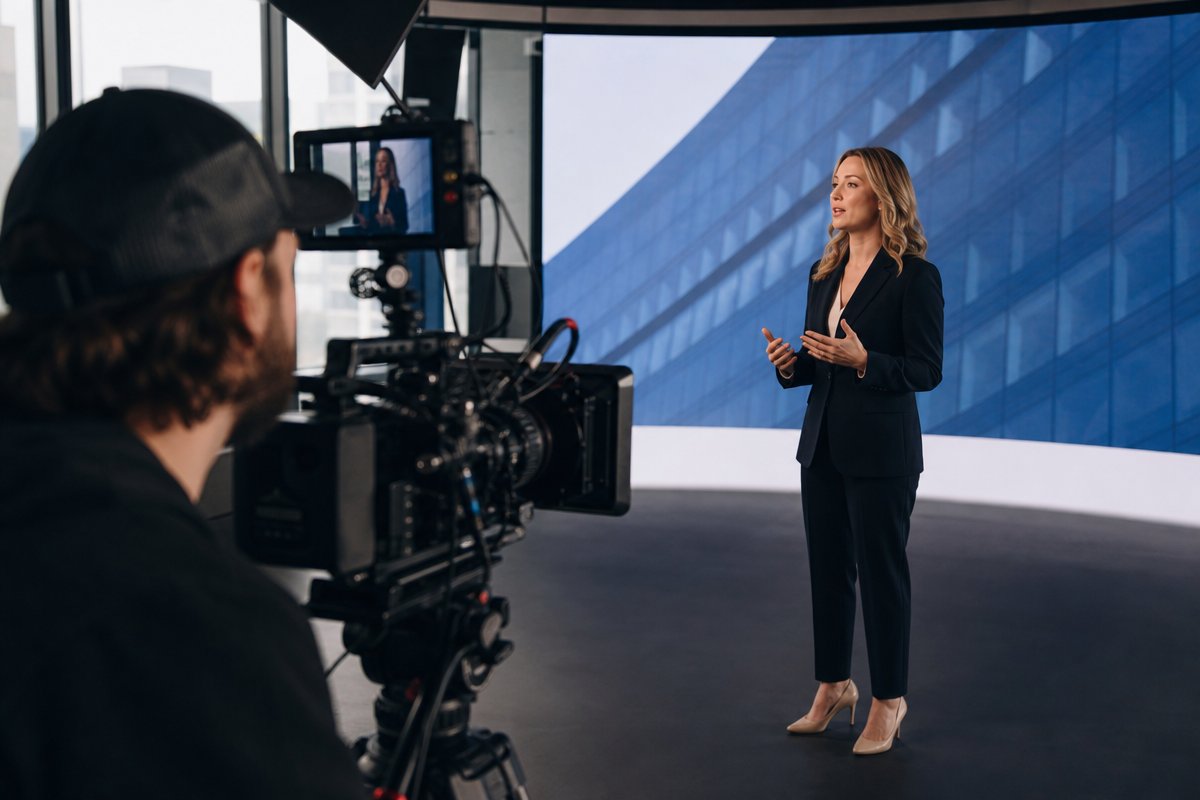
Corporate video production is the process of planning, filming, editing, and distributing video content specifically designed to serve a business or organizational objective. Unlike commercial advertising that targets mass consumer audiences, corporate video is created for a more defined purpose: internal communications, stakeholder engagement, employee training, brand storytelling, or thought leadership.
At its core, corporate video production transforms complex messages into clear, visually compelling narratives. Whether a healthcare company needs to explain a new patient portal to staff across three states or a government contractor must present quarterly results to leadership, video becomes the vehicle that carries the message further and faster than any other medium.
A professional corporate video production workflow typically includes:
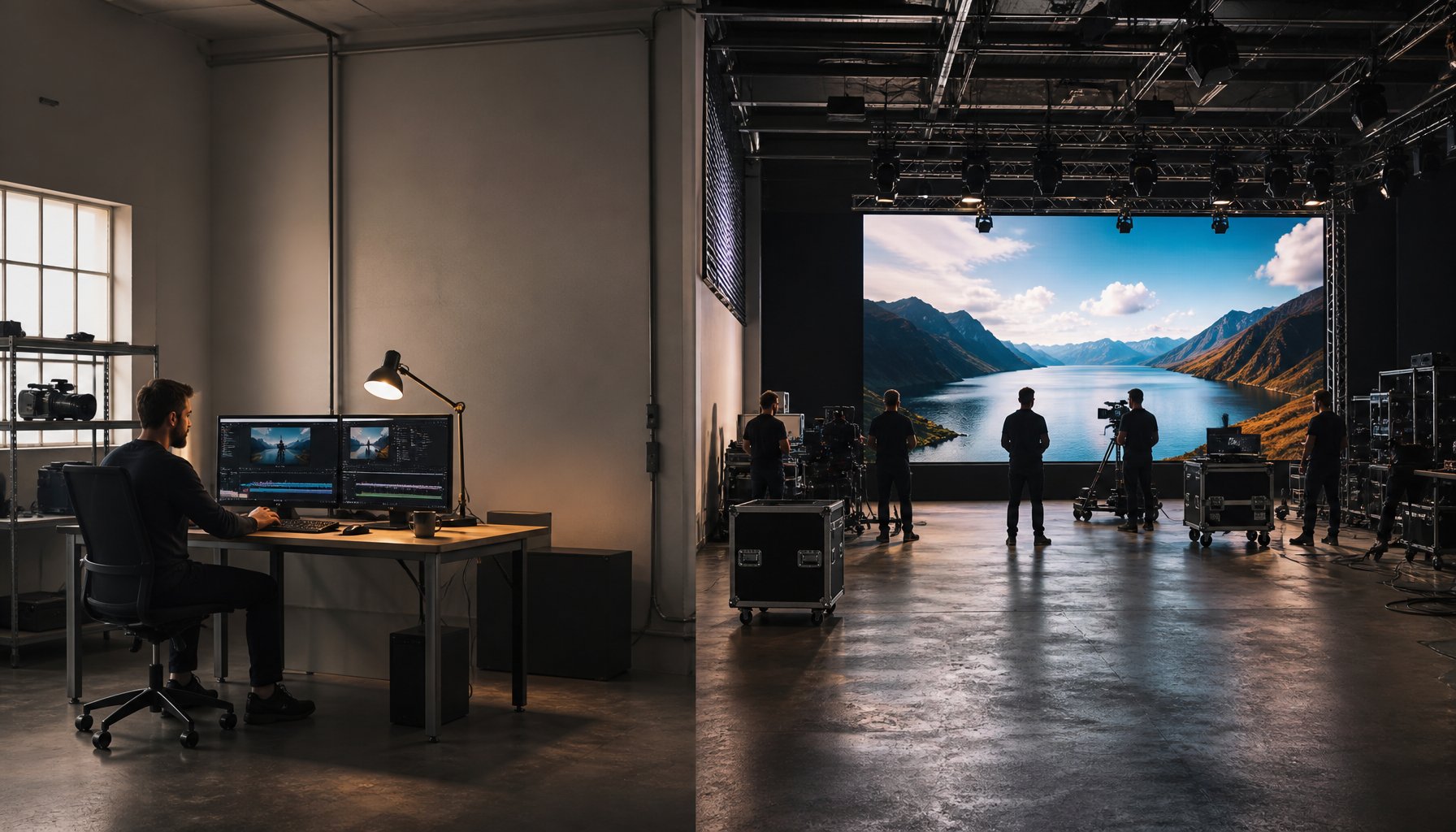
- Pre-production: Discovery calls, scriptwriting, storyboarding, location scouting, and talent coordination
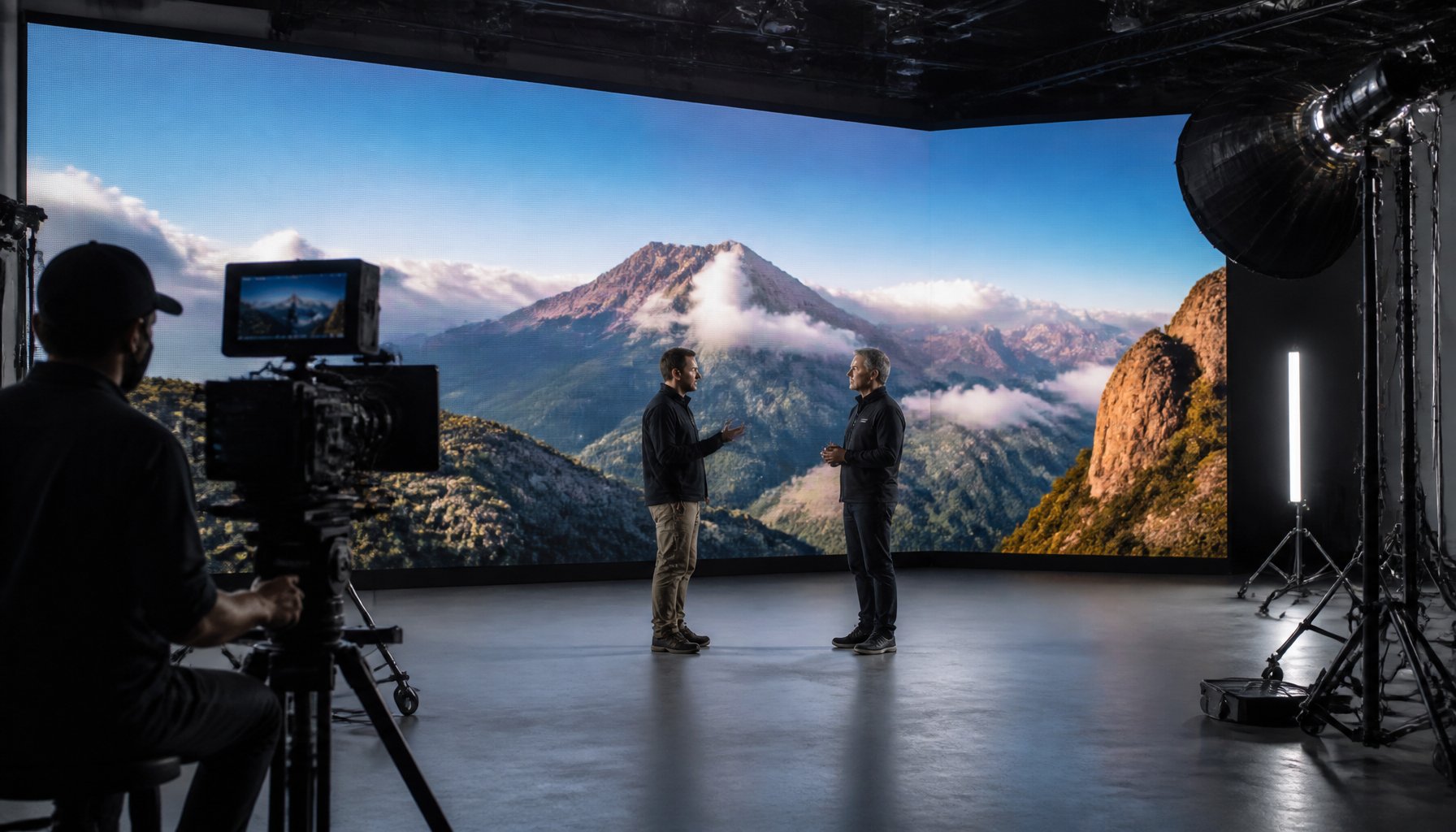
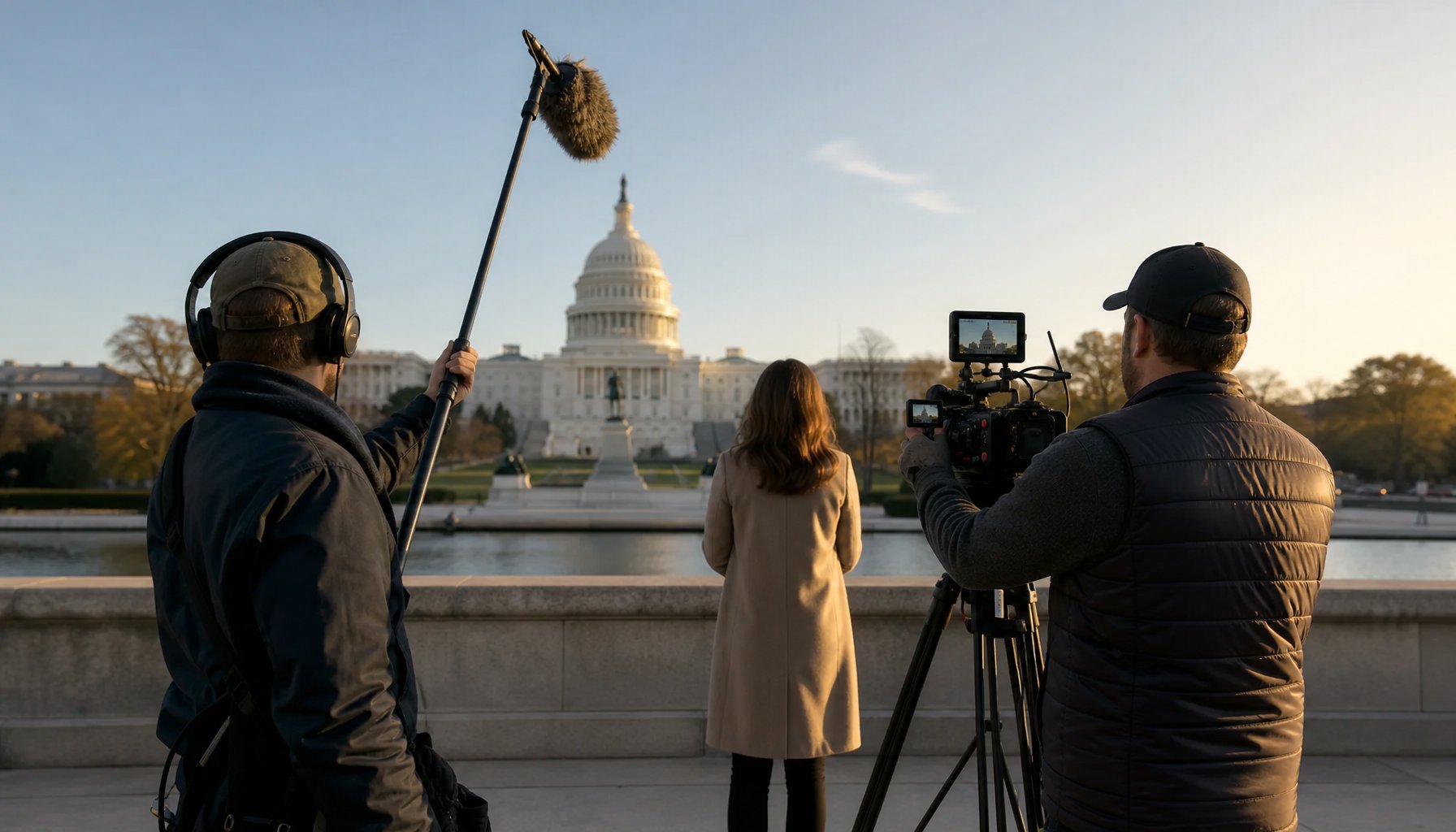
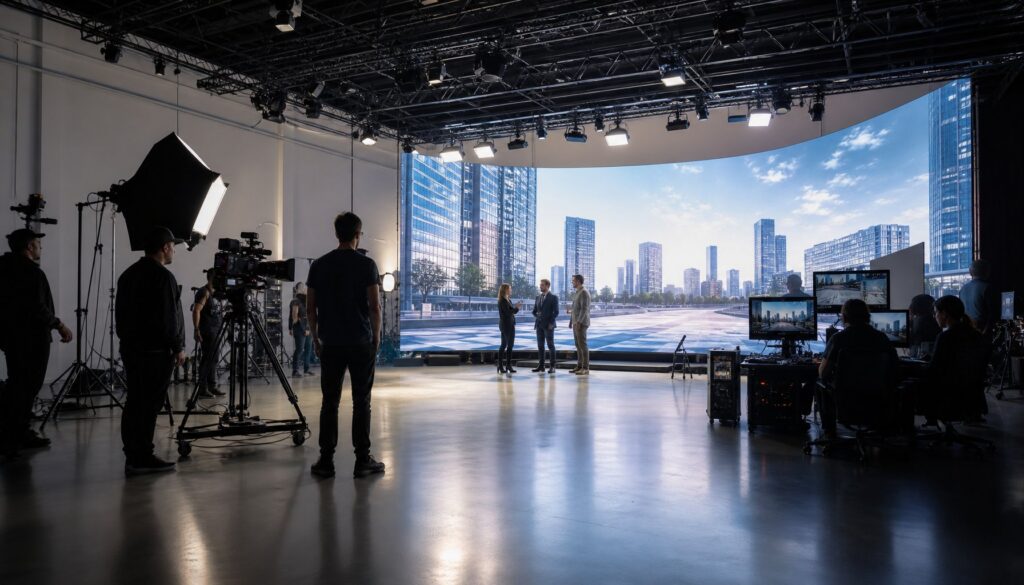
- Production: On-location or in-studio filming with professional crews, lighting, and audio equipment
- Post-production: Editing, color grading, motion graphics, sound design, and final delivery in multiple formats
The key distinction is intentionality. Every creative decision — from the interview backdrop to the background music — serves a strategic business goal.
Types of Corporate Video Production
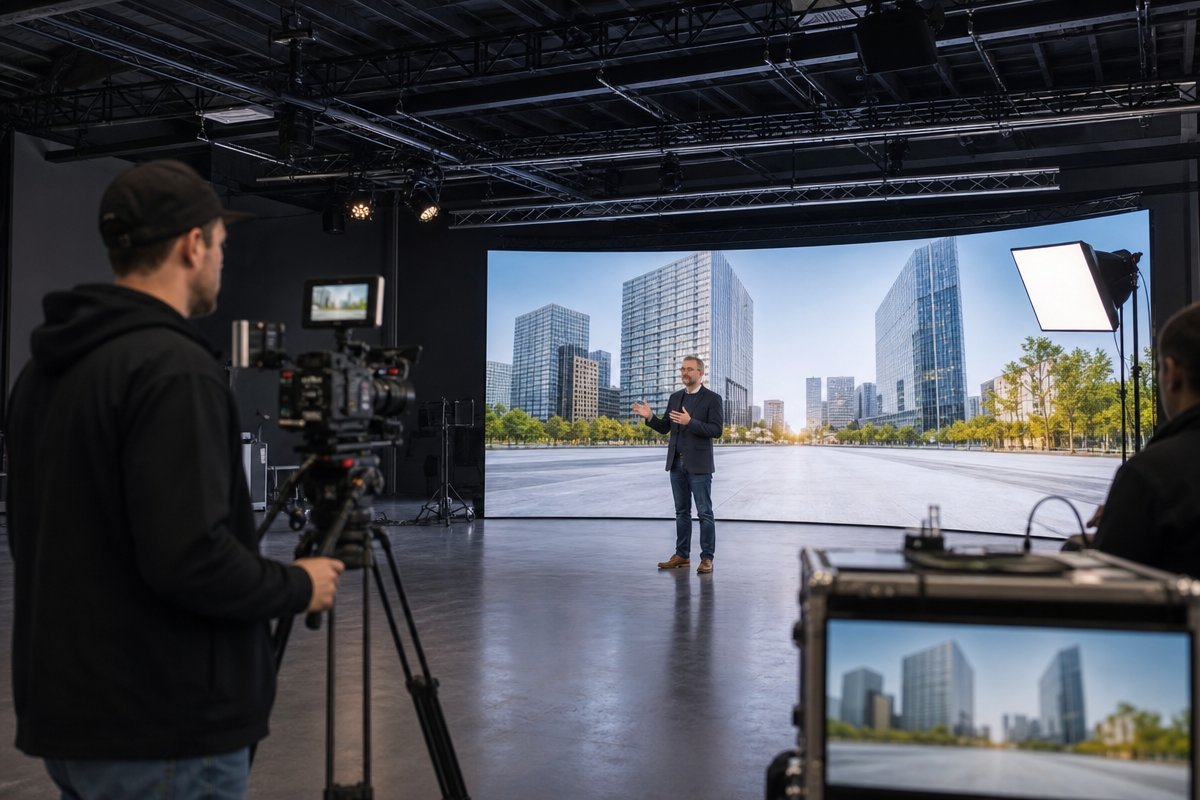
One of the most common misconceptions is that corporate video means one thing: a person talking to a camera in a conference room. In reality, the category encompasses a wide range of formats, each suited to different goals and audiences. Here are the most impactful types organizations in Washington DC and beyond rely on.
Brand Story and Culture Videos
These videos communicate who you are, what you stand for, and why it matters. They are often used on websites, at conferences, and during recruitment. A compelling brand video weaves together executive interviews, employee testimonials, and cinematic b-roll to create an emotional connection with viewers. For organizations in competitive markets like DC, this type of video can be a powerful differentiator.
Training and Educational Videos
When consistency and clarity matter — think compliance training, onboarding processes, or safety protocols — video outperforms text-based materials every time. Studies from the National Training Laboratories suggest that retention rates for video-based learning can reach 65 percent compared to just 10 percent for reading. Government agencies and healthcare organizations in the DC metro area frequently invest in training video production for exactly this reason.
Internal Communications Videos
Town halls, CEO updates, policy announcements, and change-management messages all benefit from video. When a leader speaks directly to employees through video rather than a memo, it builds trust and transparency. This is especially valuable for organizations with distributed workforces across multiple offices or remote environments.
Testimonial and Case Study Videos
Nothing builds credibility faster than hearing real clients or partners describe their experience in their own words. Testimonial videos serve as social proof and can be used across sales decks, landing pages, email campaigns, and trade show displays. In a city like Washington DC, where relationships and reputation drive business development, a polished testimonial video is one of the highest-ROI assets you can produce.
Product and Service Explainer Videos
Complex offerings — especially in the technology, financial, and government contracting sectors — often need visual simplification. Explainer videos use a mix of live action, animation, and motion graphics to make the complicated feel intuitive. These videos typically run between 60 and 120 seconds and are designed for top-of-funnel marketing efforts.
Event Recap and Highlight Videos
Conferences, galas, award ceremonies, and summits represent significant investments of time and money. A professionally produced recap video extends the life of that investment by capturing key moments, amplifying reach on social media, and providing content for future promotional efforts. Nonprofits and advocacy organizations in DC lean heavily on highlight reels to maintain donor engagement long after an event concludes.
Recruitment and Employer Branding Videos
The competition for talent is fierce, particularly in sectors like technology, healthcare, and government. Recruitment videos give candidates a genuine look at workplace culture, team dynamics, and the day-to-day experience of working at your organization. LinkedIn data consistently shows that job postings with video receive significantly more applications than those without.
How Organizations in Washington DC Use Corporate Video
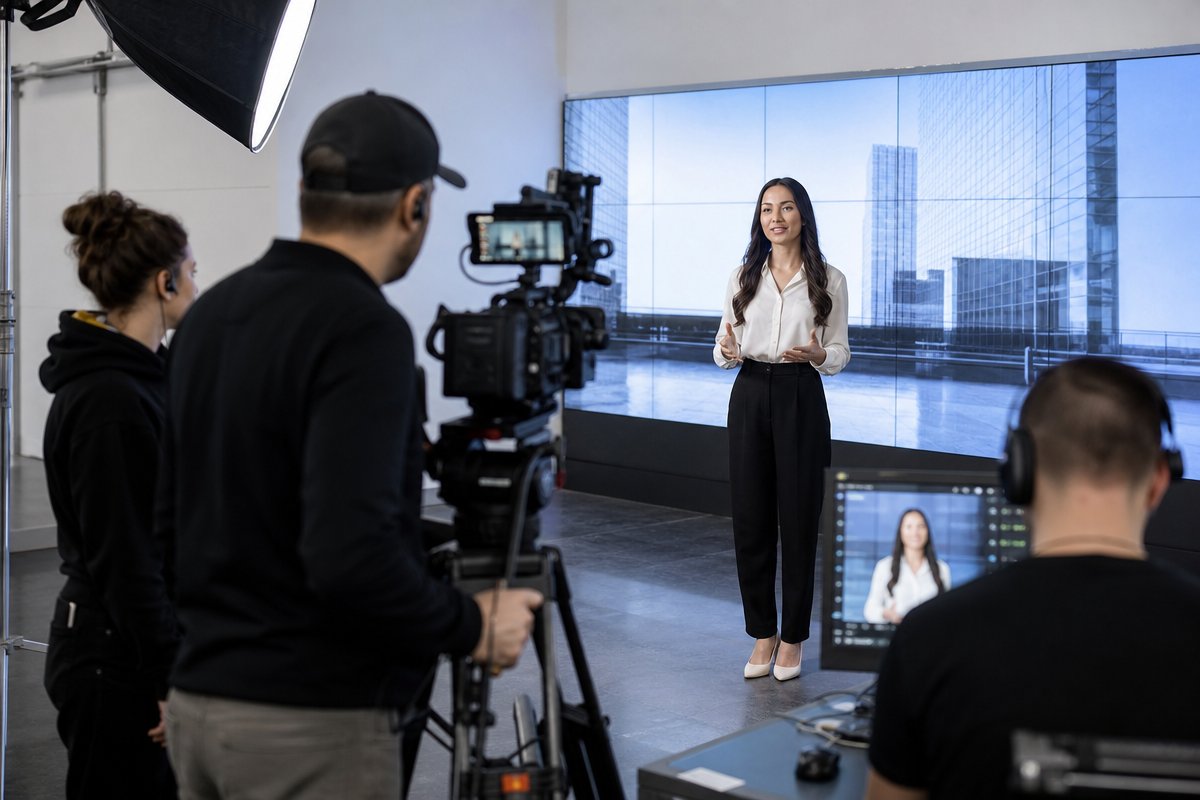
Washington DC is a unique market. The concentration of federal agencies, international nonprofits, trade associations, defense contractors, and lobbying firms creates a communications landscape unlike anywhere else in the country. Here is how different sectors leverage corporate video production in the nation’s capital.
Government Agencies
Federal and state agencies use corporate video for public information campaigns, employee training, congressional briefings, and interagency communications. Accessibility standards such as Section 508 compliance are non-negotiable, and experienced production companies understand how to deliver video that meets those requirements without sacrificing quality.
Nonprofits and Advocacy Groups
For mission-driven organizations, video is the most effective tool for driving emotional engagement and fundraising. A two-minute impact video shown at an annual gala can generate more donations than a 20-page printed report. DC-based nonprofits use corporate video to share beneficiary stories, document program outcomes, and rally support around legislative priorities.
Healthcare Organizations
Hospitals, health systems, and public health agencies in the DC area produce videos for patient education, provider recruitment, facility tours, and community health campaigns. The sensitivity and regulatory complexity of healthcare messaging demands a production partner who understands the nuances of the industry.
Technology and Financial Services
Companies in these sectors use corporate video to demystify their offerings, establish thought leadership, and build trust with enterprise buyers. Product demos, animated explainers, and executive thought-leadership series are all common formats. In a B2B environment, video accelerates the sales cycle by letting prospects see and understand your value proposition before the first meeting.
What Makes a Corporate Video Effective?
Not all corporate videos are created equal. The difference between a video that sits unwatched on a YouTube channel and one that drives measurable results comes down to several factors.
- Clear objective: Every video should answer one question — what do we want the viewer to do or feel after watching? Without a defined goal, even the most beautifully produced video will underperform.
- Audience awareness: A training video for frontline employees requires a completely different tone and pace than a brand video targeting C-suite decision-makers. Knowing your audience shapes every creative choice.
- Authentic storytelling: Audiences can detect inauthenticity instantly. The most powerful corporate videos feel human, honest, and purposeful rather than scripted and stiff.
- Professional production quality: Poor audio, inconsistent lighting, or shaky footage undermine your credibility. In a market like Washington DC, where your audience includes discerning professionals and decision-makers, production quality signals organizational competence.
- Strategic distribution: A video is only effective if the right people see it. Planning for distribution — whether on your website, social channels, internal platforms, or at events — should begin during pre-production, not after the final edit is delivered.
Real-World Examples of Corporate Video in Action
To bring these concepts to life, consider these scenarios that reflect how organizations use corporate video production to solve real business challenges.
A National Nonprofit Launches a Policy Campaign
An advocacy organization headquartered in DC needs to rally public support for proposed legislation. They produce a two-minute narrative video featuring families directly affected by the policy issue. The video is distributed via email, social media, and displayed at a congressional briefing. Within three weeks, the campaign generates 50,000 petition signatures and secures coverage from two major news outlets.
A Technology Firm Rebrands and Recruits
A cybersecurity company in Northern Virginia undergoes a rebrand and needs to attract senior engineers. They invest in a series of employer branding videos featuring current team members discussing challenging projects, company culture, and professional growth opportunities. The videos are embedded in job postings and shared across LinkedIn. Application volume increases by 40 percent within the first quarter.
A Government Agency Standardizes Training
A federal agency with offices across 12 states needs to roll out a new compliance training program. Instead of flying instructors to each location, they produce a series of modular training videos with built-in knowledge checks. The result: consistent training delivery, reduced travel costs, and a 30 percent improvement in assessment scores compared to the previous in-person format.
Frequently Asked Questions About Corporate Video Production
What is the difference between corporate video production and commercial video production?
Corporate video production creates content for internal or B2B audiences to serve organizational goals like training, internal communications, or stakeholder engagement. Commercial video production creates content designed for consumer-facing advertising and broadcast. While they share similar production techniques, the strategic intent, audience, and distribution channels are different.
How long should a corporate video be?
The ideal length depends on the format and objective. Brand and explainer videos perform best between 60 and 120 seconds. Training videos can run 5 to 15 minutes when the content demands it. Testimonial videos are most effective at 2 to 3 minutes. The guiding principle is to be as concise as possible while fully delivering the message.
Do I need a professional production company, or can I produce videos in-house?
In-house production can work for simple, high-frequency content like social media clips or quick internal updates. However, for content that represents your brand externally — such as brand videos, testimonials, and executive communications — a professional production company brings the strategic expertise, equipment, and storytelling craft that elevate quality and impact. Organizations in Washington DC often partner with studios that understand their specific industry and audience.
What should I prepare before hiring a corporate video production team?
Before engaging a production partner, clarify your objective, target audience, key messages, desired distribution channels, and budget range. Having a clear brief accelerates the creative process and ensures alignment from the start. It is also helpful to gather examples of videos whose style or tone you admire to guide the creative conversation.
How is corporate video production different from event videography?
Event videography captures what happens at a live event — speeches, panels, networking, performances. Corporate video production is a broader discipline that encompasses pre-planned, scripted, and strategically produced content. That said, many corporate video projects include event coverage as one component of a larger content strategy.
Can corporate video be used for social media?
Absolutely. In fact, repurposing corporate video for social media is one of the smartest content strategies available. A single interview shoot can yield a full-length testimonial for your website, a 60-second cut for LinkedIn, a 30-second teaser for Instagram, and multiple quote-card clips for other platforms. Planning for multi-platform distribution during production maximizes your return on investment.
Partner With a Team That Understands Your Mission
Understanding what is corporate video production is the first step. The next step is finding a production partner who can translate your organization’s goals into video content that informs, inspires, and drives action.
TriVision Studios is a full-service video production company serving organizations across Washington DC, Northern Virginia, Baltimore, and Richmond. Trusted by leading government agencies, nonprofits, healthcare organizations, and corporations, TriVision brings strategic thinking and cinematic production quality to every project — from brand films and training series to testimonial campaigns and executive communications.
If you are ready to explore how corporate video can serve your organization’s goals, reach out to the TriVision Studios team to start the conversation.