Why Choosing the Right Government Video Production Company in DC Matters
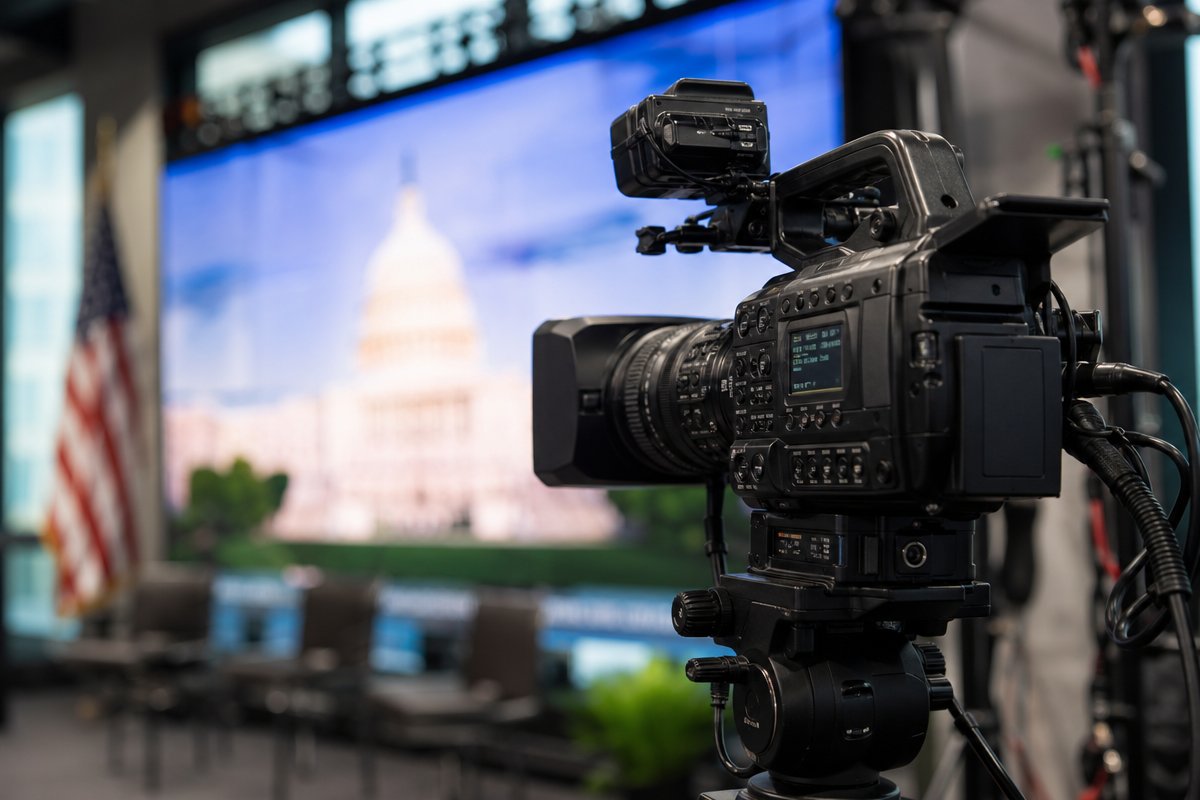
If you work for a federal agency, military branch, or government-adjacent organization in Washington DC, you already know that producing video content is not as simple as hiring the first production crew you find. Between federal procurement regulations, strict security protocols, and communication standards that must meet accessibility and compliance benchmarks, the stakes are uniquely high. According to the U.S. Government Accountability Office, federal agencies spent over $1.5 billion on public affairs and communications services in recent fiscal years — and video is an increasingly dominant share of that investment.
Finding a government video production company in DC that truly understands these complexities can save your team months of frustration, budget overruns, and compliance headaches. This guide is your insider look at what to expect when you partner with a production company built for the federal space — from the first contract conversation to final delivery.
Understanding Federal Procurement and How It Shapes Production
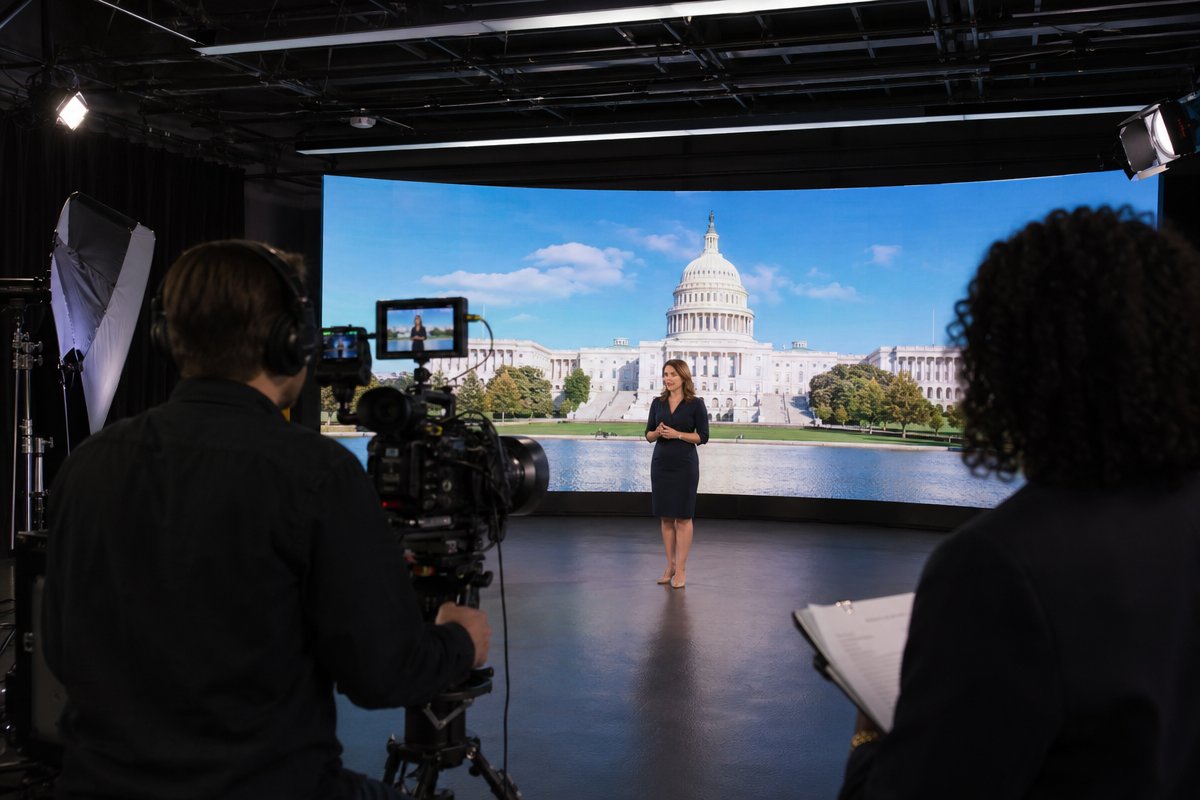
The first thing that separates government video production from commercial or corporate work is the procurement process itself. If you have ever navigated SAM.gov, managed a GSA Schedule contract, or issued a Request for Proposal (RFP), you know that federal purchasing is a world of its own. A production company experienced in this space will not blink at terms like sole-source justification, blanket purchase agreements, or task order contracts.
What a Government-Savvy Production Partner Should Offer
- FAR compliance knowledge: The Federal Acquisition Regulation governs nearly every government purchase. Your production partner should understand how these rules impact scope, billing, deliverables, and timelines.
- Experience with GSA Schedules: Many agencies prefer vendors already on a GSA Schedule because it streamlines procurement. Ask whether the company has direct experience working under these vehicles.
- Flexible proposal development: Government RFPs often require detailed technical proposals, cost breakdowns, past performance references, and capability statements. A qualified vendor will have a team or process in place to respond efficiently.
- Micro-purchase and simplified acquisition familiarity: Not every project requires a full RFP. Experienced companies understand when projects fall under micro-purchase thresholds or simplified acquisition procedures, making it easier to get started quickly.
At TriVision Studios, working within federal procurement frameworks has been part of the company’s DNA for years. Having served agencies across Washington DC, the team understands how to align creative production with the administrative realities of government contracting.
Security Clearances, Facility Access, and Sensitive Content
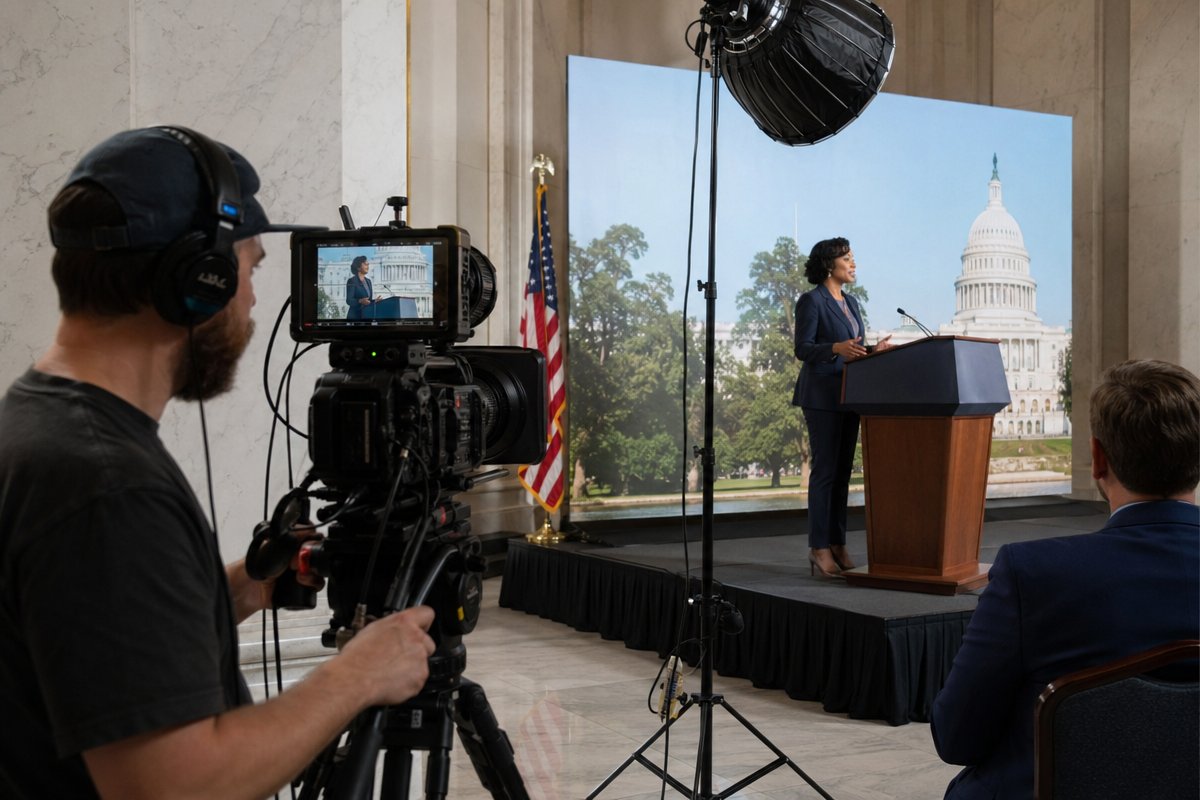
One of the most critical — and often underestimated — aspects of government video production is security. Many federal projects require filming inside secured facilities, working with classified or sensitive information, or producing content that involves personnel whose identities must be protected.
Key Security Considerations
- Personnel clearances: Some projects require crew members to hold active security clearances at the Secret or Top Secret level. Even when clearances are not mandatory, background checks and credentialing processes are common for facility access.
- Escort and access protocols: Filming inside government buildings — whether it is the Pentagon, a federal courthouse, or an agency headquarters — typically involves escort requirements, restricted zones, and equipment inspections.
- Content review and approval chains: Government video content often goes through multi-layered approval processes involving public affairs officers, legal review teams, and senior leadership. An experienced production company builds these review cycles into the project timeline from day one.
- Data handling and storage: Raw footage, interview transcripts, and draft edits may contain sensitive information. Your production partner should have secure file transfer and storage protocols that meet or exceed federal standards.
A production company that has never dealt with these realities will struggle to deliver on time and within scope. Look for a partner with a documented track record of navigating security requirements across multiple agencies and departments.
Government Communication Standards and Accessibility Compliance
Federal video content is not just about looking polished — it must meet specific communication and accessibility standards that commercial content rarely requires. These are not optional nice-to-haves. They are legal mandates.
Section 508 Compliance
Section 508 of the Rehabilitation Act requires that all electronic and information technology produced by or for federal agencies be accessible to people with disabilities. For video content, this means:
- Closed captions: Every video must include accurate, synchronized closed captions. Auto-generated captions are not sufficient — they must be reviewed and corrected by a human editor.
- Audio descriptions: For content where visual information is essential to understanding the message, audio descriptions must be provided for viewers who are blind or have low vision.
- Accessible media players: The video player used to distribute content must support keyboard navigation, screen readers, and caption toggling.
Plain Language and Audience Considerations
Government agencies are also subject to the Plain Writing Act, which requires that public-facing communications be clear, concise, and easy to understand. A good government video production company will help you translate complex policy topics, technical procedures, or legislative content into visual narratives that resonate with diverse audiences — from Capitol Hill staffers to the general public.
TriVision Studios has extensive experience producing content that balances authority with accessibility. Whether the project is a training video for federal employees, a public service announcement for a national campaign, or a documentary-style piece highlighting an agency’s mission, the team ensures every deliverable meets the standards your agency requires.
Types of Video Content Government Agencies Need Most
Government video production covers a remarkably broad range of formats and purposes. A versatile production company should be comfortable working across all of them.
Training and Educational Videos
Federal agencies invest heavily in workforce training. From onboarding new employees to rolling out new software systems or compliance procedures, training videos reduce costs and improve retention compared to in-person sessions alone. The shift to hybrid and remote work environments since 2020 has only accelerated this demand.
Public Affairs and PSA Content
Whether it is a public health campaign, a disaster preparedness initiative, or a recruitment drive, government PSAs need to communicate urgency and credibility. These videos often air across multiple platforms — broadcast television, social media, agency websites, and internal channels — requiring deliverables in multiple formats and aspect ratios.
Congressional Testimony and Event Coverage
Agencies frequently need professional documentation of hearings, briefings, town halls, and ceremonial events. Multi-camera setups, reliable audio capture, and fast turnaround are essential for this type of work.
Documentary and Mission-Driven Storytelling
Some of the most powerful government video content tells the story of an agency’s impact — the veterans served, the communities protected, the research that changes lives. Documentary-style production requires a team that can conduct interviews, gather b-roll in the field, and craft a compelling narrative arc under tight editorial oversight.
Internal Communications and Town Halls
Large federal organizations use video to communicate leadership messages, policy changes, and strategic priorities to thousands of employees across multiple locations. Studio production capabilities and live streaming services are critical for this type of content.
What the Production Process Looks Like for Government Clients
Understanding the typical workflow helps set expectations and ensures your internal team is prepared to support the project effectively.
- Discovery and scoping: The production company meets with your team to understand the project’s objectives, target audience, distribution channels, required approvals, and timeline constraints. For government work, this phase also covers security requirements and procurement logistics.
- Creative development: Scripts, storyboards, or treatment documents are developed and submitted for review. Expect at least one or two rounds of revision to accommodate feedback from public affairs, legal, and leadership.
- Pre-production planning: Locations are scouted (or studio time is booked), talent is cast or interview subjects are scheduled, permits are secured, and equipment lists are finalized. For government facilities, this phase includes coordinating building access and security protocols.
- Production: Filming takes place on location or in-studio. Experienced government production crews arrive prepared for the unexpected — tight windows of access, last-minute schedule changes from senior officials, and environments where flexibility is non-negotiable.
- Post-production: Editing, color grading, sound mixing, motion graphics, captioning, and audio description are completed. Draft cuts go through the agency’s review and approval process, which can involve multiple stakeholders.
- Final delivery: Approved content is exported in all required formats and resolutions. Closed caption files, transcripts, and archival masters are included. The production company should also provide guidance on hosting, distribution, and accessibility compliance for the final assets.
This structured process ensures that nothing falls through the cracks — especially important when public dollars and public trust are at stake.
Frequently Asked Questions About Government Video Production in DC
Do I need to use a vendor on a GSA Schedule for government video production?
Not always. While GSA Schedule vendors offer a streamlined procurement path, agencies can also use other contracting vehicles such as blanket purchase agreements, task orders under existing contracts, or the micro-purchase threshold for smaller projects. However, working with a vendor experienced in federal procurement — regardless of the specific vehicle — significantly reduces administrative friction and ensures compliance.
How long does a typical government video production project take?
Timelines vary widely depending on scope. A short internal communications video might take four to six weeks from kickoff to final delivery. Larger projects — such as a multi-part documentary series or a national PSA campaign — can take three to six months or longer, especially when factoring in security clearances, multi-stakeholder review cycles, and compliance checks.
What if our project involves classified or sensitive information?
A qualified government video production company will have protocols in place for handling sensitive content. This may include crew members with active security clearances, secure file transfer and storage systems, and strict chain-of-custody procedures for raw footage and draft edits. Always discuss these requirements during the discovery phase so the production company can plan accordingly.
How do we ensure our videos meet Section 508 accessibility standards?
Your production partner should build accessibility into the project from the start — not treat it as an afterthought. This means budgeting for professional closed captioning, planning for audio descriptions where needed, and delivering content in formats compatible with accessible media players. Ask for a Section 508 compliance checklist as part of the deliverables.
Can we film inside our federal building or do we need a studio?
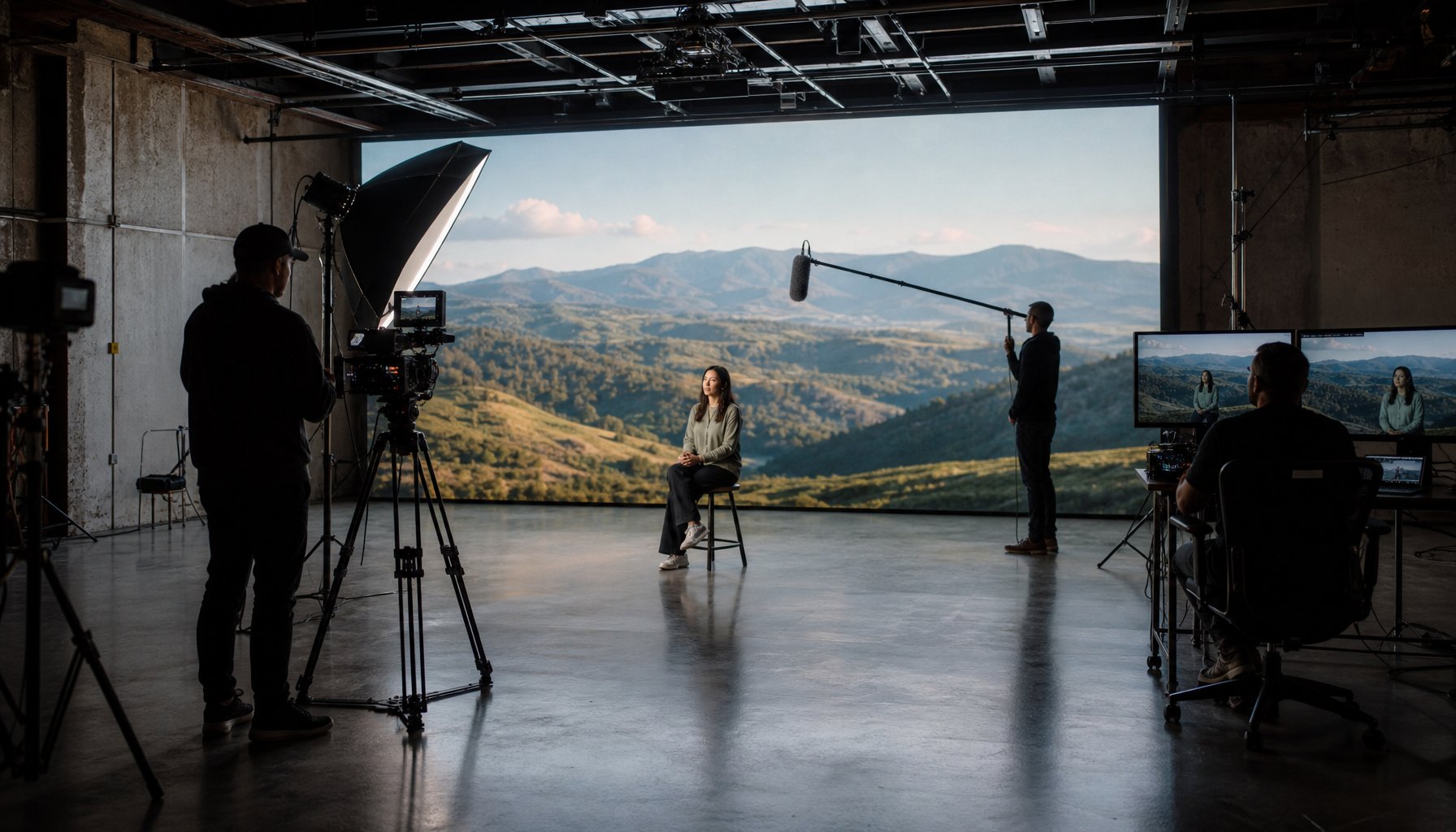
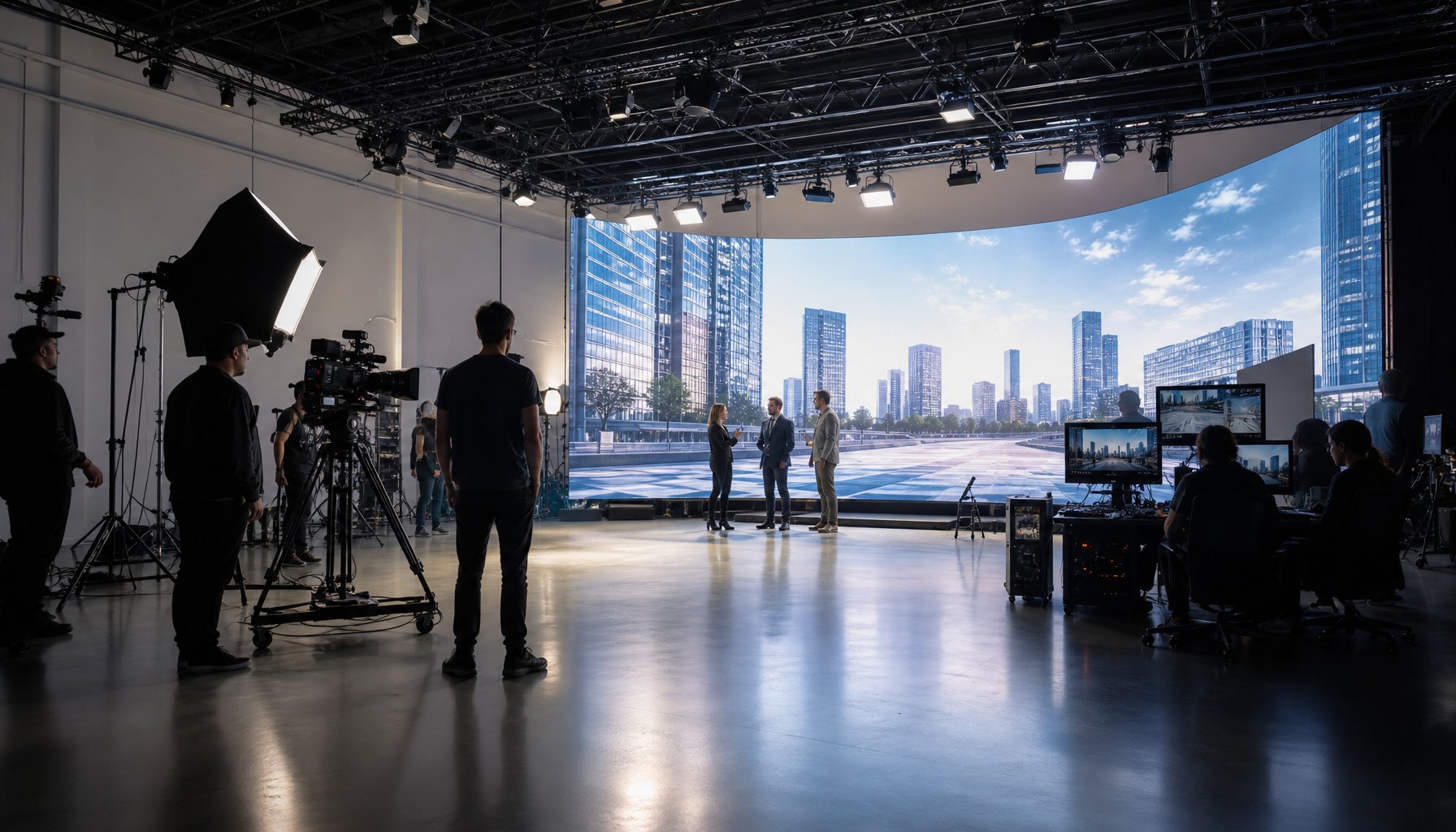
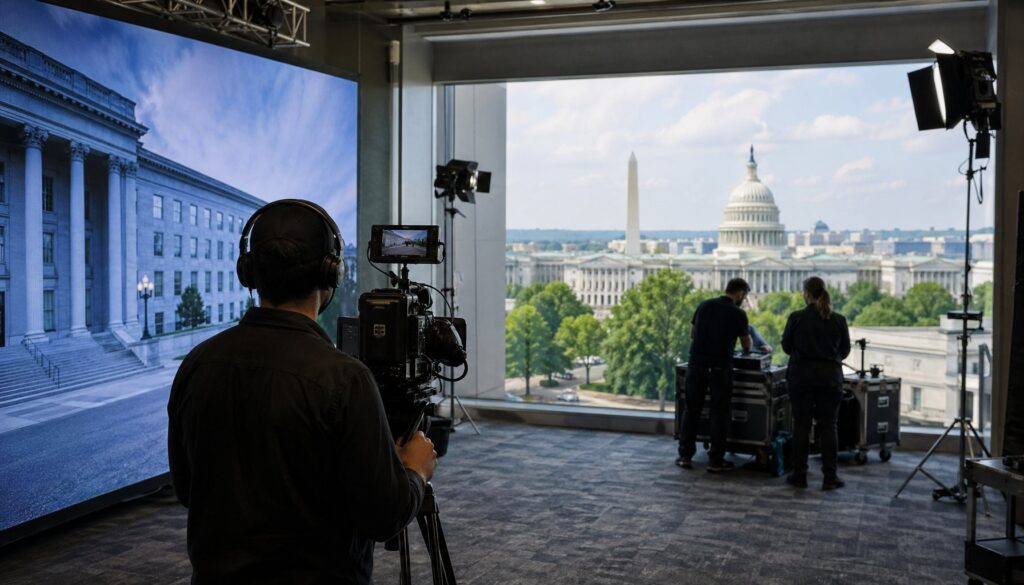
Both options are viable, and the right choice depends on your project. On-location filming adds authenticity and can showcase your agency’s work environment, but it requires advance coordination for building access, security, and logistical constraints. Studio filming offers a controlled environment with professional lighting and sound — ideal for interviews, training content, and talk-show-style formats. Many projects combine both approaches.
What should we include in an RFP for video production services?
A strong RFP should include the project’s objectives, target audience, desired formats and deliverables, timeline, budget range (if possible), evaluation criteria, accessibility requirements, and any security or compliance considerations. Providing as much detail as possible helps qualified vendors submit accurate, competitive proposals and reduces the need for follow-up clarifications.
Partner with a Team That Speaks Government
Government video production is not just about cameras and creativity — it is about understanding the unique environment in which federal agencies operate. From procurement protocols and security requirements to accessibility standards and multi-layered approval processes, every element of the production must be handled with precision and professionalism.
TriVision Studios has been a trusted government video production company in DC for years, serving federal agencies, military branches, and government-adjacent organizations across Washington DC, Northern Virginia, and Maryland. The team combines cinematic storytelling with deep institutional knowledge, delivering video content that meets the highest standards of quality and compliance.
If your agency is planning a video project in 2026 — whether it is a training series, a public service campaign, a documentary, or an internal communications initiative — contact TriVision Studios to discuss how a production partner built for government work can make the process smoother, faster, and more effective.