Why Video Production in DC Demands a Different Playbook
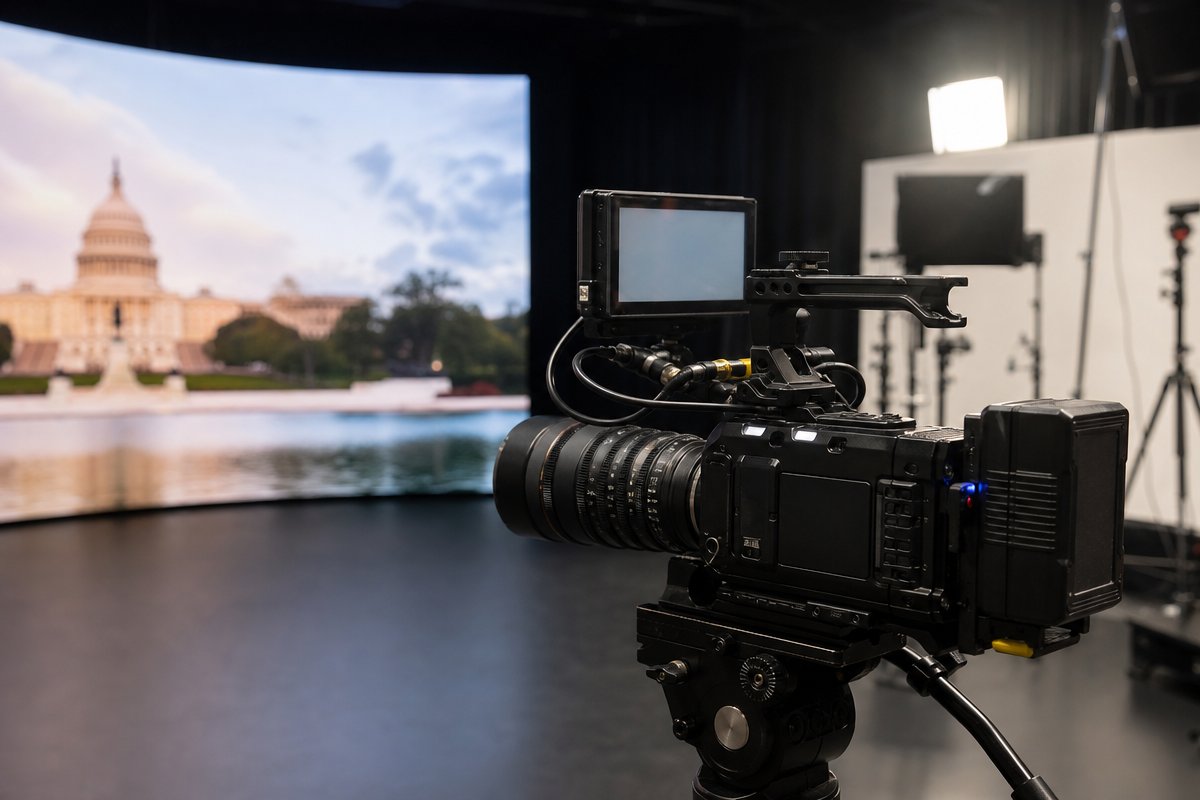
If you are planning a video shoot in the nation’s capital, you already know that Washington DC is not like any other city. Between restricted airspace, federal property regulations, and a production landscape shaped by politics, advocacy, and global diplomacy, video production DC projects require specialized knowledge that most generic guides completely ignore. Whether you are a brand marketer scouting locations, a nonprofit preparing a campaign launch, or a government communications team budgeting for the fiscal year, this guide gives you the practical, street-level insight you need to plan, shoot, and deliver professional video content in and around DC in 2026.
Consider this: according to the Motion Picture Association, the film and television industry supports more than 2.7 million jobs across the United States, and the DC metro area consistently ranks among the top markets for corporate and government video spending. That spending is not slowing down. Video now accounts for over 82% of all internet traffic, according to Cisco’s Annual Internet Report, making high-quality production in this market more critical—and more competitive—than ever.
The DC Filming Landscape: Neighborhoods and Locations Worth Knowing
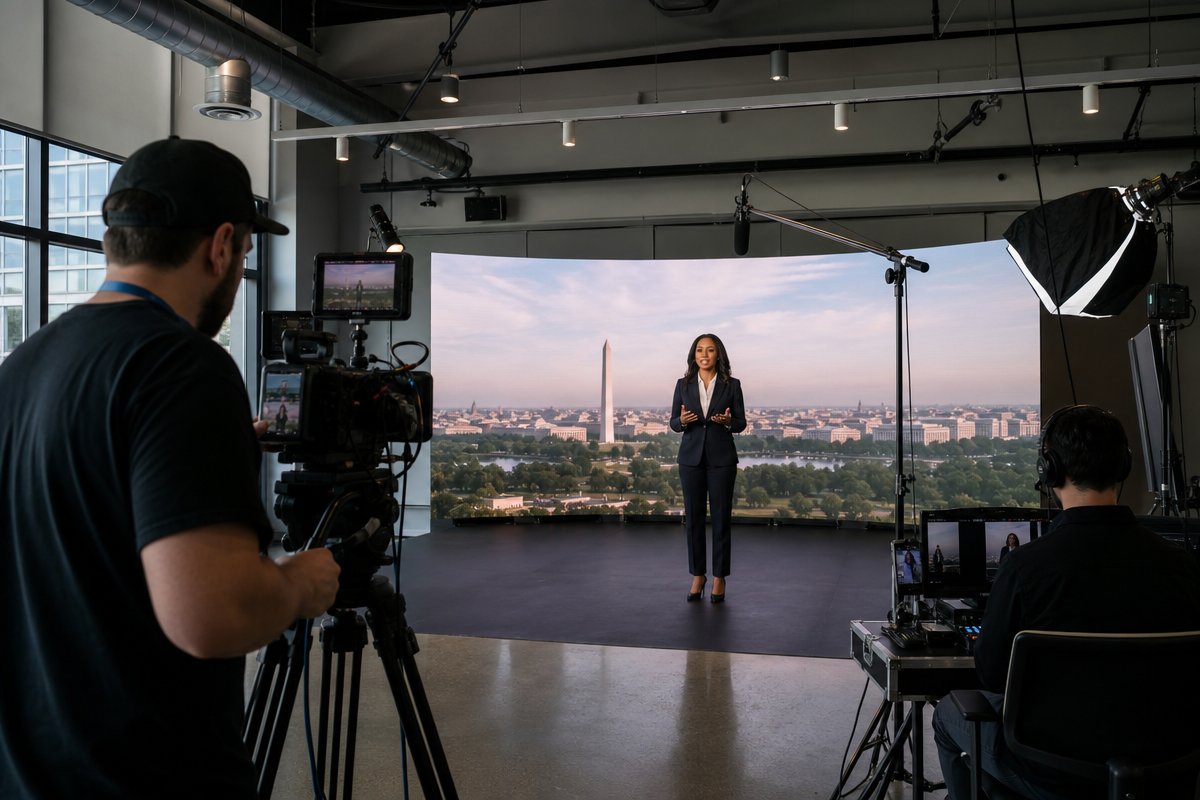
One of the biggest advantages of shooting in Washington DC is the sheer variety of backdrops available within a compact geographic footprint. But every neighborhood carries its own logistical personality. Here is a breakdown of the areas that matter most for production teams in 2026.
The National Mall and Monumental Core
The iconic stretch from the Capitol Building to the Lincoln Memorial is the most recognizable filming location in DC—and the most regulated. The National Park Service (NPS) manages permits for filming on the Mall, and any commercial production involving a crew of more than four people or the use of equipment beyond a handheld camera requires advance authorization. Expect permit processing times of at least 10 business days, sometimes longer during peak seasons or major national events.
- Best for: Establishing shots, documentary b-roll, advocacy and nonprofit campaigns
- Watch out for: Crowds, security closures, and strict NPS rules about tripods and lighting rigs on memorial grounds
Georgetown and Dupont Circle
These neighborhoods offer a charming, walkable aesthetic that works beautifully for lifestyle content, real estate marketing, and brand storytelling. Cobblestone streets, historic rowhouses, and vibrant restaurant scenes give productions a polished editorial feel without needing to dress a set.
- Best for: Brand videos, food and hospitality content, talking-head interviews in upscale settings
- Watch out for: Narrow streets and limited parking for production vehicles; coordinate with the DC Office of Motion Picture and Television Development early
Navy Yard and The Wharf
DC’s waterfront districts have transformed into sleek, modern hubs that photograph exceptionally well. Glass-and-steel architecture, open plazas, and waterfront promenades make these areas ideal for tech companies, financial brands, and any production seeking a contemporary, forward-looking visual tone.
- Best for: Corporate videos, technology brand content, event videography near Nationals Park or The Anthem
- Watch out for: Wind off the Potomac can wreak havoc on audio; bring quality windscreens and plan for sound challenges
Capitol Hill and Eastern Market
For productions that need an authentic, community-driven backdrop, Capitol Hill delivers. The mix of Victorian architecture, local markets, and tree-lined residential streets provides a warm, grounded aesthetic that resonates with audiences who want to see the real DC—not just the postcard version.
- Best for: Nonprofit storytelling, educational content, documentary-style interviews
- Watch out for: Capitol Police jurisdiction begins closer to the Capitol grounds than most people realize; verify boundaries before setting up
Northern Virginia and Maryland Suburbs
Do not overlook the broader metro area. Arlington, Tysons, Bethesda, and Silver Spring offer modern office environments, diverse communities, and significantly fewer permitting headaches for many types of shoots. Productions that need controlled studio environments will also find more square footage at lower cost outside the District proper.
Permits and Regulations: What Every Producer Needs to Know
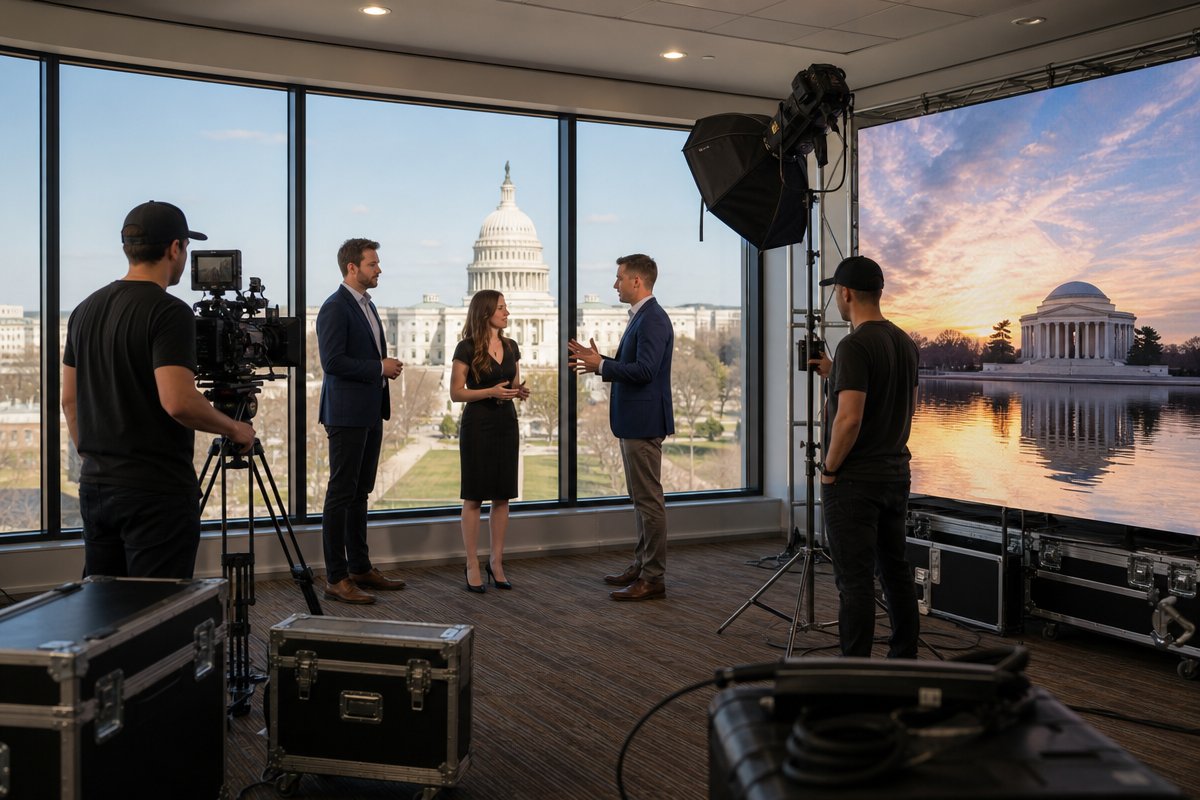
Permitting is the single biggest logistical variable in any DC video production project. Get it wrong and you risk shutdowns, fines, or unusable footage. Here is what you need to navigate the process in 2026.
DC Office of Motion Picture and Television Development (MPTD)
The MPTD is your primary point of contact for filming on DC-controlled public property. They offer a streamlined permitting portal and have staff dedicated to helping productions find locations and navigate regulations. Key facts:
- Permits are required for any commercial filming on public space involving equipment setup
- There is no charge for the permit itself, but you may be required to carry liability insurance (typically $1 million minimum) and pay for any police or traffic control support
- Applications should be submitted at least 10–15 business days in advance
Federal Property: A Separate Process Entirely
If your shoot involves any federal land—including the Mall, Smithsonian grounds, the Pentagon vicinity, or any building managed by the General Services Administration—you are dealing with federal permits, not city permits. Each agency has its own process:
- National Park Service: Handles the Mall, memorials, Rock Creek Park, and other NPS land. Apply through the NPS commercial filming permit system.
- Smithsonian Institution: Each museum has its own media relations office. Approval timelines vary widely.
- Capitol Police / Architect of the Capitol: Governs filming near the Capitol Building and Supreme Court. Restrictions are tight and enforced rigorously.
Drone Restrictions
This is where DC gets especially complicated. The entire District of Columbia falls within the Flight Restricted Zone (FRZ) surrounding Reagan National Airport and the broader Special Flight Rules Area (SFRA) around the capital region. Flying a drone in DC for commercial purposes requires FAA authorization, and in many cases, additional approval from the Transportation Security Administration and Secret Service. Many areas are simply no-fly zones with zero exceptions. Plan your aerial shots for Maryland or Virginia locations outside the FRZ whenever possible.
How to Plan a Successful Video Shoot in DC
Beyond location scouting and permits, a well-executed DC production depends on disciplined pre-production planning. Here is a step-by-step framework that professional teams follow.
Step 1: Define Your Objective and Audience
Before you book a single crew member, clarify what the video needs to accomplish. Is it a recruitment video for a federal agency? A fundraising film for a nonprofit gala? A product launch spot for a tech company? The answer shapes every downstream decision—from locations and talent to run time and distribution platform.
Step 2: Build a Realistic Budget
DC production costs can vary dramatically. A simple one-camera interview in a studio environment might cost a few thousand dollars, while a multi-day cinematic shoot across several locations with a full crew, permits, and post-production can reach well into six figures. Allocate budget for:
- Pre-production (scripting, storyboarding, location scouting)
- Production crew and equipment
- Permits, insurance, and location fees
- Talent and wardrobe
- Post-production (editing, color grading, sound design, motion graphics)
- Distribution and paid promotion
Step 3: Choose a Production Partner with Local Expertise
This is not a city where you want to learn on the job. Work with a video production team that knows DC’s permitting landscape, has established relationships with location managers, and understands the nuances of filming in a security-conscious environment. A crew that has shot across the District, Northern Virginia, and Maryland will save you time, money, and significant stress.
Step 4: Scout and Secure Locations Early
DC is a busy production market. Desirable locations—especially indoor spaces with controlled lighting—get booked quickly, particularly during peak seasons like inauguration cycles, cherry blossom season, and the fall gala circuit. Scout at least four to six weeks before your target shoot date.
Step 5: Build in Contingency Time
Motorcades happen. Security perimeters expand without warning. Streets close for state visits. DC is a city where unpredictable disruptions are, paradoxically, entirely predictable. Build buffer days into your production schedule, especially for outdoor shoots near government buildings.
Types of Video Content Thriving in DC in 2026
The DC market is distinct from Los Angeles or New York in the types of content that drive the most demand. Understanding these categories helps you plan the right production for your goals.
- Advocacy and Nonprofit Videos: DC is the nonprofit capital of the country. Organizations invest heavily in fundraising films, issue awareness campaigns, and legislative testimony videos designed to move policy and donors.
- Corporate and Training Content: Associations, consulting firms, and government contractors produce enormous volumes of internal training, onboarding, and thought leadership video.
- Government Communications: Federal agencies and departments produce public-facing explainer videos, recruitment campaigns, and compliance training at scale.
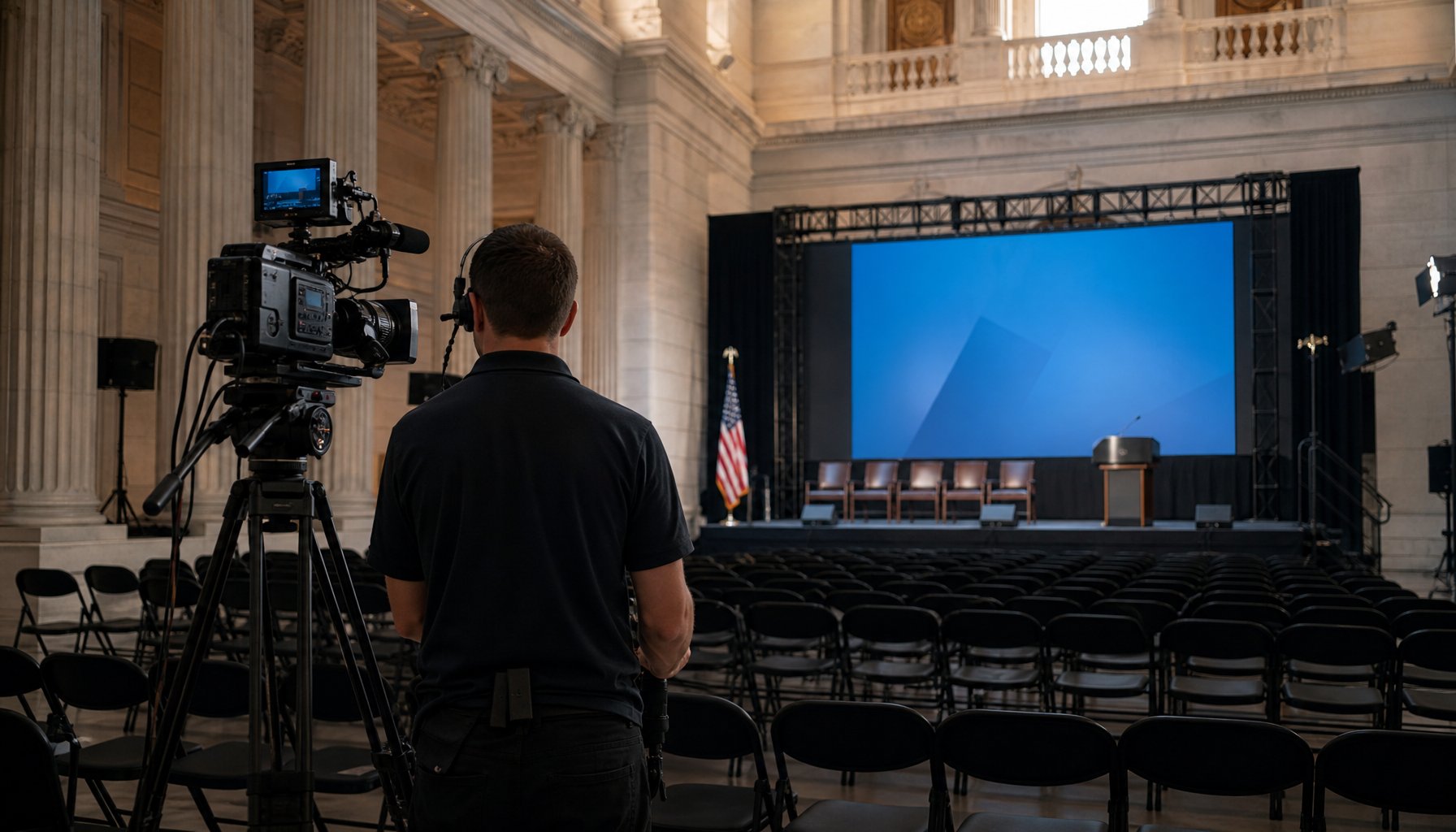
- Event and Conference Coverage: With thousands of conferences, summits, and galas held in the metro area every year, event videography remains a consistent high-demand category.
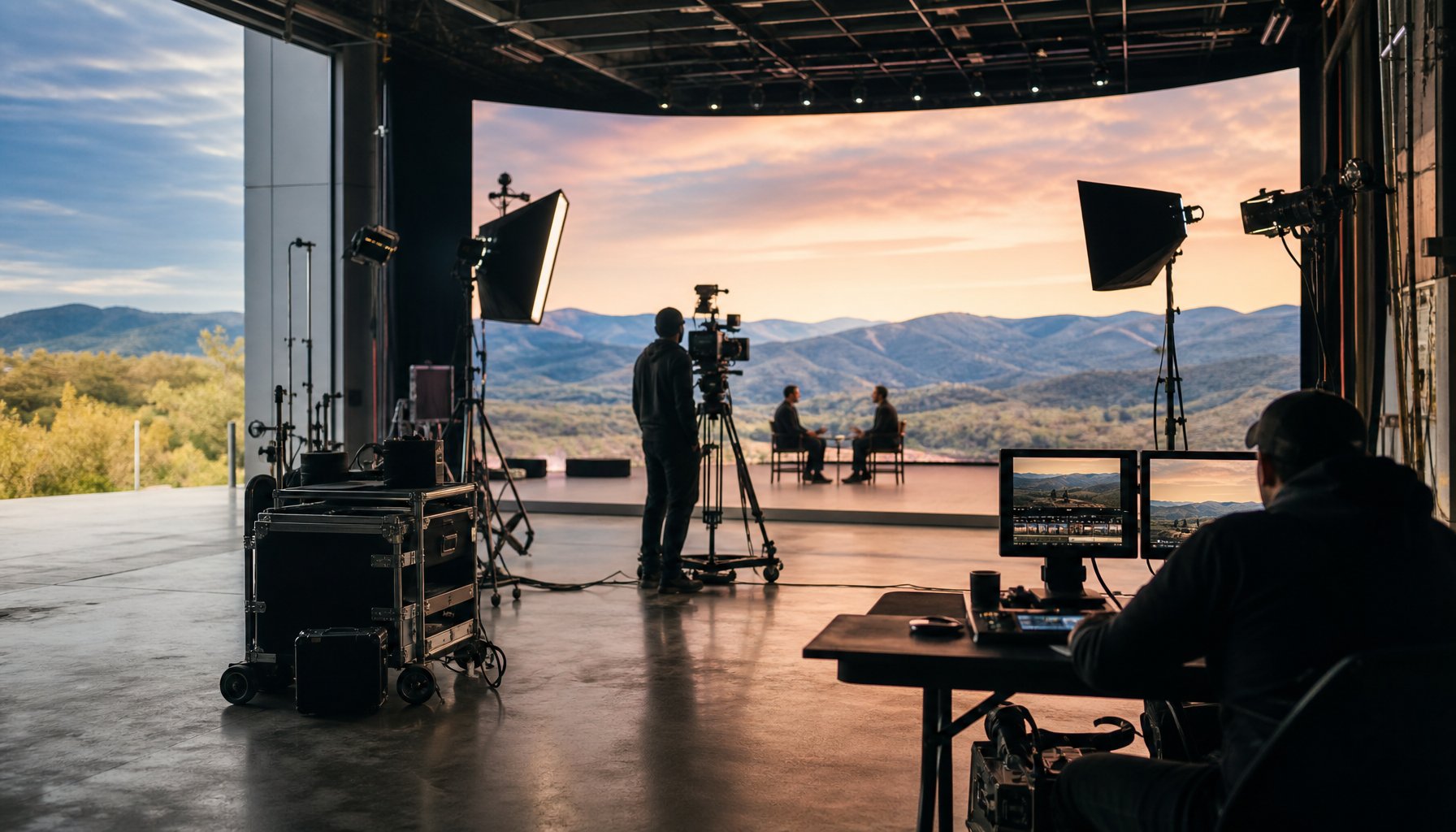
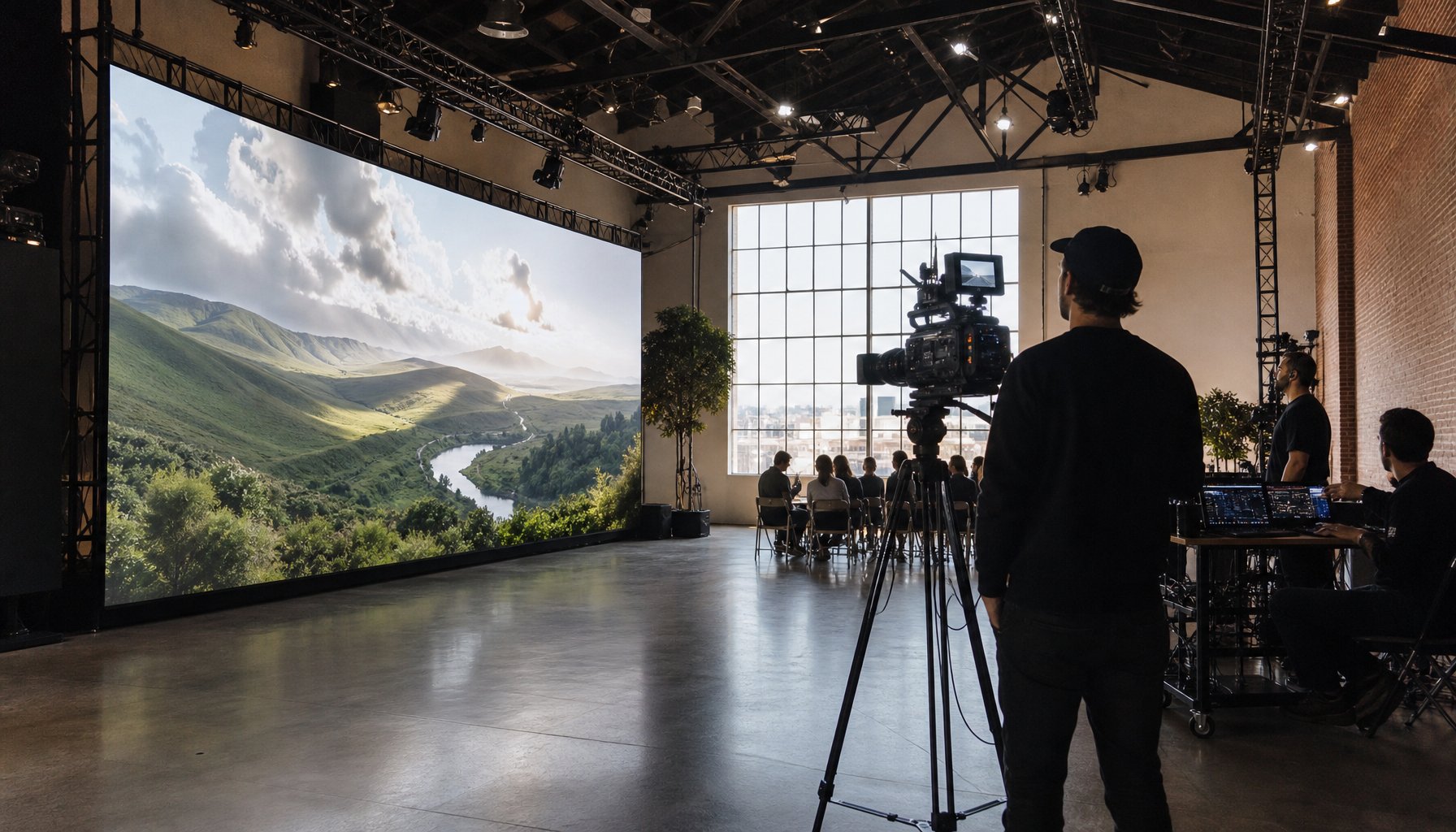
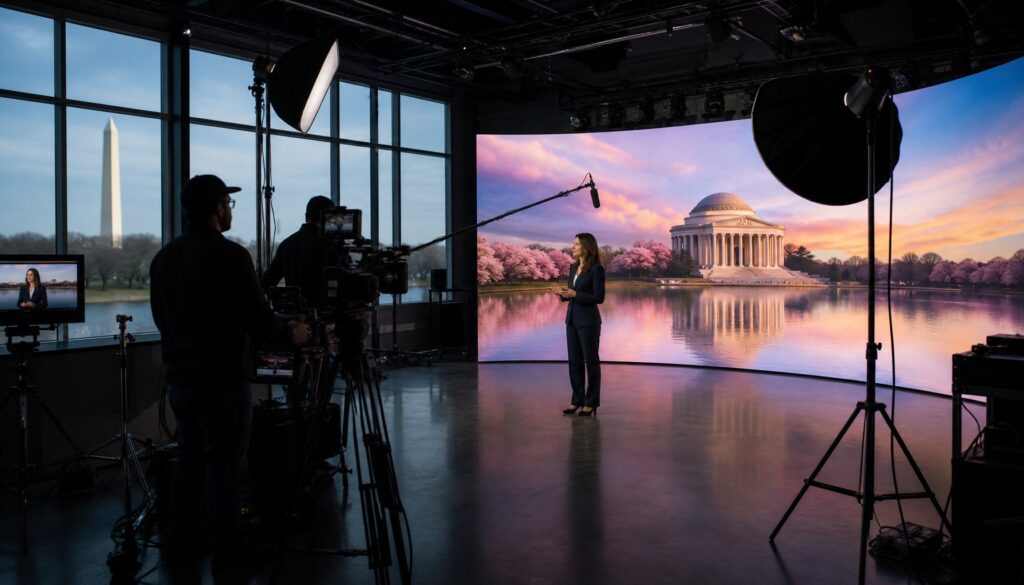
- Virtual Production and Studio Content: The rise of LED wall technology and controlled studio environments has created a new category of production that allows DC-based teams to create cinematic content without the logistical burden of on-location shoots.
Frequently Asked Questions About Video Production in DC
How much does video production in DC typically cost?
Costs vary widely based on scope. A straightforward single-location interview with basic editing might range from $3,000 to $8,000. A polished multi-location corporate or nonprofit film with scripting, professional talent, and full post-production typically falls between $15,000 and $75,000 or more. The most reliable way to get an accurate estimate is to discuss your specific goals, timeline, and distribution needs with an experienced DC production company.
Do I need a permit to film in Washington DC?
Yes, in most cases. Any commercial filming on public property that involves equipment beyond a handheld camera typically requires a permit from either the DC MPTD (for city-controlled land) or the relevant federal agency (for federal property). Even small-crew documentary projects should verify requirements in advance to avoid interruptions or fines.
Can I fly a drone for video production in DC?
Technically, yes—but the restrictions are severe. The entire District falls within a Flight Restricted Zone. Obtaining authorization requires coordination with the FAA, TSA, and potentially the Secret Service. Processing times can be lengthy and approval is not guaranteed. Many production teams opt to capture aerial footage in nearby Virginia or Maryland locations outside the restricted zone instead.
What is the best time of year to film outdoors in DC?
Spring (mid-March through May) and fall (September through November) offer the most comfortable weather and the best natural light. Cherry blossom season in late March and early April is visually stunning but extremely crowded around the Tidal Basin. Summer brings intense heat and humidity that can affect both crew endurance and equipment performance. Winter offers bare-tree sightlines and minimal crowds but requires planning for shorter daylight hours.
How far in advance should I book a video production team in DC?
For straightforward projects, two to four weeks of lead time is often sufficient. For complex multi-day productions, event coverage, or anything requiring federal permits, plan at least six to eight weeks ahead. During high-demand periods—inauguration years, major legislative cycles, or large conference seasons—booking even earlier is advisable.
What should I look for in a DC video production company?
Prioritize local experience and a portfolio that demonstrates versatility across the types of content you need. A strong DC production partner should have deep familiarity with the permitting process, relationships with local venues and vendors, a full-service capability spanning pre-production through post-production, and a client roster that reflects work with organizations similar to yours—whether that is government, nonprofit, corporate, or healthcare.
Ready to Plan Your Next DC Video Production?
Washington DC offers one of the most visually rich and strategically important filming environments in the country. But capitalizing on that environment requires more than just a camera and a crew—it takes local expertise, careful planning, and a production partner who understands the unique demands of this market.
TriVision Studios has been delivering professional video production DC teams trust for years, working with leading brands, government agencies, nonprofits, and corporations across Washington DC, Northern Virginia, and Maryland. From concept development and location scouting to filming, editing, and final delivery, our full-service team handles every phase of production so you can focus on your message.
Contact TriVision Studios today to start planning your next project.