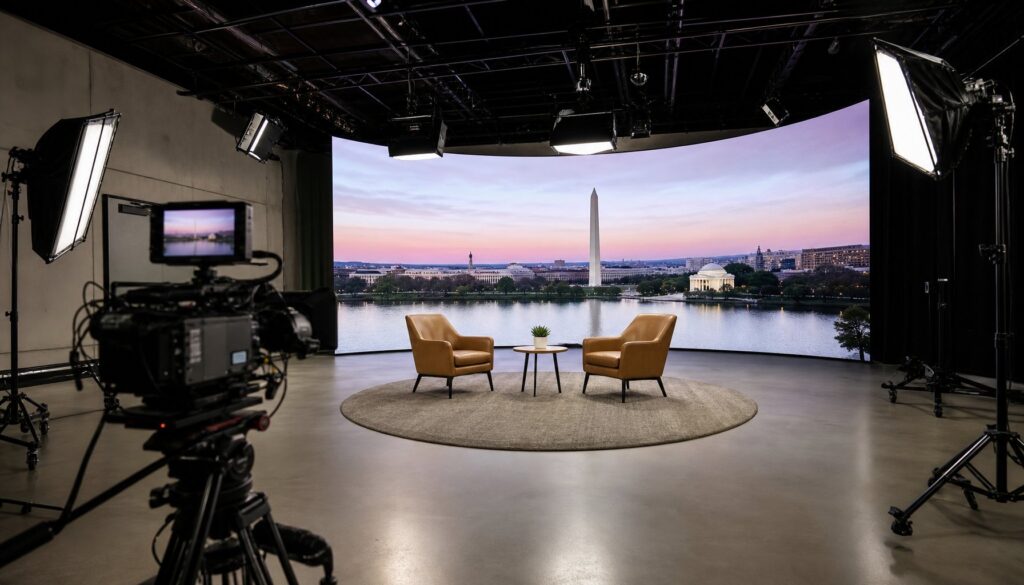
Why Virtual Production Studio Rental in DC Is Changing the Game
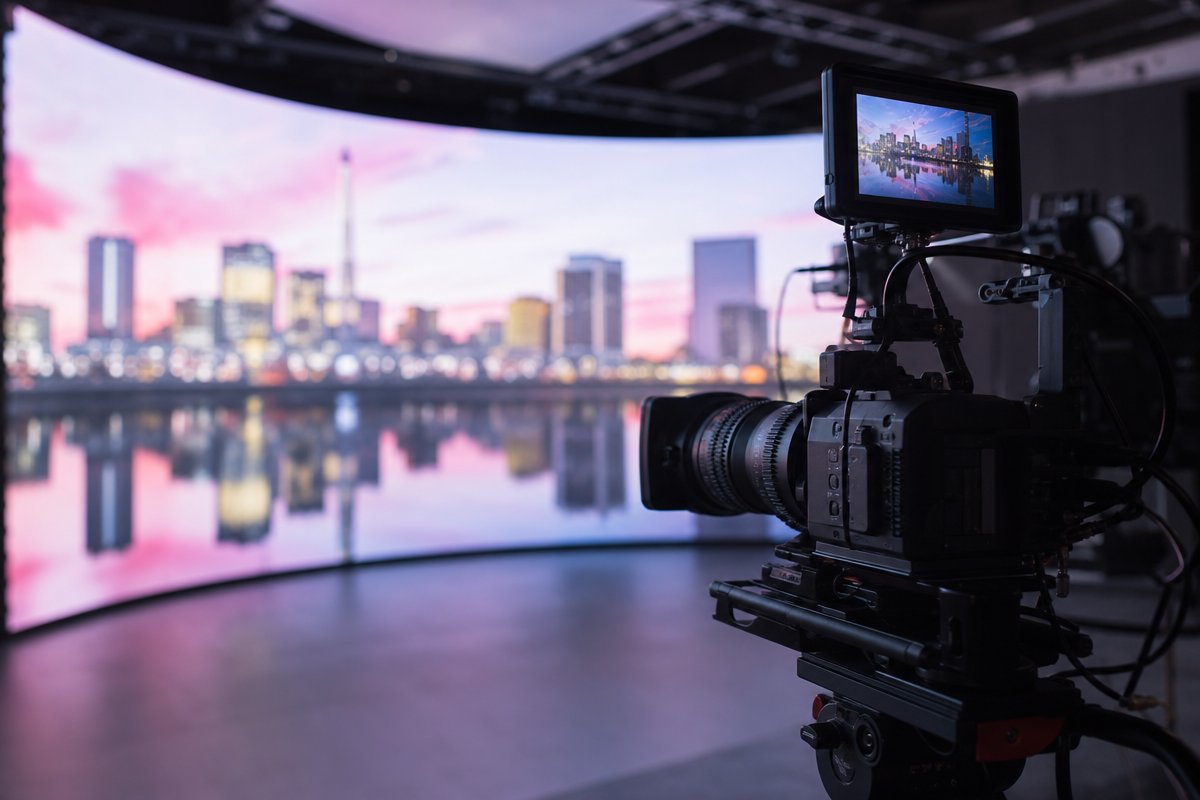
You have a concept that demands multiple locations, cinematic environments, and a polished final product — but your budget and timeline say otherwise. That tension is exactly why virtual production studio rental in DC has become one of the fastest-growing services in the region. According to a 2025 report from Grand View Research, the global virtual production market is projected to surpass $4.7 billion by 2030, driven largely by demand from corporate, government, and nonprofit sectors that need high-production-value content without the logistical headaches of traditional on-location shoots.
If you are in Washington DC and considering renting a virtual production studio for the first time, this guide walks you through every phase — from the initial inquiry to wrap day — so you know exactly what to expect and how to get the most value from your investment.
What Exactly Is a Virtual Production Studio?
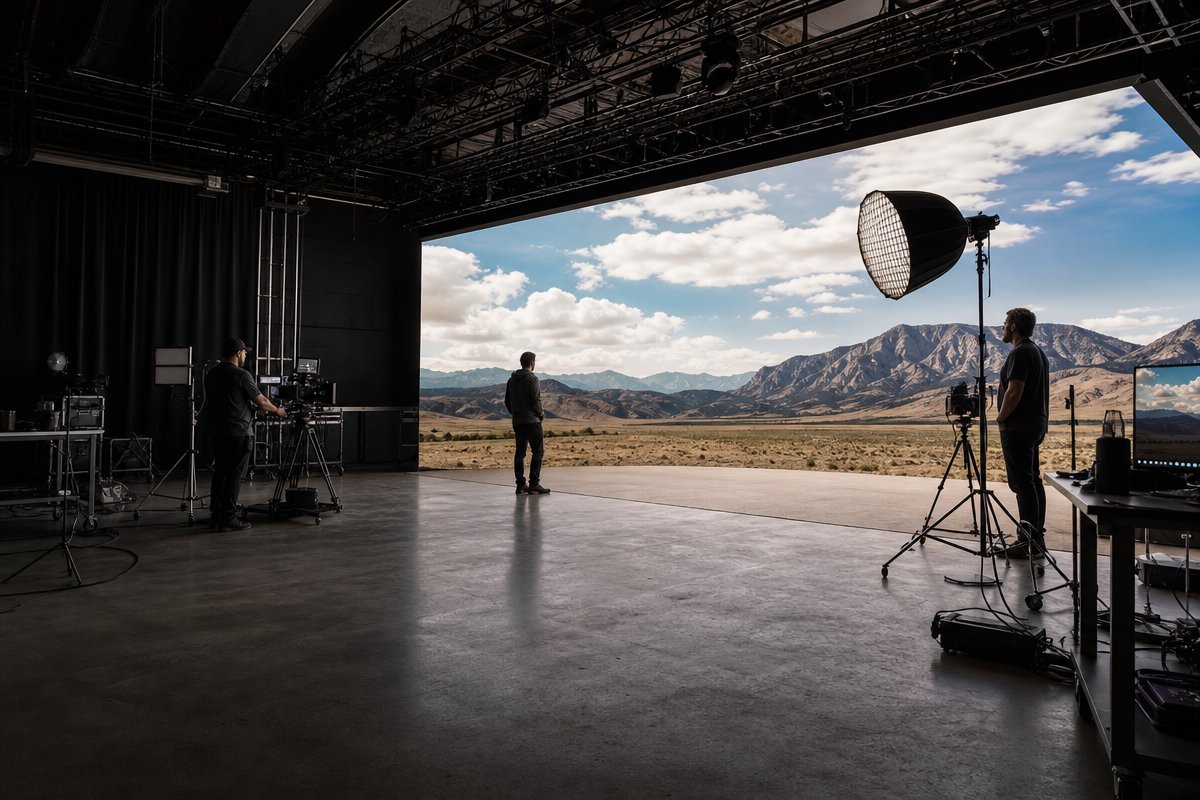
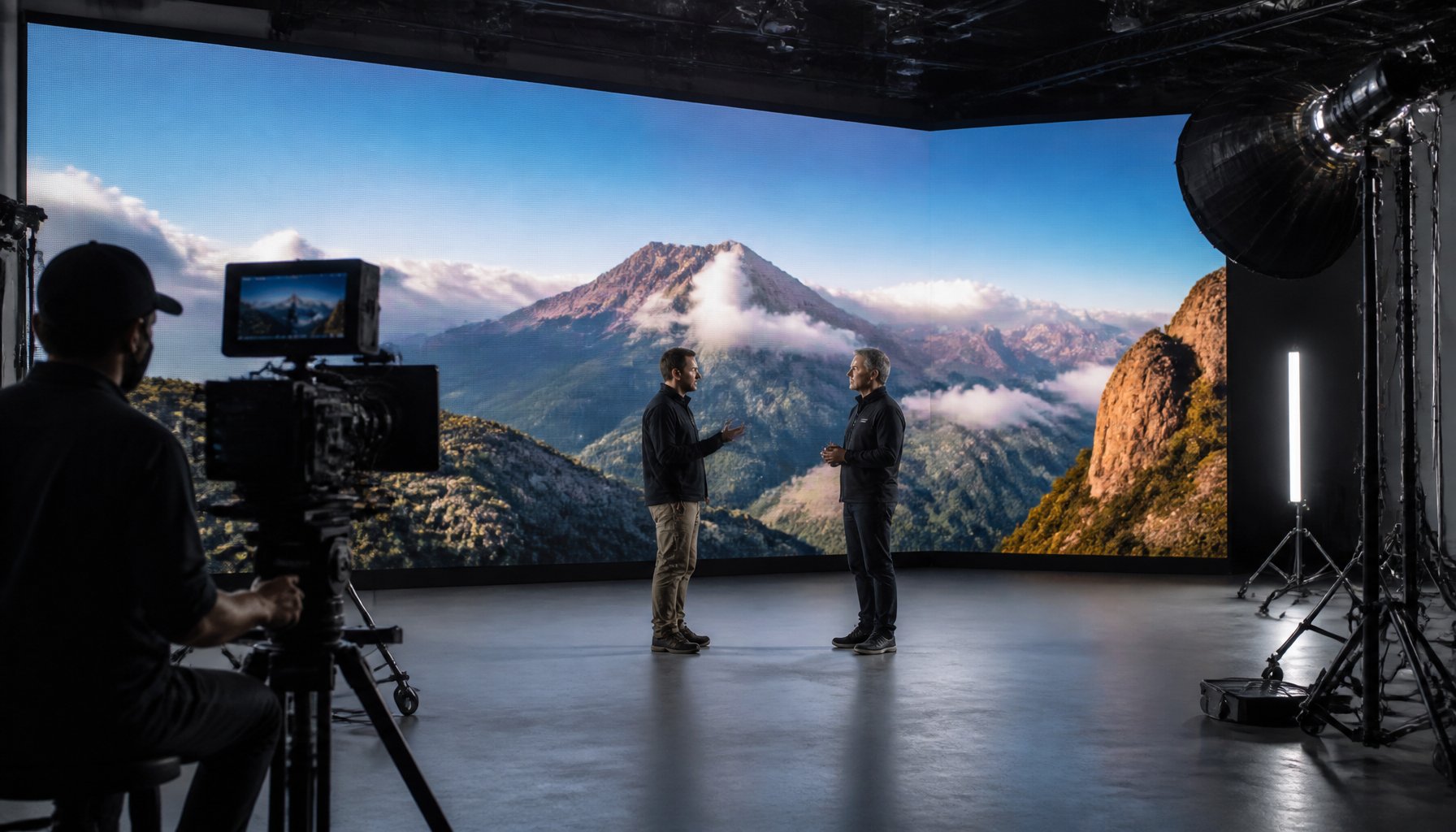
Before diving into the rental process, it helps to understand what sets a virtual production studio apart from a conventional film stage. At its core, virtual production uses large-format LED video walls to display real-time, photorealistic backgrounds behind on-camera talent. Rather than relying on post-production green screen compositing, the environments appear live on set, which means:
- What the camera sees is the final image. Reflections, lighting interactions, and perspective shifts all happen naturally.
- Actors and presenters react to real environments instead of imagining a blank green void behind them.
- Post-production timelines shrink dramatically because the compositing is already baked into the footage.
Studios like TriVision Studios’ virtual production stage in the DC metro area pair LED wall technology with Unreal Engine-powered environments, giving clients the ability to place their talent in virtually any setting — a corporate boardroom in Manhattan, a hospital corridor, a mountain vista — all without leaving the studio.
How It Differs from Green Screen
Green screen has been the default for decades, but it comes with well-known pain points: color spill on wardrobe and skin tones, lengthy keying and rotoscoping in post, and the inability for talent to see the world they are supposed to inhabit. Virtual production solves each of these issues in-camera. The LED wall emits light that wraps around the subject naturally, creating realistic ambient color and reflections that would take hours to replicate digitally.
Step-by-Step: What Renting a Virtual Production Studio in DC Looks Like
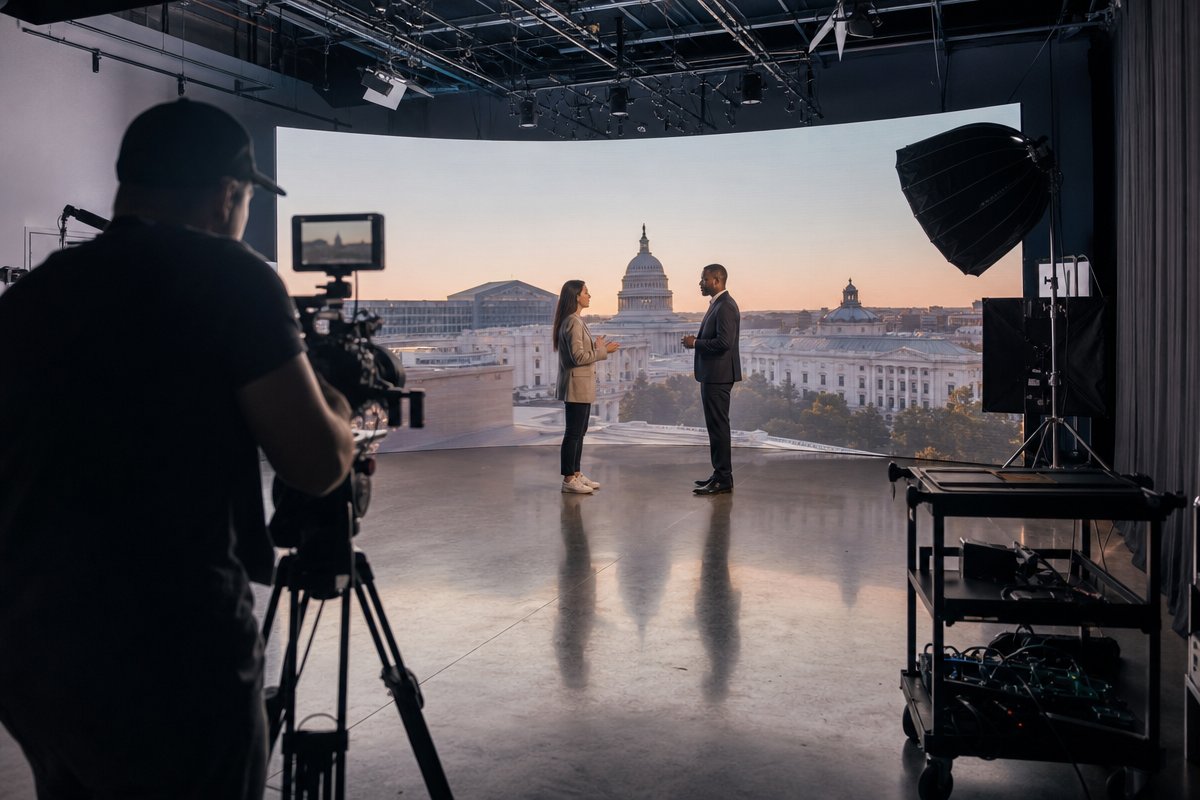
If you have never booked a virtual production session before, the process can feel unfamiliar. Here is a practical walkthrough of each phase so there are no surprises.
Step 1: Initial Consultation and Creative Brief
Every successful shoot begins with a conversation. When you reach out to a studio, expect to discuss:
- The type of content you are producing — corporate video, commercial, training module, documentary segment, or something else.
- Your desired environments — Do you need a single background or multiple scene changes throughout the day?
- Your budget range — Studios can often tailor packages based on what you need. A half-day with one environment costs significantly less than a full-day multi-scene production.
- Timeline — When does the final deliverable need to be ready?
This is also when the studio assesses whether virtual production is genuinely the right tool for your project. A reputable DC studio will be honest if a traditional studio shoot or on-location production would serve you better.
Step 2: Pre-Production and Environment Design
Once you have committed to the project, the studio’s creative and technical teams go to work building your virtual environments. This phase typically includes:
- Environment selection or creation. Many studios maintain a library of ready-to-use Unreal Engine environments. If your project requires a custom scene, the team will design it from scratch or modify an existing asset.
- Technical previsualization. You will often receive rendered previews showing what the LED wall will display, how the camera angles will work, and where talent will be positioned relative to the screen.
- Shot list alignment. The director or producer works with the studio team to map every shot against the available environments, ensuring no time is wasted on shoot day.
For DC-based clients — particularly government agencies, associations, and advocacy organizations — this phase is critical because approval cycles can be lengthy. Getting stakeholders to sign off on environments before the shoot day eliminates costly last-minute changes.
Step 3: Shoot Day Setup
On the day of production, the studio crew arrives well before your team to calibrate the LED wall, set lighting, and load the approved environments into the real-time engine. Here is what happens behind the scenes:
- LED wall calibration: Color temperature, brightness, and refresh rate are adjusted for the specific camera and lens package being used.
- Camera tracking setup: If parallax (the natural shift in background perspective as the camera moves) is part of your shot plan, tracking sensors are calibrated so the virtual environment responds in real time to camera movement.
- Lighting design: Practical lights on set are balanced against the ambient light emitted by the LED wall to ensure a seamless blend between subject and background.
By the time talent arrives, the set is ready. Most first-time clients are struck by how immersive the experience feels — talent can see the environment behind them on the wall, directors can frame shots with confidence, and stakeholders watching from the monitor see something very close to a finished product in real time.
Step 4: Production and Scene Changes
This is where virtual production truly demonstrates its value. Changing from one environment to another — say, moving from a sleek office interior to an outdoor cityscape — takes minutes, not hours. There is no tearing down physical sets, no company moves to a new location, and no weather delays.
A well-organized shoot can cycle through four to six distinct environments in a single day, something that would require multiple days and locations with traditional production methods.
Step 5: Post-Production
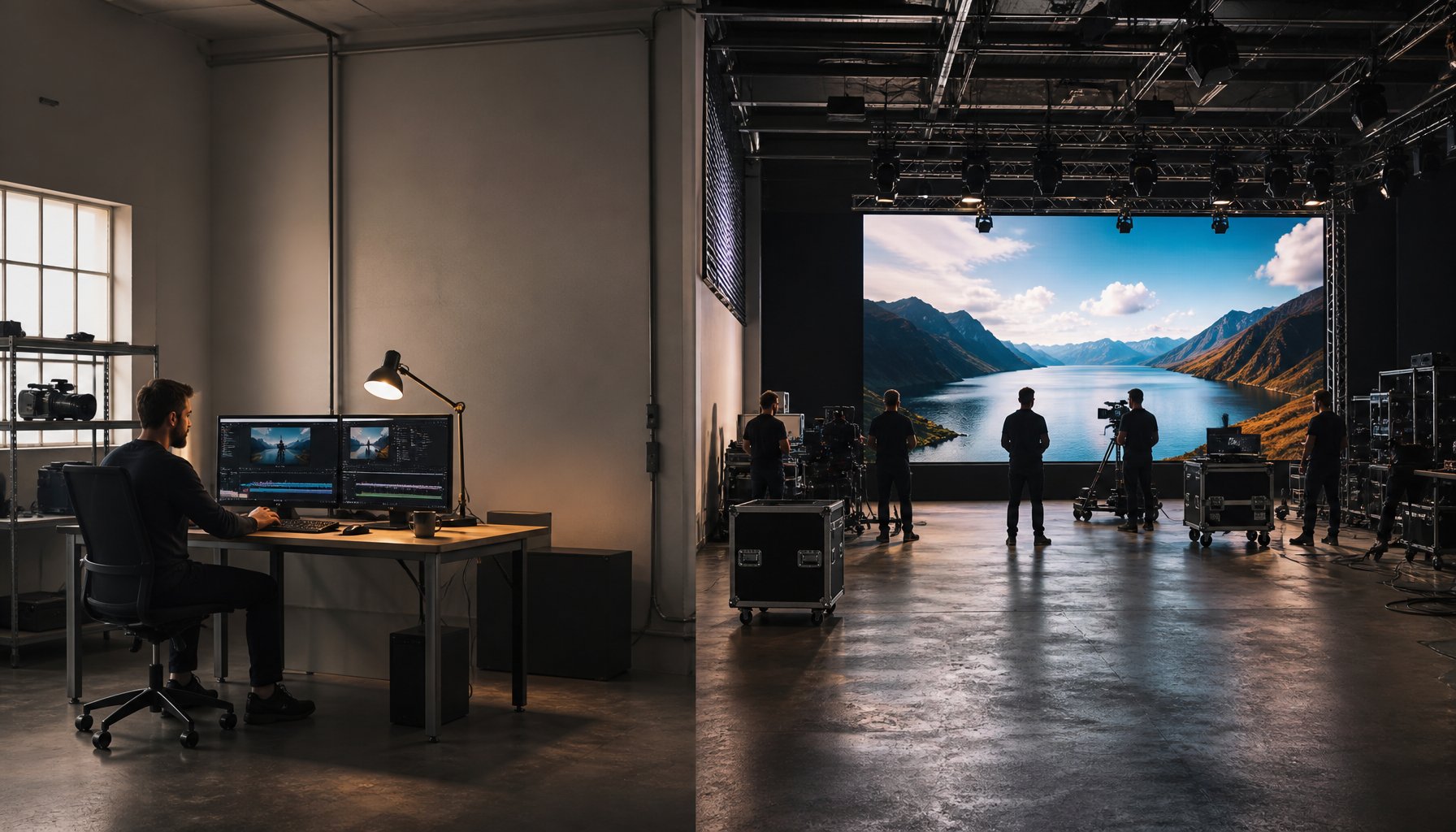
Because the backgrounds are captured in-camera, post-production focuses on editing, color grading, sound design, graphics, and delivery — not on compositing green screen footage. This can reduce post timelines by 30 to 50 percent compared to traditional VFX-heavy workflows.
Who Benefits Most from Virtual Production Studio Rental in DC?
Washington DC is not Hollywood, and that is precisely why virtual production is so valuable here. The region’s primary content creators are not feature film studios — they are organizations that need professional, high-impact video on tight timelines. The clients who benefit most include:
- Government agencies producing training videos, recruitment content, or public service announcements that require controlled, secure studio environments.
- Nonprofits and advocacy groups that need to place spokespeople in visually compelling settings without the expense of travel.
- Healthcare organizations creating patient education content or facility overviews where filming in actual clinical spaces is impractical or restricted.
- Corporate communications teams producing executive messaging, product launches, or investor-facing content that demands a polished look.
- Technology companies showcasing products in futuristic or highly stylized environments that do not exist physically.
Tips for First-Timers Renting a Virtual Production Studio
If this is your first time stepping into a virtual production environment, these practical tips will help you maximize your investment and avoid common pitfalls.
1. Plan Your Wardrobe Carefully
Unlike green screen, you do not need to avoid green clothing. However, highly reflective fabrics — sequins, metallic threads, glossy materials — can pick up unwanted color from the LED wall. Matte fabrics in solid colors generally work best.
2. Bring Fewer People to Set
Virtual production stages are optimized for controlled environments. Large entourages disrupt lighting, create noise, and slow down decision-making. Bring only the people who genuinely need to be on set. Everyone else can review via a live stream or remote monitoring feed.
3. Trust the Pre-Production Process
The biggest mistake first-timers make is skipping or rushing pre-production. The more thoroughly you approve environments, shot lists, and scripts before shoot day, the more efficiently the day runs. Changes on set are possible but expensive in terms of lost time.
4. Communicate Brand Guidelines Early
If your organization has strict brand standards — specific color palettes, logo placements, or visual styles — share these with the studio during the environment design phase. It is far easier to build brand alignment into the virtual world upfront than to fix it in post.
5. Ask About Package Options
Many studios offer tiered packages that bundle studio time, crew, environment design, and post-production. For organizations new to virtual production, a bundled package from a full-service studio often delivers better value than piecing together vendors independently.
Why the DC Metro Area Is Ideal for Virtual Production
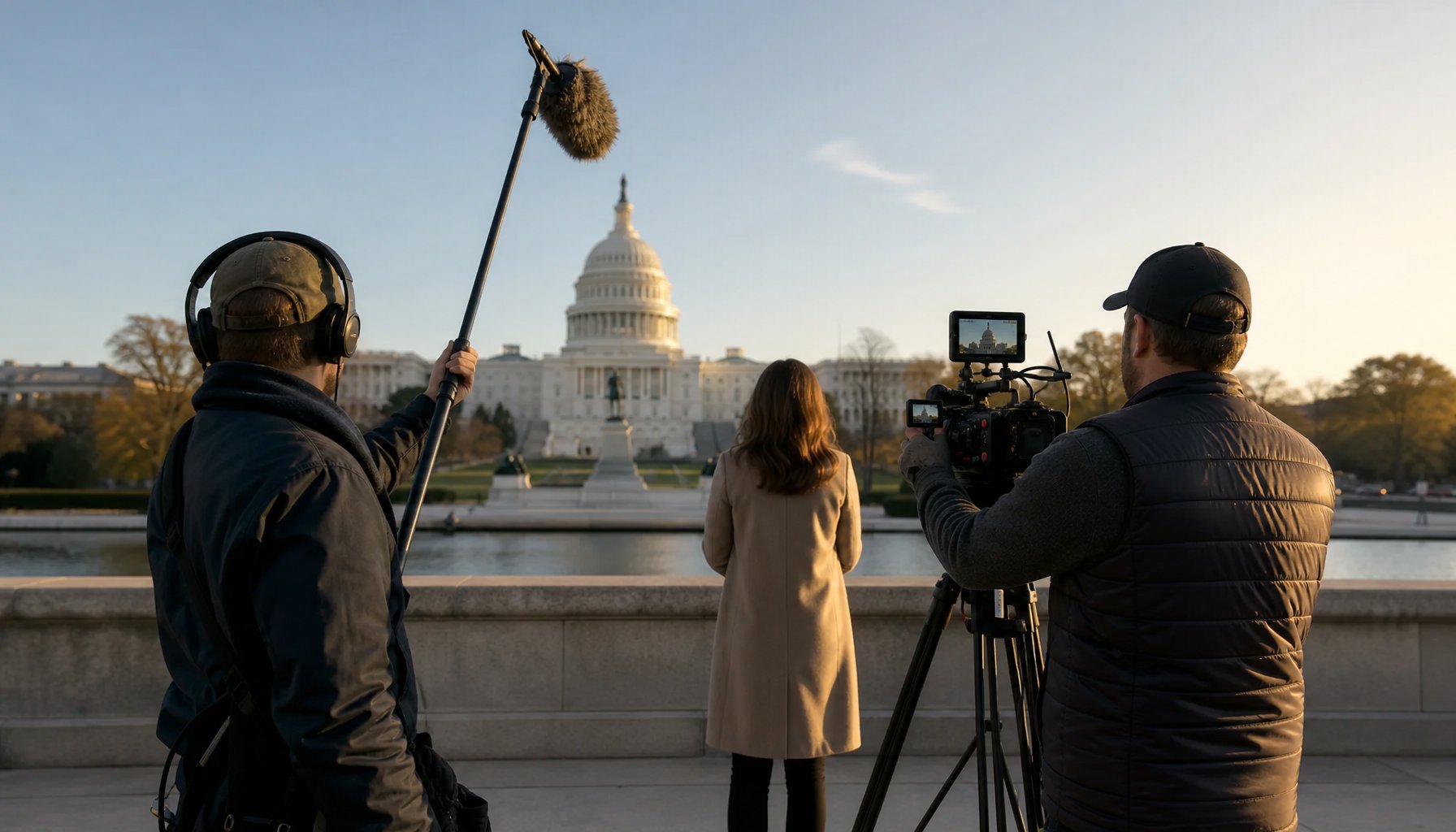
Washington DC, along with neighboring cities like Arlington, Alexandria, Bethesda, and Baltimore, sits at the intersection of government, media, and advocacy. The demand for high-quality video content in this corridor is enormous, yet on-location shooting in DC comes with well-known challenges: permit requirements, security restrictions near federal buildings, unpredictable weather, and heavy traffic that complicates company moves.
A virtual production studio eliminates nearly all of those obstacles. You get the visual storytelling power of any location in the world while shooting in a controlled, climate-comfortable, permit-free environment minutes from downtown DC.
Frequently Asked Questions
How much does it cost to rent a virtual production studio in DC?
Pricing varies based on the duration of your rental, the number of custom environments needed, crew requirements, and post-production scope. A half-day rental with a single pre-built environment is the most affordable option, while full-day multi-scene productions with custom Unreal Engine environments represent the higher end. Contact TriVision Studios directly for a customized quote based on your project scope.
Do I need to bring my own crew, or does the studio provide one?
Full-service studios like TriVision provide the entire production team — from the technical crew managing the LED wall and Unreal Engine to the director, camera operators, lighting technicians, and audio engineers. You simply bring your talent and your creative vision.
How long does it take to prepare custom virtual environments?
Custom environments typically require two to four weeks of lead time, depending on complexity. If you are using environments from the studio’s existing library, preparation time drops to a few days. Planning ahead is always recommended, especially for projects with stakeholder approval requirements.
Can I use virtual production for live streaming or hybrid events?
Absolutely. Virtual production is increasingly popular for live streaming and hybrid events because it provides broadcast-quality backgrounds in real time. Keynote presentations, panel discussions, and product reveals all benefit from the immersive visual experience an LED wall stage provides.
Is virtual production better than green screen for every project?
Not necessarily. Green screen remains a cost-effective option for projects with simple backgrounds, limited camera movement, or tight budgets. Virtual production excels when you need realistic lighting interaction, multiple environment changes, in-camera final pixels, or a more immersive experience for on-camera talent. A good studio will help you determine which approach fits your project best.
What file formats and deliverables will I receive after the shoot?
Deliverables depend on your project agreement, but most productions yield high-resolution video files in formats like ProRes or H.264/H.265, optimized for your distribution channels — whether that is broadcast television, social media, internal platforms, or web streaming.
Ready to Book Your Virtual Production Studio in DC?
Renting a virtual production studio in DC does not have to be intimidating. With the right studio partner, the process is structured, transparent, and designed to deliver results that would be impossible — or prohibitively expensive — through traditional production methods alone.
TriVision Studios has been a trusted video production partner for leading brands, government agencies, nonprofits, and corporations across the Washington DC metro area. Their virtual production stage combines cutting-edge LED wall technology with a full-service team that handles everything from environment design to final delivery. Whether you are producing a commercial, a training series, a PSA, or executive communications, TriVision’s team will guide you from concept through completion.
Get in touch with TriVision Studios today to schedule a consultation, tour the studio, and see the LED wall in action. Your next production deserves more than a green screen.