
Large-scale video projects for government agencies and enterprise organizations are not just content initiatives — they are high-visibility, high-accountability efforts that directly affect public trust, internal alignment, and brand credibility.
When these projects go wrong, the cost is rarely limited to budget overruns. Missed deadlines, technical failures, compliance issues, or poor production quality can damage reputations and undermine the message entirely.
Yet many teams still plan large-scale video projects as if they were standard marketing videos.
This guide explains how experienced government and enterprise teams avoid costly mistakes in large-scale video production — and what less-prepared teams consistently get wrong.
Who This Guide Is For
This article is designed for professionals responsible for high-stakes video initiatives, including:
- Government communications and public affairs teams
- Enterprise marketing and internal communications leaders
- Program and project managers overseeing large video rollouts
- Teams accountable for compliance, accessibility, and reliability
If your video project must work on time, on message, and without technical failure, this guide is for you.
Why Large-Scale Video Projects Fail More Often Than Expected
Unlike smaller corporate videos, enterprise and government video projects involve layers of complexity that are often underestimated.
Common challenges include:
- Multiple stakeholders and approval chains
- Large venues or production environments
- Hybrid or livestream components
- Accessibility, compliance, and security requirements
- Fixed deadlines with little or no flexibility
When planning is incomplete or responsibilities are unclear, small oversights quickly escalate into expensive problems.

The Real Cost of Getting It Wrong
When large-scale video projects fail, the consequences go far beyond production quality.
Organizations often face:
- Emergency fixes and unplanned spending
- Delays that impact public messaging or internal rollouts
- Loss of stakeholder confidence
- Reduced engagement from audiences who expected professionalism
For government and enterprise teams, failure isn’t just inconvenient — it’s visible.
Mistake #1: Treating Enterprise Video Like Standard Production
One of the most common mistakes is assuming that large-scale video projects follow the same process as small or mid-sized productions.
In reality, enterprise and government video production requires:
- Redundant systems and backup planning
- Integration with professional AV services
- Detailed run-of-show documentation
- Coordination across communications, IT, legal, and vendors
Teams that don’t adjust their approach often encounter last-minute technical issues that could have been prevented with proper planning.
Mistake #2: Underestimating AV and Display Technology
Video content does not exist in isolation — it must perform within a physical or hybrid environment.
Critical factors often overlooked include:
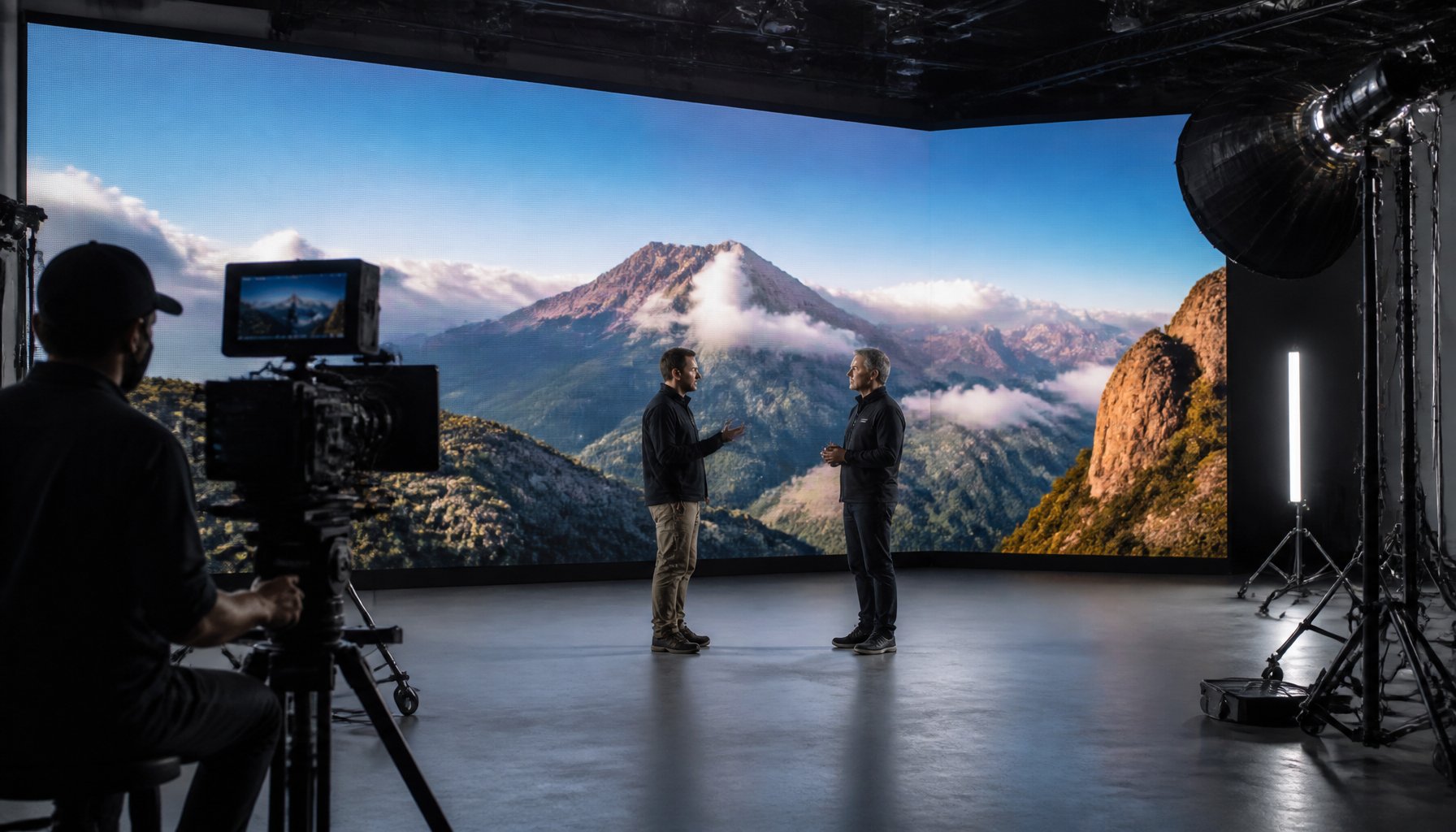
- Screen visibility for large rooms
- LED walls versus projectors
- Audio clarity for both in-room and remote audiences
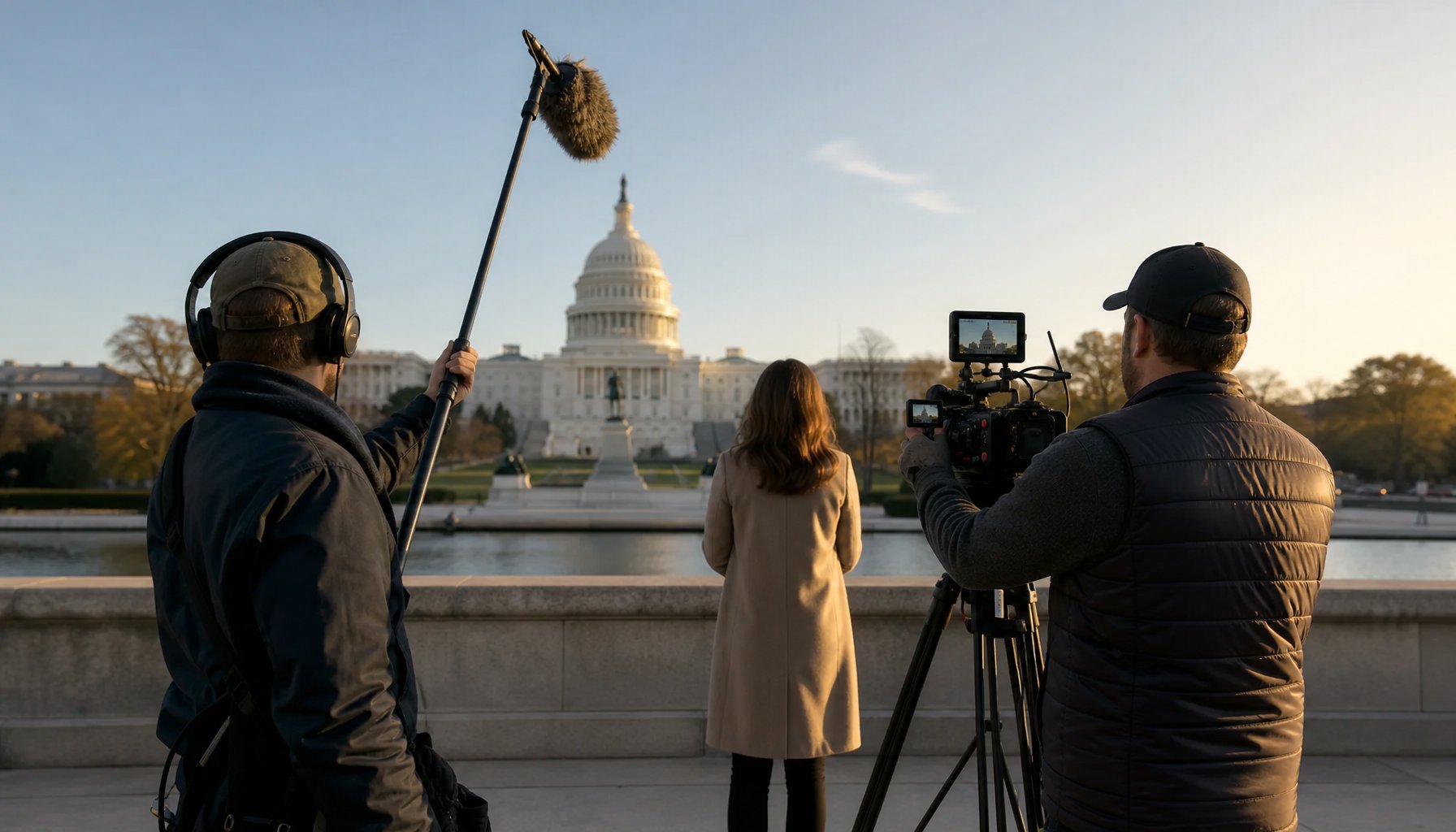
- Camera placement for livestreams and recordings
Experienced teams evaluate AV and display requirements early, ensuring that visuals and sound support the project’s scale and objectives.

Mistake #3: Ignoring Hybrid and Livestream Realities
Today, most government and enterprise video projects include remote viewers — whether through livestreams, recordings, or hybrid events.
Teams that fail to plan for this often experience:
- Poor on-camera lighting
- Washed-out visuals on livestreams
- Audio issues for virtual participants
- Lower engagement from remote audiences
Successful teams design video projects to work equally well for in-person and remote viewers — not as an afterthought.
Mistake #4: Selecting the Wrong Venue or Production Setting
Venues play a major role in video reliability and workflow.
Common venue-related issues include:
- Limited power or rigging options
- Poor acoustics
- Inflexible layouts
- Insufficient control or backstage space
To reduce risk, many government and enterprise teams choose production-ready studios or professional event spaces designed specifically for video and hybrid delivery.
Enterprise vs. Standard Video Production: What’s Different?
| Standard Video Production | Enterprise & Government Video |
| Small crews | Multi-team coordination |
| Flexible timelines | Fixed, public deadlines |
| Minimal AV needs | Integrated AV & broadcast |
| Lower risk | High visibility & accountability |
Understanding this distinction early is essential to avoiding costly mistakes.
How Experienced Teams Plan for Success
Organizations that consistently deliver successful large-scale video projects follow a disciplined approach:
- Define objectives, audiences, and success metrics early
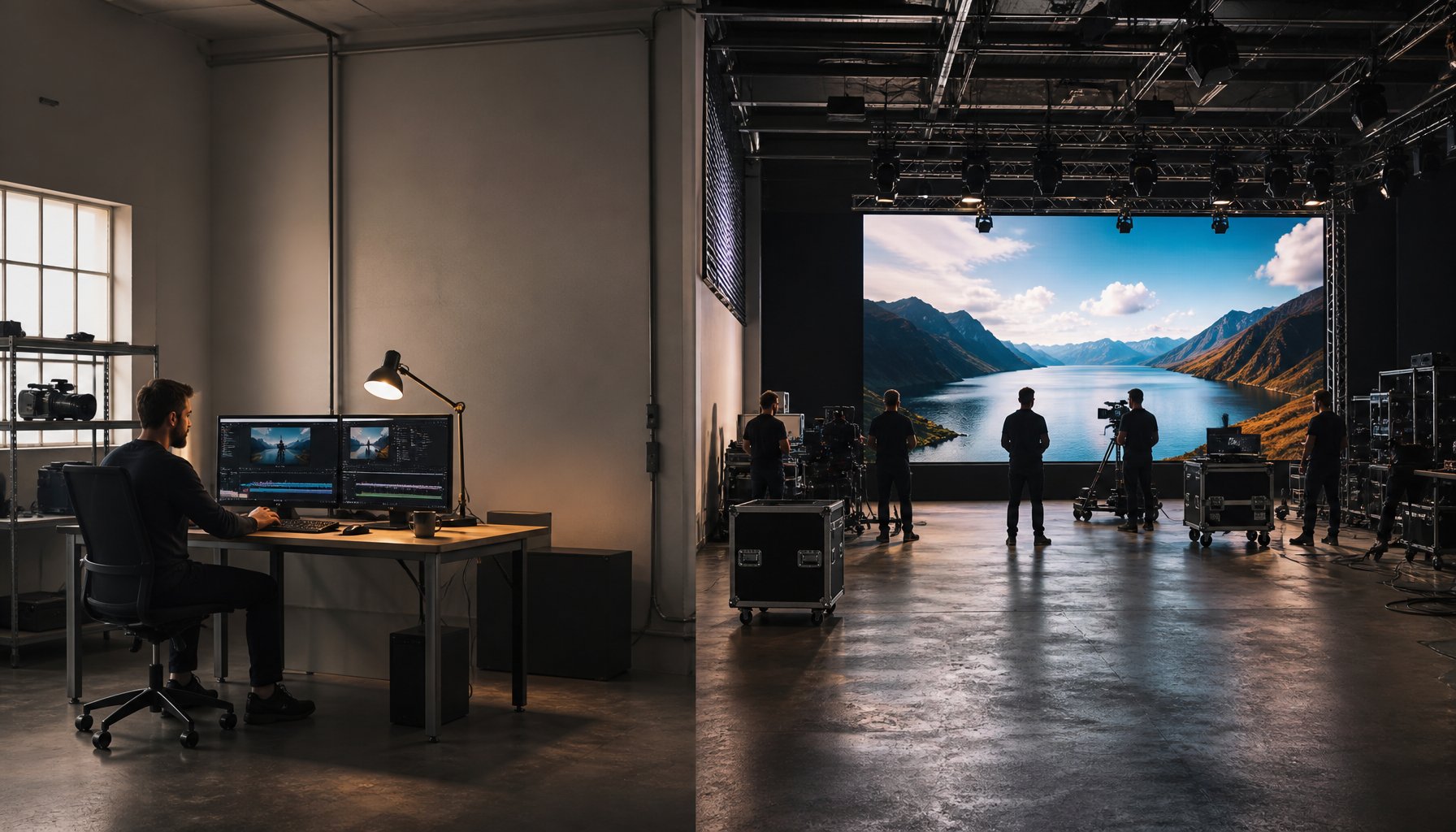
- Involve video production and AV experts from the start
- Conduct technical rehearsals and contingency planning
- Align messaging, visuals, and delivery across platforms
This proactive planning protects budgets, timelines, and reputations.

The Role of the Right Production Partner
Choosing the right production partner significantly reduces risk.
Experienced partners provide:
- Enterprise-grade video production expertise
- Integrated AV and display solutions
- Familiarity with government and enterprise workflows
- Clear communication and risk mitigation
When video production, AV services, and event technology are handled together, projects run more smoothly and predictably.
Conclusion: Preparation Is the Difference Between Success and Failure
Large-scale video projects don’t fail because teams lack talent — they fail because critical details are overlooked.
Government and enterprise teams that succeed understand that video production is not just about cameras and content. It’s about planning, integration, and execution at scale.
By approaching video projects strategically — and partnering with experienced production and AV professionals like TriVision Studios — organizations can deliver reliable, professional, and impactful video experiences without costly surprises.
Frequently Asked Questions
Why do large-scale video projects cost more?
They require additional planning, AV integration, redundancy, and technical expertise to ensure reliability.
Are studios better than traditional venues for enterprise video?
Often, yes. Studios provide controlled environments that reduce technical risk and improve consistency.
How early should video planning start?
Ideally, video and AV planning should begin alongside event or project planning.
Do government projects require different production standards?
Yes. Accessibility, compliance, security, and reliability are typically higher priorities.