Choosing the Wrong Production Partner Costs More Than Money
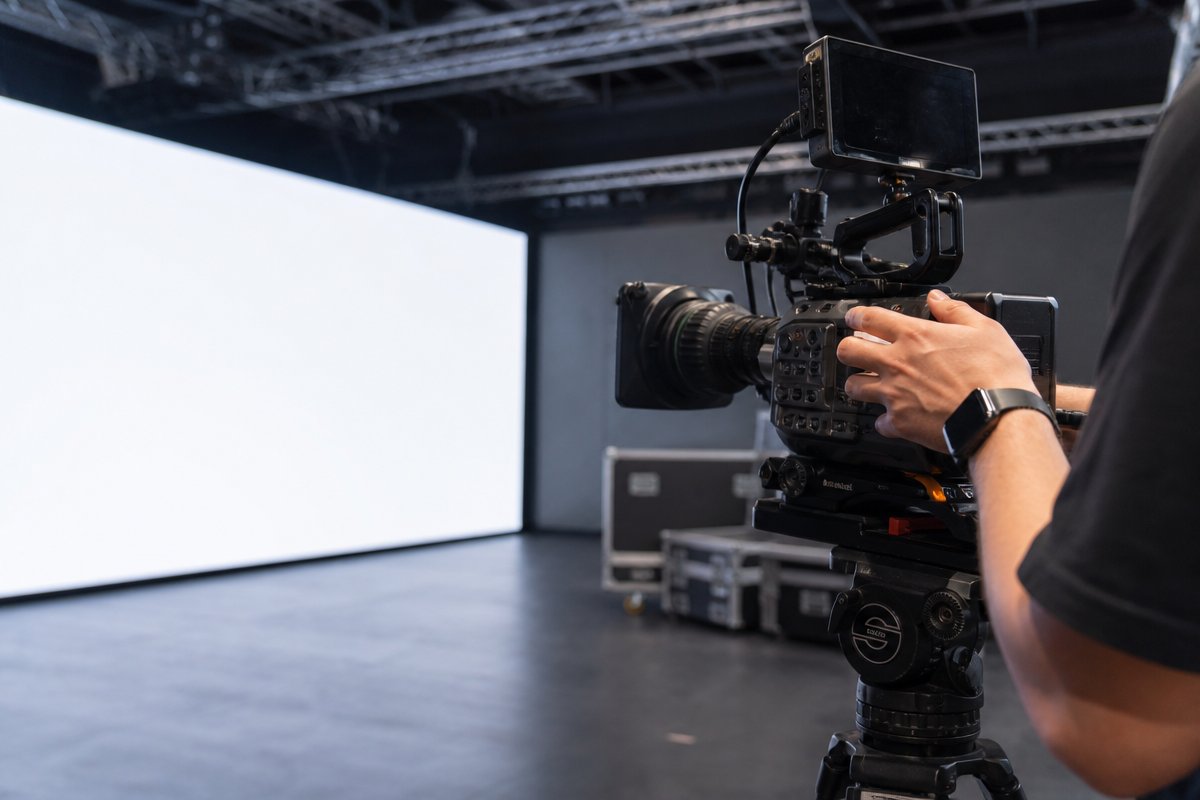
If you have ever signed a contract with a video production company only to end up with missed deadlines, mediocre footage, or a final product that completely missed the mark, you already know the stakes. According to Wyzowl’s 2026 State of Video Marketing report, 91% of businesses now use video as a marketing tool — but a significant number of those projects fail to deliver ROI because the wrong production partner was selected from the start.
Learning how to choose a video production company is not just about comparing prices or browsing reels. It is about finding a team whose creative vision, technical capabilities, communication style, and industry expertise align with your goals. Whether you are a government agency in Washington DC, a nonprofit in Richmond, a tech startup in NYC, or a healthcare brand in Baltimore, this 12-factor decision-making framework will help you confidently select the right partner for your next project.
Factor 1–3: Evaluate Their Creative Foundation
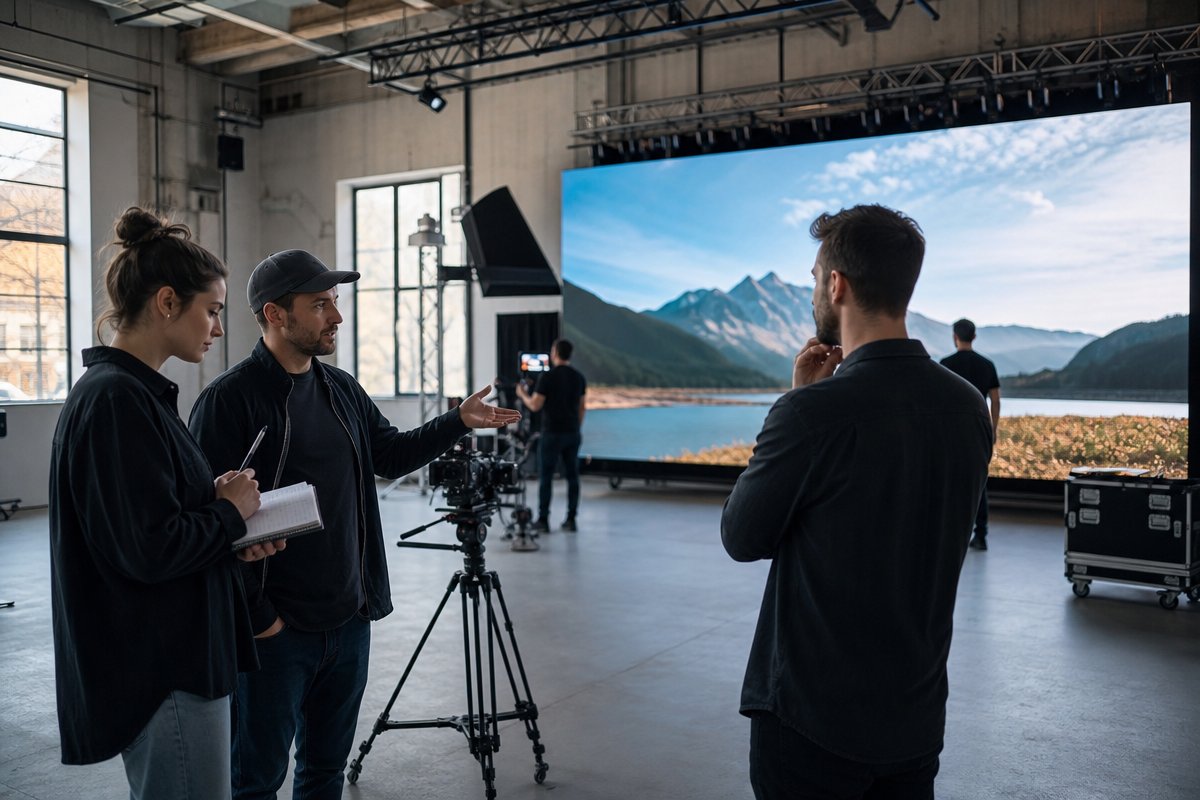
1. Portfolio Quality and Relevance
A production company’s demo reel might be visually stunning, but that alone does not tell you whether they can handle your type of project. Ask yourself:
- Have they produced work in your industry — government, nonprofit, healthcare, education, or corporate?
- Do the videos in their portfolio match the style and tone you envision?
- Can they show full-length samples, not just highlight reels?
A company that has produced training videos for federal agencies will approach your project very differently than one that exclusively creates lifestyle content for consumer brands. Look for range, but also look for depth in categories that matter to you.
2. Storytelling Ability
Technical skill without narrative instinct produces forgettable content. The best production companies understand that every video — whether it is a 30-second commercial, a documentary, or a corporate explainer — needs a compelling story arc. Review their work and ask: Did the video hold your attention? Did it make you feel something? Did it communicate a clear message?
3. Creative Process and Strategy
A great production company does not just show up with cameras. They begin with strategy. During your initial conversations, ask how they approach creative development:
- Do they conduct discovery sessions to understand your brand, audience, and objectives?
- Will they develop a creative brief, script, and storyboard before production begins?
- How do they balance your creative vision with their professional expertise?
Companies that skip the strategy phase often deliver videos that look good but fail to achieve measurable outcomes.
Factor 4–6: Assess Technical Capabilities
4. Equipment and Technology
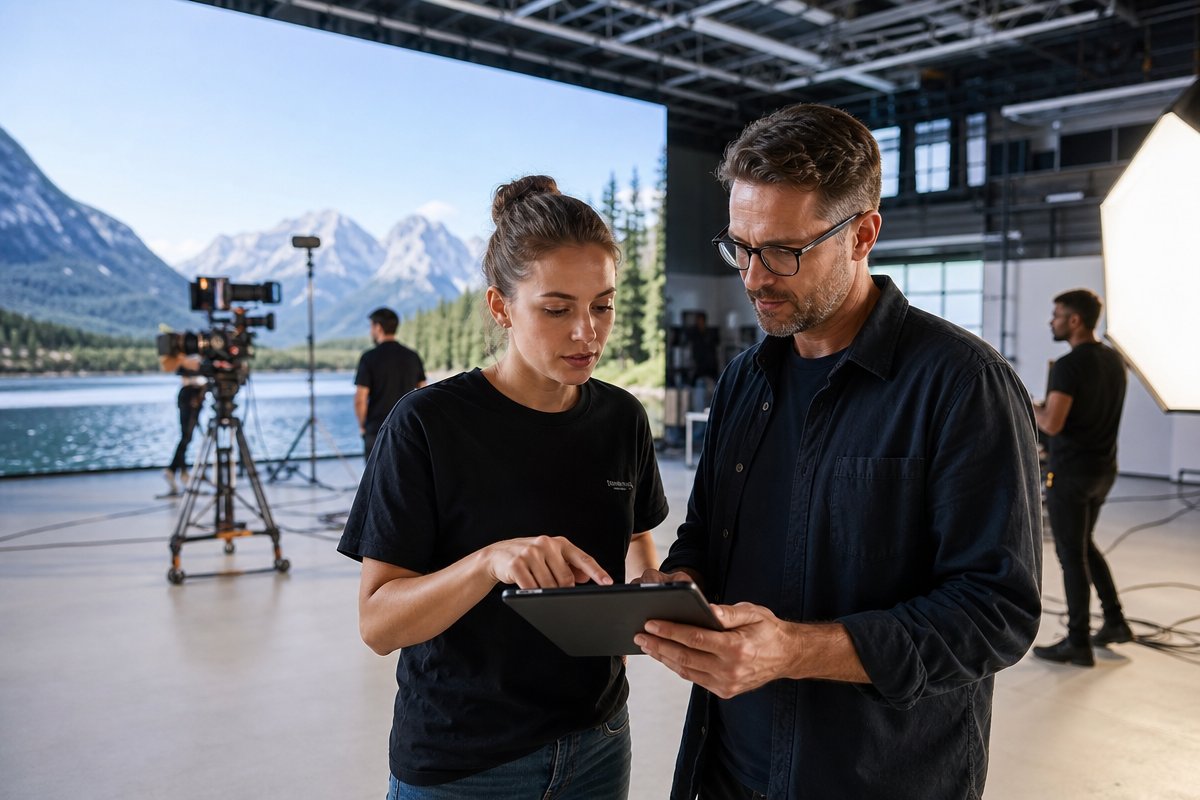
The production landscape has evolved dramatically. Today’s leading studios offer far more than traditional camera setups. Ask about:
- Camera systems (cinema-grade cameras like RED, ARRI, or Sony Venice)
- Lighting rigs and grip equipment
- Audio capture capabilities
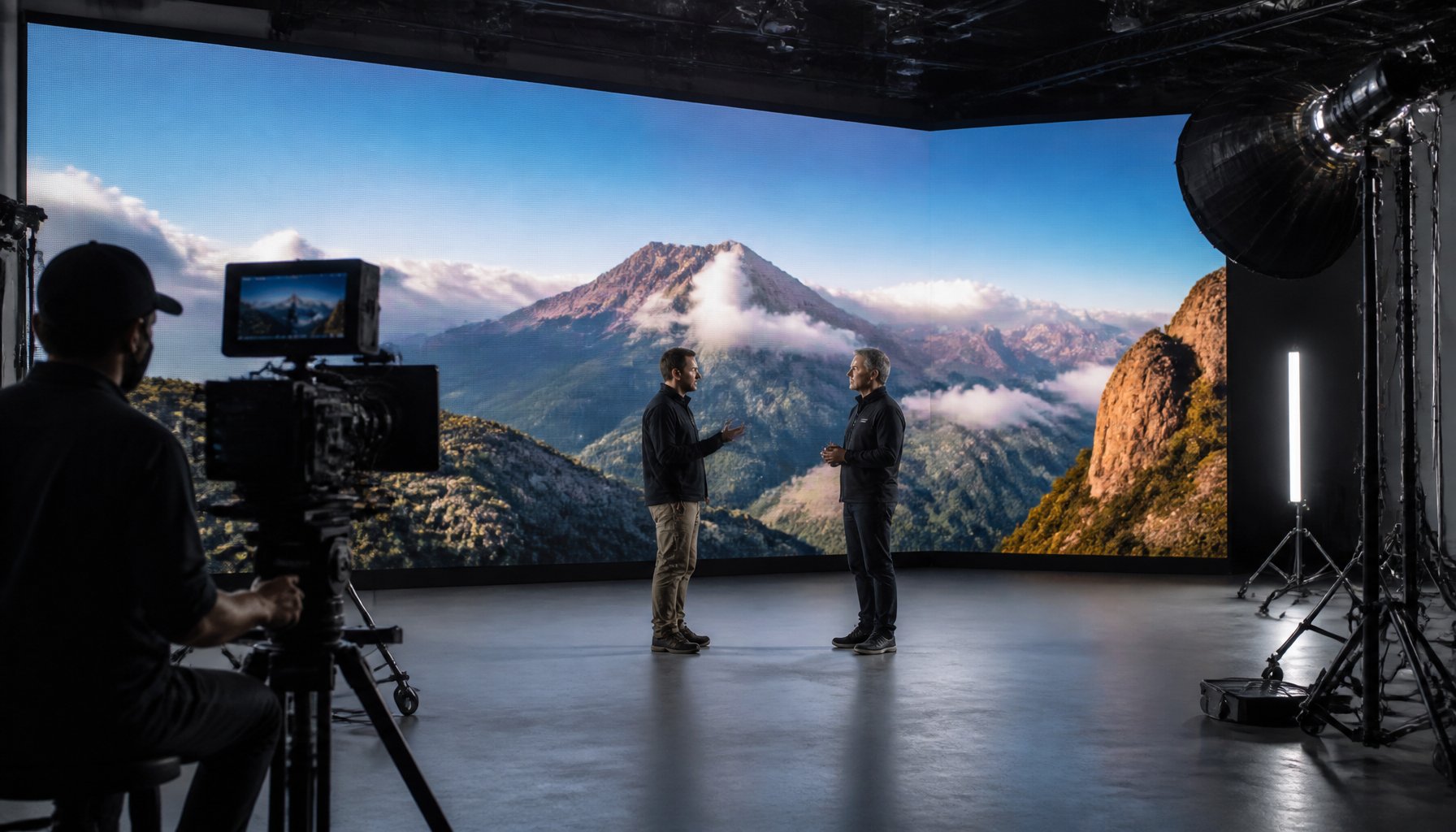
- LED wall virtual production technology
- Drone and aerial filming options
For example, virtual production using LED wall technology can dramatically reduce location costs while creating immersive, photorealistic environments — a capability that separates forward-thinking studios from the rest.
5. Studio Facilities
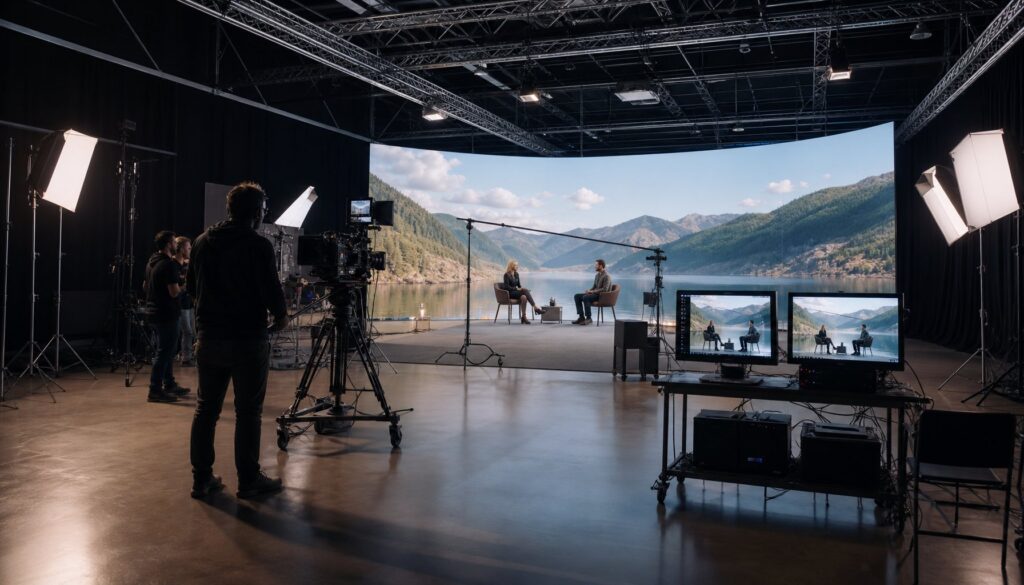
Does the company own or operate a dedicated production studio? Having an in-house studio signals a serious investment in quality and gives you access to controlled filming environments, soundproofing, professional lighting grids, and set design options. If your project requires studio production — talk shows, podcasts, product demos, green screen work, or virtual production — this factor becomes critical.
6. Post-Production Expertise
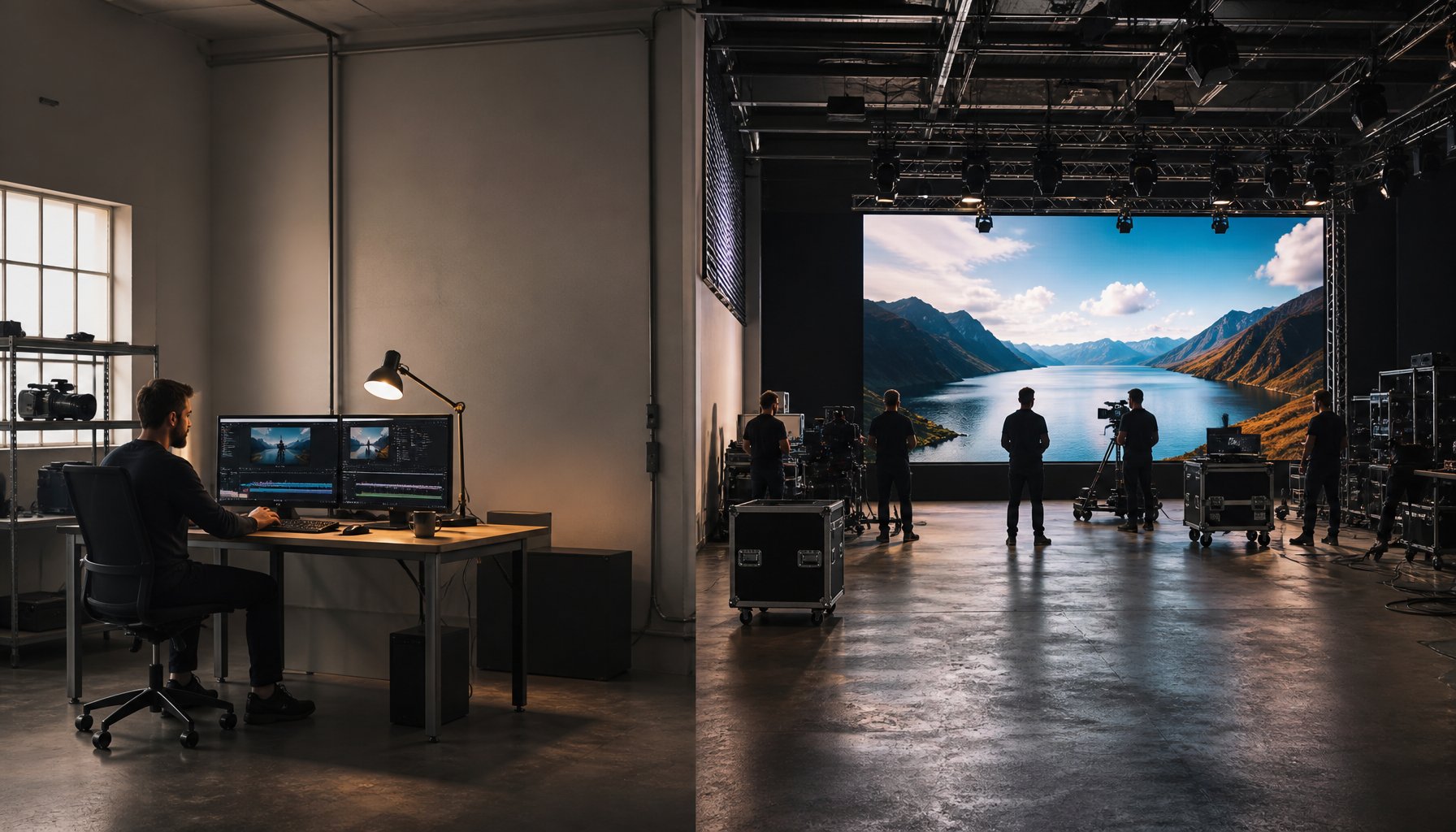
Filming is only half the battle. Post-production — editing, color grading, sound design, motion graphics, and animation — is where raw footage becomes a polished final product. Evaluate whether the company handles post-production in-house or outsources it. In-house post-production typically means faster turnaround times, tighter quality control, and easier revision cycles.
Factor 7–9: Examine Professionalism and Process
7. Communication Style and Responsiveness
This is one of the most underrated factors when figuring out how to choose a video production company, yet it is often the difference between a smooth project and a nightmare. Pay attention to the early signs:
- How quickly do they respond to your initial inquiry?
- Are their emails clear, organized, and professional?
- Do they ask thoughtful questions about your project, or do they immediately jump to pricing?
- Do they assign a dedicated point of contact or project manager?
A company that communicates poorly during the sales process will almost certainly communicate poorly during production. Trust your instincts here.
8. Project Management and Timelines
Professional production companies operate with structured timelines that include milestones for pre-production, production, and post-production. Ask for a sample project timeline and evaluate:
- Is there a clear schedule with defined deliverable dates?
- How do they handle delays or scope changes?
- What tools do they use for project management and client collaboration?
Reliable timeline management is especially important for organizations in government, healthcare, and education where content often ties to regulatory deadlines, campaign launches, or fiscal year budgets.
9. Revision and Approval Process
Before signing any agreement, understand how revisions work. Key questions include:
- How many rounds of revisions are included in the contract?
- What is the cost for additional revisions beyond the included rounds?
- At what stages do you get to review and approve — rough cut, fine cut, final delivery?
The best partners build structured feedback loops into their process so you are never surprised by the direction of the final product.
Factor 10–12: Verify Trust and Value
10. Client Testimonials and References
Online reviews and case studies are helpful, but nothing beats speaking directly with past clients. Ask the production company for two or three references — ideally from organizations similar to yours in size, industry, or project type. When you speak with references, ask:
- Did the company deliver on time and on budget?
- How did they handle challenges or unexpected changes?
- Would you hire them again?
A company that is confident in their work will happily connect you with past clients. Hesitation is a red flag.
11. Pricing Transparency and Budget Alignment
Video production pricing varies widely, and vague or overly complicated quotes are a warning sign. A trustworthy production company will provide a detailed proposal that breaks down costs by phase:
- Pre-production: Strategy, scripting, storyboarding, casting, location scouting
- Production: Crew, equipment, studio time, talent, travel
- Post-production: Editing, color grading, sound mixing, motion graphics, music licensing
Be wary of quotes that seem too good to be true — they usually are. At the same time, the most expensive option is not automatically the best. Focus on the value being delivered relative to the investment.
12. Industry Experience and Specialization
Generalist production companies can produce decent content across many categories. But if your project has specific requirements — compliance standards for government agencies, HIPAA considerations for healthcare, accessibility requirements for educational content, or advocacy messaging for nonprofits — you need a company with relevant industry experience.
A production partner who already understands the nuances of your sector will save you time, reduce risk, and deliver content that resonates with your specific audience. They will know the right questions to ask, the pitfalls to avoid, and the strategies that actually work.
Bonus: Red Flags to Watch For
Beyond the 12 factors above, keep an eye out for these common warning signs when evaluating production companies:
- No written contract or scope of work: Every professional engagement should be documented.
- Unwillingness to share full project samples: Highlight reels can hide a lot of mediocrity.
- One-person operations posing as full studios: There is nothing wrong with freelancers, but make sure you know what you are getting.
- Pressure to commit immediately: Reputable companies give you time to evaluate and decide.
- No questions about your goals or audience: If they do not ask, they do not care about results.
Frequently Asked Questions
What should I look for in a video production company’s portfolio?
Look for work that is relevant to your industry, matches the style and tone you want, and demonstrates strong storytelling. Ask for full-length samples rather than relying solely on highlight reels. Pay attention to production quality — lighting, sound, color grading, and editing pace. A diverse portfolio is good, but depth of experience in your specific video type (corporate, documentary, commercial, training) matters more than breadth alone.
How do I know if a video production company fits my budget?
Request a detailed, itemized proposal that breaks costs down by pre-production, production, and post-production. Compare proposals from at least two or three companies, but focus on the value and deliverables rather than just the bottom-line number. A company that charges more but includes strategy, scripting, professional talent, and multiple revision rounds may deliver far better ROI than a cheaper option that cuts corners.
Should I hire a local video production company or work with a remote team?
Local companies offer significant advantages: easier in-person collaboration, knowledge of local filming locations and permit requirements, lower travel costs, and faster response times for on-site production. If your project involves studio filming, live events, or location-based shoots, working with a company based in your region — whether that is Washington DC, Baltimore, Richmond, or NYC — is almost always the smarter choice.
How long does a typical video production project take?
Timelines vary based on complexity. A simple corporate interview video might take two to four weeks from kickoff to delivery. A multi-location documentary or commercial campaign could take six to twelve weeks or longer. The key is establishing a clear timeline with milestones during the proposal phase so both sides have aligned expectations.
What is the difference between a full-service production company and a freelance videographer?
A full-service production company handles every phase of the project — strategy, scripting, filming, editing, motion graphics, sound design, and delivery — with a team of specialists. A freelance videographer typically offers camera operation and basic editing. For high-stakes projects that require strategic thinking, professional-grade production, and polished post-production, a full-service company is the stronger choice.
Can a video production company help with video strategy, not just filming?
Yes — and the best ones insist on it. A strong production partner will help you define your target audience, clarify your messaging, choose the right video format, and develop a distribution plan before a single camera rolls. Strategy-first production companies deliver content that performs, not just content that looks nice.
Make Your Decision with Confidence
Knowing how to choose a video production company comes down to evaluating these 12 factors with clear eyes and honest questions. The right partner will not just execute your vision — they will elevate it with strategic thinking, technical excellence, and a collaborative spirit that makes the entire process feel seamless.
At TriVision Studios, we have spent years earning the trust of leading brands, government agencies, nonprofits, and corporations across Washington DC, NYC, Richmond, and Baltimore. From full-service video production and virtual production to studio filming and post-production, we bring the expertise, technology, and creative vision to deliver video content that drives real results.
Ready to find the right production partner? Contact TriVision Studios to start a conversation about your next project.