The modern attention span has changed, but the desire for meaningful stories hasn’t. In a digital world driven by short-form video, a new storytelling format is booming: the mini-documentary (also called the mini-doc or micro-documentary).
These short, cinematic pieces—often under five minutes—combine the authenticity of a traditional documentary with the efficiency of branded content. For organizations, nonprofits, and artists across Washington, D.C., Richmond, and Baltimore, the mini-doc is becoming a go-to storytelling tool: fast to produce, emotionally powerful, and shareable across every platform.
At TriVision Studios, we’ve seen firsthand how this format bridges the gap between high-end film and social media content. Let’s break down why mini-docs are rising, what makes them effective, and how your organization can use them to move hearts and minds.
What Is a Mini-Doc (or Micro-Documentary)?
A mini-documentary or micro-doc is a short film that tells a true story in a compact, cinematic way—usually between 60 seconds and 5 minutes long. Unlike commercials, they don’t sell directly; they connect emotionally.
They focus on:
A real person or small group
A clear, authentic moment of transformation
Strong visuals and sound design
Minimal narration or overt branding
Mini-docs answer a critical marketing question: How can we tell something real that still advances our brand story?
Why Mini-Docs Are Booming
1. Attention Meets Depth
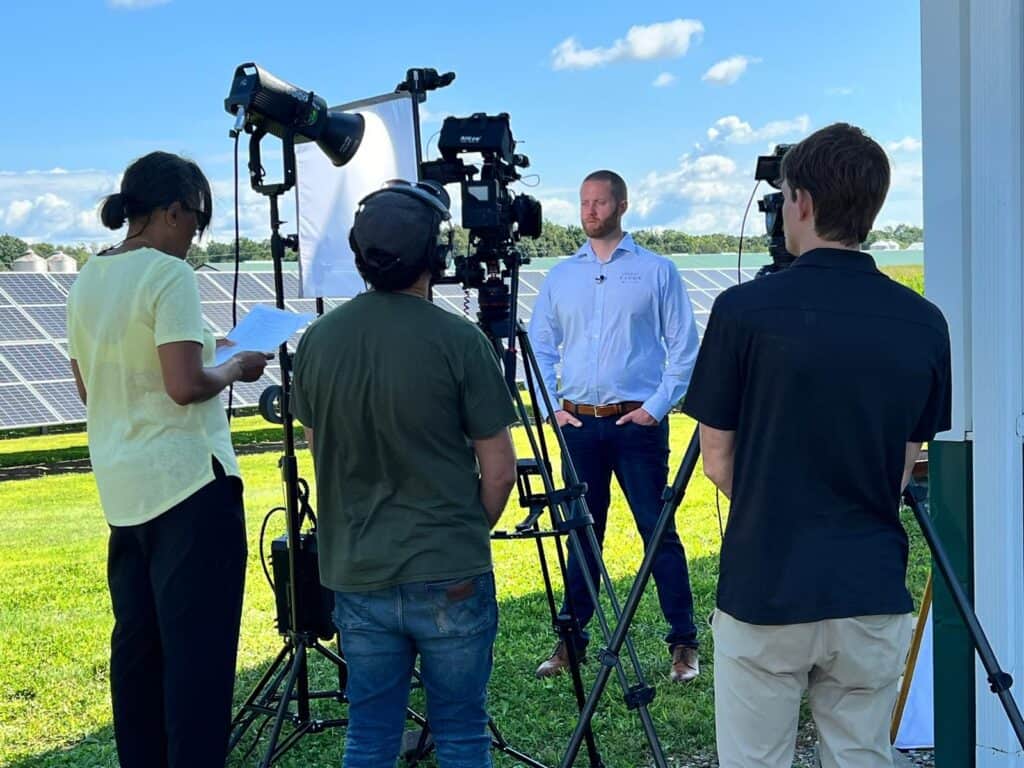
Audiences today crave authenticity but scroll fast. Platforms like YouTube, Instagram, and TikTok have trained us to watch in shorter bursts—but also to engage deeply with content that feels real.
Mini-docs hit that sweet spot: short enough to finish, deep enough to feel.
According to Wyzowl’s 2024 State of Video Marketing Report, 96% of people say they’ve watched an explainer or short-form video to learn about a brand, and 89% say they’re more likely to buy after seeing one—especially when the story feels human.
2. Affordable Cinematic Production
Traditional documentaries require months (or years) of filming, editing, and funding. But with modern production tools—lightweight 4K cameras, drone footage, LED lighting, and cloud editing—a small crew can produce broadcast-quality films in a few days.
For example, a nonprofit in the DMV, Baltimore, or Richmond can now commission a 3-minute mini-doc about a community garden for a fraction of what a 30-minute documentary used to cost. The result? Same emotional impact, faster turnaround, and wider reach.
3. Authenticity Over Advertising
Mini-docs perform best when they show, not sell. Instead of scripted testimonials, they let real people speak in their own words. That’s why community organizations in D.C. and artists in Baltimore are embracing the format—it reflects the real human texture of their work.
In one recent TriVision Studios project, a 2-minute micro-documentary on a D.C.-based music nonprofit outperformed a traditional promo video by nearly 300% in engagement across social platforms.
The Anatomy of a Great Mini-Doc
Creating an effective micro-documentary takes more than a camera and a short runtime. It’s about structure, rhythm, and emotional precision. Here’s what defines the best ones:
1. A Single Human Story
Whether it’s a Baltimore muralist or a Richmond nurse, focus on one person’s journey. Mini-docs work because they make big issues personal.
Example: A micro-doc about a D.C. homeless outreach group centers on one volunteer’s daily routine, showing the power of small kindnesses.
2. A Visual Hook
The first five seconds must intrigue viewers. Start with motion, color, or sound—not talking heads.
Example: Instead of opening with a title card, show the Richmond skyline at sunrise as a voiceover says, “Every mural tells a story.”
3. Sound-First Storytelling
Great audio drives emotional resonance. Ambient sounds—train tracks, footsteps, laughter—ground the viewer in the moment. Use music sparingly; let natural sound breathe.
4. Emotional Payoff
Even in a 90-second micro-doc, there needs to be an arc. Begin with conflict or tension, build toward resolution, and end with a moment that lingers—like a quiet smile or gesture of hope.
5. Purposeful Editing
Every second counts. Each cut must advance the emotion or understanding. Many editors use the “one-thought-per-shot” rule to keep micro-docs clear and propulsive.
Mini-Docs for Nonprofits, Artists & Communities
Washington, D.C.: Voices of Change
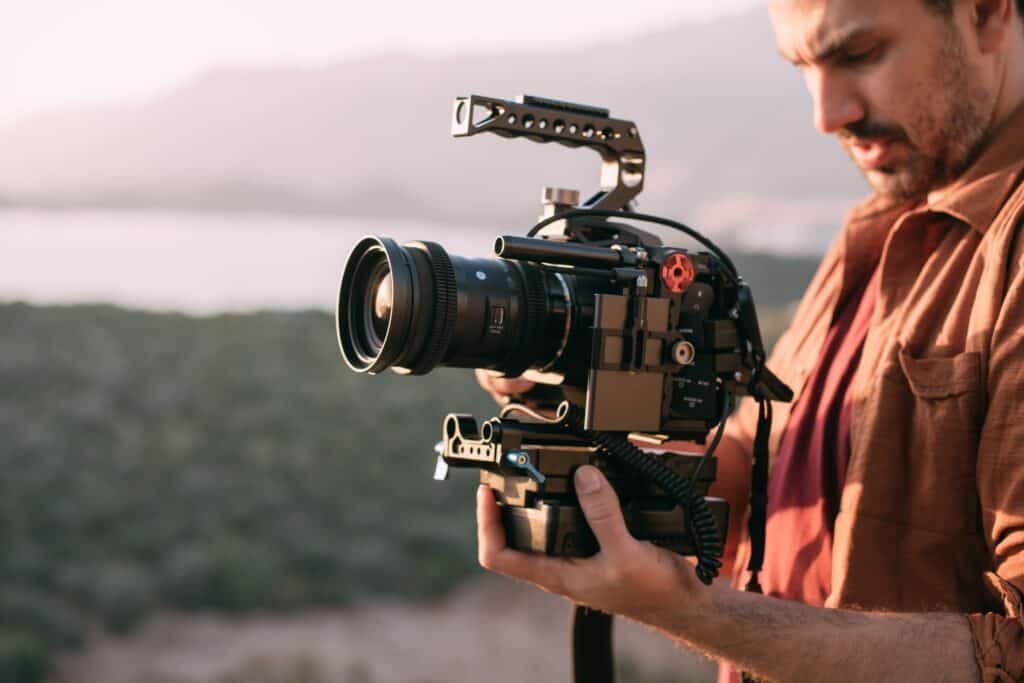
D.C. nonprofits are increasingly using mini-docs to advocate for policy or public awareness. A recent example: a local education nonprofit produced a 3-minute mini-doc featuring a student’s personal journey from hardship to graduation. That single story raised 25% more donations during their annual campaign.
Richmond: Art with a Purpose
Richmond’s thriving arts scene makes it ideal for micro-documentaries. Artists are using short films to tell the stories behind their installations—how murals, sculptures, and performances reflect community identity. Mini-docs here act as cultural bridges, helping residents connect with their city’s creative heartbeat.
Baltimore: Stories of Resilience
In Baltimore, filmmakers are capturing stories of small business owners and neighborhood revitalization efforts. One micro-doc series followed local food entrepreneurs bringing new life to historic districts. These films don’t just inform—they inspire investment and pride.
Actionable Tips for Producing a Powerful Mini-Doc
1. Start with a Real Question
Ask: What human truth do we want to reveal? This keeps the story authentic and focused.
2. Keep It Short—but Not Rushed
Most mini-docs perform best between 90 seconds and 3 minutes. Any longer, and viewer retention drops sharply.
3. Film With Natural Light
Whenever possible, shoot in natural or practical light for realism. It keeps the look authentic and the production nimble.
4. Let Characters Narrate Themselves
Avoid heavy voiceovers. Let your subject’s words carry the emotional weight.
5. Prioritize Story Beats in the Edit
Structure like this:
Hook (0–10s)
Context (10–40s)
Emotional reveal (40–90s)
Resolution (90–150s)
Brand/Call to Action (end)
6. Deliver for Every Platform
Cut multiple versions: a full-length YouTube edition, a vertical teaser for Instagram Reels, and a short clip for LinkedIn. This multiplies reach without multiplying effort.
Mini-Docs as Brand Strategy
Mini-docs aren’t just artistic—they’re strategic. They deliver trust. According to HubSpot’s 2025 Content Trends Report, viewers perceive documentary-style videos as 2.3x more trustworthy than traditional ads.
For brands, that means credibility. For nonprofits, that means donations. And for cities like D.C., Richmond, and Baltimore, it means visibility for local stories that matter.
Use Cases
Corporate social responsibility (CSR) storytelling
Artist profiles and grant applications
Community outreach campaigns
Educational spotlights for schools and universities
Tourism storytelling highlighting local culture
TriVision Studios has produced mini-docs that helped a D.C. policy nonprofit land national media coverage and a Baltimore arts group secure new funding from private donors. The reason they work: they’re not selling a product—they’re selling truth.
Micro-Docs vs Traditional Documentaries
| Feature | Micro-Doc | Traditional Documentary |
|---|---|---|
| Length | 1–5 minutes | 30–90 minutes |
| Goal | Inspire / build awareness | Educate / analyze deeply |
| Production Time | Days to weeks | Months to years |
| Budget | Low to medium | High |
| Distribution | Social, web, email | Festivals, streaming |
| Viewer Engagement | Quick emotional hook | Sustained attention |
Mini-docs don’t replace traditional documentaries—they complement them. They’re the trailers for real change: small enough to go viral, powerful enough to spark dialogue.
How to Launch a Mini-Doc Series
If your organization wants to tell multiple stories—say, five local heroes in Baltimore or a set of arts initiatives in Richmond—plan a mini-doc series.
Here’s how to start:
Define the theme (e.g., “Voices of Resilience”)
Select 3–5 compelling characters
Plan consistent branding—titles, typography, music
Shoot all stories in one production window for efficiency
Release monthly to build anticipation and long-term engagement
Series like these keep audiences returning—and position your organization as a continuous storyteller rather than a one-off content creator.
The Future of Mini-Docs
AI tools are now accelerating production without sacrificing quality. Generative scripts, automated transcriptions, and even AI-assisted color correction help small teams deliver faster. But the heart of the mini-doc remains the same: human truth.
As audiences seek connection in a fast, fragmented world, micro-documentaries offer what few formats can—a reason to feel something real in under five minutes.
Cities like D.C., Richmond, and Baltimore are leading the way, showing that great storytelling doesn’t need Hollywood budgets—just honesty, empathy, and a camera pointed at the right person.
Long Takes, Short Stories, Lasting Impact
The mini-doc is not a trend; it’s a storytelling revolution. For nonprofits, artists, and brands alike, these short films prove that length doesn’t define depth—emotion does.
At TriVision Studios, we believe that every city, every organization, and every individual has a story worth telling. Whether it’s a Richmond painter, a Baltimore entrepreneur, or a D.C. activist, the power of the mini-doc lies in this simple truth: short stories can create long-lasting change.
Check out TriVision Studios’ documentary production capabilities here.
FAQs: Mini-Docs
1. What is a mini-doc?
A mini-doc (short for mini-documentary) is a short, cinematic nonfiction video—typically 1 to 5 minutes long—that tells a true, emotionally driven story. Unlike a traditional ad, a mini-doc focuses on real people and authentic experiences rather than scripted promotion.
2. How is a mini-doc different from a traditional documentary?
A traditional documentary can run 30 to 90 minutes and explores subjects in depth.
A mini-doc is short-form and focuses on a single idea, event, or person—delivering emotional impact in a fraction of the time. Mini-docs are ideal for online sharing and brand storytelling, while traditional documentaries are better suited for film festivals or streaming.
3. Why are mini-docs becoming popular in video production?
Mini-docs are booming because they fit modern attention spans while maintaining depth and authenticity. They’re affordable, fast to produce, and ideal for social media platforms like YouTube, Instagram, and LinkedIn. For nonprofits and artists in Washington, D.C., Richmond, and Baltimore, they provide a cinematic way to showcase impact and community stories.
4. How long should a micro-documentary be?
Most micro-documentaries perform best between 90 seconds and 3 minutes. This length is long enough to develop an emotional story but short enough to retain viewer engagement across all platforms.
5. How much does it cost to produce a mini-doc?
Costs vary depending on scope and production quality. A professionally produced mini-doc can range from $3,000 to $15,000, depending on location, crew size, and post-production needs. Studios like Trivision offer scalable options—whether filming a single story in Richmond or a full mini-doc series across Baltimore and D.C.
6. What types of organizations benefit most from mini-docs?
Mini-docs work best for:
Nonprofits seeking donor engagement
Artists promoting exhibitions or creative projects
Brands highlighting social responsibility efforts
Local governments showcasing community programs
Universities telling student or alumni stories
They’re especially effective when human emotion is central to the message.
7. How can I get started producing a mini-doc with TriVision Studios?
Start by identifying one compelling real-life story—someone whose experience reflects your mission or impact. Then reach out to TriVision Studios for concept development, filming, and editing. Our team in the D.C.–Baltimore–Richmond corridor specializes in crafting mini-docs that blend cinematic storytelling with strategic messaging to help organizations connect authentically with their audiences.