You invested in a video. It looked fine on a laptop screen. But when it played at your annual conference, streamed to stakeholders, or landed in a prospect’s inbox, something felt off. The lighting was flat, the audio had a hollow echo, and the message didn’t land with the authority your organization deserves. This is the gap between amateur video and professional video production in the DC area—and in a region where your audience includes federal decision-makers, national media, and Fortune 500 executives, that gap can cost you credibility. According to Wyzowl’s 2026 State of Video Marketing report, 91% of businesses now use video as a marketing tool, which means the bar for quality has never been higher and the tolerance for mediocre content has never been lower.
So what actually distinguishes professional-grade video production from the DIY or budget alternatives flooding the market? It’s not just better cameras. It’s a combination of strategic thinking, technical mastery, creative storytelling, and logistical expertise that only comes from years of producing high-stakes content in one of the most demanding media markets in the country.
The DC Area Demands a Higher Standard of Video Production
Washington DC is not a typical market. The organizations based here—government agencies, international nonprofits, trade associations, defense contractors, healthcare systems, and global technology firms—operate under a level of scrutiny that most regional businesses never face. A video produced for a federal agency must meet accessibility standards, pass layers of approval, and communicate complex policy without distortion. A video for a DC-based advocacy nonprofit needs to move audiences emotionally while remaining factually airtight.
This environment shapes what professional video production looks like in the DC area. Crews working in this region understand the stakes. They know how to navigate security protocols at government buildings, manage interviews with high-ranking officials who have seven minutes between meetings, and deliver content that satisfies both communications directors and legal teams.
The Difference Between Owning a Camera and Knowing How to Produce
The democratization of video equipment has been a double-edged sword. Anyone can buy a cinema-quality camera body for a few thousand dollars. But owning the tool doesn’t mean understanding the craft. Professional video production is defined by:
- Pre-production strategy: Before a single frame is captured, professionals invest time in understanding your goals, audience, distribution channels, and key messages. They develop creative briefs, shot lists, scripts, and production timelines.
- Technical execution: Proper lighting design, professional audio capture, camera movement with purpose, and color science that matches your brand identity.
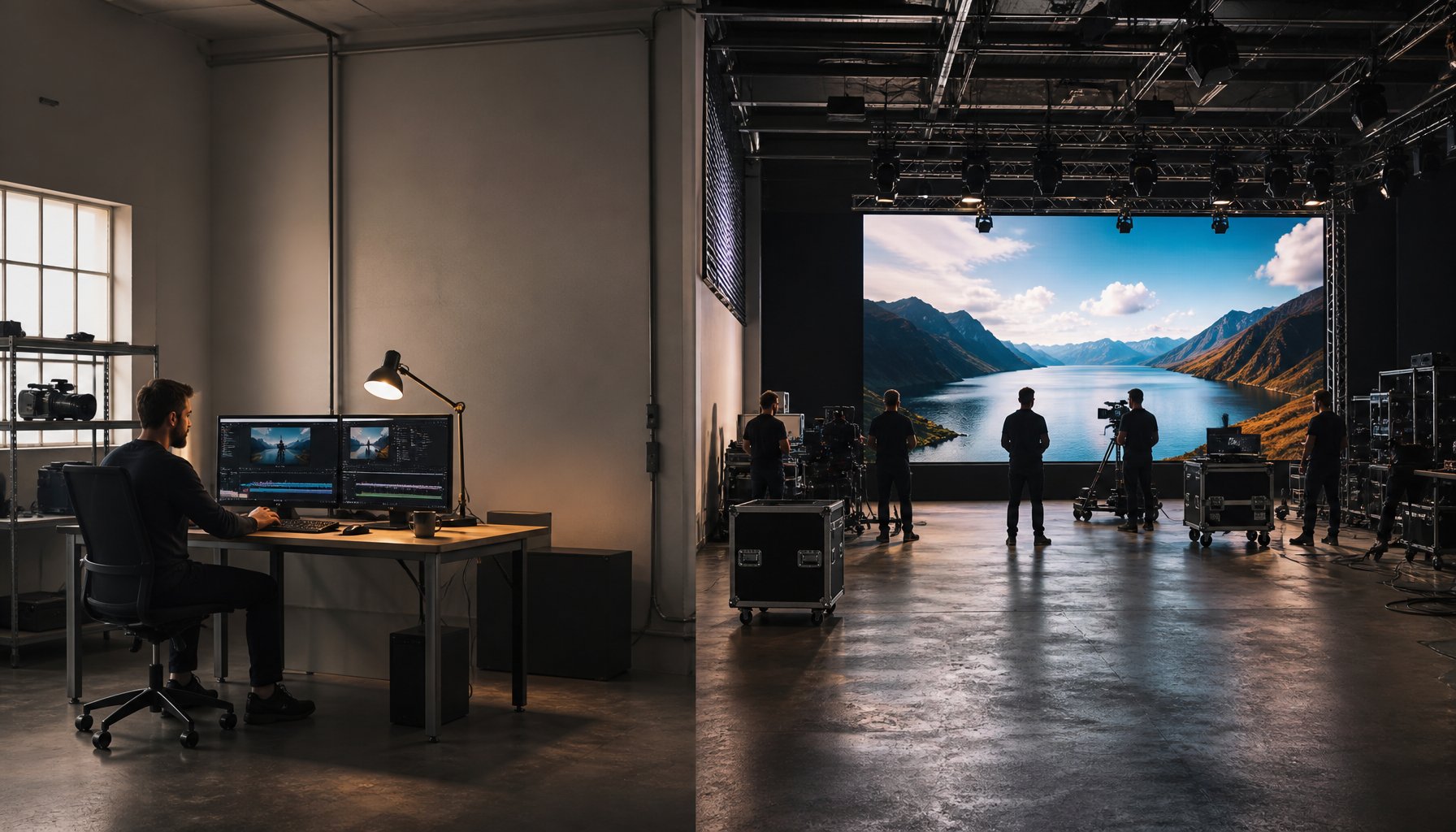
- Post-production polish: Color grading, sound mixing, motion graphics, pacing, and editorial decisions that transform raw footage into a compelling narrative.
- Project management: Coordinating talent, locations, permits, equipment, crew, and client feedback loops without delays or budget overruns.
When an organization in the DC area hires a professional production team, they’re not paying for a person with a camera. They’re paying for a system—a proven process that consistently produces results.
Strategic Storytelling vs. Just Hitting Record
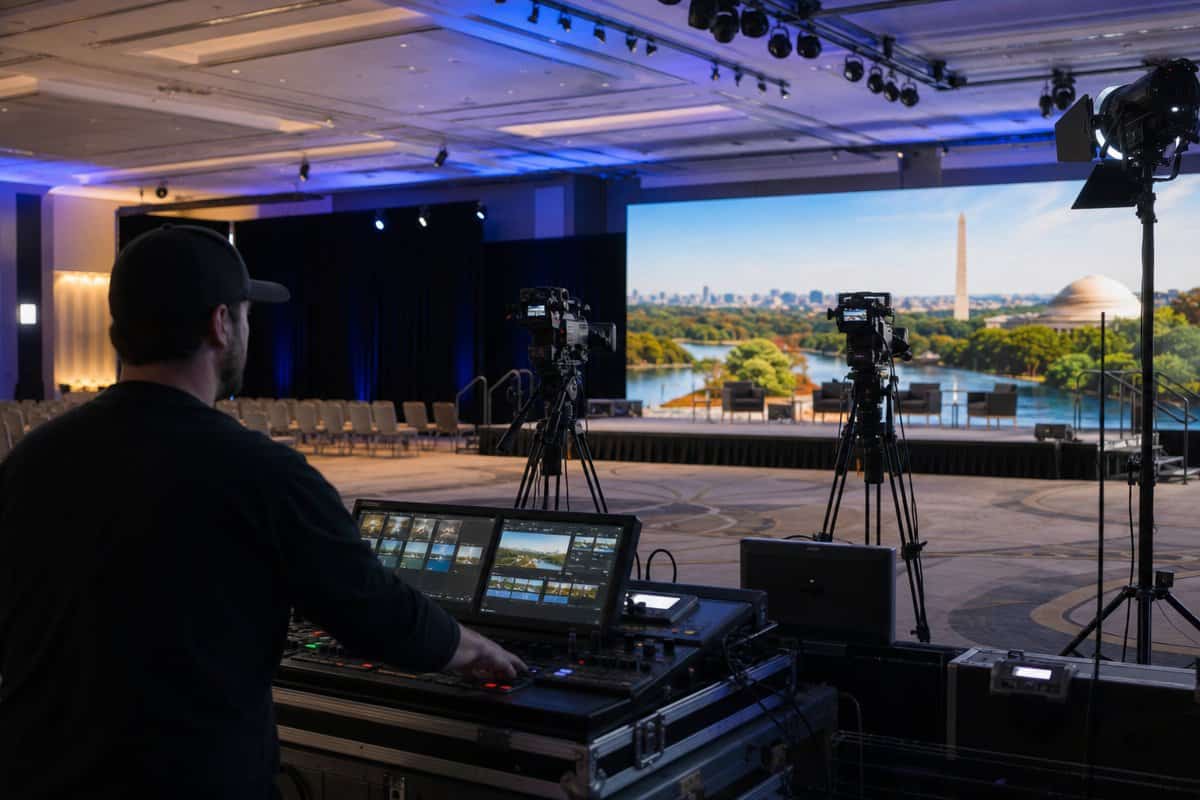
One of the most significant differences between professional and amateur video production is what happens before the camera rolls. Amateur efforts tend to start with logistics: where do we shoot, when is everyone available, what equipment do we have? Professional production starts with strategy: what is the purpose of this video, who is the audience, what action do we want them to take, and how does this piece fit into the larger communications ecosystem?
Message Architecture Matters
In the DC area, where organizations often communicate with multiple audiences simultaneously—Congress, the public, internal staff, donors, media—message architecture is critical. A professional production team works with you to identify:
- The single most important takeaway for your primary audience
- Supporting messages that build credibility and emotional resonance
- The narrative structure that keeps viewers engaged from opening frame to call-to-action
- Visual metaphors and b-roll concepts that reinforce the message without relying solely on talking heads
This is the kind of strategic foundation that separates a video people watch from a video people skip. It’s also the reason why organizations like government agencies and national nonprofits consistently turn to experienced DC-area studios rather than hiring freelancers who may excel technically but lack the strategic depth.
Real-World Example: Turning Complexity into Clarity
Consider a scenario common in the DC area: a healthcare association needs to explain a new regulatory framework to its members across the country. An amateur approach might film a subject matter expert talking at a desk for twelve minutes. A professional approach would break that content into a series of short, visually dynamic modules—using motion graphics to illustrate data, on-screen text to emphasize key terms, and a narrative arc that moves from problem to solution. The result is content that people actually absorb, share, and act on.
Technical Quality That Builds Trust
Audiences may not consciously analyze your lighting ratios or audio levels, but they instinctively sense when something feels professional versus when it feels amateurish. Research from the Stanford Web Credibility Project found that visual design is the number one factor people use to assess the credibility of an organization. Video is no different. When your video looks polished, your organization looks polished.
Lighting and Cinematography
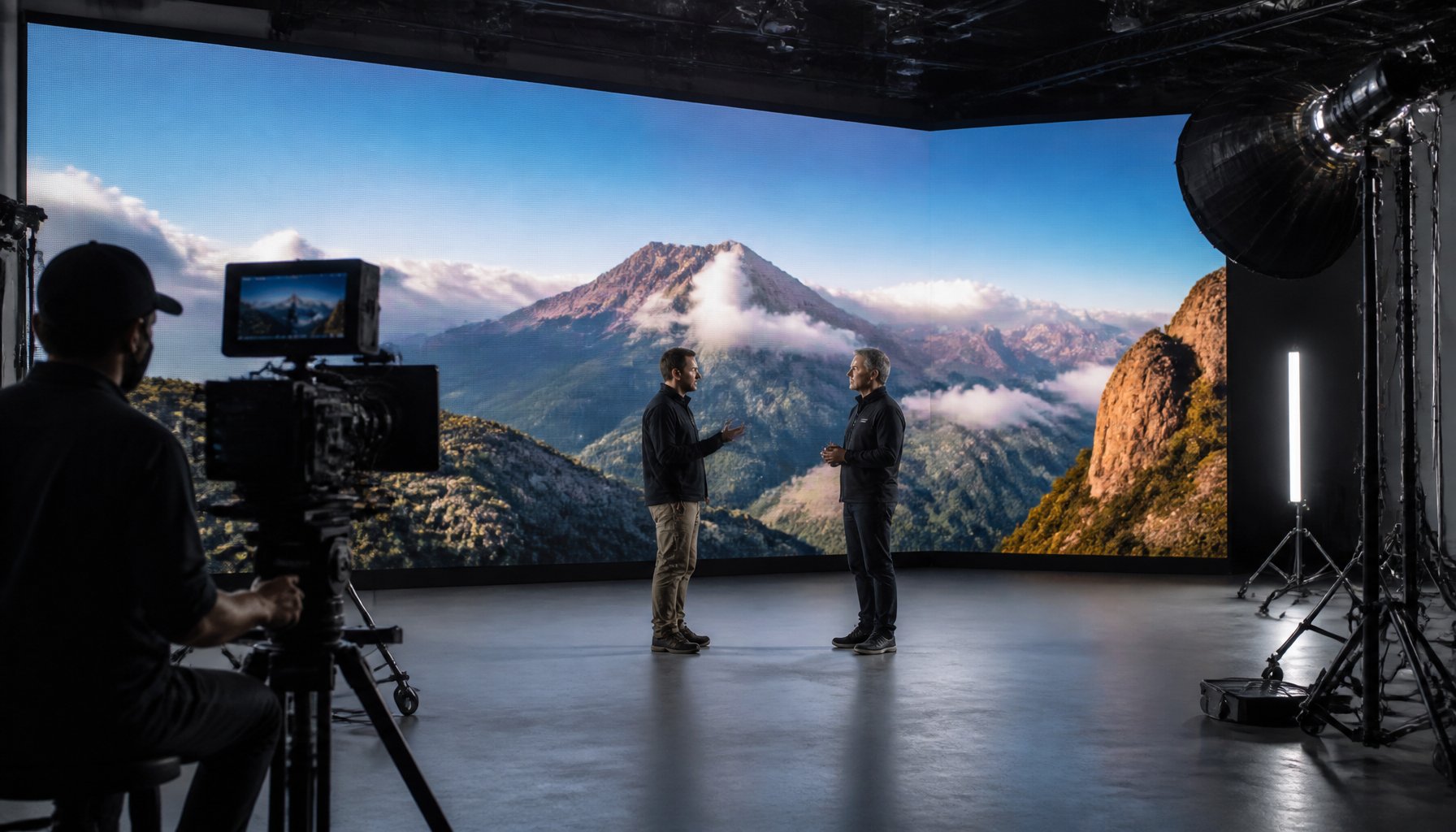
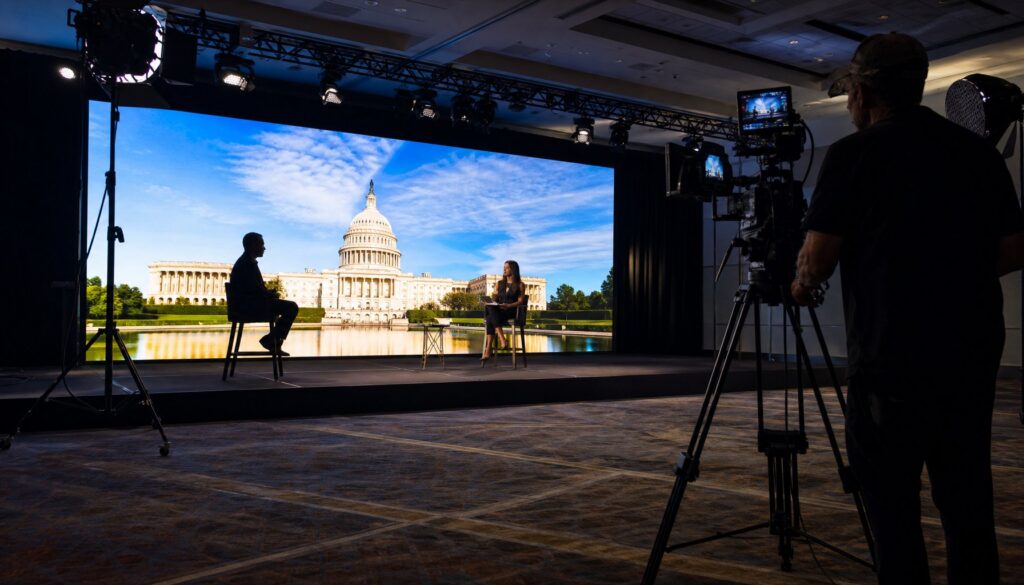
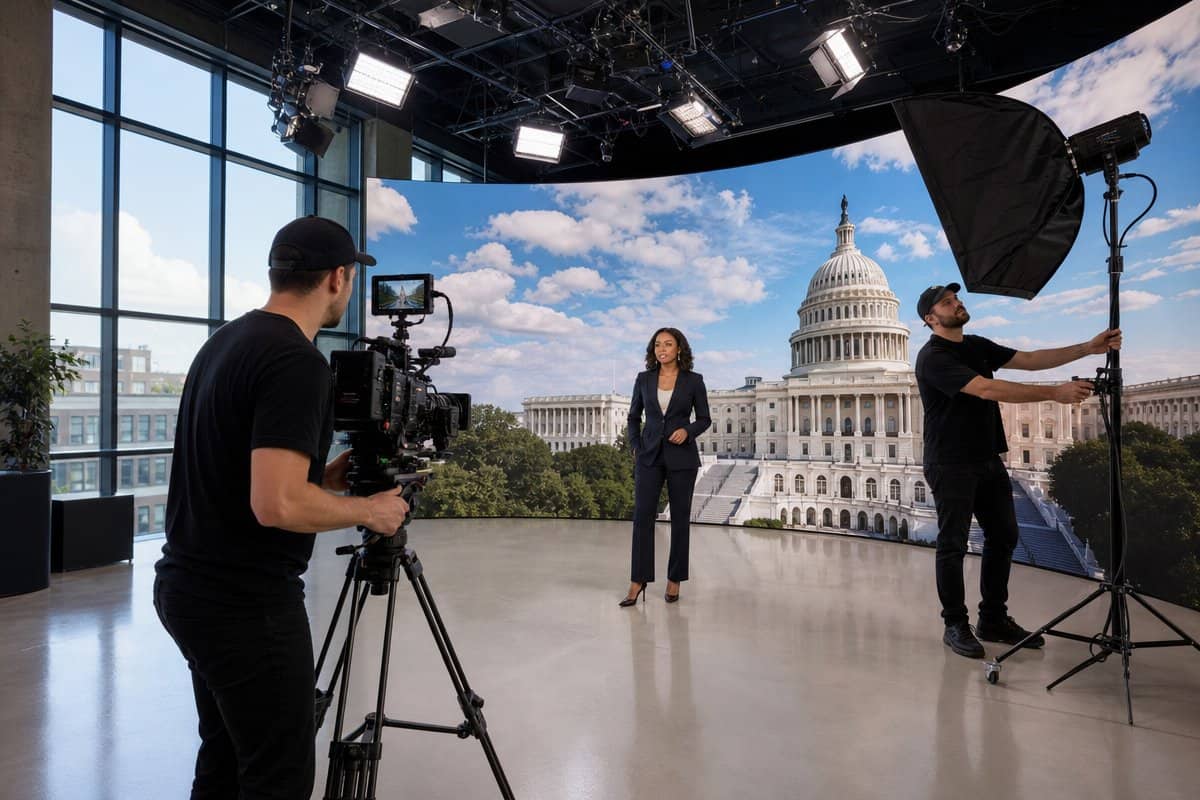
Professional video production uses intentional lighting design—not just available light or a ring light clipped to a desk. In a professional setting, cinematographers use key lights, fill lights, backlights, and practicals to create depth, mood, and visual interest. They choose lenses, focal lengths, and camera angles based on the emotional tone of the scene, not convenience.
Audio: The Invisible Deal-Breaker
Poor audio is the single fastest way to lose a viewer. Professional productions use dedicated sound recordists, lavalier microphones, boom operators, and controlled acoustic environments to ensure crystal-clear dialogue. In post-production, audio is mixed, levels are balanced, background noise is eliminated, and music is layered to support—not overpower—the narrative. Amateur productions routinely underinvest in audio, and viewers notice immediately even if they can’t articulate why the video feels cheap.
Color, Graphics, and Brand Consistency
Professional post-production includes color grading that matches your brand’s visual identity, custom motion graphics that elevate data and transitions, and lower thirds and title cards designed to your specifications. Every visual element is intentional. This level of detail matters enormously in the DC area, where your video might appear alongside content from the world’s largest organizations and needs to hold its own.
Logistics and Experience You Cannot Shortcut
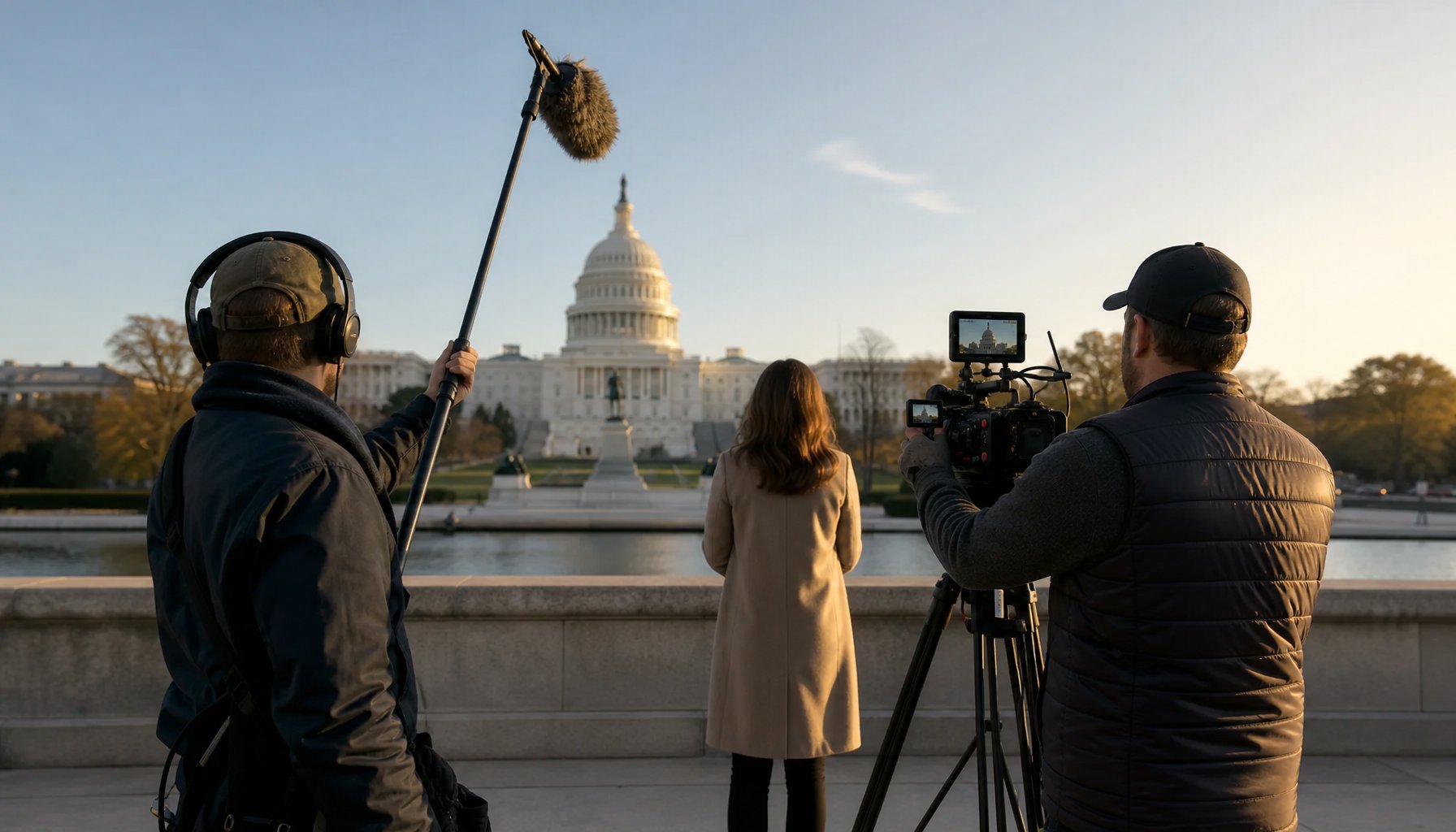
The DC area presents unique logistical challenges that only experienced local production teams can navigate efficiently. From permit requirements on the National Mall to security clearances at federal facilities, from parking logistics in Georgetown to noise ordinances in residential neighborhoods in Alexandria and Bethesda—local knowledge saves time, prevents costly mistakes, and ensures production days run smoothly.
What Local Expertise Looks Like in Practice
- Location scouting: Knowing which DC-area locations offer the best visual backdrops, available natural light at different times of day, and logistical accessibility for crew and equipment.
- Permit navigation: Understanding the permitting process for public spaces in Washington DC, Arlington, and surrounding jurisdictions—and knowing when permits are required versus when they’re not.
- Talent and crew networks: Access to vetted local professionals—from on-camera hosts to hair and makeup artists—who understand the pace and professionalism required for high-stakes productions.
- Backup planning: Experienced producers always have contingency plans for weather, talent cancellations, equipment issues, and schedule changes. In the DC area, where a government shutdown or security event can alter plans in hours, this experience is invaluable.
The ROI of Professional Production
Organizations sometimes hesitate at the investment required for professional video production, comparing it to the cost of shooting something in-house or hiring a solo freelancer. But the return on investment calculation should account for more than just production cost—it should include the value of the content’s effectiveness.
A professionally produced video that clearly communicates your message, builds trust with your audience, and drives measurable action—whether that’s donations, policy support, sales inquiries, or employee engagement—delivers exponentially more value than a cheaper video that sits on your website unwatched.
Longevity and Versatility
Professional video content is also an asset with a longer shelf life. A well-produced brand film can serve your organization for two to three years. Professionally shot interview footage can be repurposed into social media clips, internal communications, event content, and media pitches. When you invest in quality production upfront, you create a library of content that continues to deliver value long after the shoot day.
TriVision Studios’ video production services are built around this philosophy—creating content that serves multiple purposes across multiple channels, maximizing the return on every production dollar.
Frequently Asked Questions
What makes professional video production in the DC area different from other regions?
The DC area’s unique client base—government agencies, national nonprofits, international organizations, and major corporations—requires production teams to operate at a higher standard of professionalism, security awareness, and strategic communication. Production companies here routinely handle content that involves sensitive messaging, complex approval processes, and high-profile stakeholders, which demands experience and processes that many regional production teams simply don’t have.
How can I tell if a video production company is truly professional?
Look beyond the demo reel. Ask about their pre-production process, how they handle creative strategy, what their crew structure looks like on a typical shoot, and whether they manage post-production in-house. A truly professional company will have a clear, repeatable process, a diverse portfolio of work across industries, and references from organizations similar to yours. They should also carry proper insurance and have experience managing productions at scale.
Is professional video production worth the investment for smaller organizations?
Absolutely. In fact, smaller organizations often benefit most from professional production because they have fewer opportunities to make a first impression. A single high-quality video can serve as your primary marketing asset for years, appearing on your website, social media, at events, and in sales conversations. The cost per impression over the life of a professionally produced video is typically far lower than cheaper alternatives that need to be replaced more frequently.
How long does a professional video production project take from start to finish?
Timelines vary based on scope, but a typical project in the DC area follows this general framework: one to two weeks for pre-production planning and scripting, one to three days of principal photography, and two to four weeks for editing, revisions, and final delivery. More complex projects—such as documentary series or multi-location shoots—can extend these timelines. The key is that professional teams establish clear milestones and keep projects on schedule.
What should I prepare before hiring a professional video production team?
Before your first meeting, it helps to have clarity on your target audience, the primary goal of the video, your distribution plan (where will the video live and how will people see it), your approximate budget range, and any brand guidelines or existing assets the production team should reference. You don’t need to have a script or creative concept—that’s what the production team will help you develop.
Can one production shoot create content for multiple platforms?
Yes, and this is one of the major advantages of working with a professional team. Experienced producers plan shoots with multi-platform distribution in mind, capturing footage in formats and aspect ratios that work for websites, social media, presentations, broadcast, and internal communications. This approach maximizes your investment and ensures consistent quality across every touchpoint.
Invest in Production That Matches Your Ambition
In a region defined by influence, credibility, and high expectations, your video content is a direct reflection of your organization’s professionalism. The difference between amateur and professional video production in the DC area isn’t just aesthetic—it’s strategic, technical, and ultimately tied to whether your content achieves its purpose.
If your organization is ready to create video content that commands attention and drives results, TriVision Studios brings decades of experience producing high-impact content for the brands, agencies, and organizations that shape the DC area. From strategic pre-production planning through final delivery, every project is built on a foundation of expertise, precision, and creative excellence. Get in touch to start a conversation about your next project.