You have a budget approved, a message to communicate, and stakeholders expecting results. The last thing you need is a corporate video production company that delivers a forgettable video no one watches past the first ten seconds. According to Wyzowl’s 2026 State of Video Marketing report, 91% of businesses now use video as a marketing tool, yet nearly one in three say they’re unsatisfied with the ROI their videos generate. That gap between investment and impact almost always traces back to one decision: which production partner you chose.
This isn’t a guide about how to find a company near you or a breakdown of production costs. Instead, this is a thought leadership examination of what genuinely separates exceptional corporate video production companies from average ones, drawn from real client expectations data and years of industry experience in Washington DC and beyond.
The Expectation Gap: What Clients Want vs. What Most Companies Deliver
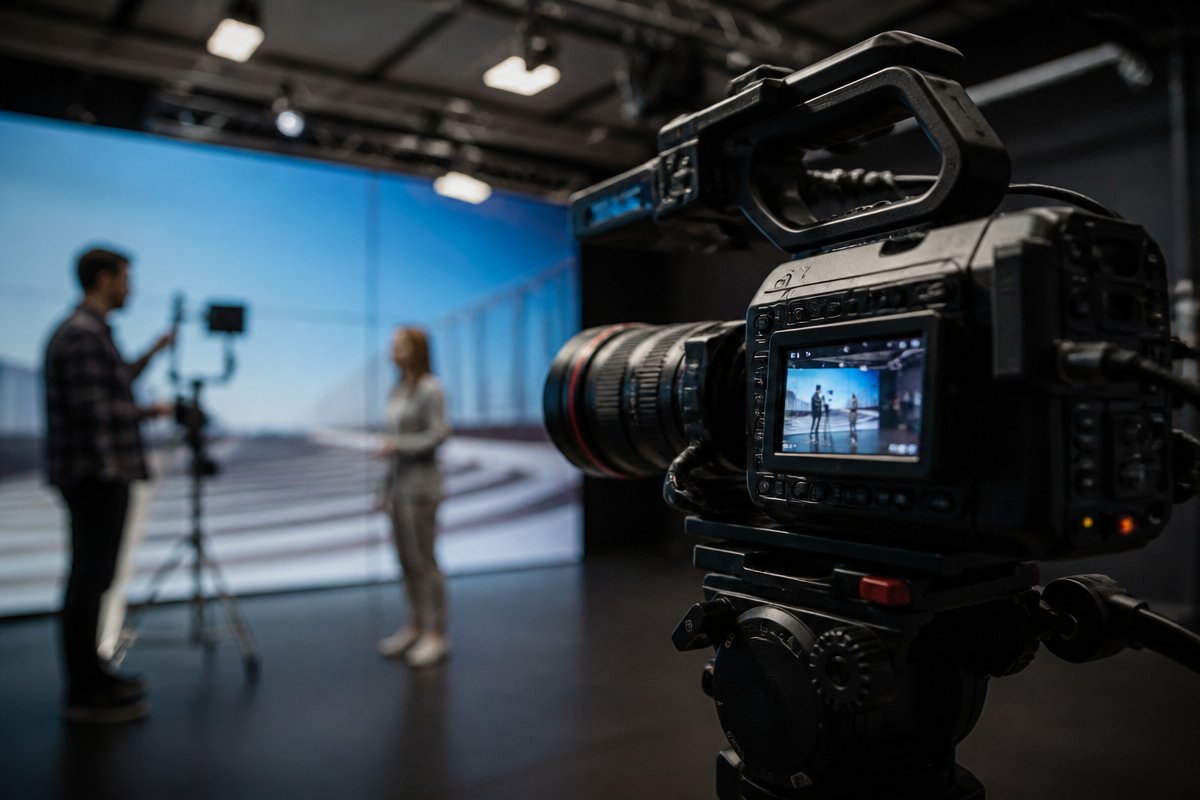
When organizations hire a video production partner, they almost universally expect three things: strategic thinking, polished execution, and measurable outcomes. A 2025 Content Marketing Institute survey found that 72% of enterprise marketers rank strategic alignment with business goals as their top criterion when selecting a production vendor, ahead of price, turnaround time, and even creative style.
Yet the majority of production companies operate as order-takers. A client says they need a two-minute brand video, and the company delivers exactly that, without ever asking why the video exists, who it’s for, or what it should accomplish. The result is technically competent content that sits on a YouTube channel collecting dust.
What Exceptional Companies Do Differently
- They challenge the brief. The best partners push back when a project scope doesn’t align with stated goals. If a client asks for a five-minute explainer but the real objective is lead generation, a top-tier company will recommend a shorter, sharper format optimized for paid media.
- They quantify success before filming starts. Before a single camera rolls, they define KPIs: view-through rates, click-through rates, audience retention benchmarks. This isn’t just good practice; it’s the foundation of accountability.
- They bring institutional knowledge. Companies that have worked across sectors like government, healthcare, nonprofits, and technology understand regulatory requirements, audience nuances, and distribution ecosystems that generalist shops simply don’t.
Strategic Depth: The Trait That Matters Most
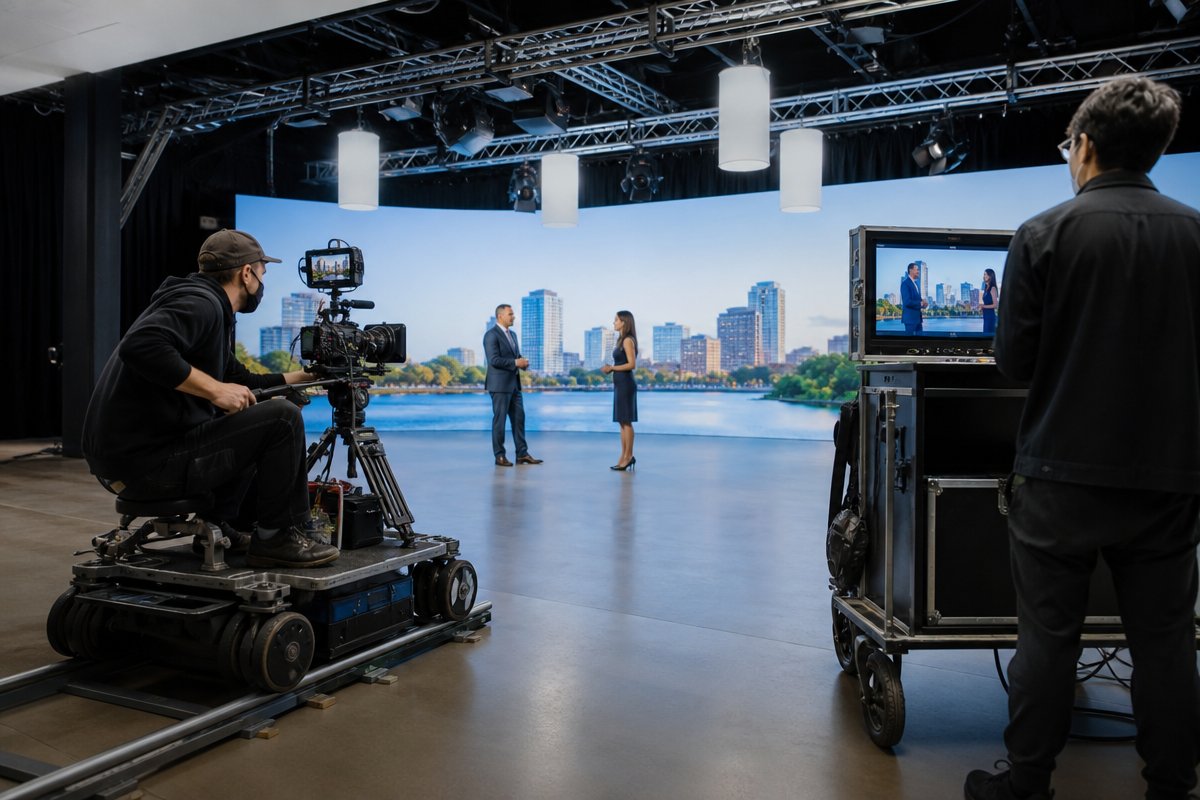
If you distill everything that separates a great corporate video production company from a mediocre one into a single trait, it’s strategic depth. Creative talent is abundant. Cameras are better and cheaper than ever. What’s rare is a production partner that functions as a strategic advisor.
Discovery That Goes Beyond a Questionnaire
Average companies send you a creative brief template and ask you to fill it out. Exceptional companies conduct a proper discovery process that includes:
- Stakeholder interviews to understand internal alignment (or misalignment) around messaging and goals.
- Audience analysis to determine not just demographics but psychographics, content consumption habits, and the platforms where your audience actually engages.
- Competitive audit to identify what your peers are doing in video and, more importantly, what gaps you can exploit.
- Distribution planning baked into pre-production so that aspect ratios, run times, captioning, and calls to action are optimized for each channel from day one.
This level of strategic rigor means the creative concept is born from insight, not guesswork. It’s the difference between a video that looks great and a video that performs.
The Creative Strategy Document
Top-tier companies produce a creative strategy document before they produce a script. This document typically includes the project’s communication objective, the single most important message, the emotional journey for the viewer, visual tone references, and a distribution-channel matrix. When you see a partner invest this kind of thinking before billing a single production hour, you know you’re dealing with a company that prioritizes outcomes over output.
Production Capabilities That Actually Matter
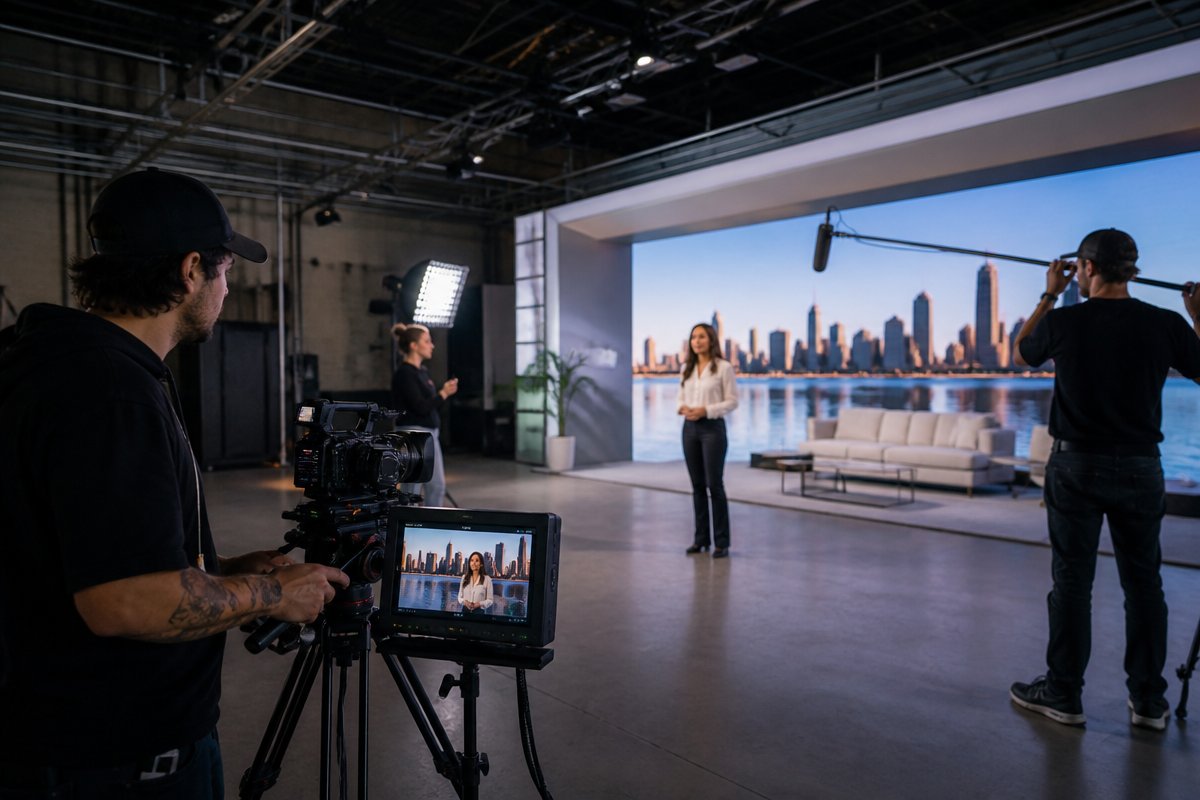
Let’s be honest: most corporate video production companies can shoot clean footage in a well-lit room. That’s table stakes. What distinguishes the best is a set of capabilities that expand what’s possible for your content.
In-House Studio Access
Companies that own and operate their own studio facilities offer something freelancers and smaller shops simply can’t: controlled environments that eliminate the variables of location shooting. A professional studio with multiple set configurations, broadcast-quality lighting grids, and integrated audio means faster setup, more consistent results, and lower risk of weather delays or location permit headaches.
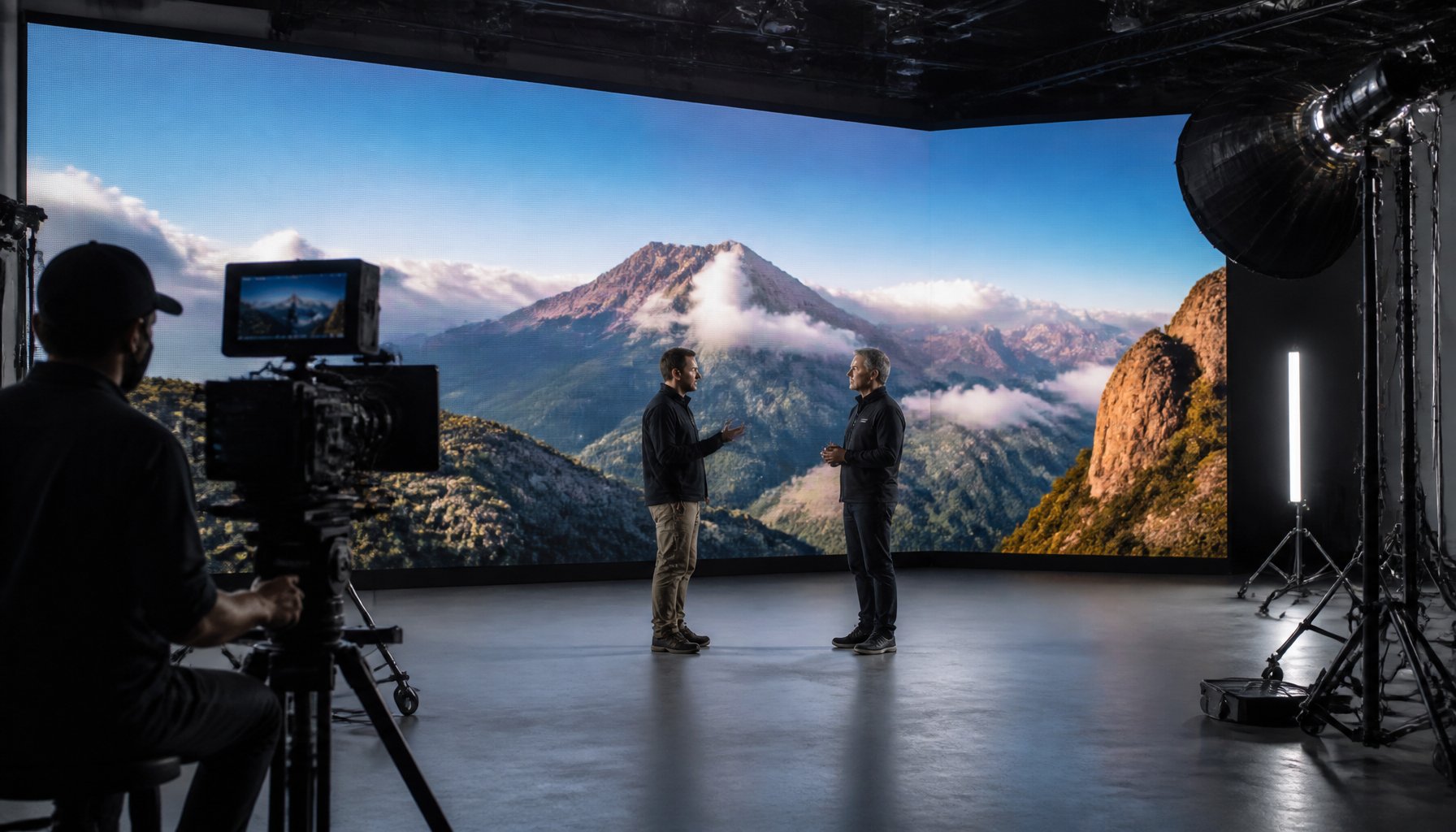
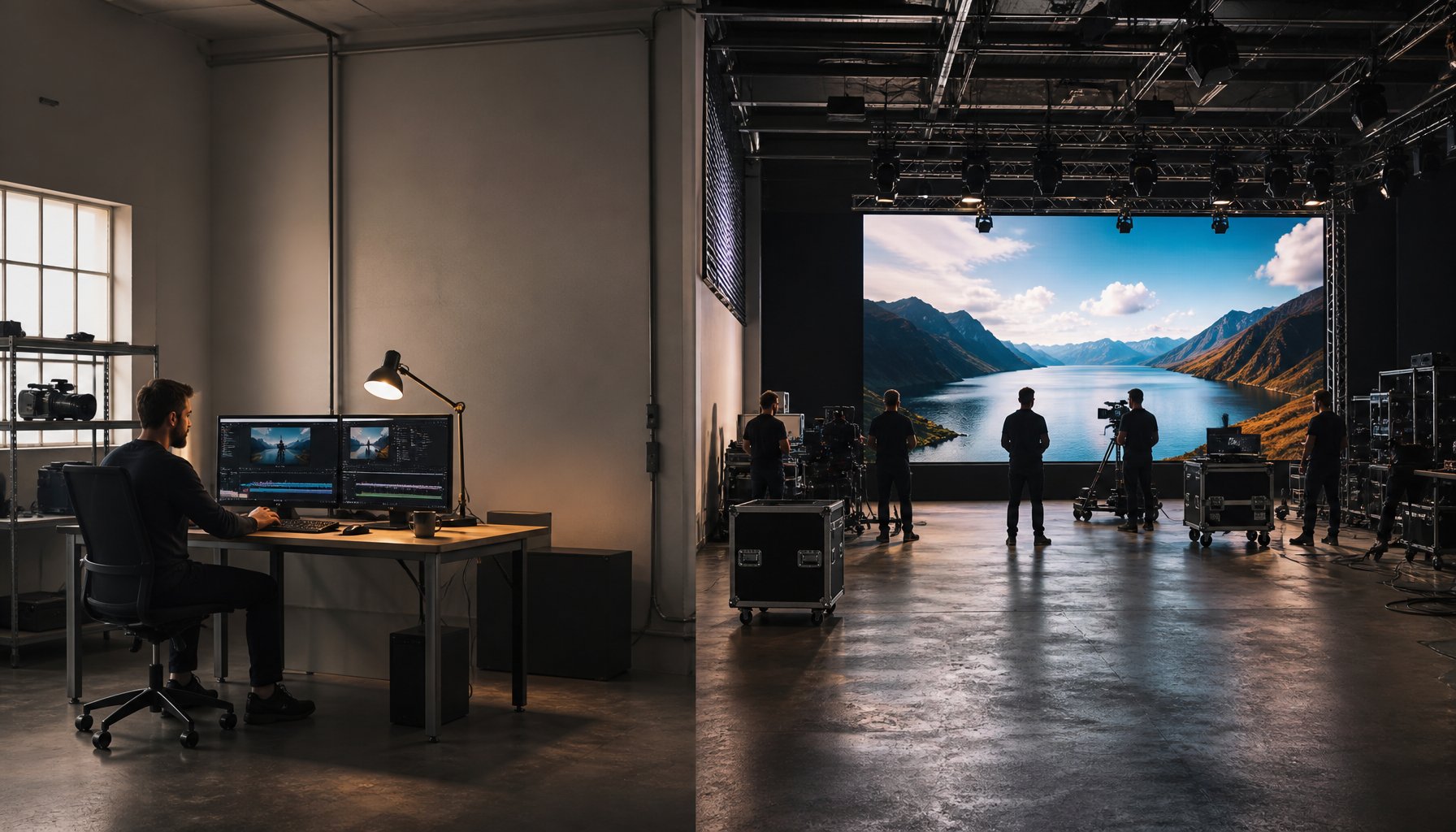
At TriVision Studios, for example, our production facility in the Washington DC area includes LED wall virtual production technology, dedicated podcast and talk show sets, and full green screen capabilities. That infrastructure doesn’t just look impressive on a capabilities deck; it directly translates to higher production value and more creative flexibility for clients.
Virtual Production and LED Wall Technology
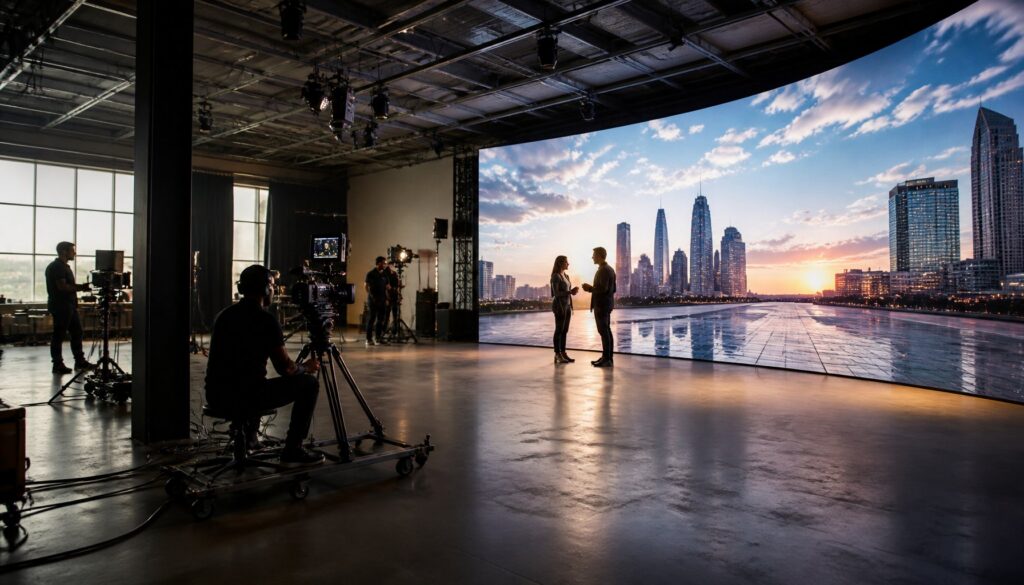
One of the most significant shifts in corporate video in 2026 is the adoption of virtual production techniques previously reserved for Hollywood. LED volume stages allow companies to place talent in photorealistic environments without travel, reducing production timelines and budgets while dramatically expanding creative options. A financial services firm can film an executive against a dynamic global backdrop. A tech company can visualize a product in a futuristic environment. A government agency can simulate scenarios that would be impossible or impractical to capture on location.
Not every project needs this technology, but a company that has it and knows when to deploy it strategically gives you options that others simply can’t.
Full-Service Post-Production
The editing bay is where good footage becomes a great video, or where it falls apart. The best corporate video production companies maintain in-house post-production teams that handle:
- Color grading to establish visual consistency and emotional tone
- Sound design and mixing that meets broadcast standards
- Motion graphics and animation for data visualization, lower thirds, and branded elements
- Closed captioning and accessibility compliance, which is increasingly a legal requirement for government and institutional clients
- Format optimization for multiple platforms, delivering a single project as a hero video, social cutdowns, vertical stories, and thumbnail assets
Industry Experience and Sector Expertise
Here’s a reality that many organizations learn the hard way: a production company that’s brilliant at lifestyle brand content may be completely wrong for your compliance training video, your advocacy campaign, or your association keynote recap. Sector expertise matters enormously.
Why Specialization Creates Better Content
Consider the differences between producing a video for a nonprofit versus a healthcare organization versus a government agency. Each has distinct requirements:
- Nonprofits and advocacy organizations need emotionally compelling storytelling that drives donor engagement and policy action, often under tight budgets and with real-world subjects who aren’t professional talent.
- Healthcare organizations must navigate HIPAA compliance, IRB considerations, and medical accuracy while still making content that resonates with patients and providers.
- Government agencies operate under strict accessibility standards (Section 508), procurement rules, and approval workflows that can derail a project if the production company doesn’t know how to navigate them.
- Corporations and financial firms require brand governance compliance, legal review integration, and messaging precision that aligns with public-facing positioning.
A company with a diverse portfolio across these sectors has built the operational muscle to handle complexity. They don’t just know how to make videos; they know how to make your videos.
Communication, Process, and Accountability
Talk to anyone who’s had a bad experience with a production company, and the complaint is rarely about camera quality. It’s about communication. Missed deadlines. Scope creep. Feedback rounds that seem to multiply. A final product that doesn’t match what was discussed.
Hallmarks of a Professional Process
The best corporate video production companies protect their clients (and themselves) with structured, transparent processes:
- Defined project milestones with clear deliverables at each stage: creative brief approval, script sign-off, storyboard review, rough cut, fine cut, final delivery.
- Dedicated project management so you have a single point of contact who understands your project inside and out, not a rotating cast of coordinators.
- Revision protocols that specify the number of included revision rounds and what constitutes a revision versus a new direction, eliminating ambiguity and budget surprises.
- Proactive communication including regular status updates, not just responses when you chase them.
Accountability Beyond Delivery
Exceptional partners don’t disappear after they hand over the final files. They follow up. They ask about performance data. They offer insights on how the video is performing relative to benchmarks and suggest optimizations. This post-delivery engagement is rare, and it’s a powerful signal that a company cares about outcomes, not just invoices.
Red Flags That Should Make You Walk Away
Knowing what great looks like also means recognizing what average or problematic looks like. Here are the warning signs that a corporate video production company may not be the right partner:
- No portfolio depth in your sector. If they can’t show you relevant work, they’re learning on your dime.
- Pricing without scoping. Any company that quotes a price before understanding your project is guessing, and you’ll pay for that guesswork later in change orders.
- No strategic questions during the sales process. If they’re talking about cameras and drones before they ask about your audience and objectives, they’re gear-first, not strategy-first.
- Vague timelines. A professional company can give you a realistic production timeline with milestones. If they can’t, they either don’t have the bandwidth or don’t have the process.
- Resistance to defining success metrics. If a company doesn’t want to be measured, ask yourself why.
Frequently Asked Questions
What should I look for in a corporate video production company?
Look for strategic capability first, not just creative talent. The best companies will ask deep questions about your business objectives, target audience, and distribution strategy before proposing a creative approach. Beyond strategy, evaluate their portfolio for work in your specific industry, check for in-house post-production capabilities, and ask about their project management process. A company that owns its own studio facilities often provides more consistency and flexibility than one that rents locations for every shoot.
How do I know if a production company is the right fit for my industry?
Ask for case studies and references within your sector. If you’re a government agency, you need a partner that understands Section 508 compliance, security clearance logistics, and multi-stakeholder approval chains. If you’re a nonprofit, you need a team skilled at authentic storytelling under budget constraints. The right company won’t just show you pretty videos; they’ll demonstrate fluency in the operational realities of your world.
What’s the difference between a corporate video production company and a creative agency?
Creative agencies typically offer video as one component of a broader marketing strategy that might include branding, digital advertising, and web design. A dedicated corporate video production company focuses exclusively on video, which usually means deeper expertise in production craft, more sophisticated equipment and studio infrastructure, and more efficient workflows. For complex or high-volume video needs, a specialized production company often delivers better results at a lower per-project cost than a generalist agency.
How important is it that a production company has its own studio?
Very important for certain types of projects. Studio-based production offers controlled lighting, soundproofing, permanent set configurations, and the ability to incorporate technologies like LED wall virtual production. For corporate interviews, executive messaging, training content, podcasts, and talk show formats, a dedicated studio dramatically improves quality and reduces the logistical risks of location shoots. Companies with their own facilities also tend to offer faster turnaround since they’re not competing for third-party studio availability.
What questions should I ask during a proposal review?
Ask five critical questions: (1) How do you define and measure success for a project like this? (2) What does your discovery and strategy process look like before production begins? (3) Who will be my primary point of contact throughout the project? (4) How many revision rounds are included, and what happens if we exceed them? (5) Can you share performance data or client testimonials from similar projects? The answers will reveal whether the company is a strategic partner or just a vendor.
Should I choose a local corporate video production company?
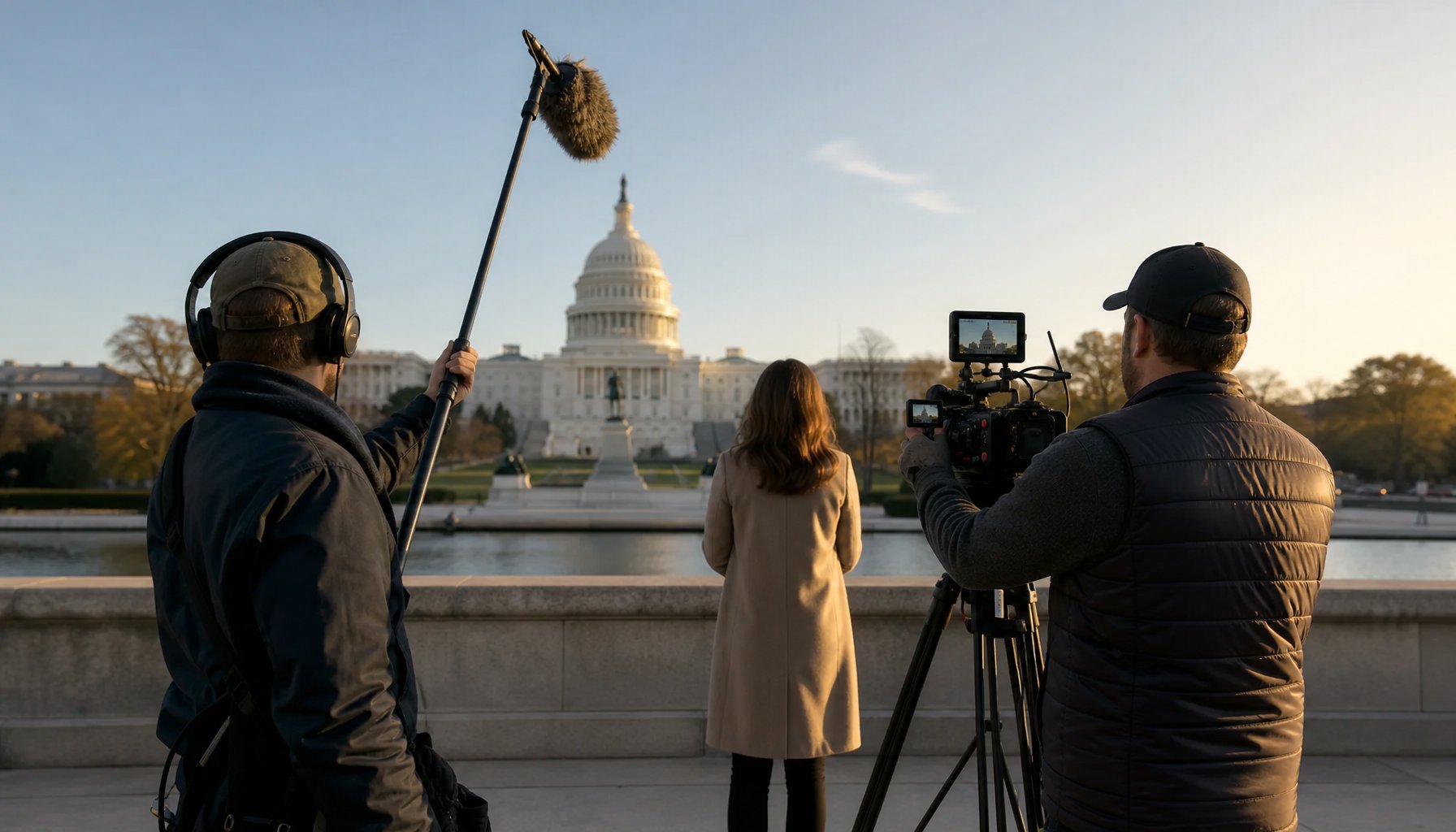
Local presence offers real advantages: familiarity with regional locations, established relationships with local talent and crew, easier in-person collaboration, and lower travel costs. For organizations in Washington DC, Northern Virginia, Maryland, Baltimore, Richmond, and New York City, working with a company that has a physical presence in your market often leads to smoother production logistics and more responsive service.
Choosing a Partner That Elevates Your Brand
The difference between a forgettable corporate video and one that moves your audience to action rarely comes down to camera resolution or drone footage. It comes down to the thinking behind the content, the process that brings it to life, and the accountability that follows delivery.
If you’re looking for a corporate video production company that leads with strategy, operates with transparency, and delivers content built to perform, TriVision Studios works with leading brands, government agencies, nonprofits, and corporations across Washington DC, NYC, Richmond, and Baltimore. Our team brings full-service capabilities from concept through post-production, backed by our own studio facilities and virtual production technology. Reach out to start a conversation about your next project.