Why do some corporate events feel polished, engaging, and memorable — while others feel disorganized, forgettable, or technically flawed?
It’s rarely about budget size or attendance. The real difference lies in how well the event is produced, using a combination of video production, AV services, and a purpose-built event space.
Successful corporate event production happens when planning, technology, creative execution, and audience experience work together seamlessly. When any of these elements are missing, even well-intentioned events can fall short.
In this guide, we break down what truly makes a corporate event production successful — from strategy and pre-production planning to technology, execution, and post-event results. Whether you’re hosting a live conference, a hybrid meeting, or a livestreamed town hall, this guide helps you avoid common pitfalls and make smarter decisions.
What “Corporate Event Production” Really Means Today
Many people still think corporate event production is just booking a venue, setting up microphones, and running an agenda. In reality, modern corporate event production is strategic and comprehensive.
At its core, it’s the coordination of technology, video production, AV services, creative design, logistics, and execution to deliver a seamless experience for both in-person and remote audiences.
Today’s corporate events often include:
- Live, in-person audiences
- Hybrid or fully livestreamed attendees
- High-quality visuals and branded environments
- Professional audio, lighting, and video production for both room and camera
This applies to executive town halls, product launches, conferences, leadership summits, and internal communications. Expectations are higher, and the margin for error is smaller.
Clear Objectives: The Foundation of a Successful Event
Many events fail before production begins because the purpose isn’t clearly defined.
Successful events answer three questions:
- What is the goal? Inform, inspire, align teams, launch a product, or build trust?
- Who is the audience? Executives, employees, clients, partners, or government stakeholders?
- What does success look like? Engagement, retention, lead generation, participation, or content reuse?
When objectives are clear, production decisions — including video production, AV services, and event space design — support the message instead of distracting from it.
Strategic Planning & Pre-Production: Where Success Is Won
The most successful corporate events are built long before event day.
Timeline & Run-of-Show Planning
Structured schedules, rehearsals, and cue coordination ensure speakers, visuals, lighting, and audio move together seamlessly. This reduces stress and prevents on-site surprises.
Technical Pre-Production
Critical steps for successful events include:
- Site surveys and space evaluation
- Power and internet redundancy
- Camera and lighting placement
- Audio and AV services planning for in-person and livestream audiences
These steps are especially important for hybrid or fully livestreamed events, where technical issues are immediately noticeable.
Content & Creative Alignment
Slides, videos, lighting, and on-screen graphics must reinforce the same message. Competing visuals lead to audience disengagement.
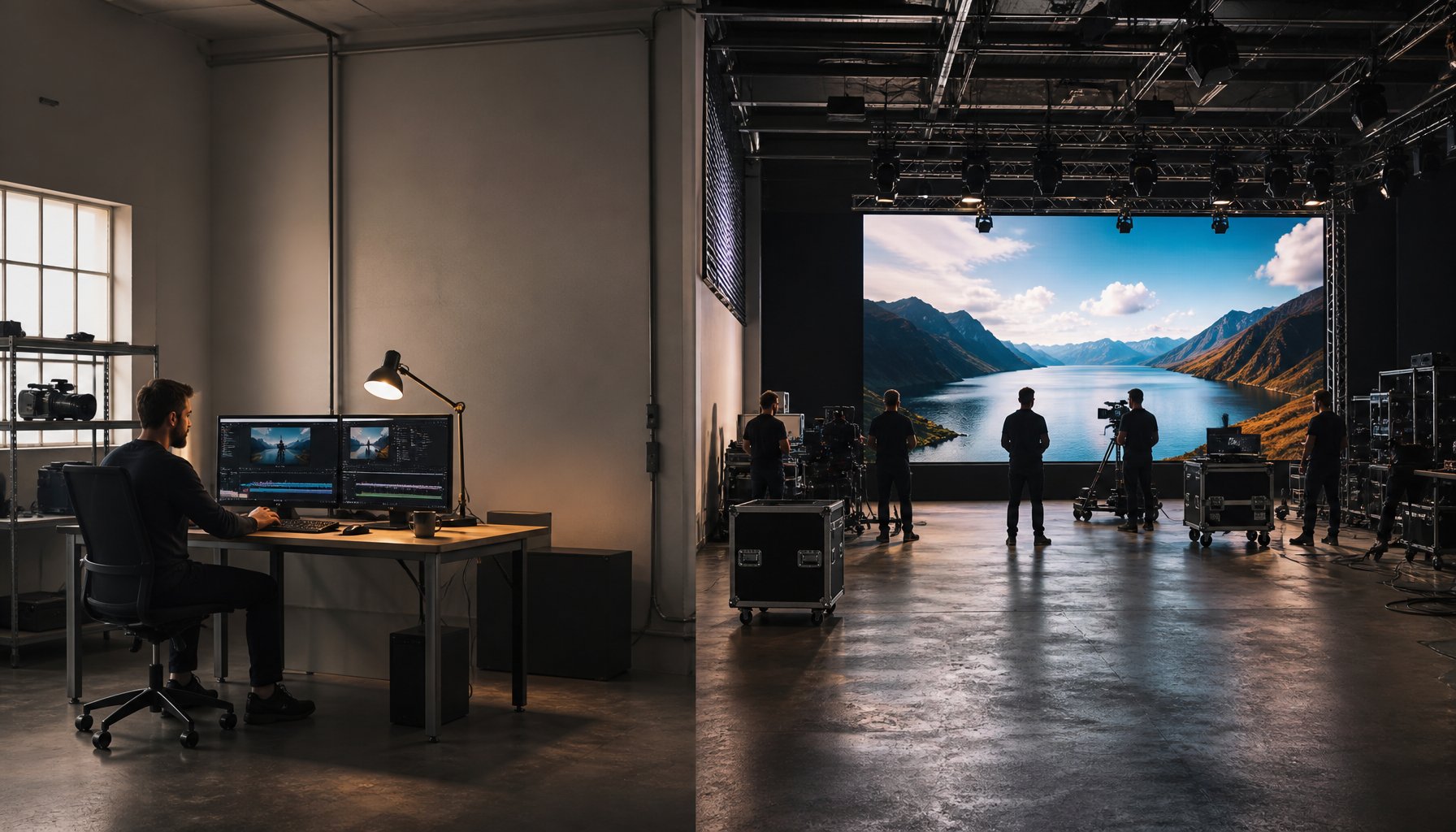
Production-ready event spaces like TriVision Studios house planning, video production, and AV teams under one roof, reducing miscommunication and execution risk.

Technology That Works — Not Just Technology That Looks Good
Reliable technology is non-negotiable for modern corporate events. Common requirements include:
- Professional audio for both room and remote audiences
- Lighting that works on-camera and in-room
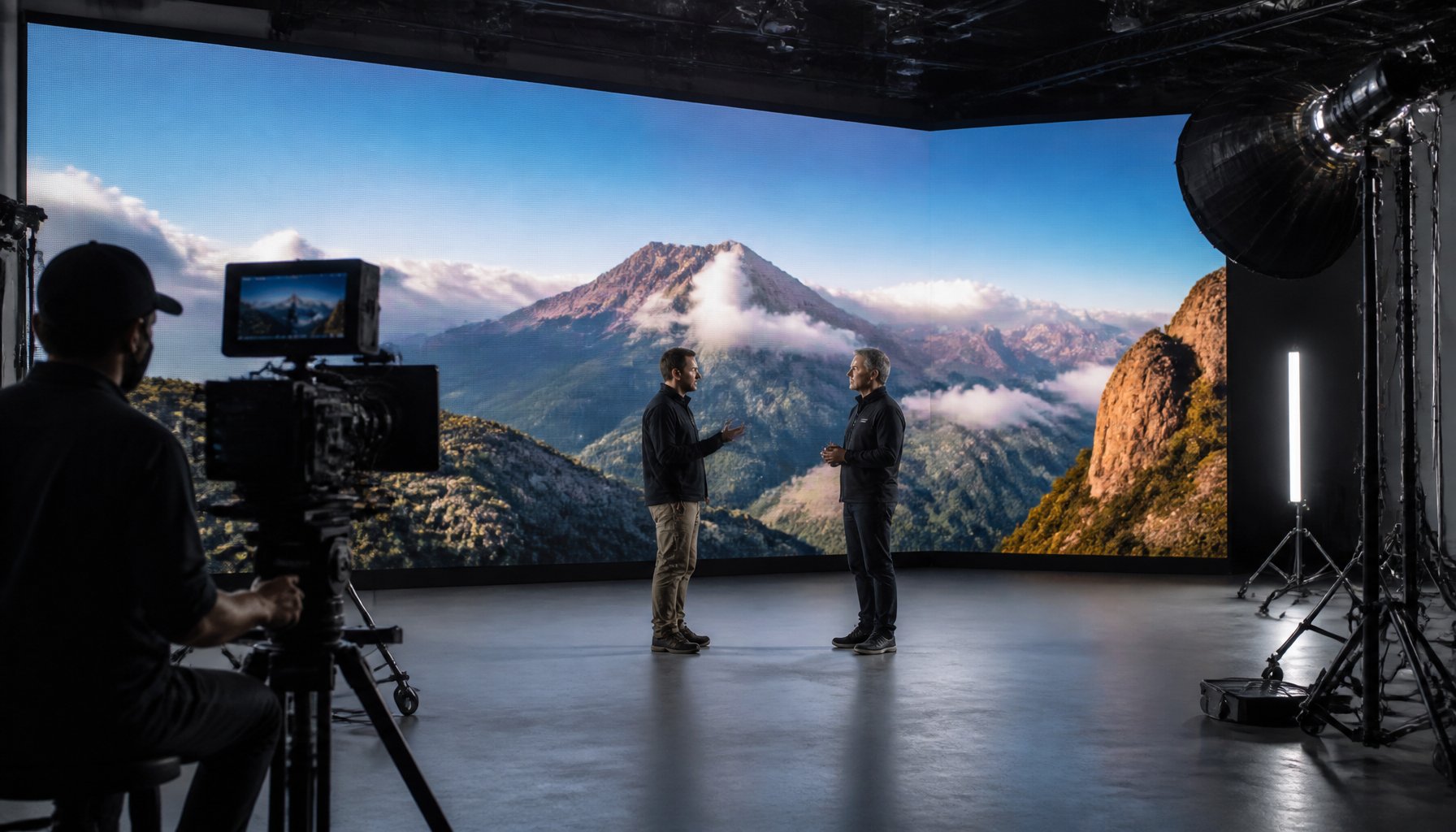
- High-resolution LED video walls or projection surfaces
- Seamless livestream and hybrid video production
Production-ready studios outperform traditional venues because AV services, video production, and event space infrastructure are built-in, not patched together at the last minute.
Audience Experience: The Most Overlooked Success Factor
Success is measured by how the audience experiences the event, not by the complexity of behind-the-scenes setups.
Key factors include:
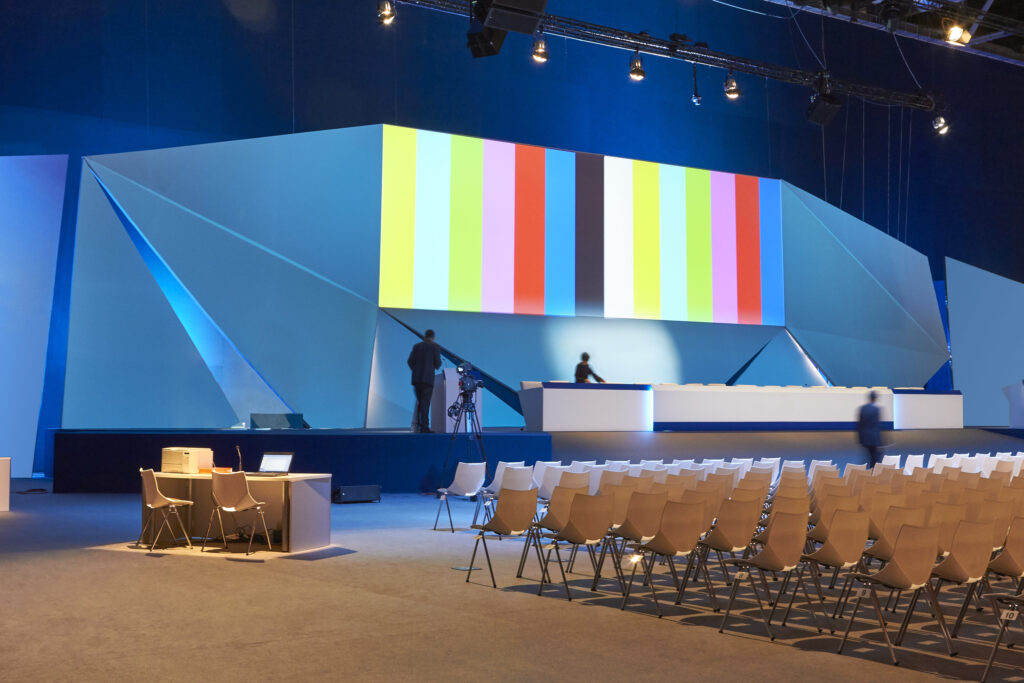
- Clear sightlines and sound coverage
- Smooth pacing and transitions
- Visual clarity and engagement
- Inclusion of remote attendees in hybrid formats
When remote viewers feel involved rather than passive, engagement and satisfaction increase significantly.
The Role of a Unified Production Team
Fragmented vendor setups introduce risk. When AV, lighting, video production, and content teams operate separately, coordination problems arise, last-minute changes become challenging, and accountability is unclear.
A unified production team offers:
- One creative vision
- One technical strategy
- One point of responsibility
This approach improves quality control and lets planners focus on content and stakeholder engagement — not troubleshooting.
Real-World Scenarios: What Successful Corporate Events Get Right
Executive Town Hall
Clear messaging, professional audio, lighting, and video production ensure leaders connect with both in-room and remote teams.
Product Launch
Immersive visuals, controlled lighting, and high-quality video production create content that continues to generate marketing value long after the event.
Government or Enterprise Conference
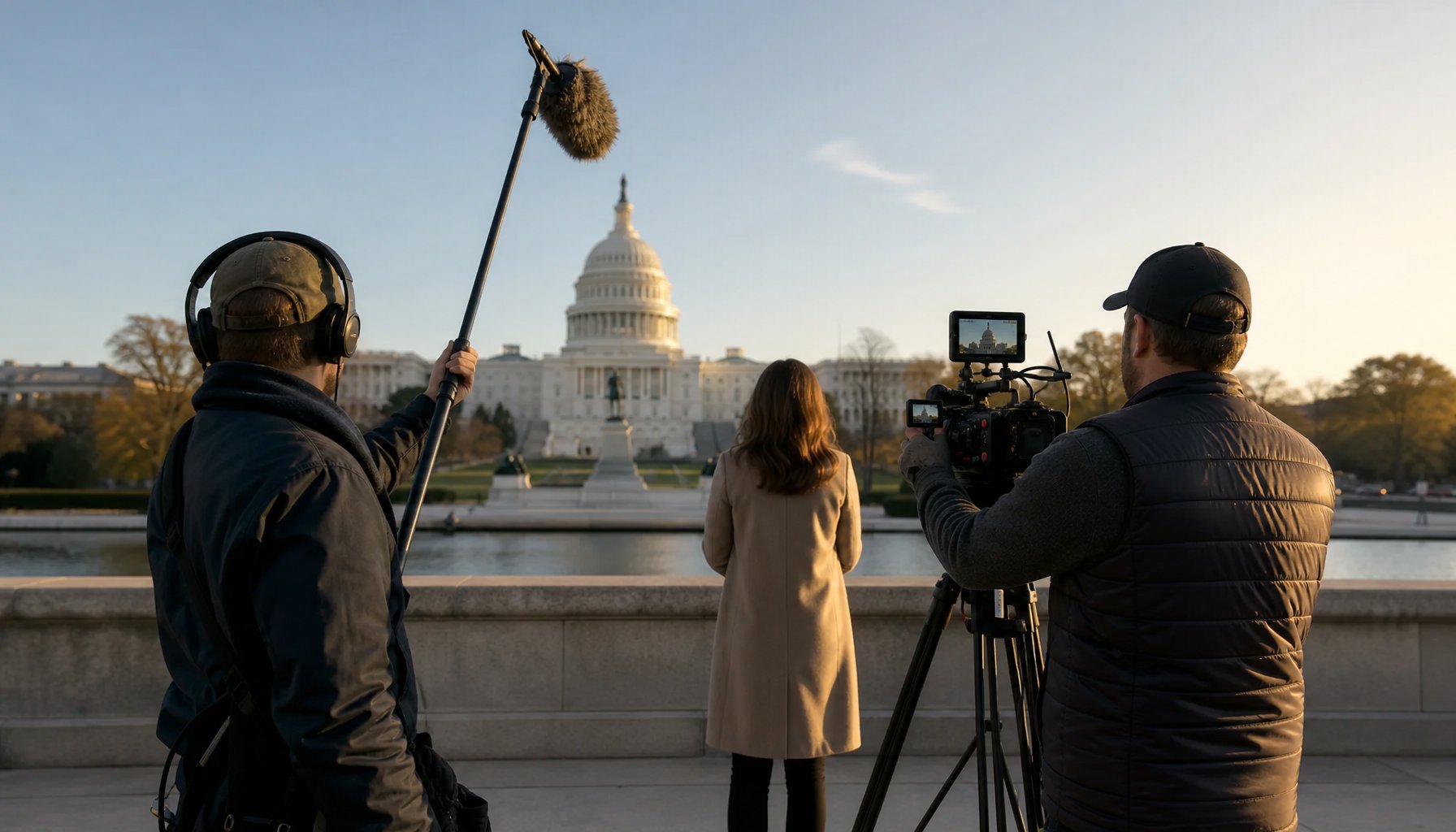
Accessibility, redundancy, compliance, and broadcast-ready AV services ensure credibility and reliability at scale.
Common Corporate Event Production Mistakes to Avoid
- Skipping technical rehearsals
- Choosing venues without built-in AV services
- Treating hybrid audiences as secondary
- Overloading agendas without considering pacing
Avoiding these mistakes often determines whether an event is stressful or successful.
How to Measure Success After the Event
Attendance alone doesn’t define success. Effective post-event metrics include:
- Audience engagement and feedback
- Quality of recorded video production content
- Technical performance
- Message clarity and retention
These insights guide improvements for future events and maximize ROI.
Why Production-Ready Studios Are Gaining Popularity
More organizations are moving away from traditional venues toward studio event spaces because they offer:
- Built-in AV services
- LED video walls and controlled lighting
- Hybrid and livestream readiness
- Fewer vendors and less execution risk
Studios like TriVision Studios are purpose-built for modern corporate event production, where technology, content, and execution work together seamlessly.
Conclusion — Corporate Event Production Is a Strategy, Not a Line Item
Successful corporate events are planned — not improvised. When technology supports the message, audience experience is prioritized, and video production, AV services, and a professional event space are integrated, events become powerful communication tools instead of logistical challenges.
In today’s hybrid-first world, the most successful corporate events are those that treat production as a strategic investment. TriVision Studios provides all-in-one studio event space, AV services, and professional video production to ensure your corporate or hybrid event succeeds.
FAQ — Corporate Event Production
What is corporate event production?
It is the strategic planning and execution of video production, AV services, and event space logistics to deliver professional live, hybrid, or virtual events.
What makes a corporate event successful?
Clear objectives, strong planning, reliable technology, engaging content, and a seamless audience experience
Why is professional event production important?
It reduces risk, improves engagement, and ensures the event reflects the organization’s brand and credibility.
Can corporate events be hybrid or livestreamed?
Yes — modern corporate events frequently include both in-person and remote audiences, requiring integrated AV services and professional video production.
What should companies look for in an event production partner?
Experience, technical expertise, unified services, and the ability to support live and hybrid formats in a production-ready event space.