Introduction — A New Era of Event Spaces
Have you ever wondered why more companies are rethinking hotel ballrooms and banquet halls—and choosing studio-style event spaces instead?
Corporate events have changed dramatically over the past few years. Today’s audiences expect more than rows of chairs, a podium, and a projector. They expect clear visuals, seamless audio, engaging presentations, and experiences that work just as well for remote attendees as they do for people in the room.
As expectations rise, businesses are realizing that traditional venues weren’t designed for modern event production. Studio event spaces, on the other hand, are purpose-built for today’s technology-driven, hybrid-ready events.
In this article, we’ll explore why businesses are making this shift, what studio event spaces actually offer, and how choosing the right venue can directly impact engagement, brand perception, and overall event success.
Today’s audiences expect more than rows of chairs, a podium, and a projector. They expect clear visuals, seamless audio, professional video production, engaging presentations, and experiences that work just as well for remote attendees as they do for people in the room.
The Traditional Event Venue Model: What’s Changed
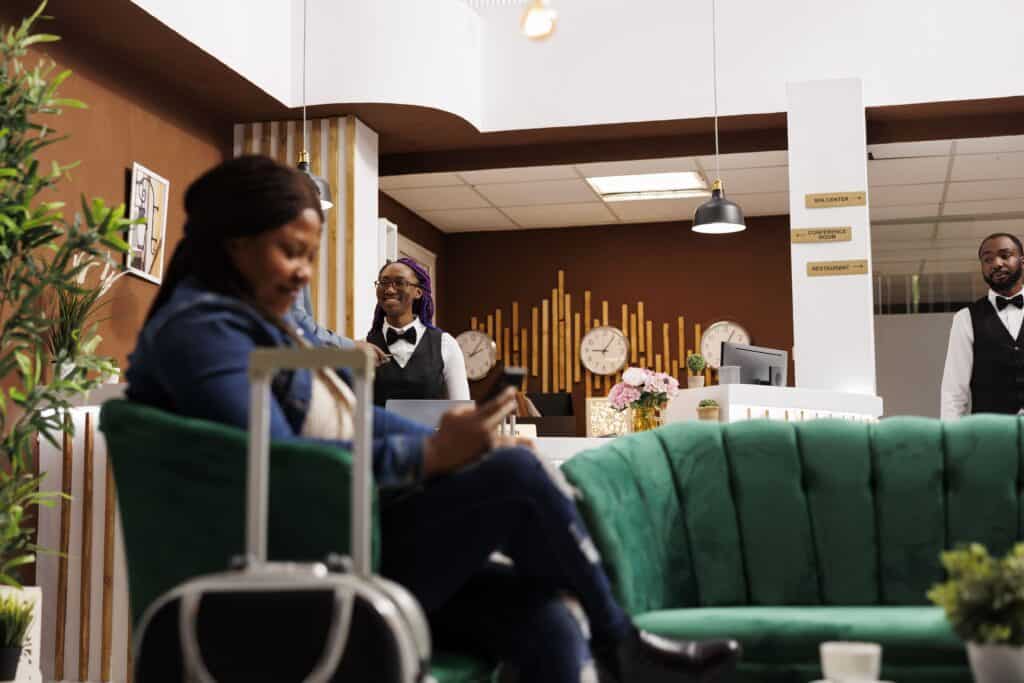
For decades, hotel ballrooms and event halls were the default choice for corporate events. They offered:
- Convenient lodging and meeting rooms
- Large capacities with catering options
- Familiar, standardized layouts
And for a long time, that was enough.
But corporate events today are no longer just in-person gatherings. They often include livestreams, recorded content, interactive presentations, and high-impact visuals. That’s where traditional venues start to fall short.
Common limitations businesses face with hotels and traditional venues include:
- Basic or outsourced AV systems that aren’t optimized for production
- Difficulty creating immersive, branded environments
- Limited infrastructure for hybrid or virtual audiences
- Increased reliance on multiple third-party vendors
As a result, planners are now asking different questions:
- Is this venue truly tech-ready?
- Will remote audiences feel just as engaged?
- Does this space reflect our brand and professionalism?
These concerns are driving the shift toward studio event spaces.
What Defines a Studio Event Space
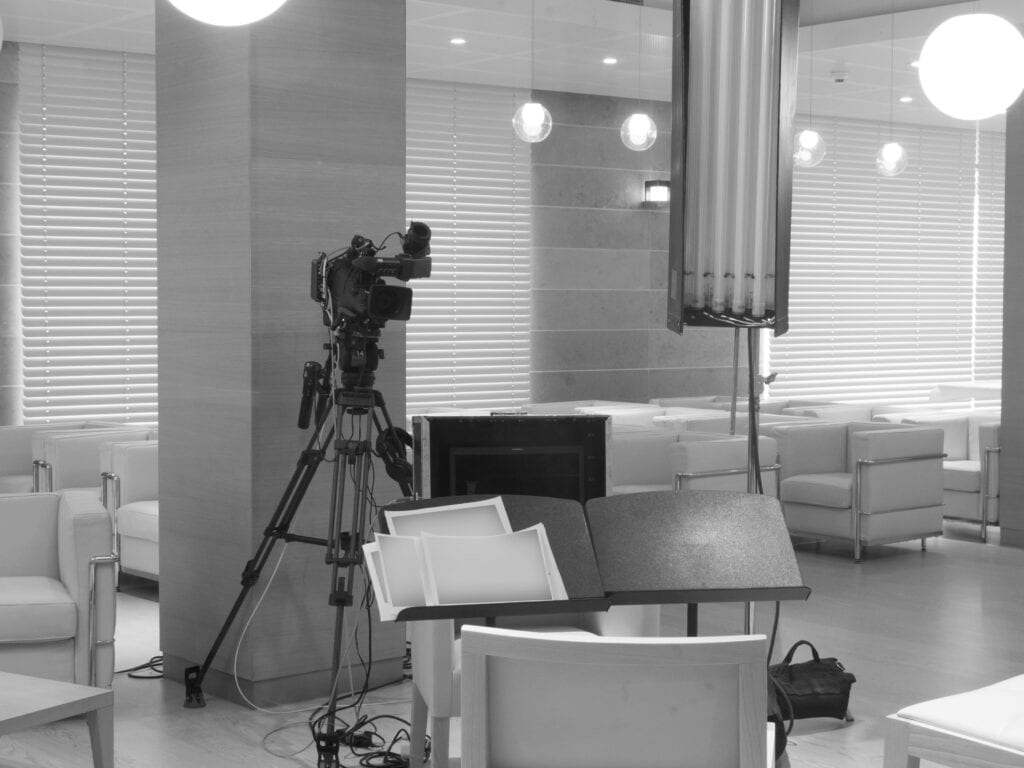
A studio event space is not just a room—it’s a production-ready environment designed specifically for multimedia experiences.
In simple terms, studio event spaces are built to support:
- Live presentations and video capture
- Corporate meetings, conferences, and hybrid events
- Professional lighting, sound, and visual displays
Key features that set studio spaces apart include:
- Built-in AV services rather than temporary setups
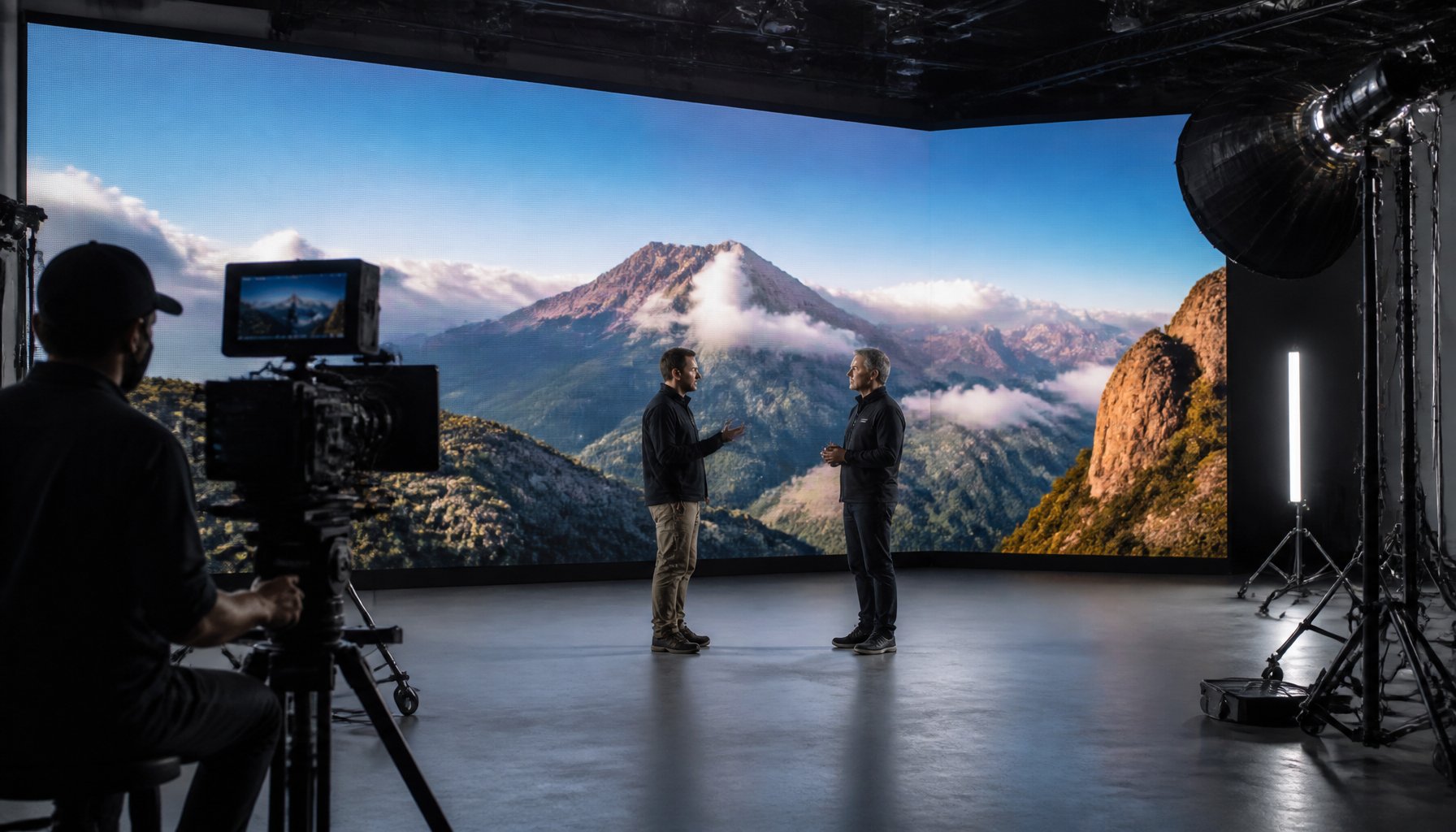
- LED video walls for dynamic visuals and branding
- Flexible lighting systems designed for cameras and live audiences
- Adjustable staging and layouts tailored to each event
- On-site technical professionals supporting every step
For example, TriVision Studios’ 12,000-square-foot multimedia studio and event space is designed to handle everything from executive town halls to large-scale hybrid summits—all within a controlled, production-ready environment.
Top Reasons Businesses Prefer Studio Event Spaces
Advanced Technical Infrastructure
Studio spaces are designed from the ground up with technology in mind. They typically include:
- Integrated AV systems
- Livestream and hybrid event capabilities
- High-resolution LED video walls
- Professional lighting and audio engineering
This matters because technical quality directly affects how an event is experienced. Clear audio, sharp visuals, and reliable systems help keep audiences engaged and prevent disruptions.
Traditional venues often rely on rented or third-party AV setups, which increases complexity and risk—especially for high-visibility corporate events.
A Turnkey Experience — Fewer Vendors, Less Stress
One of the biggest advantages of studio event spaces is simplicity.
Studios usually provide everything in one place:
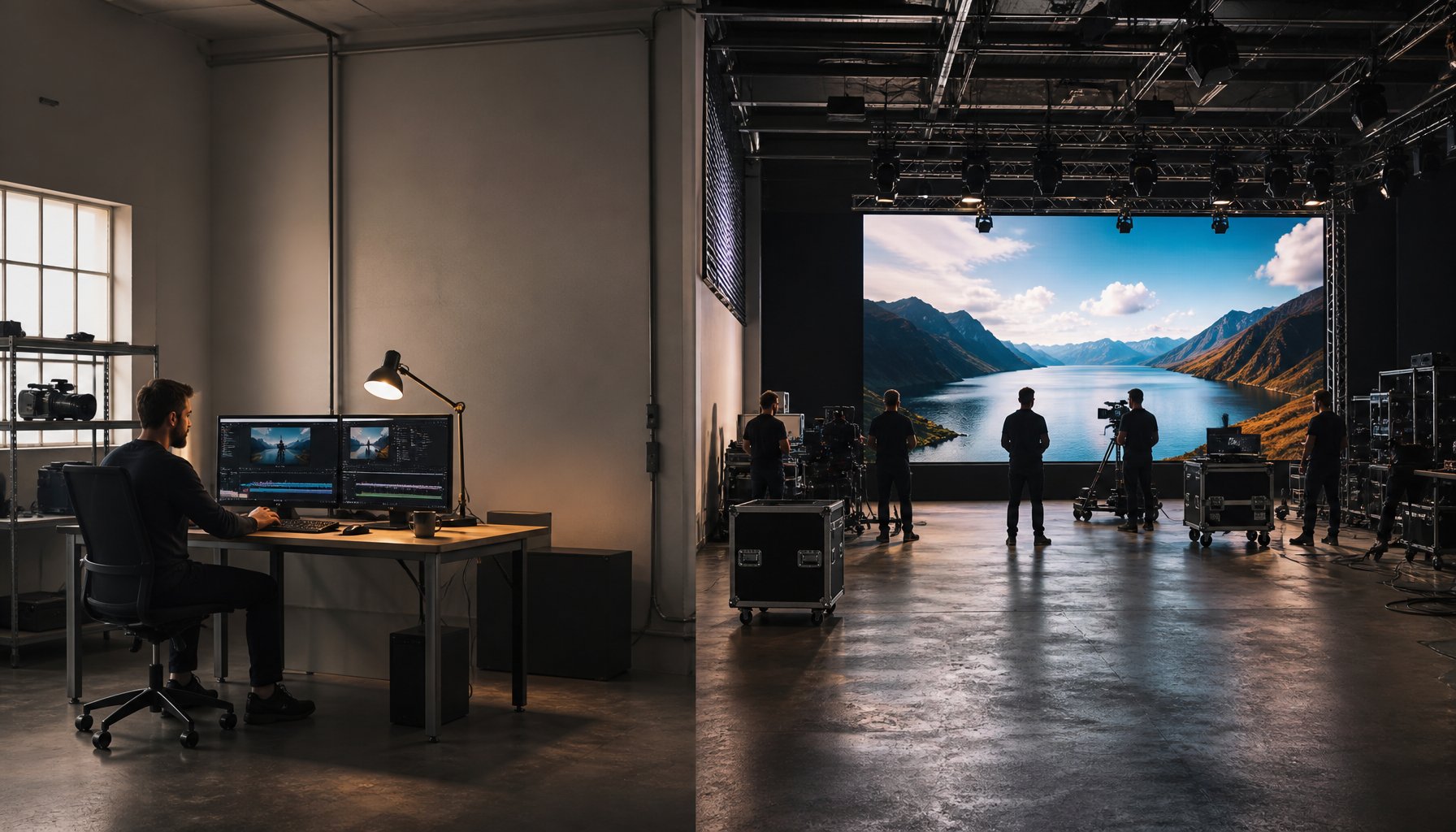
- Production crews
- AV support
- Livestreaming and recording
- Technical rehearsals
- Lighting and sound coordination
In contrast, hotel events often require coordinating multiple vendors—catering teams, AV companies, production crews, and venue staff—each operating separately.
A unified production team means fewer handoffs, clearer communication, and far less stress on event day.
Hybrid events are no longer optional—they’re expected.
Modern corporate events often need:
- Multi-camera setups
- Broadcast-quality livestreams
- Real-time audience interaction tools
- Seamless integration for remote speakers
Studio spaces are built to handle these needs effortlessly. Traditional venues can support hybrid events, but usually only with extensive add-ons, external rentals, and additional coordination.
Remote audiences notice the difference immediately. Studio environments deliver a polished, professional experience—without audio glitches or washed-out visuals.
Immersive, Brand-Aligned Environments
Brand experience matters more than ever.
Studio event spaces allow businesses to create:
- Custom backdrops
- Branded lighting designs
- Digital environments using LED video walls
This is especially valuable for:
- Product launches
- Corporate announcements
- Awards and recognition events
- Hybrid town halls and leadership meetings
Instead of a generic ballroom, studios help businesses create environments that reflect their identity, message, and professionalism.
Cost Considerations: Studio vs Hotel
At first glance, hotel venues may appear more affordable. However, many businesses discover hidden costs once production needs are added.
Hotels often require separate charges for:
- AV rentals
- Technical labor
- Livestreaming infrastructure
- Extended setup or rehearsal time
Studio event spaces typically bundle:
- AV services
- Technical support
- LED video walls
- Production staff
This bundled approach often delivers better overall value and reduces unexpected expenses. The comparison isn’t about which option is cheaper—it’s about which delivers better results with fewer compromises.
Real-World Use Cases — When Studios Outshine Hotels
Hybrid Leadership Summit
A studio environment supports multi-camera livestreaming, LED backdrops, and interactive Q&A—ensuring both in-person and remote attendees feel equally engaged.
Product Launch or Brand Activation
Studios offer cinematic lighting, immersive visuals, and branded LED displays, while also capturing high-quality footage for future marketing use.
Government or Corporate Panel Discussion
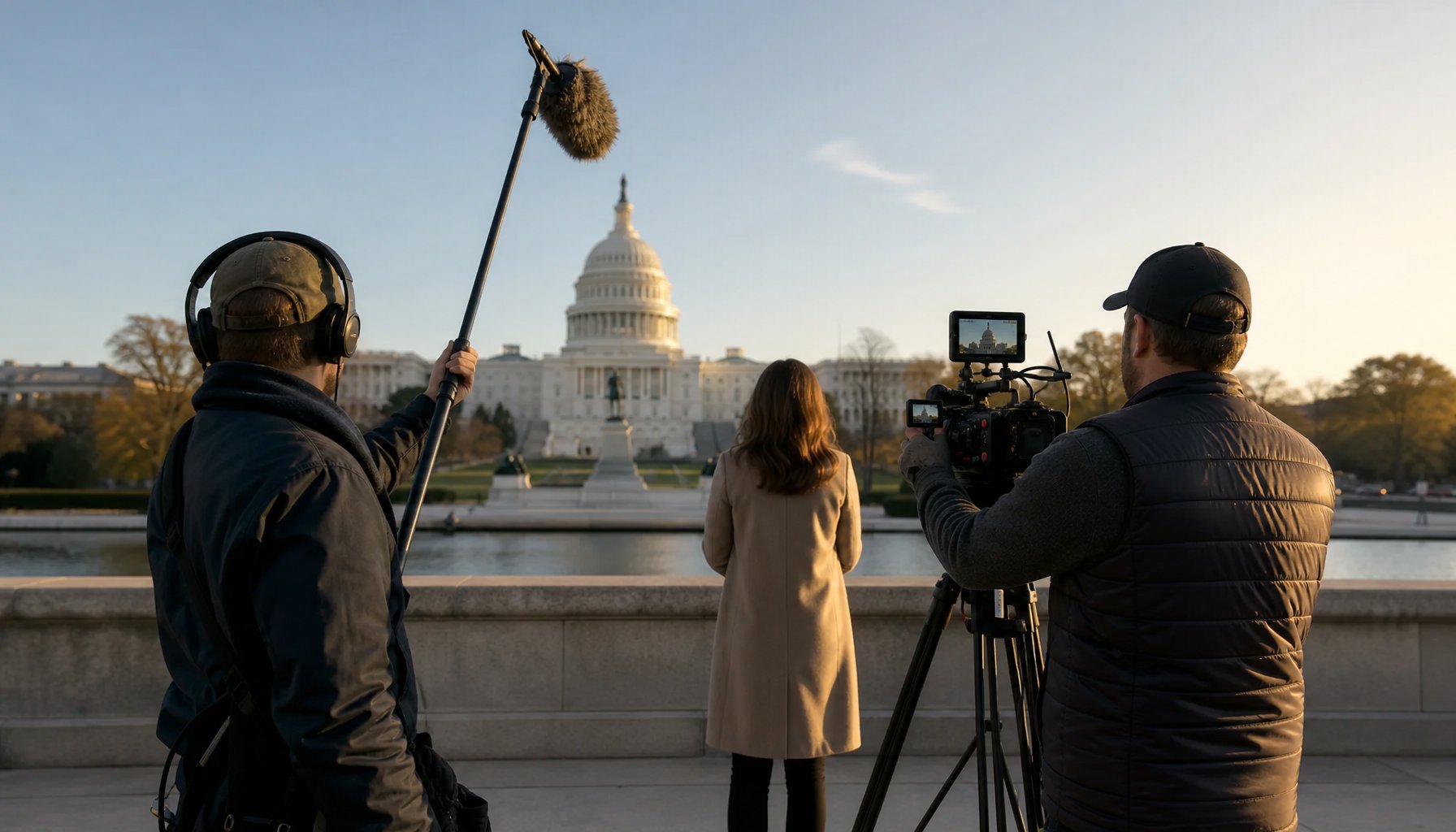
Controlled acoustics, broadcast-ready setups, and accessibility considerations make studios ideal for high-stakes communications and media distribution.
These scenarios show how studio spaces deliver practical, measurable advantages—not just aesthetic improvements.
What Planners Should Ask Before Booking Any Venue
Before committing to a venue, planners should ask:
- Do you provide in-house AV and production support?
- Can the space handle hybrid livestreaming?
- Are LED video walls or digital backdrops available?
- Is technical support present throughout the event?
- How flexible is the space for branding and custom layouts?
These questions help avoid last-minute surprises and align the venue with modern event expectations.
TriVision Studios: A Modern Event Space Built for Execution
TriVision Studios supports businesses across Washington DC and Northern Virginia with:
- Turnkey multimedia event production
- Hybrid and livestream-ready infrastructure
- Custom branding and immersive visuals
- Integrated AV services, LED walls, and technical crews
This all-in-one approach allows businesses to focus on their message—while production experts handle execution.
Conclusion — Choosing a Venue Is a Strategic Decision
Studio event spaces represent a shift in how businesses think about events. They combine creativity, technology, and control—reducing risk while delivering richer, more engaging experiences. For organizations hosting modern corporate or hybrid events, the venue is no longer just a location.
In a world where digital and in-person audiences converge, the right venue isn’t just a space—it’s a production partner in your event’s success. TriVision Studios provides a turnkey multimedia environment with integrated AV services, LED video walls, professional video production, and expert technical support, ensuring your corporate or hybrid event runs seamlessly and leaves a lasting impression.
FAQ — Studio Event Spaces vs Traditional Venues
What is a studio event space?
A production-ready venue equipped with integrated AV, lighting, LED walls, and technical support for professional events.
Why are businesses choosing studios over hotels?
Studios offer built-in technology, hybrid capabilities, unified production teams, and customizable environments.
Are studio venues more expensive than hotels?
Not necessarily. While upfront pricing may differ, studios often reduce total costs by bundling technical services.
Can hybrid events be hosted in hotels?
Yes, but they usually require additional vendors and complex setups compared to studio spaces.
What types of events work best in studio venues?
Corporate summits, hybrid meetings, product launches, executive presentations, and multimedia brand events.