You have budget approval, a creative concept, and a timeline that is tightening by the day. Now you need to find the right virtual production studio — and the wrong choice could cost you tens of thousands of dollars in reshoots, delays, or underwhelming visuals. According to a 2024 report from Grand View Research, the global virtual production market is projected to exceed $4.7 billion by 2030, which means more studios are entering the space every month. That is great for competition, but it also means the gap between a truly capable facility and one that simply owns an LED wall has never been wider. This checklist-driven guide will help you evaluate every virtual production studio on your shortlist so you walk into your shoot with confidence.
Why Choosing the Right Virtual Production Studio Matters
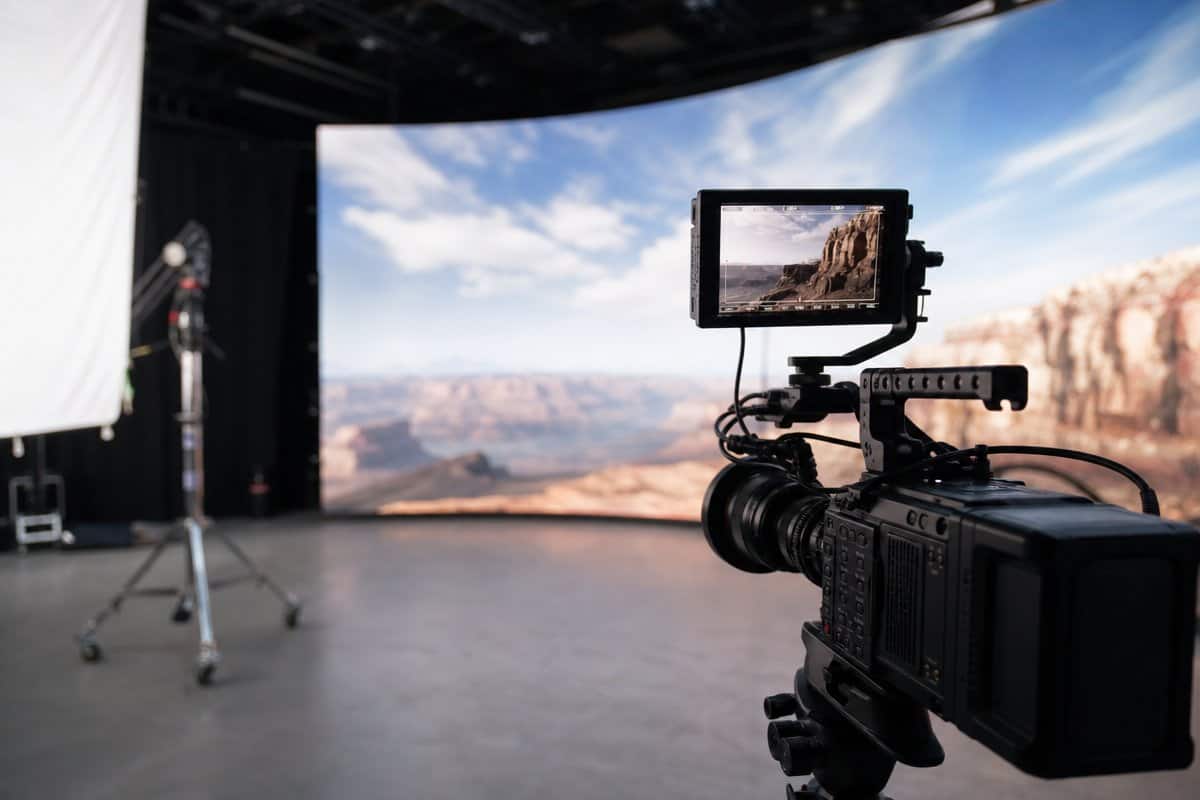
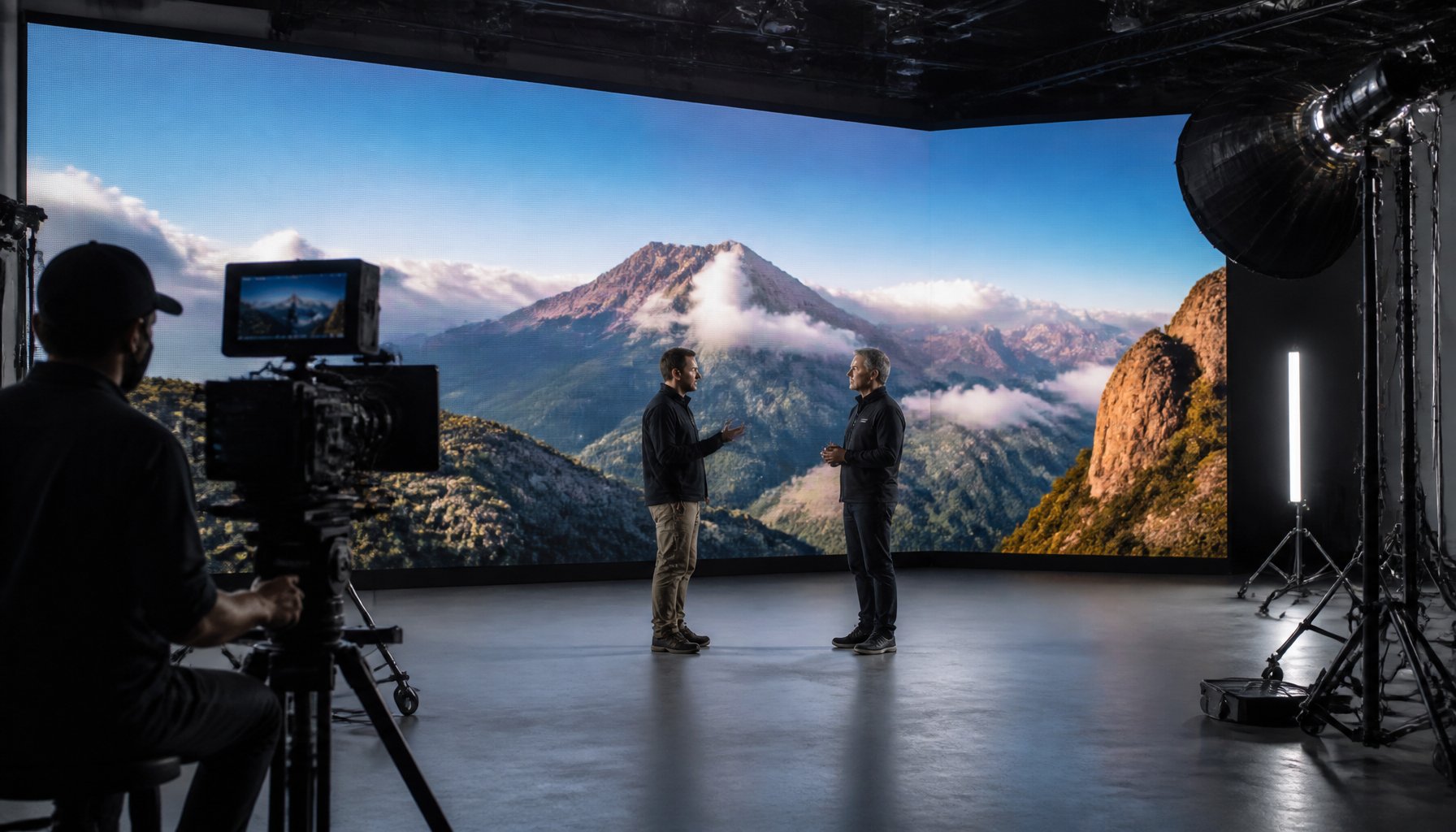
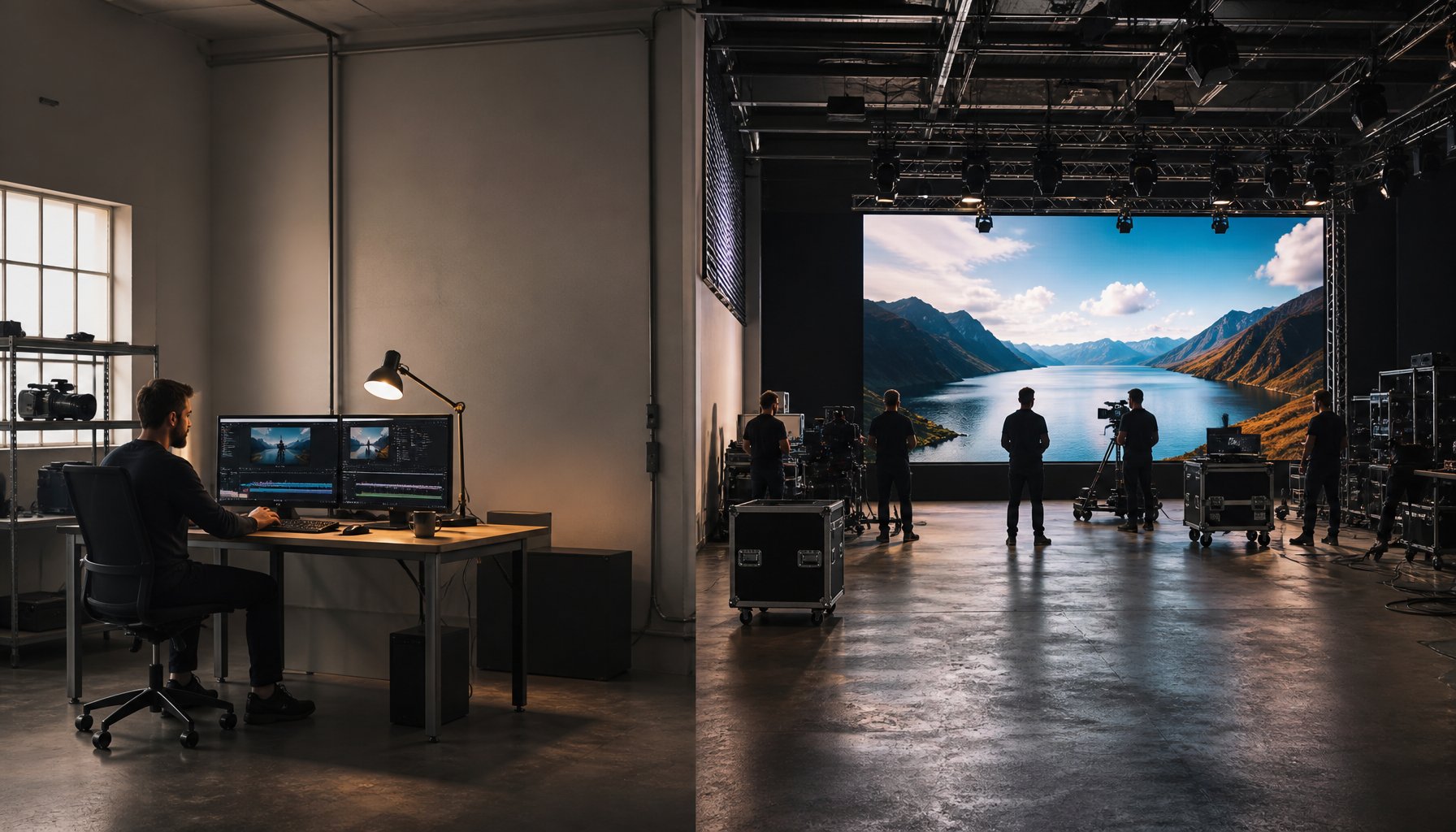
Virtual production is not just a fancier version of green screen. It is a fundamentally different workflow that blends real-time 3D environments, LED display technology, camera tracking, and on-set lighting into a single, cohesive pipeline. When every element works together, you get photorealistic backgrounds that react to camera movement, accurate reflections on talent and props, and final-pixel footage straight off the stage. When one element falls short — a low-resolution LED wall, outdated rendering hardware, or an inexperienced crew — the entire illusion breaks down.
That is why a methodical evaluation matters more here than in almost any other production format. The sections below break the evaluation into six categories you should examine before signing any rental agreement.
LED Wall Specs: The Foundation of Every Virtual Shoot
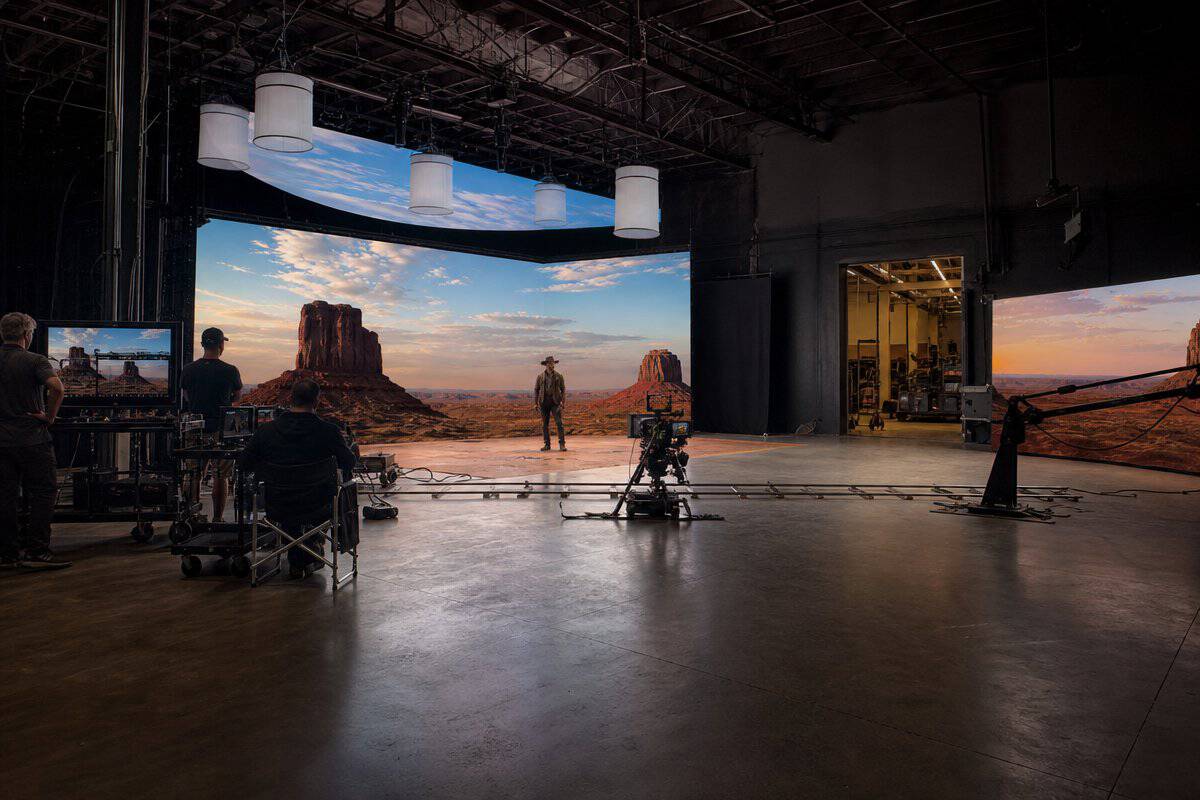
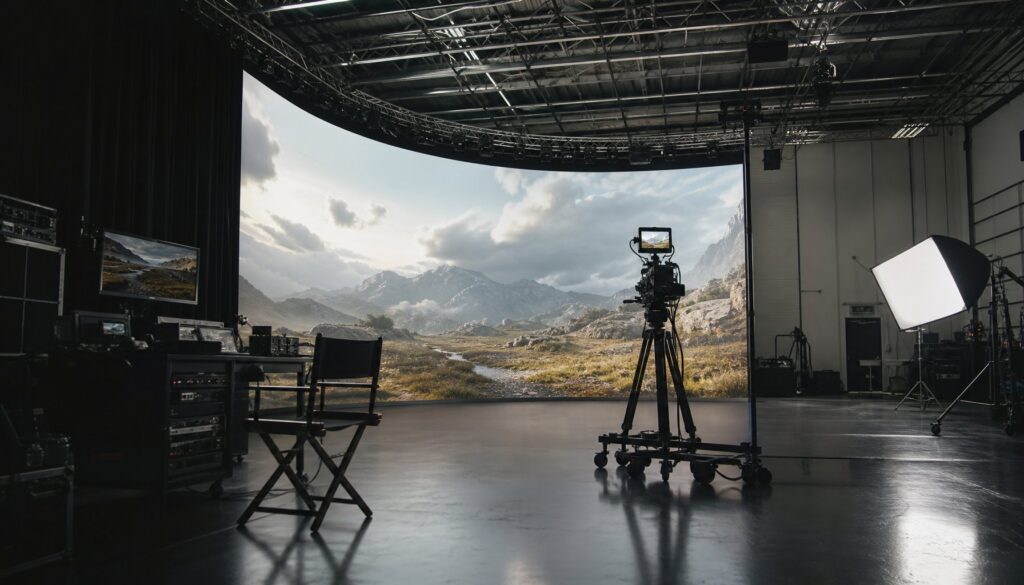
The LED volume is the centerpiece of any virtual production studio. Not all walls are created equal, and the technical specifications directly affect what you can achieve on camera.
Pixel Pitch and Resolution
Pixel pitch measures the distance (in millimeters) between the center of one LED pixel and the next. A smaller number means higher resolution. For broadcast and cinematic work, look for panels with a pixel pitch of 2.6 mm or smaller. Anything above 3.9 mm will struggle to hold up at close camera distances and will show visible pixel structure — especially on 4K and higher-resolution cameras.
Panel Size and Configuration
Consider the total dimensions of the LED volume. Key questions include:
- Wall height and width: Is there enough surface area to fill the frame for your widest planned shot?
- Ceiling panels: Does the studio offer an LED ceiling for overhead lighting and reflections? This is critical for automotive, product, and any scene requiring realistic top-down illumination.
- Curvature: A curved LED wall wraps the environment around the talent, improving parallax realism and reducing visible seams at the edges of frame.
Brightness and Color Accuracy
Ask about nit levels (brightness) and the color gamut the panels support. A minimum of 1,000 nits is standard for on-camera LED walls, but higher brightness gives your DP more latitude when balancing practical lighting with the wall output. Color accuracy should cover at least the Rec. 709 gamut, and ideally approach DCI-P3 for cinematic projects.
Refresh Rate and Genlock
The wall must sync to your camera’s shutter. Look for panels with a refresh rate of 3,840 Hz or higher to avoid banding, and confirm that the studio supports genlock to synchronize the LED wall refresh cycle with the camera’s sensor readout.
Real-Time Engine and Technology Stack
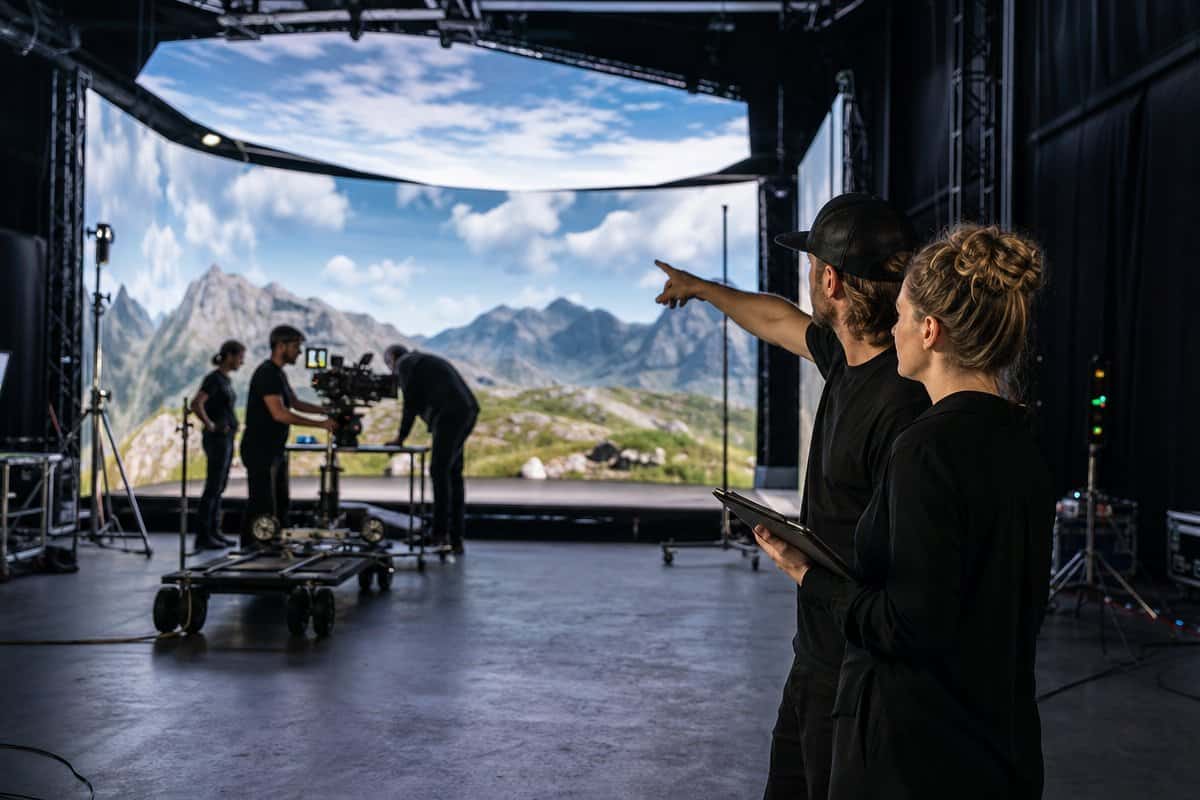
The LED wall is only as good as the content driving it. The real-time rendering engine and the hardware behind it are what bring virtual environments to life.
Unreal Engine Support
Epic Games’ Unreal Engine is the industry standard for virtual production. Confirm that the studio runs a current, production-stable build of Unreal Engine and that their technical team has hands-on experience with nDisplay (the multi-display rendering framework), in-camera VFX (ICVFX) workflows, and Live Link integrations for camera tracking data.
Camera Tracking System
Accurate, low-latency camera tracking is what makes the virtual background respond correctly to camera movement. Leading systems include Mo-Sys StarTracker, Stype, and OptiTrack. Ask the studio:
- Which tracking system do they use, and what is the reported latency?
- Is the system calibrated for their specific LED volume geometry?
- Can they support multi-camera setups if your project requires them?
Media Server and Processing Power
The content pipeline depends on powerful media servers — often running multiple high-end GPUs — to render Unreal Engine scenes in real time at the resolution of the LED wall. Confirm the studio has redundancy built in: a backup server or failover system that prevents a single hardware failure from shutting down your shoot day.
Content Library and Custom Asset Creation
Some studios maintain a library of pre-built Unreal Engine environments that can be customized for your project, saving weeks of asset development. Others offer full custom environment creation by in-house 3D artists. Clarify what is included in the rental rate versus what requires additional creative fees.
Crew Expertise: The Human Element That Makes or Breaks Your Shoot
Technology without skilled operators is just expensive furniture. The crew running the virtual production stage is arguably the most important variable in your evaluation.
Virtual Production Supervisor
A dedicated VP supervisor serves as the bridge between the director, the DP, and the real-time engine team. This person should understand both filmmaking language and technical pipeline details. Ask how many virtual production projects the supervisor has completed, and request a reel or case studies.
Real-Time Engine Operators
These are the technicians who manipulate Unreal Engine content live during the shoot — adjusting lighting, swapping environments, shifting time of day, or triggering animated elements on cue. Experienced operators anticipate the director’s needs and make adjustments between takes without halting production.
LED and Lighting Technicians
LED walls emit light that becomes part of the scene’s practical lighting. Your studio should have technicians who understand how to calibrate wall brightness, manage spill, and work with the DP to balance LED output with traditional film lights for a natural, cinematic look.
Questions to Ask About Crew
- Is the virtual production crew included in the studio rental rate, or billed separately?
- How many crew members are on set during a typical shoot day?
- Can the crew handle live compositing adjustments in real time during takes?
- What is the team’s experience with projects similar in scope to yours?
Studio Amenities and Production Support
A virtual production shoot is still a production. The surrounding facility needs to support the full scope of a professional shoot day.
Stage Size and Acoustic Treatment
Beyond the LED volume itself, evaluate the total stage dimensions. You need enough floor space for camera movement, dolly or jib setups, talent blocking, and set pieces. If your project includes dialogue or voiceover recording, confirm that the stage is acoustically treated to minimize echo and external noise bleed.
Green Room, Hair and Makeup, and Client Areas
Talent needs a comfortable space for preparation. Clients and agency teams need a viewing area where they can monitor the shoot without crowding the stage. These amenities may seem secondary, but they affect the pace and professionalism of your entire production day.
Loading Dock and Parking
If you are bringing set pieces, props, wardrobe racks, or additional grip and electric equipment, you need easy load-in access. Confirm that the facility has a loading dock or ground-level access, adequate parking for crew vehicles, and freight elevator access if the stage is not on the ground floor.
Connectivity and Data Transfer
High-speed internet is essential for remote client review, cloud-based asset delivery, and live streaming. Ask about available bandwidth, whether dedicated hardwired connections are available on the stage, and what data transfer options exist for delivering large Unreal Engine project files before your shoot date.
Location, Accessibility, and Regional Considerations
Where your virtual production studio is located affects logistics, budget, and the talent pool available to you.
Washington DC, Richmond, Baltimore, and NYC
If your organization is based in the Mid-Atlantic or Northeast corridor, proximity matters. Studios in Washington DC, Northern Virginia, Richmond, and Baltimore offer distinct advantages for government agencies, nonprofits, corporate headquarters, and healthcare organizations concentrated in these markets. A local studio reduces travel costs, simplifies crew sourcing, and makes pre-production site visits practical rather than aspirational.
For producers working in this region, TriVision Studios offers a purpose-built virtual production stage in the DC area with an LED volume, Unreal Engine pipeline, and experienced in-house crew — all under one roof.
Travel and Accommodation Costs
Factor in the total cost of getting your team to the studio. A studio that is two hundred dollars cheaper per day but requires flights, hotels, and per diem for five team members may end up being significantly more expensive than a closer alternative.
Your Pre-Booking Evaluation Checklist
Use this consolidated checklist when comparing virtual production studios. Print it, share it with your producer, and bring it to every facility tour or discovery call.
- LED Wall: Pixel pitch ≤ 2.6 mm, sufficient wall dimensions, ceiling panels available, brightness ≥ 1,000 nits, refresh rate ≥ 3,840 Hz, genlock capable
- Rendering Engine: Current Unreal Engine build, nDisplay and ICVFX workflow support, proven camera tracking system with low latency
- Media Servers: High-end GPU configuration, redundancy and failover capability
- Content Pipeline: Pre-built environment library, custom 3D asset creation services, clear pricing for asset work
- Crew: Dedicated VP supervisor, real-time engine operators, LED and lighting technicians included or clearly quoted
- Facility: Adequate stage size beyond the volume, acoustic treatment, green room, client viewing area, loading dock, high-speed internet
- Location: Proximity to your team, travel cost analysis, ease of pre-production visits
- Portfolio: Relevant case studies, client references, demo reel of previous virtual production work
Frequently Asked Questions
What is a virtual production studio?
A virtual production studio is a purpose-built facility that combines large-format LED walls or volumes with real-time 3D rendering engines — typically Unreal Engine — and camera tracking systems to create photorealistic digital backgrounds that appear on camera in real time. Unlike green screen, the environments are visible to talent and crew during filming, enabling more natural performances and significantly reducing post-production compositing work.
How much does it cost to rent a virtual production studio?
Rates vary widely based on LED wall size, included technology, crew, and location. In the DC, Baltimore, and Richmond markets, full-day rates for a virtual production stage with crew and Unreal Engine support can range from $5,000 to $25,000 or more depending on project complexity. Always request an itemized quote that separates stage rental, crew, content creation, and post-production so you can compare studios accurately.
Do I need to bring my own Unreal Engine content?
Not necessarily. Many studios offer libraries of pre-built environments and can customize them for your project. If your concept requires a fully custom environment — a specific office interior, a branded retail space, a fantasy landscape — the studio’s 3D team or your own vendor can build it in advance. Plan for at least two to four weeks of lead time for custom asset creation.
Can I use virtual production for live streaming or hybrid events?
Yes. Virtual production stages are increasingly used for live broadcasts, hybrid events, town halls, and product launches. The LED volume serves as a dynamic, branded backdrop that can change in real time, creating a far more polished and engaging experience than a static set or green screen composite. Confirm that the studio supports live output workflows and has experience with broadcast-grade signal routing.
What camera systems work best in a virtual production studio?
Most modern cinema cameras work well, but the studio’s camera tracking system must be compatible with your chosen camera and lens package. Common choices include ARRI, RED, Sony VENICE, and Blackmagic cinema cameras. The critical factor is proper calibration between the tracking system, the lens metadata, and the Unreal Engine frustum — the tracked area of the LED wall that renders the correct perspective for the camera. Discuss your preferred camera package with the studio during pre-production.
How far in advance should I book a virtual production studio?
For major productions, booking four to eight weeks in advance is advisable, especially if the project requires custom Unreal Engine environment builds. For simpler setups using existing content libraries, two to three weeks of lead time may be sufficient. High-demand periods — particularly Q4 and early Q1 — tend to fill quickly, so reach out as soon as your project timeline is confirmed.
Ready to Evaluate Your Next Virtual Production Studio?
Choosing a virtual production studio is one of the most consequential decisions you will make on any project that calls for immersive digital environments. The LED wall specs, the real-time rendering pipeline, the crew’s experience, and the surrounding facility all need to meet your creative and technical standards. Use the checklist above to structure your evaluation, ask direct questions during facility tours, and request demo reels that show work comparable to your project’s scope.
If you are producing in Washington DC, Northern Virginia, Baltimore, Richmond, or NYC, TriVision Studios offers a fully equipped virtual production studio with an LED volume, Unreal Engine pipeline, experienced in-house crew, and full production support — all designed to help you execute ambitious visual concepts without the uncertainty. Contact TriVision Studios to schedule a facility tour or discuss your upcoming project.