You know your organization needs video. Maybe it is a marketing campaign, a training series, or a brand story that finally does your mission justice. But if you have never hired a production partner before, the process can feel opaque. What does a video production company do, exactly? Who are the people involved, what services are included, and how does a raw idea become a polished piece of content? According to Wyzowl’s 2026 State of Video Marketing report, 91 percent of businesses now use video as a marketing tool, yet many first-time buyers still struggle to understand the scope of work they are actually paying for. This guide is designed to change that.
Below, we will walk through the core roles, services, and workflow stages of a professional video production company so you can approach your first project with clarity and confidence.
The Role of a Video Production Company
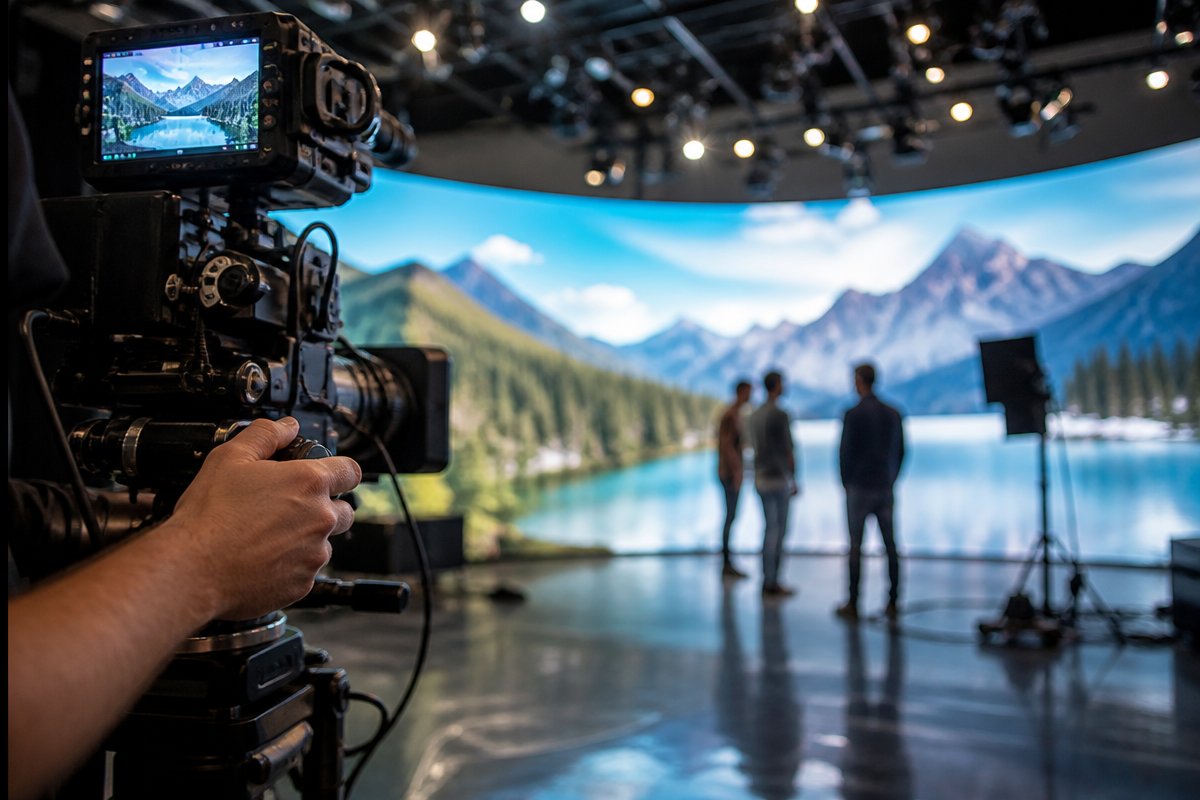
At the highest level, a video production company is a team of creative and technical professionals who plan, shoot, edit, and deliver video content on behalf of clients. But that one-sentence summary barely scratches the surface.
A full-service production partner acts as a strategic consultant, a creative agency, and an execution team rolled into one. They translate your business objectives into a visual narrative, handle the logistics of filming, and refine the final product until it is ready for distribution across the channels that matter to your audience.
Why This Matters for First-Time Buyers
If you are comparing quotes for the first time, understanding what a production company actually provides helps you evaluate proposals on an apples-to-apples basis. Some firms specialize in a single phase, like post-production editing, while others, like TriVision Studios, offer end-to-end capabilities from concept development through final delivery. Knowing the difference prevents scope gaps and budget surprises.
Core Services a Video Production Company Provides
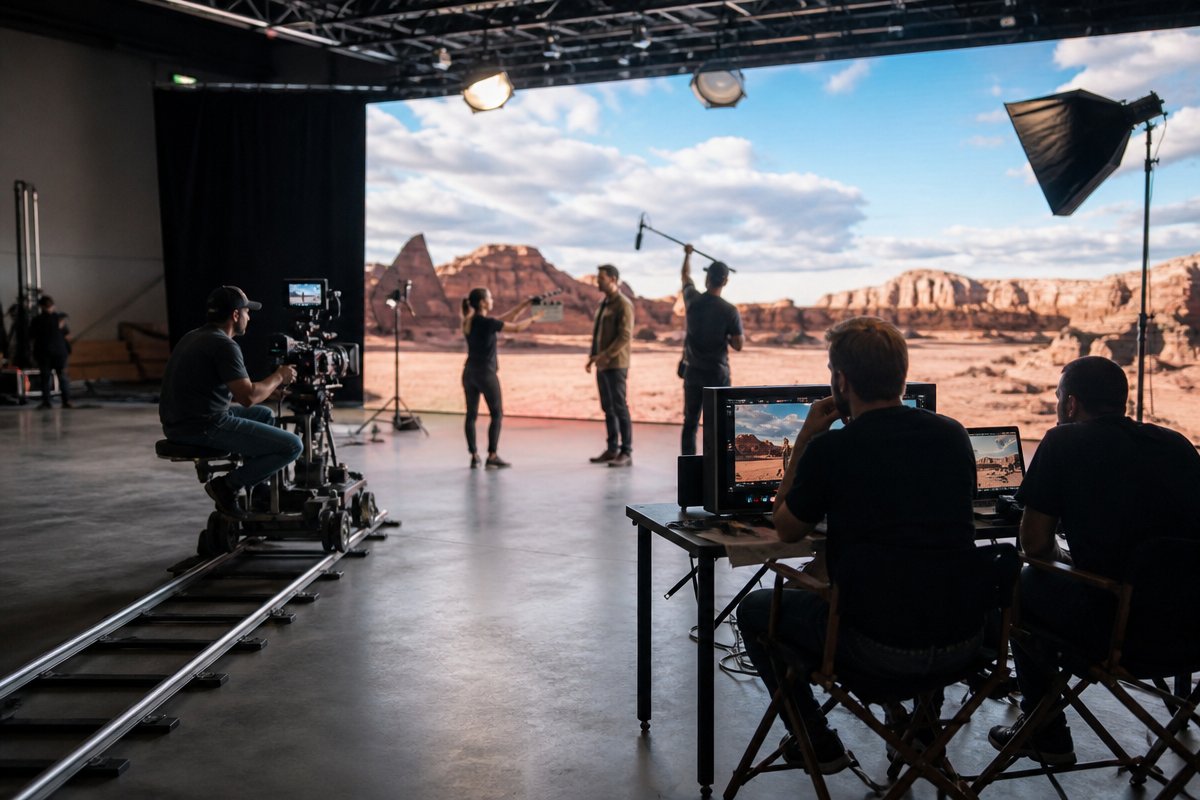
While every company structures its offerings slightly differently, most professional production houses deliver work across the following service categories.
1. Creative Strategy and Concept Development
Before a single camera rolls, the team works with you to define the purpose of your video. This phase typically includes:
- Discovery sessions — understanding your brand, audience, goals, and distribution plan
- Creative briefs — a written document that aligns everyone on messaging, tone, and visual direction
- Concept pitches — one or more creative directions for you to evaluate
- Scriptwriting and storyboarding — the narrative blueprint that guides every subsequent decision
This strategic foundation is arguably the most valuable thing a production company offers. It ensures your video is not just beautiful but effective.
2. Pre-Production Planning
Pre-production is the logistical engine behind every successful shoot. The production company handles:
- Casting — sourcing on-camera talent, voiceover artists, or coordinating with your internal team
- Location scouting — finding and securing the right filming environments
- Scheduling — building detailed shoot-day timelines so every minute is productive
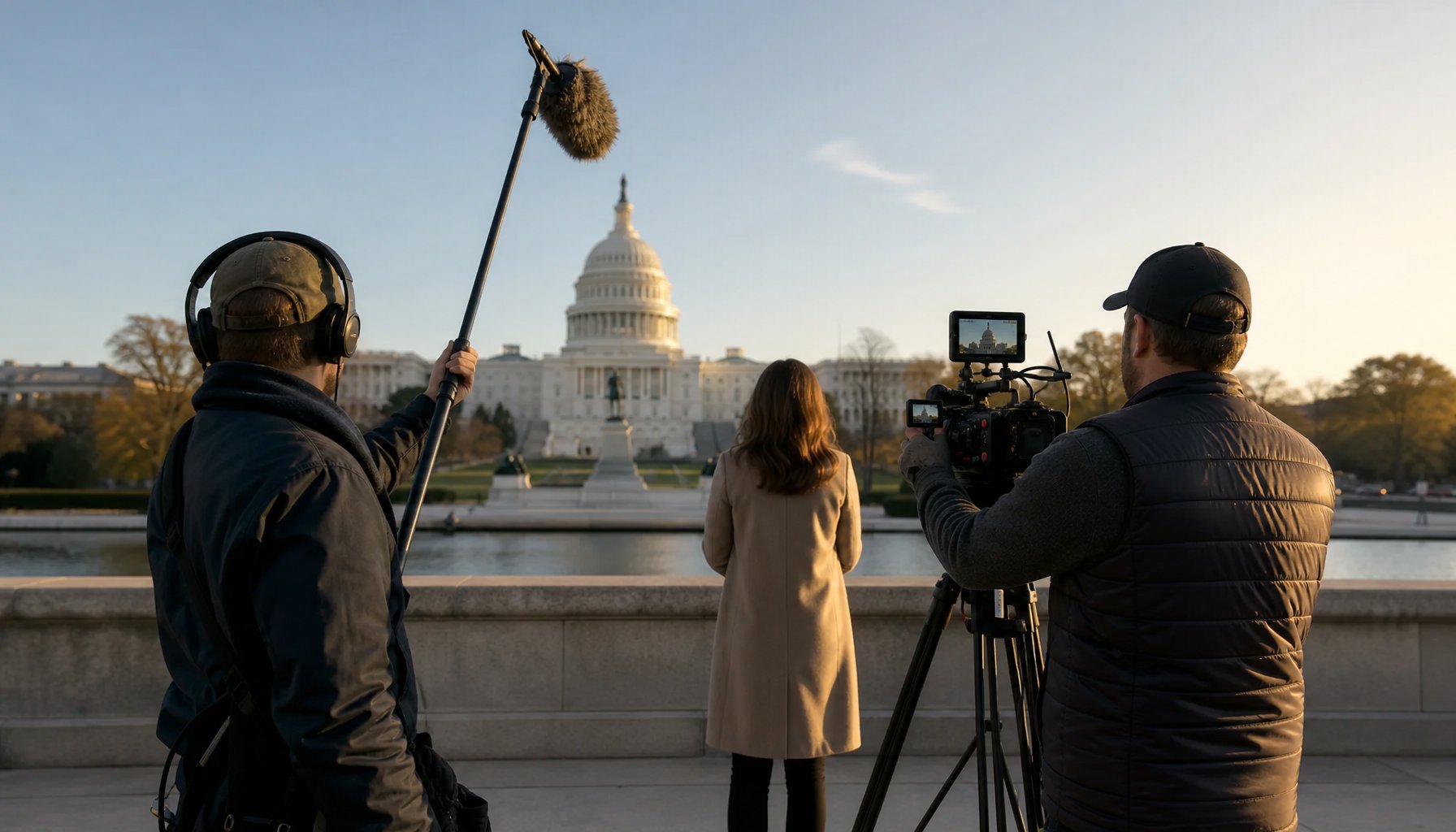
- Permitting — obtaining location permits, especially critical for shoots in Washington DC, New York City, or other regulated areas
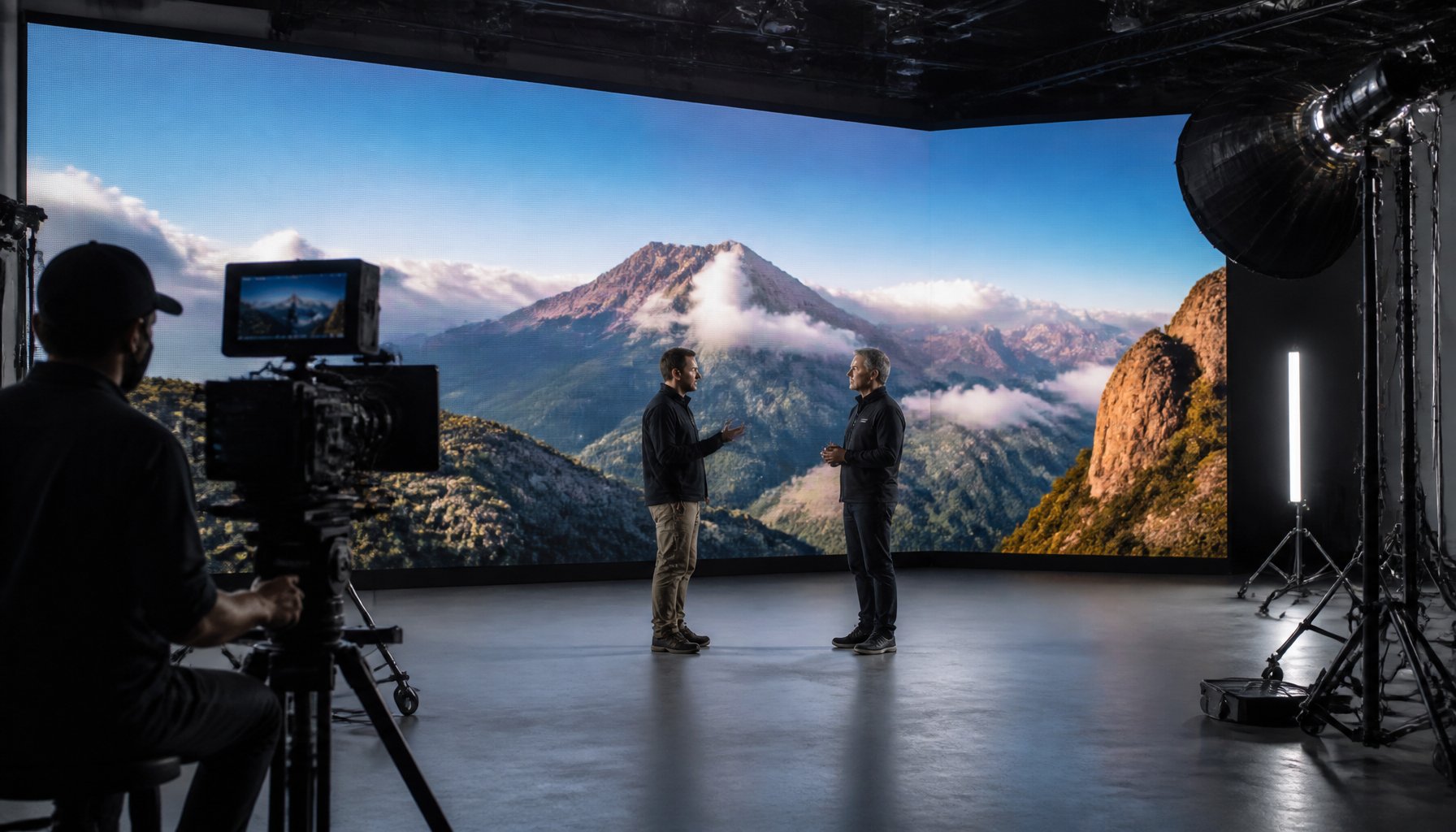
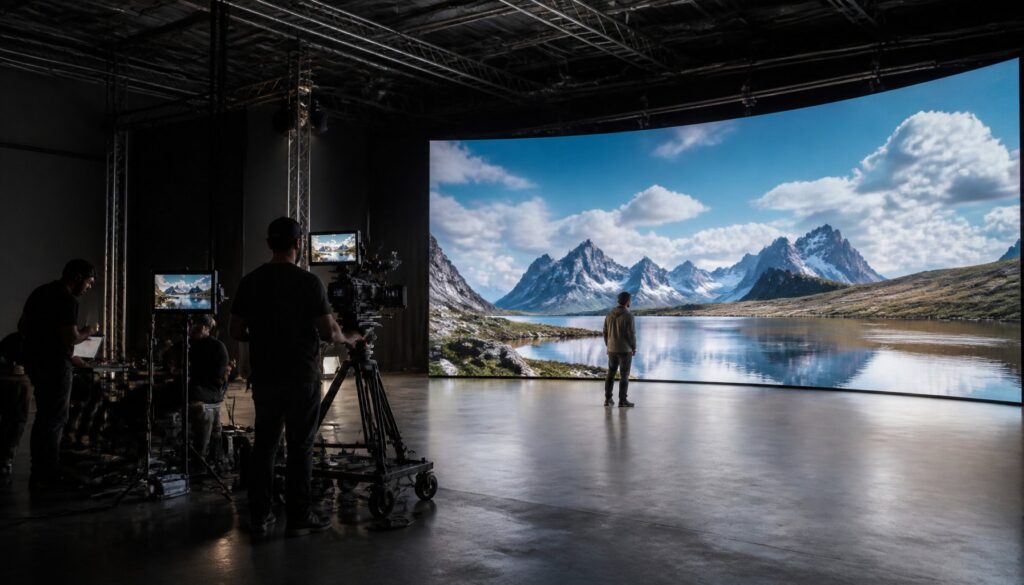
- Equipment planning — selecting cameras, lighting, audio gear, and specialty tools like drones or LED volumes
For organizations in government, healthcare, or education, pre-production also includes compliance review to make sure scripts and visuals meet regulatory or branding guidelines before production begins.
3. Production — The Shoot Itself
Production day is when the plan comes to life. A professional crew typically includes some combination of the following roles:
- Director — oversees the creative vision and guides talent performance
- Director of Photography (DP) — manages camera work, framing, and visual aesthetics
- Camera operators — execute the shots planned by the DP
- Gaffer and lighting team — design and rig the lighting setups
- Sound recordist — captures clean audio, often the most underappreciated element of video quality
- Producer — keeps the shoot on schedule and on budget
- Production assistants — handle everything from gear transport to teleprompter operation
Depending on the project, you might also see a teleprompter operator, a hair and makeup artist, a set designer, or a virtual production technician managing an LED wall stage.
4. Post-Production and Editing
After the shoot wraps, the footage moves into post-production, which is where raw material becomes a finished story. This phase includes:
- Video editing — assembling the best takes, pacing the narrative, and building the structure
- Color grading — adjusting the visual tone to match your brand or the emotional feel of the piece
- Sound design and mixing — layering music, sound effects, and dialogue into a balanced audio track
- Motion graphics and animation — adding titles, lower thirds, data visualizations, or fully animated sequences
- Review cycles — structured rounds of client feedback and revision
A good production company builds a clear review process into the project timeline so you have multiple opportunities to provide feedback without derailing the schedule.
5. Delivery and Distribution Support
The final deliverable is more than a single video file. Professional companies export your content in the formats and specifications required by each distribution channel, whether that is a 16:9 YouTube version, a vertical cut for Instagram Reels, a broadcast-ready file for television, or a compressed version for internal email distribution. Some companies also offer guidance on video SEO, thumbnail design, and paid media placement.
The Three Phases of Production — A Simplified Workflow
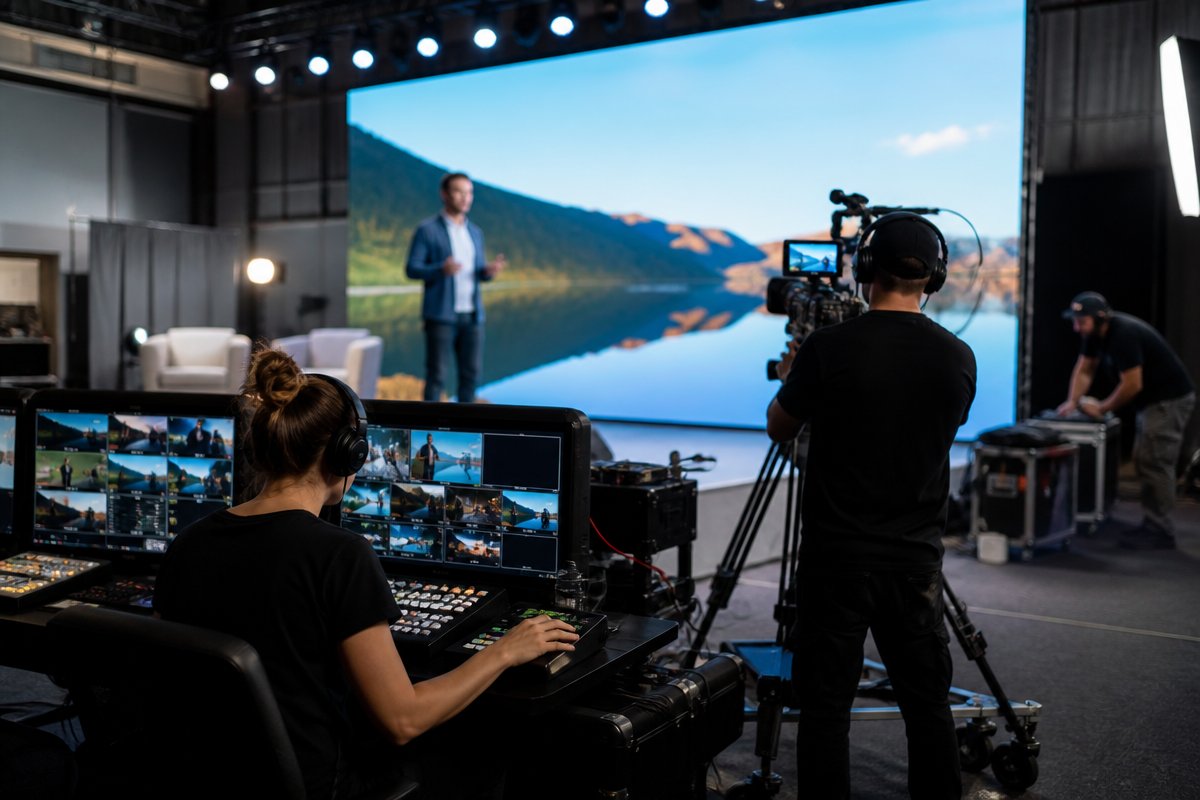
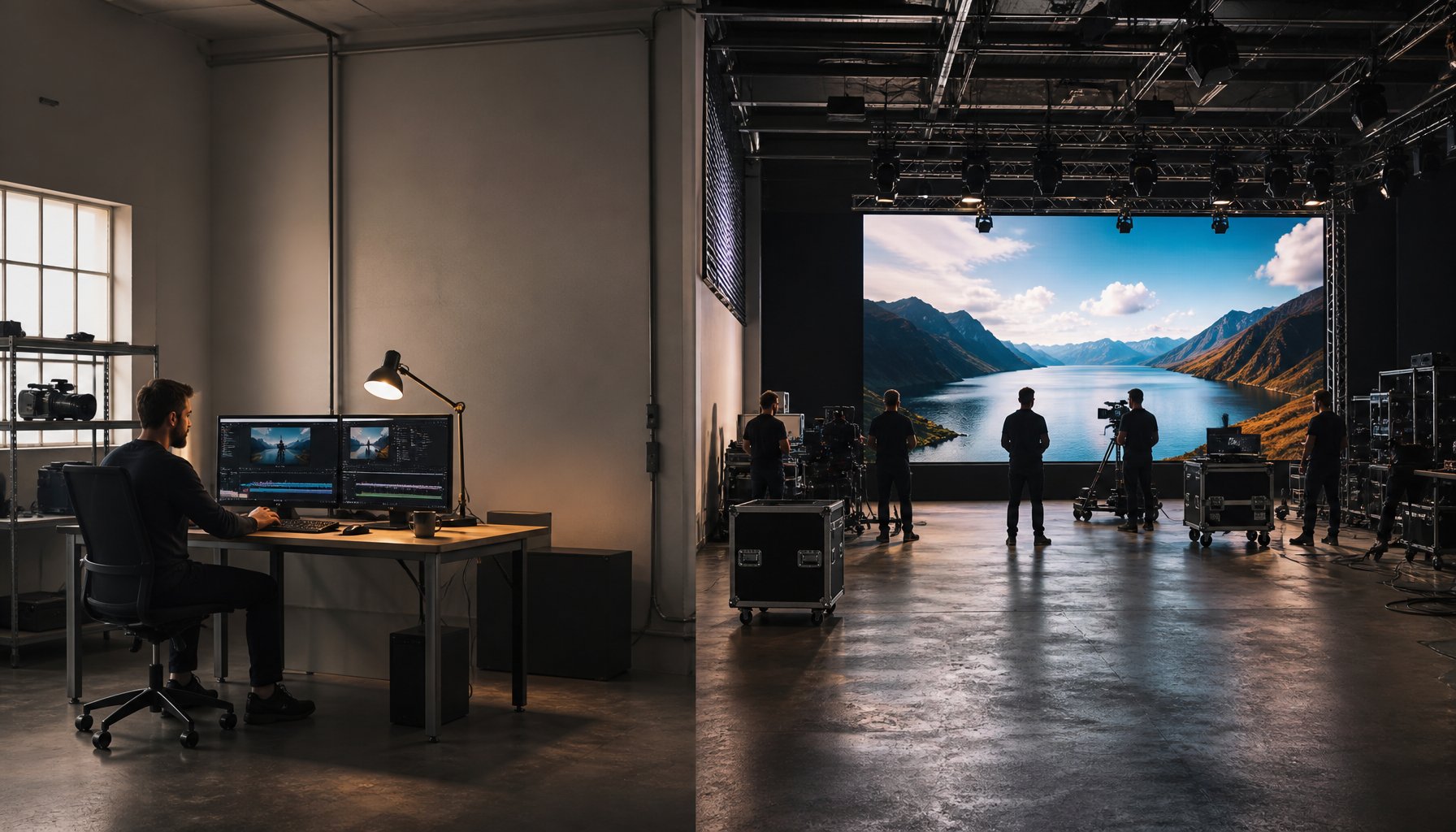
If you want a mental model for how the entire process flows, think of it in three acts:
- Pre-Production — Strategy, scripting, planning, and logistics. This is where 60 to 70 percent of a project’s success is determined.
- Production — The actual filming days. Efficient pre-production means fewer shoot days, which saves budget.
- Post-Production — Editing, graphics, sound, review, and final delivery.
Most projects span four to eight weeks from kickoff to delivery, though timelines vary based on complexity. A simple testimonial video might wrap in two weeks, while a multi-location documentary could take several months.
What Sets a Full-Service Company Apart
Not every production company operates the same way. Some are boutique editing shops. Others are one-person freelance operations. A full-service company like TriVision Studios differentiates itself by offering the complete spectrum of services under one roof, which creates several tangible advantages for clients:
- Single point of accountability — one team owns the outcome from start to finish
- Consistent creative vision — the people who develop the concept are the same people who shoot and edit it
- Cost efficiency — bundling services eliminates the markup and coordination overhead of hiring separate vendors for each phase
- Scalability — a full-service partner can flex from a small interview shoot to a large-scale commercial production without you having to source new vendors
This is especially important for organizations in Washington DC, Northern Virginia, Baltimore, Richmond, and New York City that need a production partner who can handle diverse project types across multiple locations.
Who Hires a Video Production Company?
The short answer: nearly every type of organization. But the most common client profiles include:
- Corporations and enterprises — for marketing campaigns, internal communications, executive messaging, and investor content
- Government agencies — for training videos, public service announcements, congressional testimonies, and recruitment
- Nonprofits and advocacy organizations — for fundraising appeals, impact stories, and awareness campaigns
- Healthcare organizations — for patient education, provider recruitment, and compliance-driven content
- Educational institutions — for enrollment marketing, online course content, and campus tours
- Technology companies — for product demos, explainer videos, and thought leadership content
Regardless of industry, the common thread is a need for professional-quality content that communicates a clear message to a defined audience.
Frequently Asked Questions
What does a video production company do that I cannot do in-house?
While smartphones have made it easy to capture video, professional production involves far more than pressing record. A production company brings specialized equipment, trained crew, storytelling expertise, and post-production capabilities that are difficult and expensive to replicate internally. They also bring an outside perspective that often results in more compelling creative direction than an internal team can achieve on its own.
How much does it cost to hire a video production company?
Costs vary widely based on project scope. A simple interview-style video might start in the low thousands, while a multi-day commercial shoot with talent, locations, and advanced post-production can reach into the tens of thousands or higher. The best approach is to share your goals and budget range upfront so the production company can design a scope that delivers maximum value within your constraints.
How long does a typical video production project take?
Most projects take between four and eight weeks from kickoff to final delivery. Simpler projects, like a single testimonial or social media cut, can sometimes be completed in two to three weeks. Complex projects, such as documentaries or multi-video campaigns, may require two to four months. The biggest variable is usually the review and approval process on the client side.
Do I need to provide a script, or does the production company write one?
Most full-service production companies include scriptwriting as part of their offering. You provide the messaging priorities, key talking points, and any brand guidelines, and the production team develops the script from there. Some clients prefer to supply their own scripts, which is also common, especially in government and regulated industries where messaging must go through internal legal or compliance review.
What should I look for when choosing a video production company?
Start with their portfolio. Does their work reflect the quality and style you are looking for? Then evaluate their process. A company that asks thoughtful questions during the discovery phase is more likely to deliver a video that meets your objectives. Finally, consider their experience with your industry. A company that has worked with government agencies, nonprofits, or healthcare organizations will already understand the compliance nuances and stakeholder dynamics that come with those sectors.
Can a production company help with video strategy, not just filming?
Yes. In fact, the best production companies insist on it. They will help you define your audience, clarify your message, choose the right video format, and plan for distribution before a camera ever turns on. This strategic layer is what separates a video that looks good from a video that actually drives results.
Ready to Start Your First Video Project?
Understanding what a video production company does is the first step toward making a confident hiring decision. Whether you need a single marketing video or a multi-piece content series, the right production partner will guide you through every phase, from strategy and scripting through filming and final delivery.
TriVision Studios is a full-service video production company serving Washington DC, Northern Virginia, Baltimore, Richmond, and New York City. We work with corporations, government agencies, nonprofits, healthcare organizations, and educational institutions to create high-impact video content that moves audiences to action. If you are exploring video for the first time, or looking for a more strategic partner for your next project, reach out to our team to start the conversation.