TRIVISION STUDIOS · BROADCAST PRODUCTION
Multicamera production for a global interview program in a historic Washington hall
October 5–7, 2026 | Gaston Hall | Georgetown University
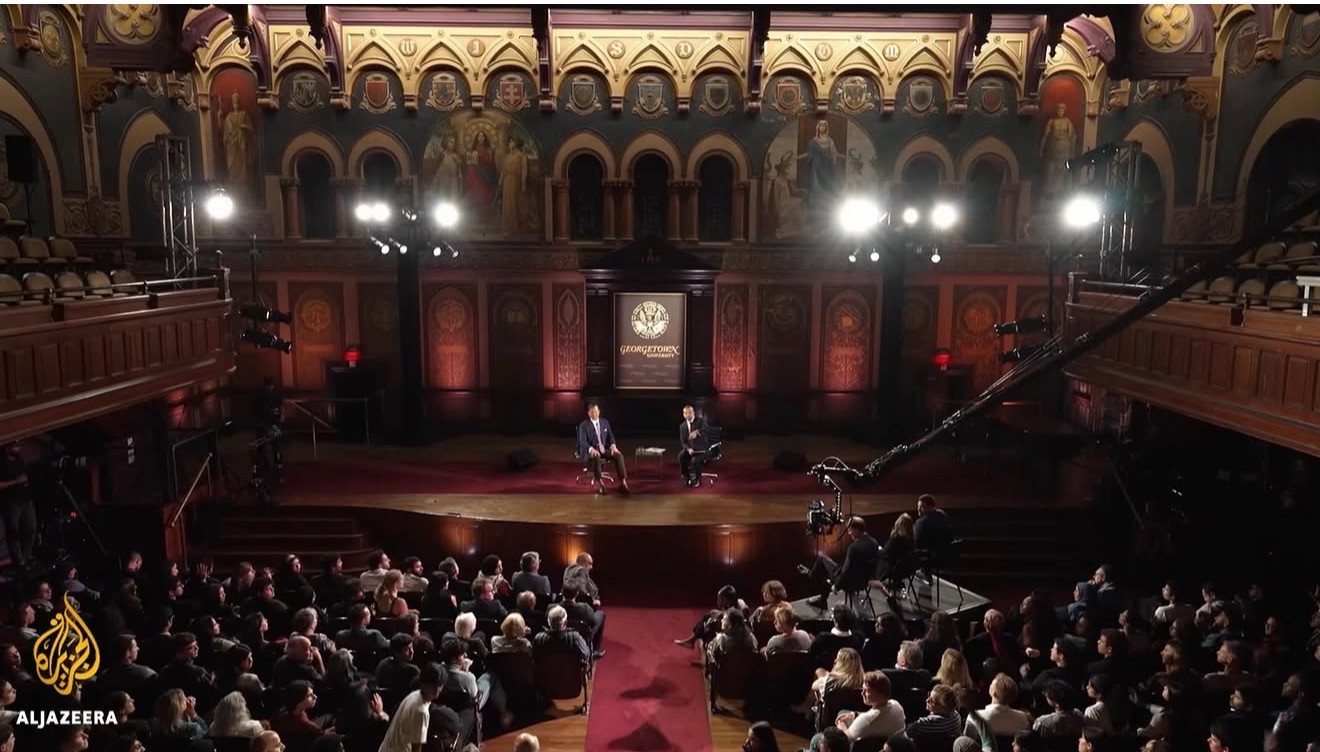
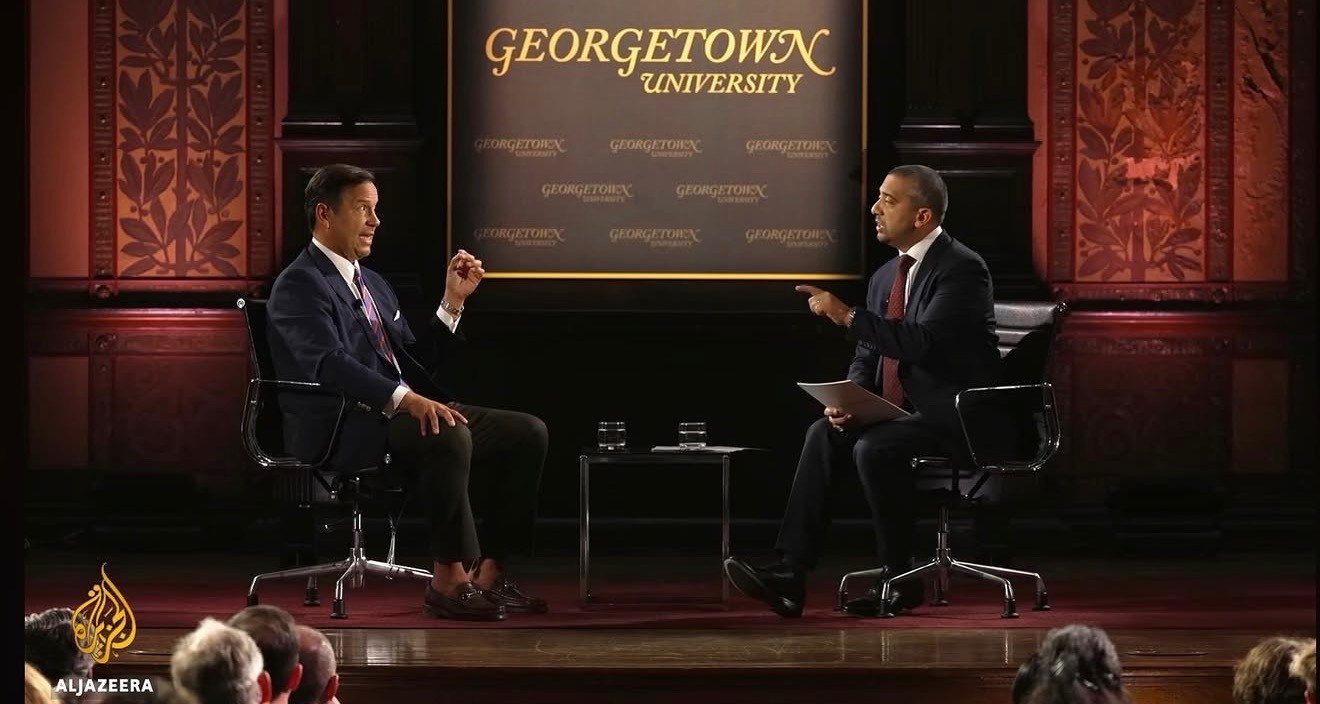
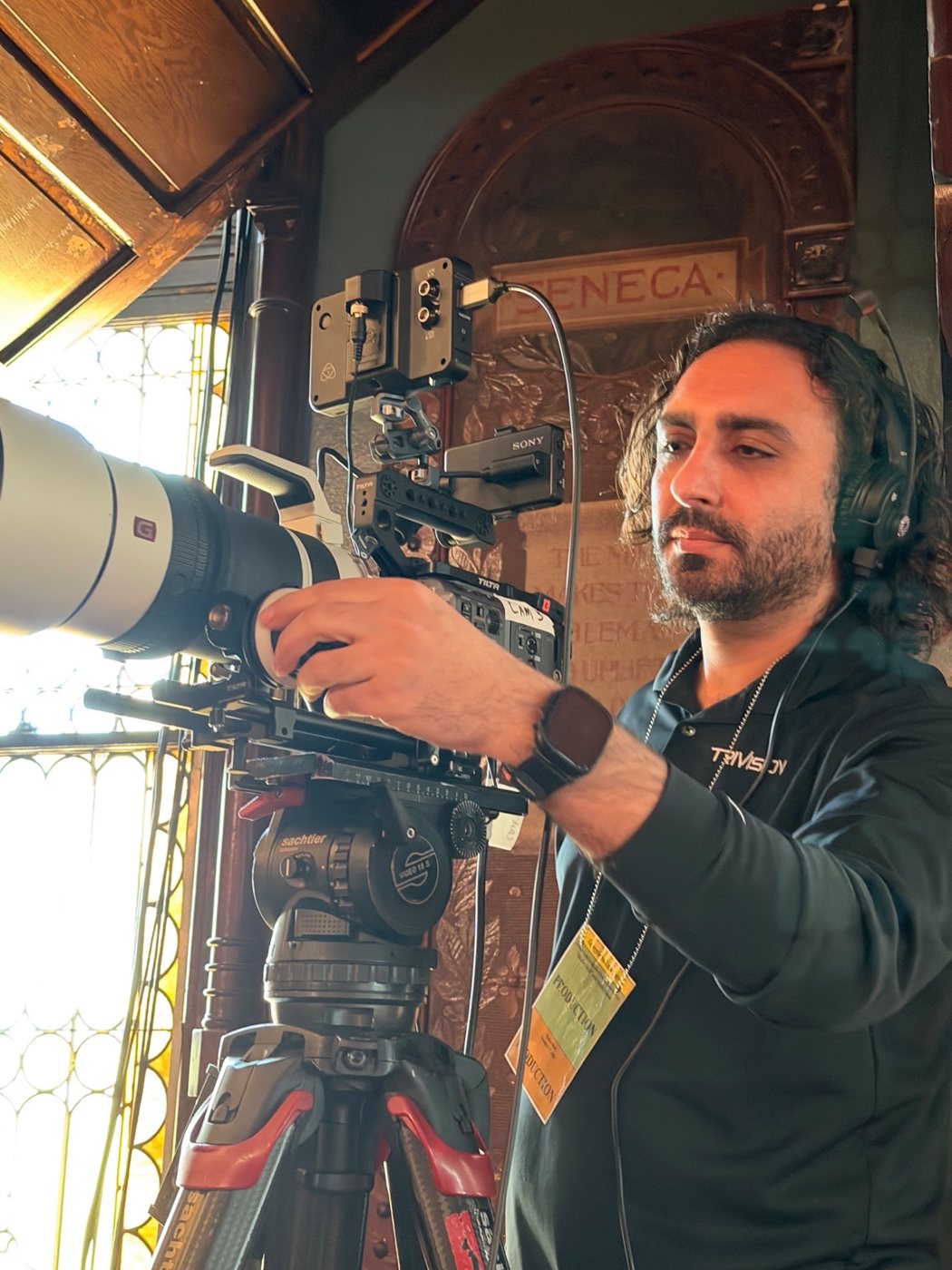
Al Jazeera’s Head to Head brought Mehdi Hasan and two US midterm specials to Georgetown University’s Gaston Hall. The October 5–7, 2026 production supported conversations with Neera Tanden and Steve Cortes, recorded before an audience in one of Washington’s most distinctive university settings.
TriVision supported the technical production from preproduction planning and walkthroughs to the on-site multicamera recording. The brief was to carry the program’s established visual style into a different room—without losing the intimacy of a face-to-face interview or the energy of a live audience.
A familiar show in a different room
Working with the Head to Head production team and Zeteo, TriVision helped plan the technical environment for two Georgetown recordings. Al Jazeera retained the show’s editorial and directorial leadership; TriVision’s focus was the camera system, technical operation and recording workflow.
The goal was continuity with the program’s London look, adapted to Gaston Hall. The host and guest needed complementary close shots, a strong two-person view and coverage of the audience and floor-level panel positions. The room’s decorated walls, stained glass and balconies offered a distinctive setting, but fixed seating and camera sightlines shaped what was practical.
Planning around the venue
Preproduction walkthroughs and technical discussions brought those constraints into the plan. The team examined camera positions, movement, control-room needs and how the hall would read after dark. Potential reflections in the windows behind the host made evening checks important; a daytime view alone would not tell the whole story.
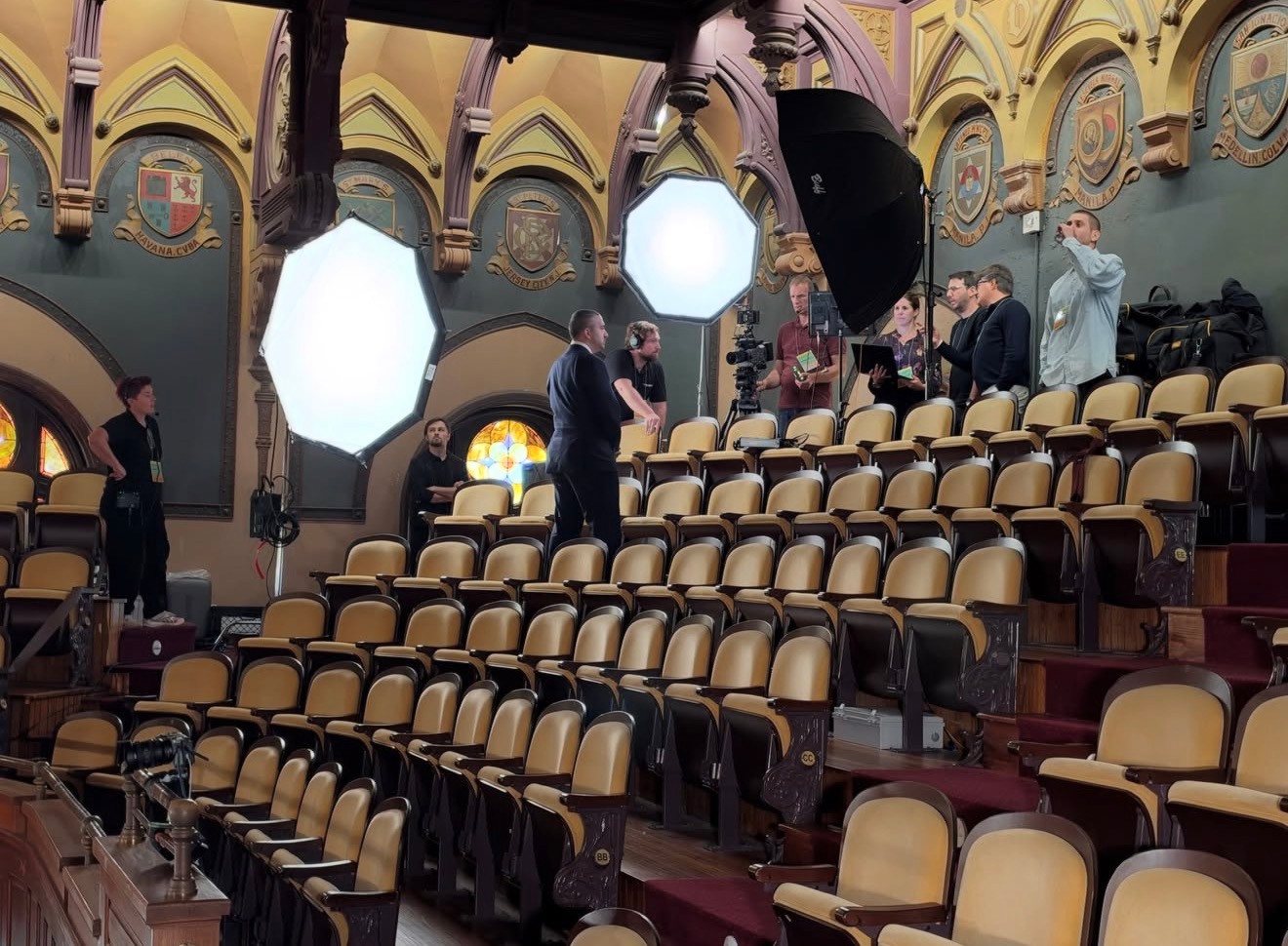
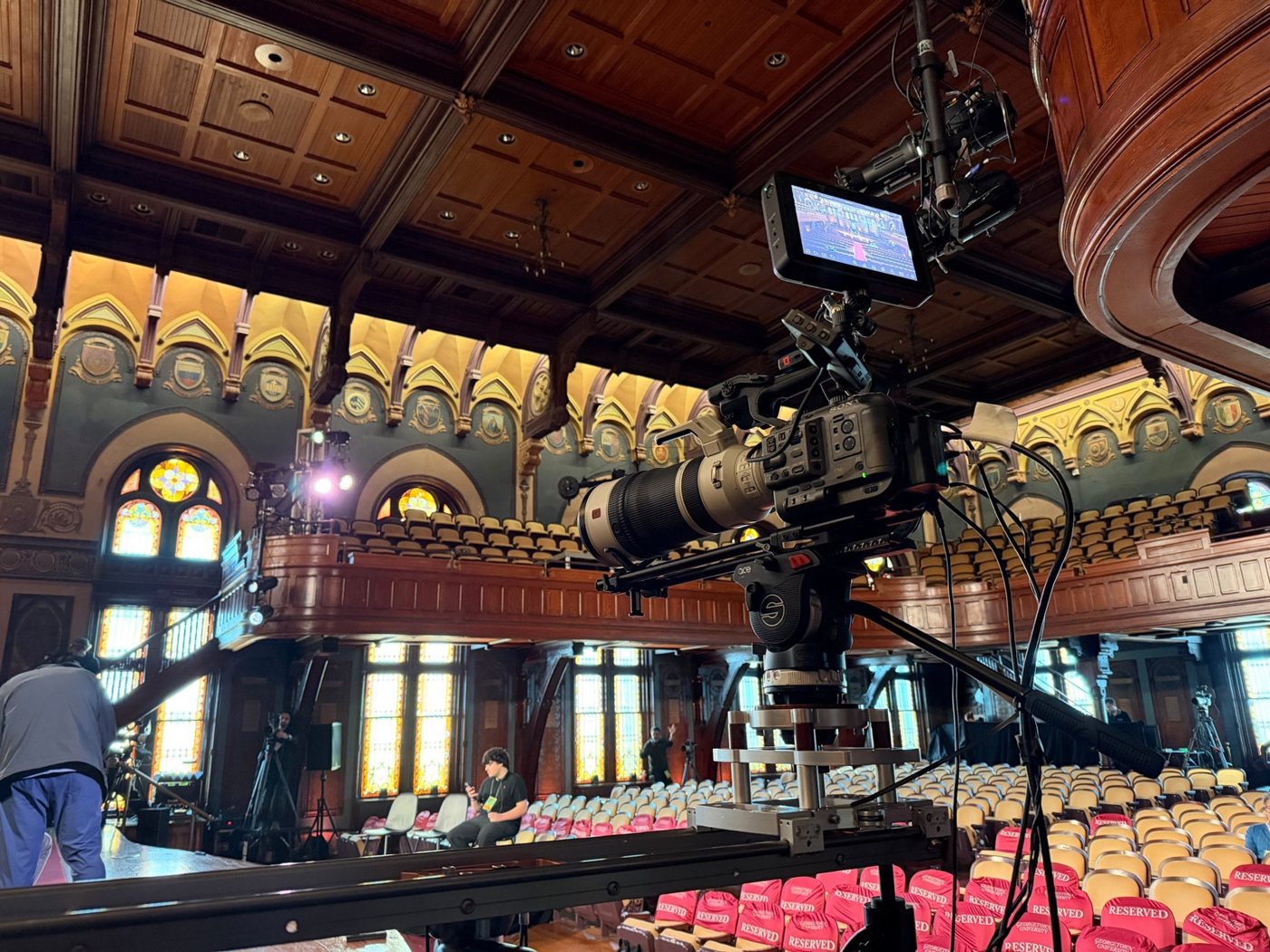
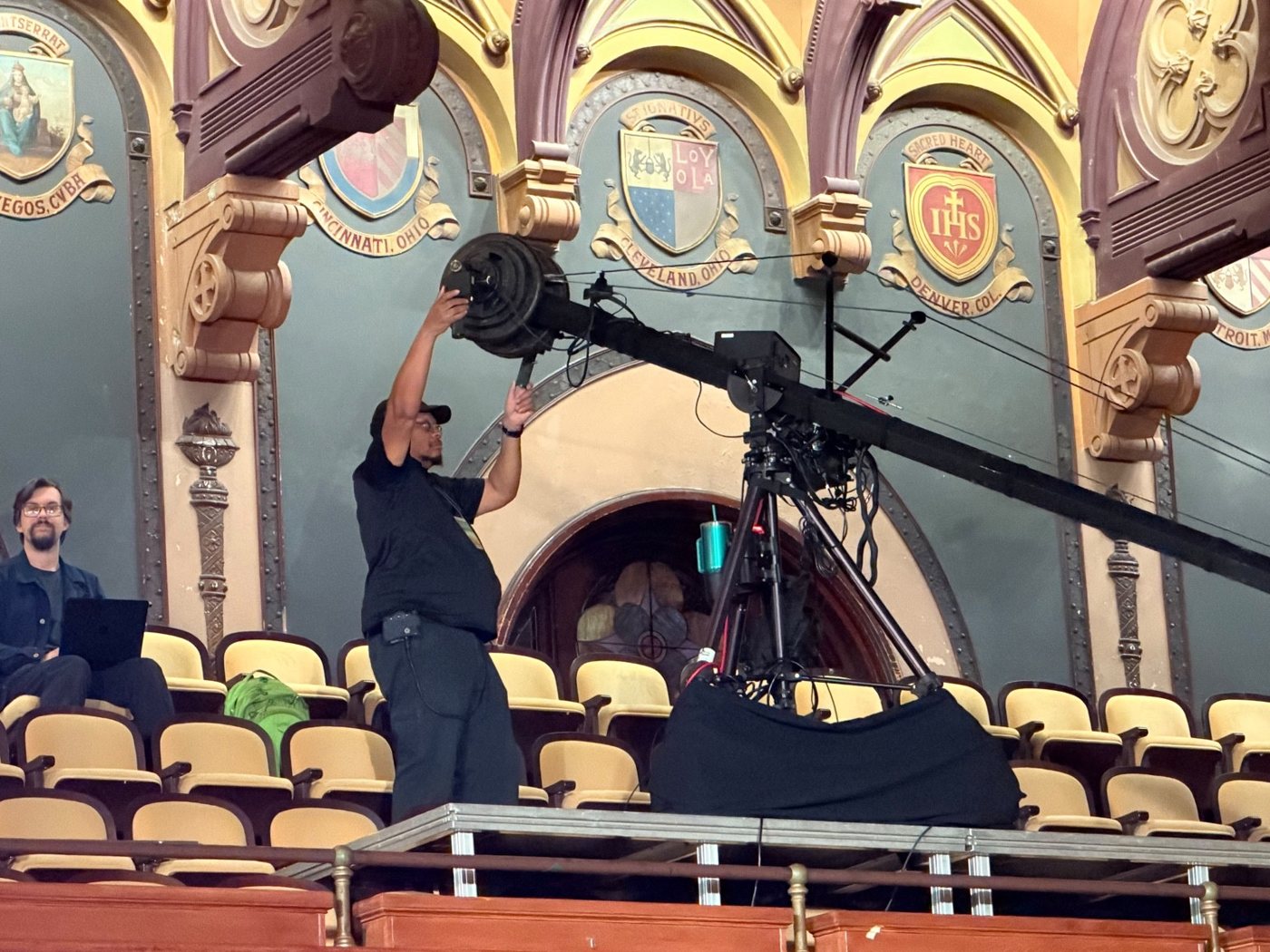
The approach combined the show team’s visual direction with the realities of the venue. Cameras, operators and movement equipment had to fit the hall while preserving the relationship between stage, panelists and audience.
Adapt the system to the hall
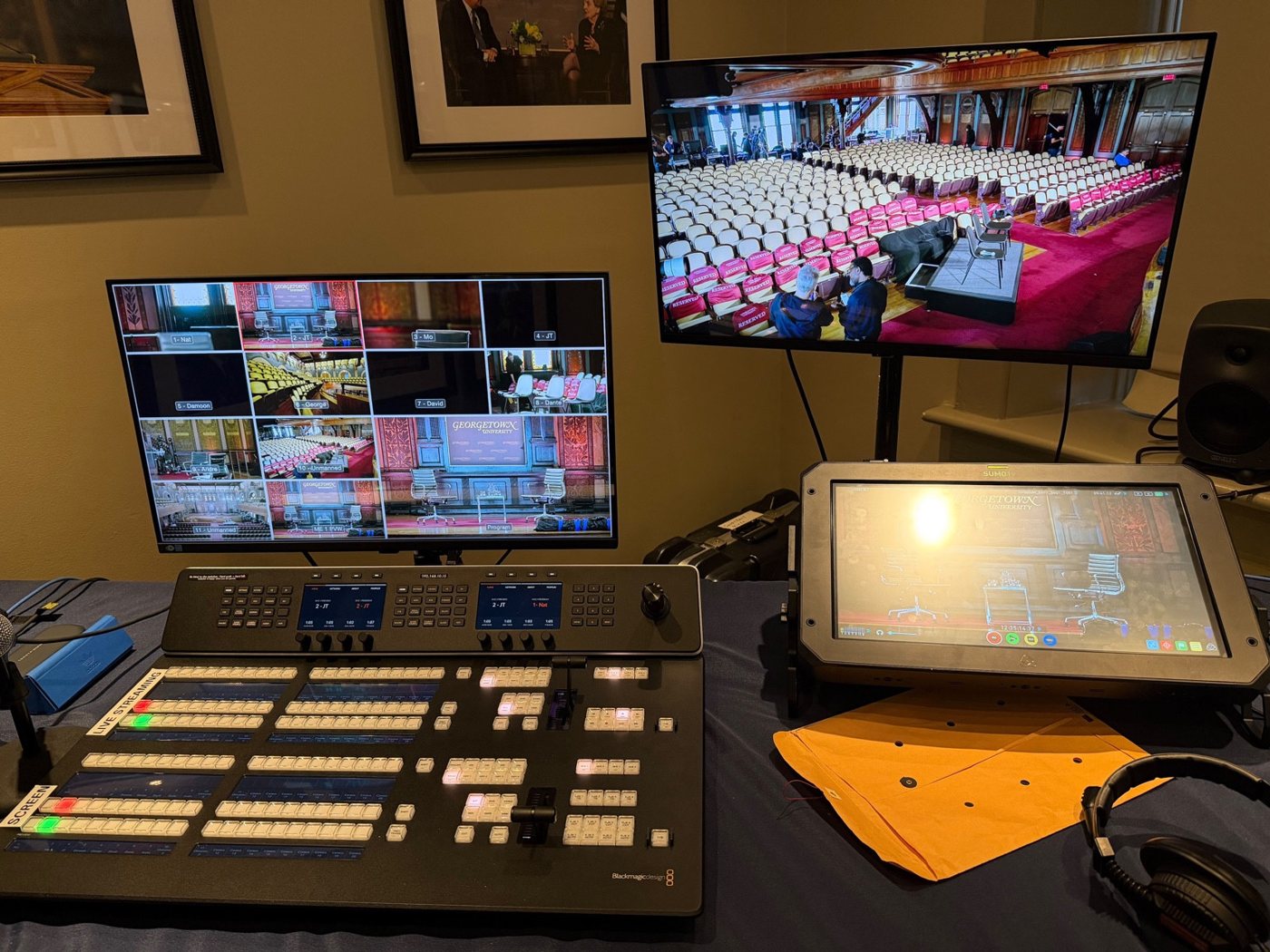
The technical plan was built around an 11-camera package, with a control room, live switching and recording designed to capture both the program and isolated camera feeds. Jib and other movement positions complemented the fixed views, giving the director different ways to establish the room and follow the conversation.
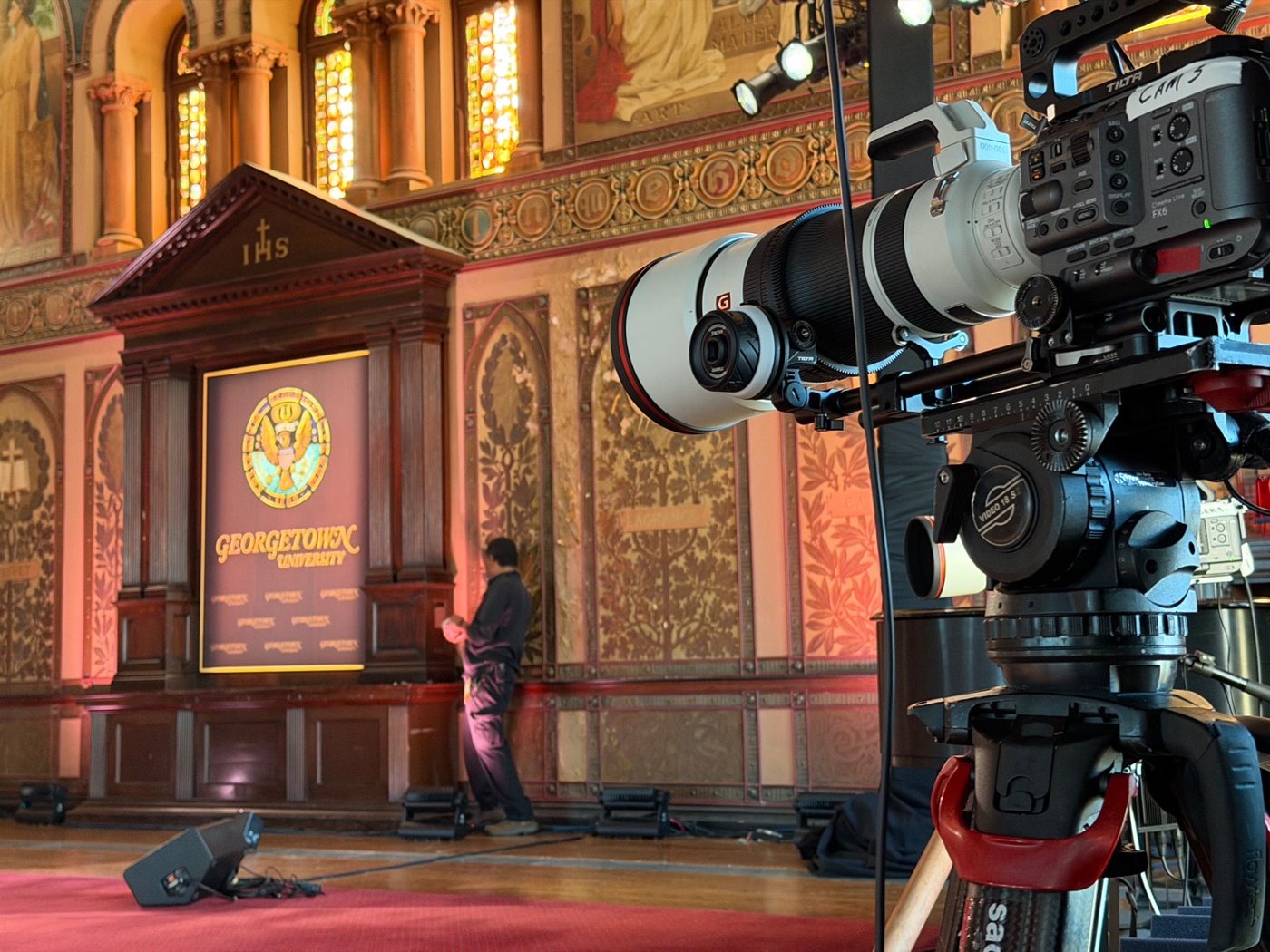
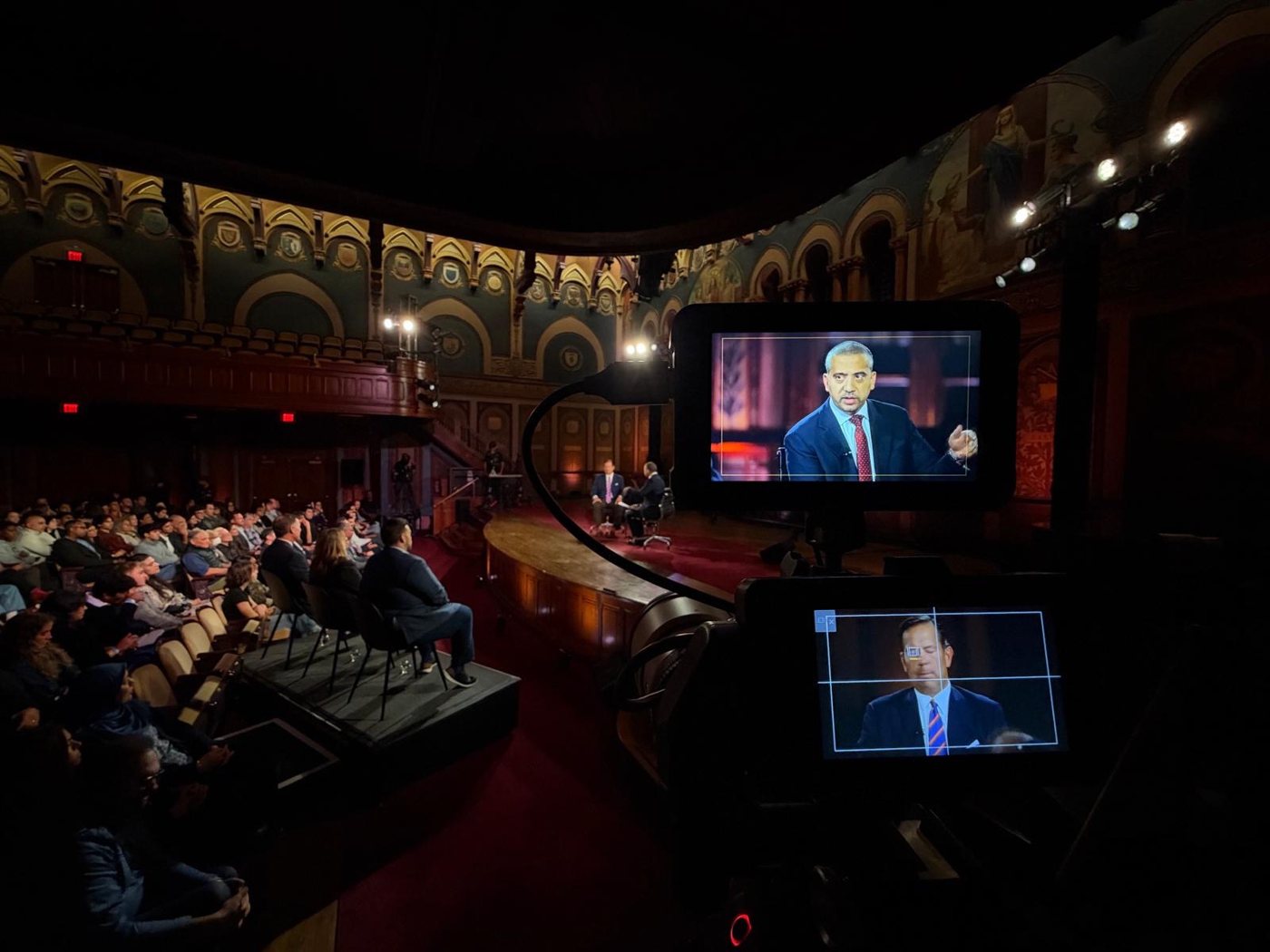
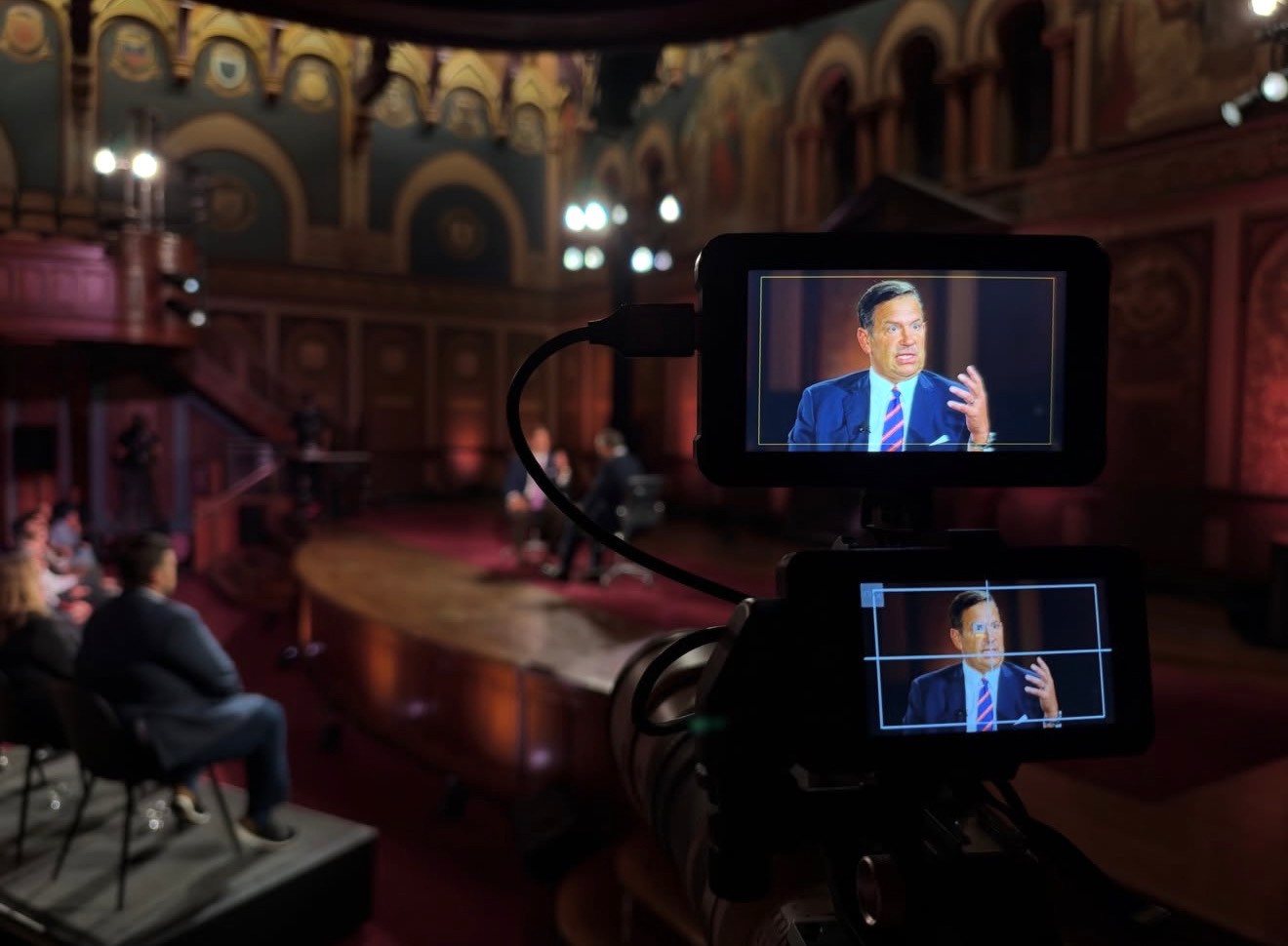
One practical issue emerged at the rear camera positions: long-lens shots were vulnerable to vibration. TriVision’s technical team arranged Mitchell-mount tripod support in response. The production client later confirmed that the special tripod had addressed the shaky-camera issue—a specific adjustment to the conditions in the room.
Monitoring connected the camera positions to the control room, where multiple views could be assessed together. The recording and media-transfer plan served the client’s subsequent postproduction; venue-approved specialists handled audio and lighting, while Al Jazeera’s director led the program.
The work was both planned and responsive: establish the coverage, check the environment, then adapt the support equipment where the live venue demanded it.
Two conversations, one coherent production
The Georgetown recordings brought the interview, audience and historic setting into one multicamera production. Close views kept attention on the exchange, while wider shots located the conversation within Gaston Hall. Behind the pictures, operators, monitoring and technical coordination supported the program’s established format.
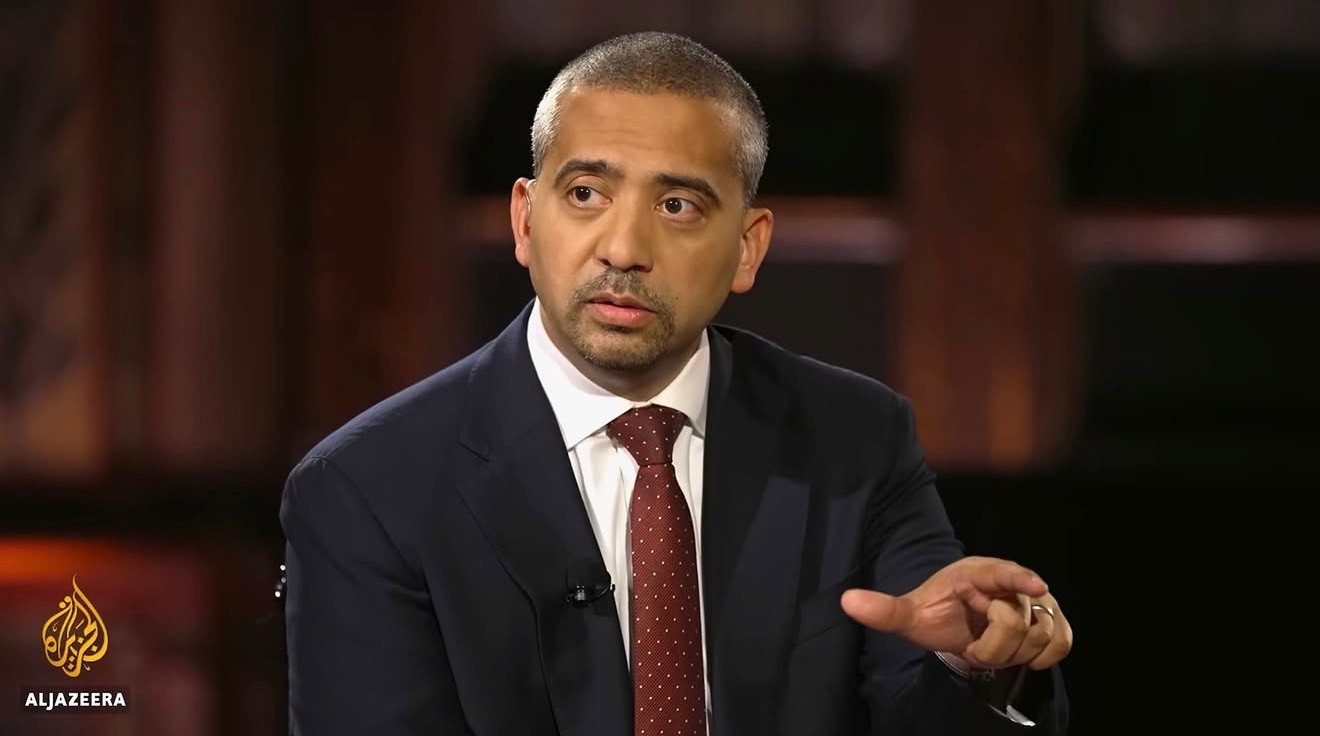
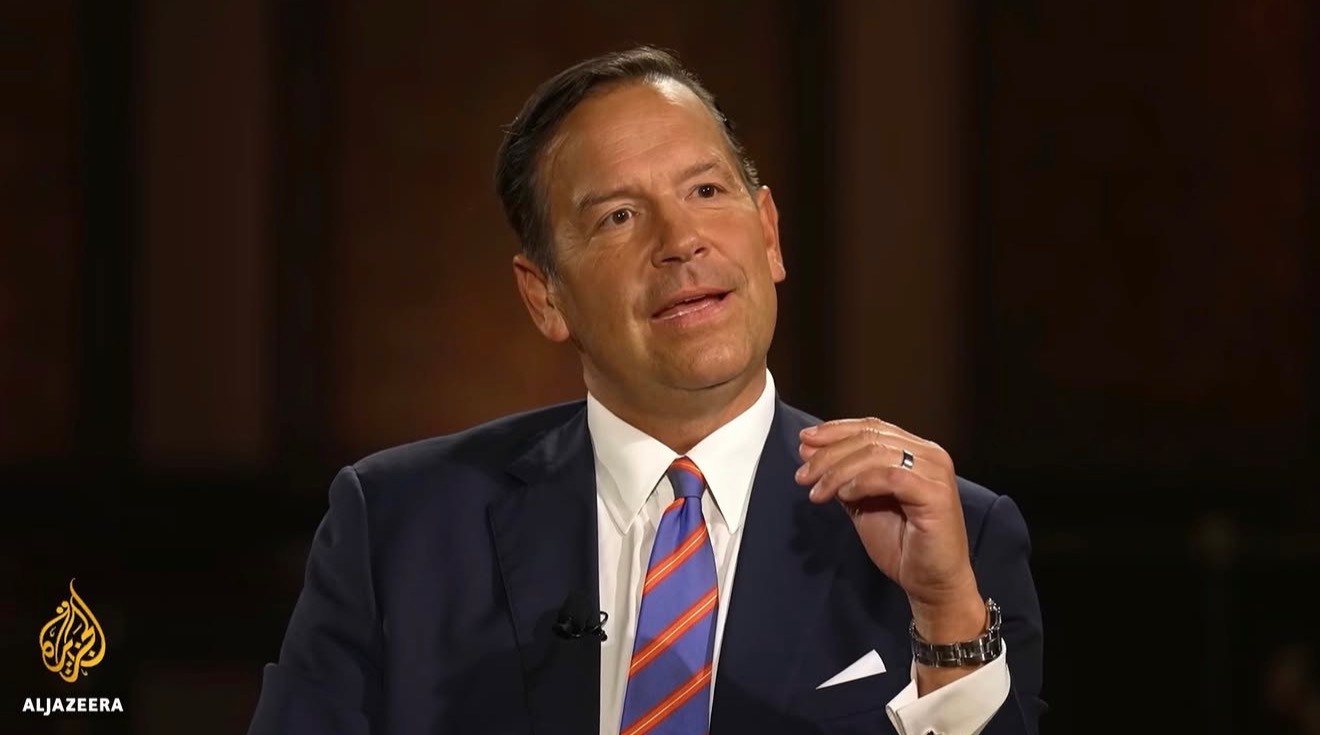
The resulting episodes were published by Al Jazeera: the Neera Tanden conversation on October 16 and the Steve Cortes conversation on October 23. Those public programs provide the clearest view of the finished editorial work, distinct from TriVision’s technical recording role.
For TriVision, the project demonstrated the value of early venue planning followed by practical on-site adaptation. The camera-support change turned a real location constraint into a workable technical solution, while the wider recording plan supported two episodes for an international interview series.
Watch both published episodes
Watch Head to Head with Neera Tanden
Recorded October 6; published October 16, 2026.
Read the episode page on Al Jazeera
Watch Head to Head with Steve Cortes
Recorded October 7; published October 23, 2026.
Read the episode page on Al Jazeera
Build around the conversation
Planning a broadcast interview, audience discussion or live-to-tape program? Explore TriVision’s multicamera video production and technical show capabilities.
Explore video production services · Talk show and podcast production · Contact TriVision Studios