Every powerful documentary begins with a story that demands to be told — and few cities offer a richer backdrop for that storytelling than Washington, DC. From the halls of Congress to grassroots advocacy organizations in Anacostia, from the monuments lining the National Mall to the research labs of Georgetown, DC is a city where policy, culture, and human experience collide every single day. If you are planning a documentary project, documentary video production in DC gives you unparalleled access to the people, places, and perspectives that make stories resonate on a national and global stage. According to the International Documentary Association, documentary viewership has grown by over 20% in the past five years, driven by streaming platforms and audience hunger for authentic, purpose-driven content. There has never been a better time to invest in documentary filmmaking — and there is no better city to do it in.
Why Washington, DC Is a Documentary Filmmaker’s Dream
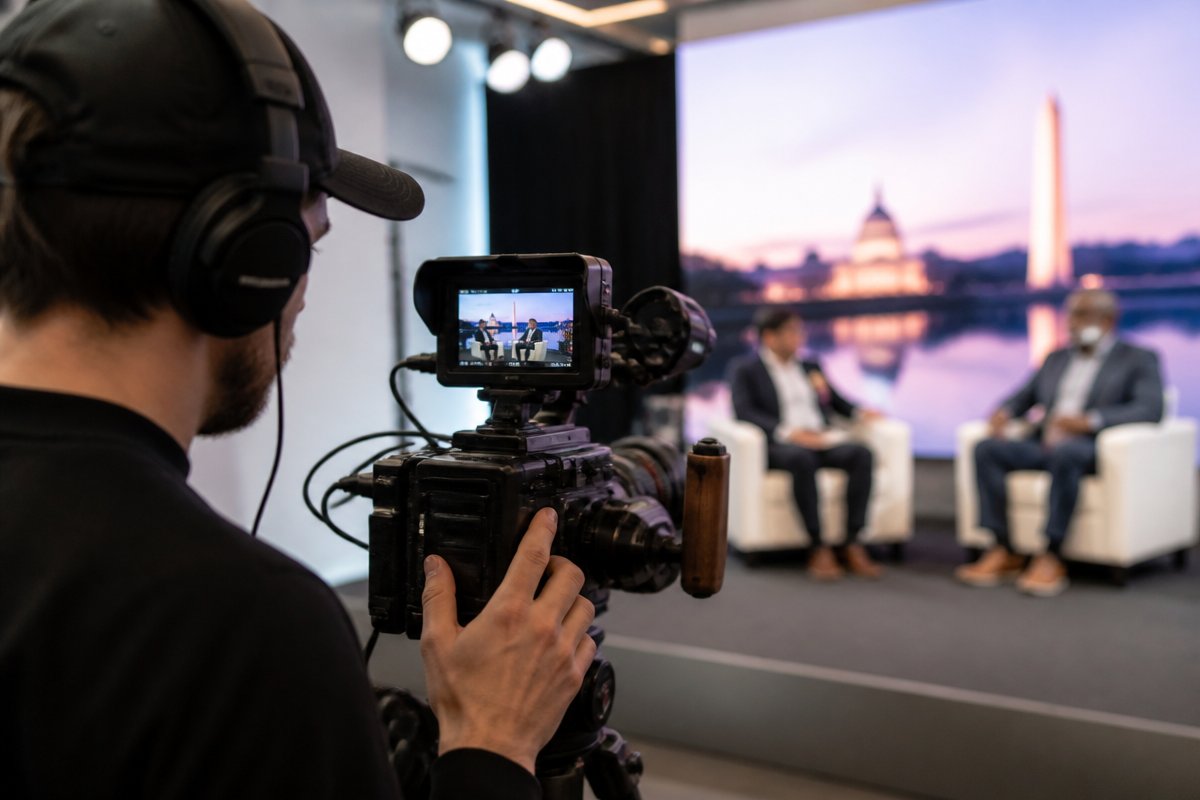
Documentaries thrive on authenticity, access, and context. Washington, DC delivers all three in abundance. Unlike any other American city, DC sits at the intersection of government, advocacy, international diplomacy, and cultural history. That convergence creates a storytelling ecosystem that is nearly impossible to replicate anywhere else.
Access to Policymakers and Decision-Makers
DC is home to the federal government, hundreds of embassies, and thousands of think tanks and policy organizations. When your documentary requires interviews with legislators, agency leaders, foreign diplomats, or policy experts, proximity matters. Being based in or producing from DC means:
- Shorter lead times for scheduling interviews with high-profile subjects
- The ability to capture B-roll at iconic government buildings, hearing rooms, and press briefings
- Access to a deep bench of subject-matter experts across virtually every policy area
A production team that knows the city can navigate the permitting processes for filming at federal buildings, coordinate with congressional offices, and move efficiently between locations — saving you time and budget.
A Hub for Advocacy and Nonprofit Storytelling
Washington is home to more nonprofit organizations and advocacy groups per capita than any other city in the United States. These organizations are constantly working on issues ranging from climate change and public health to education equity and veterans’ affairs. For documentary filmmakers, this means:
- Ready-made networks of passionate, articulate interview subjects
- Ongoing events, rallies, and conferences that provide dynamic, real-world footage
- Organizations eager to partner on documentary projects that amplify their missions
Many of the most impactful documentaries of the past decade have drawn on DC-based advocacy communities to ground their narratives in real, lived experience.
Historically Significant Locations
Few cities can match DC’s visual richness. The Lincoln Memorial, the Smithsonian museums, Arlington National Cemetery, the U Street corridor, the waterfront — each location carries layers of meaning that can deepen a documentary’s emotional impact without a single word of narration. A skilled production team knows how to use these locations not just as backdrops, but as narrative devices that reinforce your film’s themes.
The Documentary Production Process: From Concept to Final Cut
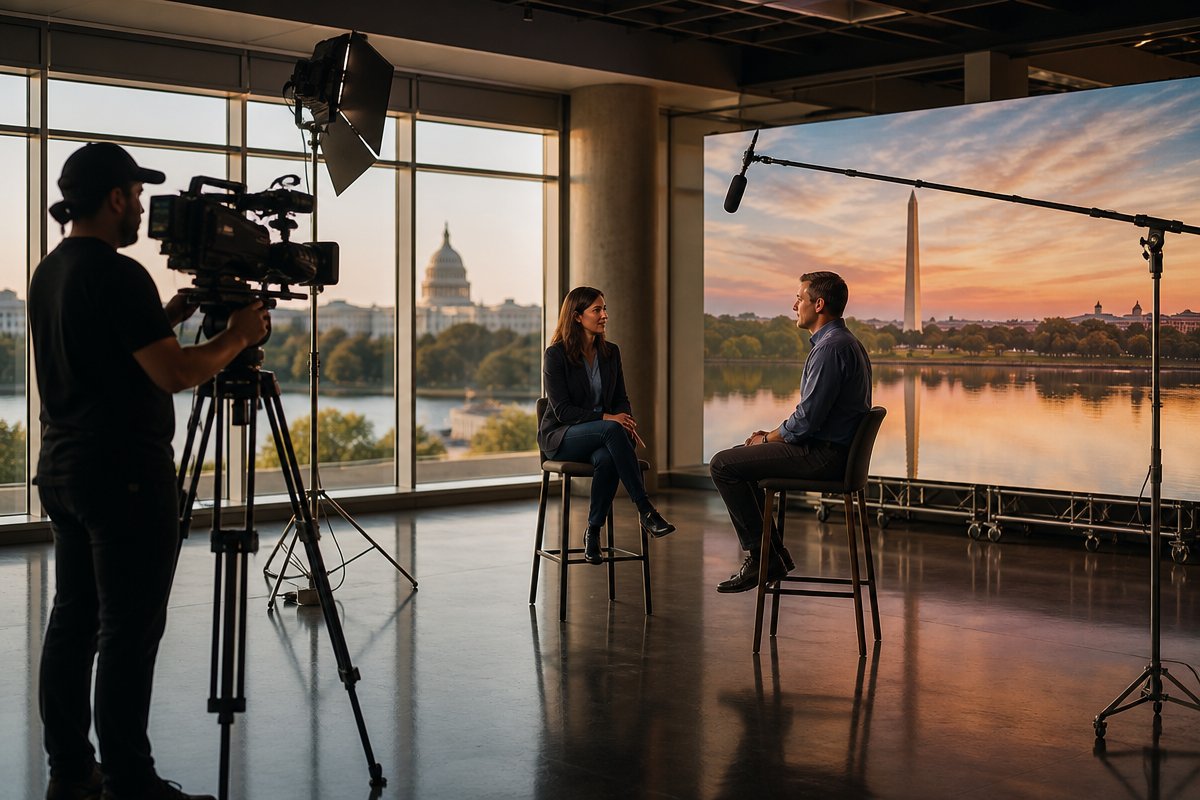
Producing a documentary is fundamentally different from producing a commercial or corporate video. Documentaries require longer timelines, more flexible shooting schedules, and a deep commitment to editorial integrity. Here is how a professional documentary production process typically unfolds in the DC area.
1. Development and Research
Every documentary starts with a question, a conflict, or a character. During the development phase, your production team works with you to:
- Define the core thesis or narrative arc of your documentary
- Identify key subjects, stakeholders, and interview candidates
- Conduct preliminary research to understand the landscape of your topic
- Develop a production timeline and budget
In DC, the development phase often includes outreach to government agencies, nonprofit partners, and academic institutions who can provide both access and context for your story.
2. Pre-Production Planning
Pre-production is where strategy meets logistics. This phase includes:
- Securing filming permits for government buildings, public spaces, and private venues
- Scouting locations across DC, Northern Virginia, and Maryland
- Scheduling interviews around the availability of high-profile subjects
- Assembling your crew — director of photography, sound engineer, producer, and field team
- Creating interview guides that draw out authentic, compelling responses
DC’s unique permitting requirements — particularly for filming on the National Mall, at federal buildings, or near embassies — make it essential to work with a production team that has established relationships with the relevant agencies and a track record of navigating these processes smoothly.
3. Principal Photography
This is where the story comes to life. Documentary filming in DC often involves a blend of:
- Sit-down interviews with policymakers, advocates, survivors, experts, and community members
- Verité footage capturing real events, protests, hearings, or organizational work as it happens
- B-roll and atmospheric shots of DC’s landmarks, neighborhoods, and streetscapes
- Archival integration using historical footage, photographs, and documents from DC’s world-class archives
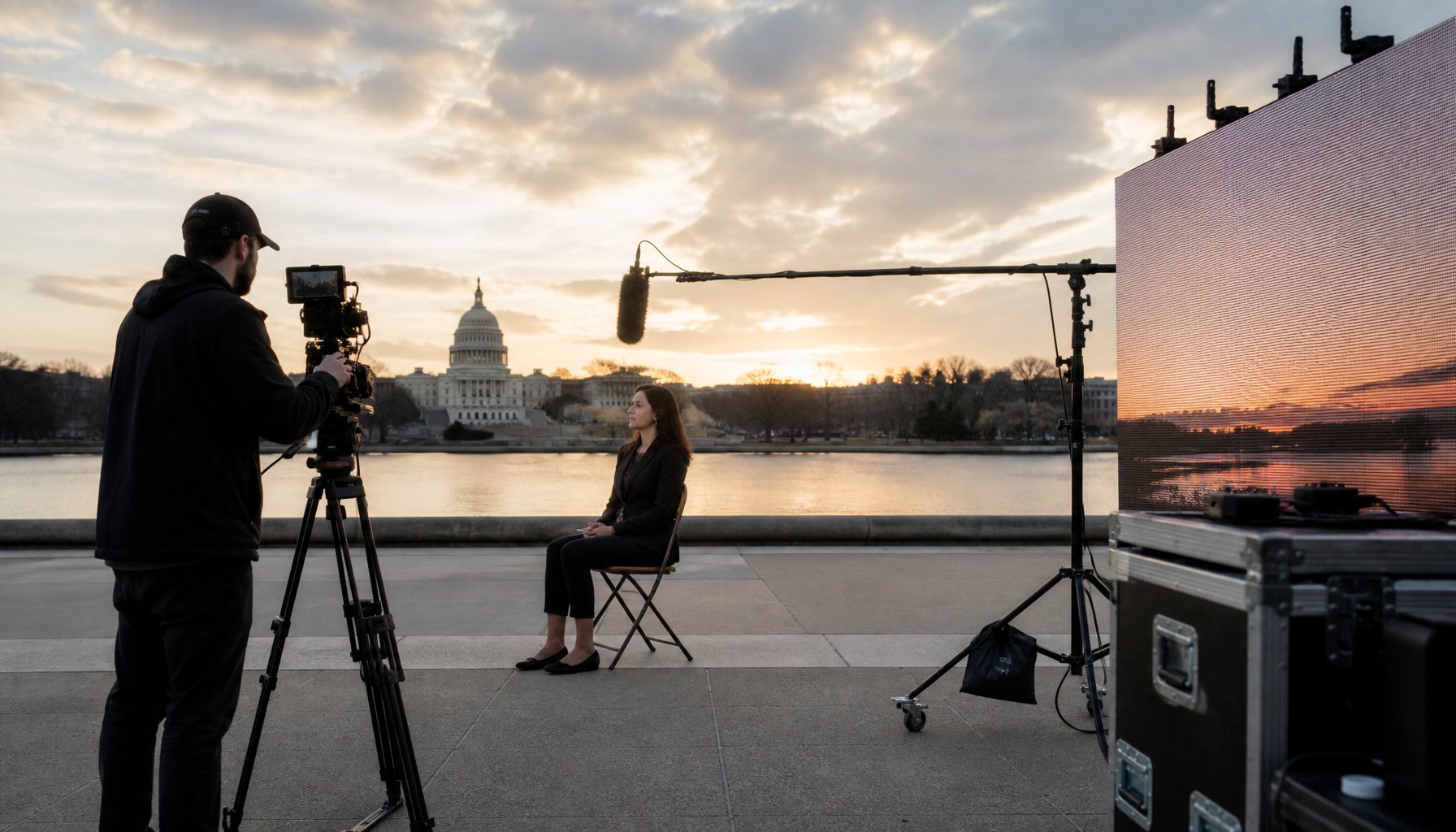
A seasoned DC production team understands the rhythm of the city — when the light is best on the Capitol dome, how to film unobtrusively at public events, and how to make interview subjects feel comfortable enough to share their most honest moments on camera.
4. Post-Production and Editing
Post-production is where raw footage becomes a finished film. This phase includes:
- Logging and organizing hundreds of hours of footage
- Building a narrative structure through rough cuts, fine cuts, and final edits
- Color grading to establish a consistent visual tone
- Sound design, mixing, and scoring
- Adding graphics, titles, and lower thirds
- Creating deliverables for different platforms — broadcast, streaming, festival submission, and social media
Great documentary editing is an art form. It requires a team that can find the emotional throughline in mountains of raw material and shape it into a story that moves audiences to think, feel, and act.
Types of Documentaries That Thrive in DC
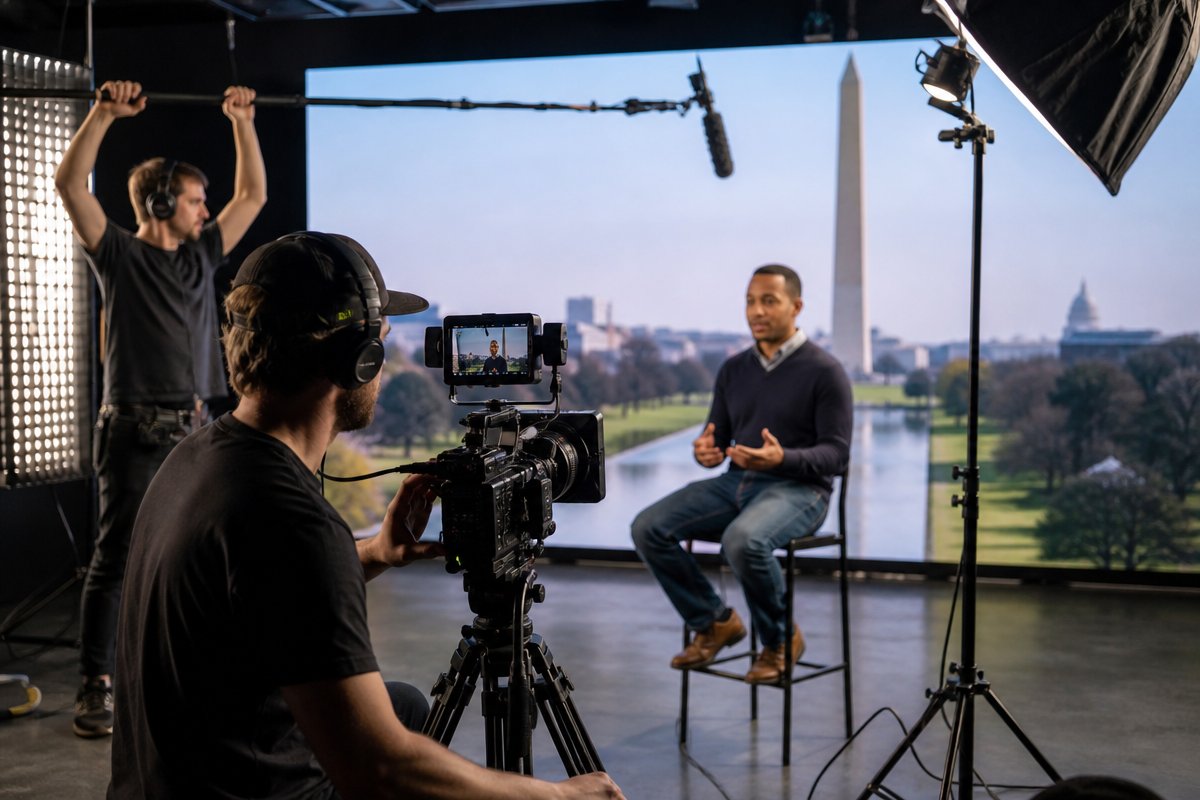
Not all documentaries are the same, and DC’s unique ecosystem supports a wide range of documentary styles and formats. Here are some of the most common types of documentary video production projects that come out of the DC area.
Advocacy and Issue-Based Documentaries
These films shine a light on social, political, or environmental issues and are often produced in partnership with nonprofit organizations or advocacy coalitions. DC’s concentration of advocacy groups makes it the natural home for this genre.
Historical Documentaries
With access to the National Archives, the Library of Congress, the Smithsonian, and countless other institutions, DC is an unmatched resource for historical documentary production. Whether you are exploring civil rights history, military history, or the story of a specific community, the archival resources available in DC are extraordinary.
Government and Policy Documentaries
From healthcare reform to national security, documentaries that explore how policy is made — and how it affects real people — benefit enormously from being produced in the city where those policies originate.
Profile and Portrait Documentaries
DC is full of remarkable individuals — activists, veterans, scientists, immigrants, artists — whose personal stories illuminate larger truths. Profile documentaries produced in DC often carry a weight and relevance that resonates far beyond the Beltway.
Branded and Corporate Documentaries
An increasing number of organizations are turning to documentary-style storytelling to communicate their mission, impact, and values. These branded documentaries blend cinematic quality with strategic messaging, and they are particularly effective for nonprofits, government agencies, and healthcare organizations based in the DC metro area.
What to Look for in a DC Documentary Production Partner
Choosing the right production company for your documentary is one of the most consequential decisions you will make. Here is what to prioritize.
- Documentary experience: Not every video production company has the editorial sensibility, patience, and storytelling skills required for documentary work. Look for a team with a proven portfolio of documentary projects.
- Local knowledge: A company embedded in the DC area will have existing relationships with permitting agencies, location contacts, and potential interview subjects. This local expertise saves time and money.
- End-to-end capability: From development and research through post-production and distribution strategy, you want a partner who can manage the entire process — not just show up with a camera.
- Sensitivity and editorial integrity: Documentaries often deal with sensitive subjects. Your production partner should demonstrate a commitment to ethical storytelling, informed consent, and respectful treatment of subjects.
- Technical excellence: Cinematic camera work, professional lighting, pristine audio capture, and polished editing are non-negotiable. Your documentary should look and sound as good as the story it tells.
Frequently Asked Questions About Documentary Video Production in DC
How long does it take to produce a documentary in DC?
Timelines vary widely depending on the scope of the project. A short-form documentary of 10 to 20 minutes might take three to six months from development to delivery. A feature-length documentary can take 12 to 24 months or longer, particularly if the story unfolds in real time or requires extensive archival research. Working with an experienced DC production team helps streamline the process without compromising quality.
How much does documentary video production in DC cost?
Documentary budgets depend on the length, complexity, number of shooting days, travel requirements, and post-production needs. Short-form documentaries typically start in the range of $15,000 to $50,000, while feature-length projects can range from $75,000 to several hundred thousand dollars. A reputable production company will work with you to develop a realistic budget that aligns with your goals and resources.
Do I need special permits to film a documentary in Washington, DC?
Yes. Filming on the National Mall, at federal buildings, and in many public spaces in DC requires permits from agencies such as the National Park Service or the General Services Administration. Filming on DC public streets and sidewalks may require permits from the DC Office of Motion Picture and Television Development. An experienced local production team will handle all permitting on your behalf.
Can a documentary be used for marketing or fundraising?
Absolutely. Many organizations commission documentaries specifically to support fundraising campaigns, advocacy efforts, or brand awareness. A well-produced documentary can be excerpted into shorter clips for social media, used in grant applications, screened at events, and submitted to film festivals — maximizing your investment across multiple channels.
What makes DC different from other cities for documentary production?
DC offers a unique combination of access to government officials and policymakers, a dense ecosystem of nonprofit and advocacy organizations, world-class archival and research institutions, and visually iconic locations that carry deep historical significance. No other American city provides this same convergence of elements, which is why so many of the most impactful documentaries are researched, filmed, or produced in the DC area.
Tell Your Story Where It Matters Most
Washington, DC is more than a setting — it is a character in the story of American life. Whether you are documenting a social movement, profiling a change-maker, exploring a policy issue, or telling the origin story of your organization, documentary video production in DC puts you at the center of the action, with access to the people, places, and archives that make stories powerful and lasting.
TriVision Studios is a full-service video production company based in the DC metro area with deep experience in documentary filmmaking. From initial concept development through final delivery, our team brings cinematic storytelling, local expertise, and a commitment to impact-driven content to every project. Contact TriVision Studios to start planning your documentary today.