Your message matters — but only if people actually hear it, feel it, and act on it. That is the challenge every government agency and nonprofit faces when launching a public service announcement. According to the Ad Council, effective PSA campaigns can shift public awareness by as much as 30% and drive measurable behavior change in target communities. But getting there requires more than a good script and a camera. It requires partnering with a PSA video production company that understands the unique stakes, compliance requirements, and emotional precision these campaigns demand.
Whether you are raising awareness about public health, community safety, disaster preparedness, or social equity, the difference between a PSA that fades into background noise and one that sparks a movement comes down to how it is made. This guide walks government agencies and nonprofits through every phase of producing public service announcements that genuinely drive awareness and behavior change — from concept to distribution.
What Makes PSA Video Production Different from Standard Advertising
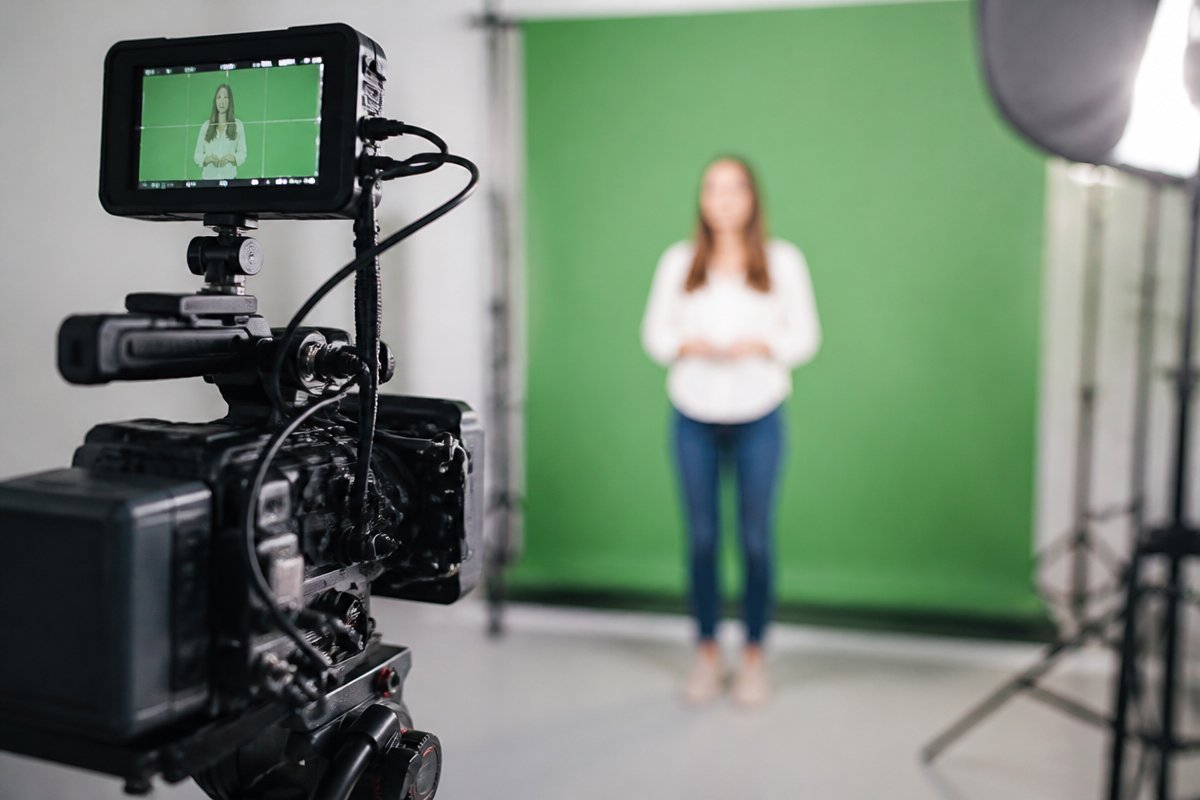
Public service announcements share some DNA with traditional commercials, but the similarities end quickly. PSAs are not selling products. They are changing minds, shifting cultural norms, and sometimes saving lives. That fundamental difference shapes every creative and logistical decision in the production process.
Mission-Driven Messaging Over Sales Tactics
A corporate ad can rely on aspirational branding or catchy jingles. A PSA must earn trust in seconds. Audiences are being asked to change deeply personal behaviors — how they drive, what they eat, whether they seek medical help, how they treat their neighbors. The messaging has to be rooted in empathy and credibility, not persuasion tricks.
Regulatory and Compliance Considerations
Government agencies in particular face strict guidelines around accessibility, accuracy, and representation. PSAs often need to meet Section 508 compliance, include closed captioning, accommodate multiple languages, and ensure that every claim is backed by verified data. A production company unfamiliar with these requirements can create costly delays or compliance failures.
Broadcast and Platform Standards
If your PSA is destined for broadcast television, it must meet specific technical standards set by networks and the FCC. Digital-first PSAs for social media platforms have their own formatting requirements — aspect ratios, duration limits, caption specifications. A seasoned PSA video production company navigates these requirements as a matter of routine.
- Broadcast PSAs: Typically 15, 30, or 60 seconds with strict technical delivery specs
- Digital PSAs: Optimized for platforms like YouTube, Instagram, Facebook, and TikTok with varying aspect ratios
- Internal/Educational PSAs: Longer format content designed for training environments, town halls, or community screenings
The Anatomy of a PSA That Actually Changes Behavior
Decades of research in behavioral science and communications tell us that effective PSAs share a consistent set of characteristics. Understanding these principles before you enter pre-production will save your organization time, budget, and — most importantly — ensure your message lands.
Start with a Clear Behavioral Objective
The most common mistake in PSA production is starting with a topic instead of a target behavior. There is a critical difference between a PSA about texting and driving and a PSA designed to get drivers aged 16 to 24 to place their phone in the glove compartment before starting the engine. The more specific the desired action, the more effective the campaign.
Lead with Emotion, Support with Facts
Research from the University of Pennsylvania’s Annenberg School found that PSAs combining emotional storytelling with clear factual information outperform those relying on emotion or facts alone. The emotional hook captures attention and creates personal relevance. The factual support provides the rational justification people need to actually change.
Feature Authentic Voices
Audiences are increasingly resistant to polished, institutional messaging. PSAs featuring real community members, actual patients, genuine first responders, or authentic testimonials consistently outperform those using actors — particularly in communities that have historical reasons to distrust institutional communications.
Include an Unmistakable Call to Action
Every second of your PSA should build toward one clear action. Visit a website. Call a hotline. Get screened. Talk to your kids. Register for a program. If a viewer watches your entire PSA and does not know exactly what to do next, the production has failed regardless of how beautiful it looks.
How to Choose the Right PSA Video Production Company
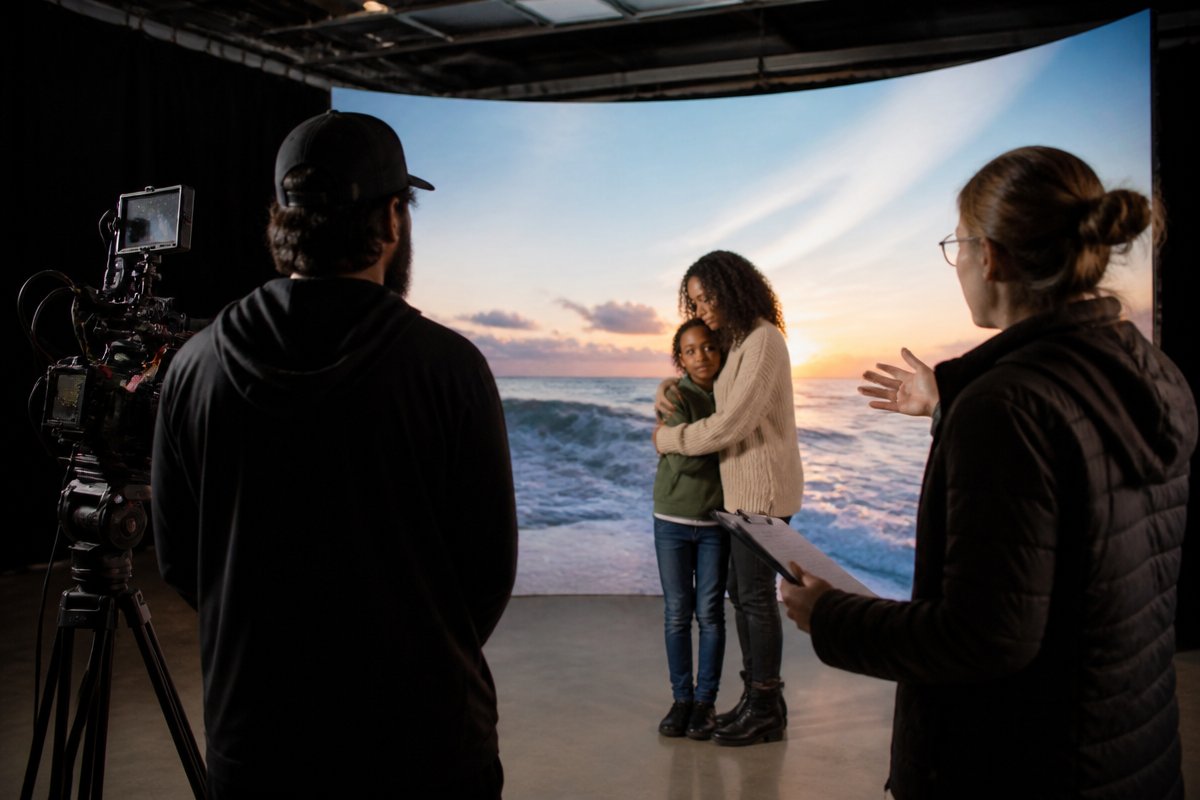
Not every video production company is equipped to handle PSA work. The stakes are different, the approval processes are more complex, and the creative approach requires a specific kind of discipline. Here is what to look for when evaluating partners.
Experience with Government and Nonprofit Clients
Ask for case studies and references from organizations similar to yours. A company that has navigated federal procurement processes, managed multi-stakeholder approval chains, and produced content under compliance constraints will save you significant headaches. Production companies like TriVision Studios have deep experience producing PSA and commercial content for government agencies and nonprofits across Washington DC, Northern Virginia, and Maryland — which means they understand the unique operational realities these organizations face.
Full-Service Capabilities
PSA production is not just filming. It encompasses strategic messaging development, scriptwriting, casting, location scouting, filming, animation, post-production, sound design, color grading, captioning, and format delivery for multiple platforms. Look for a company that handles the entire pipeline rather than outsourcing critical phases to unknown subcontractors.
Strategic Thinking Beyond Production
The best PSA production partners will push back on your brief — respectfully — when the messaging strategy needs refinement. They will ask hard questions about your target audience, distribution plan, and measurement framework before a single camera is set up. This strategic layer is what separates a vendor from a true creative partner.
- Do they ask about your target audience demographics and psychographics?
- Do they help you refine the behavioral objective?
- Do they plan for multiple formats and platforms from the start?
- Do they understand accessibility and compliance requirements?
- Can they provide post-campaign analytics support?
The PSA Production Process: What to Expect from Start to Finish
Understanding the production workflow helps agencies and nonprofits plan realistic timelines, allocate budgets effectively, and participate meaningfully at each stage. Here is what a professional PSA production process looks like.
Phase 1: Discovery and Strategy
This phase typically takes one to two weeks and involves deep-dive conversations about your mission, audience, distribution channels, budget, and desired outcomes. The production company should conduct audience research, review any existing campaign materials, and collaborate with your team on a creative brief that locks in the behavioral objective, tone, and key messages.
Phase 2: Creative Development
With the strategy locked, the creative team develops concepts, writes scripts, creates storyboards, and plans the visual approach. For PSAs, this phase often involves more internal review cycles than commercial projects because multiple stakeholders — communications directors, legal teams, subject matter experts, and sometimes elected officials — need to sign off.
Phase 3: Pre-Production
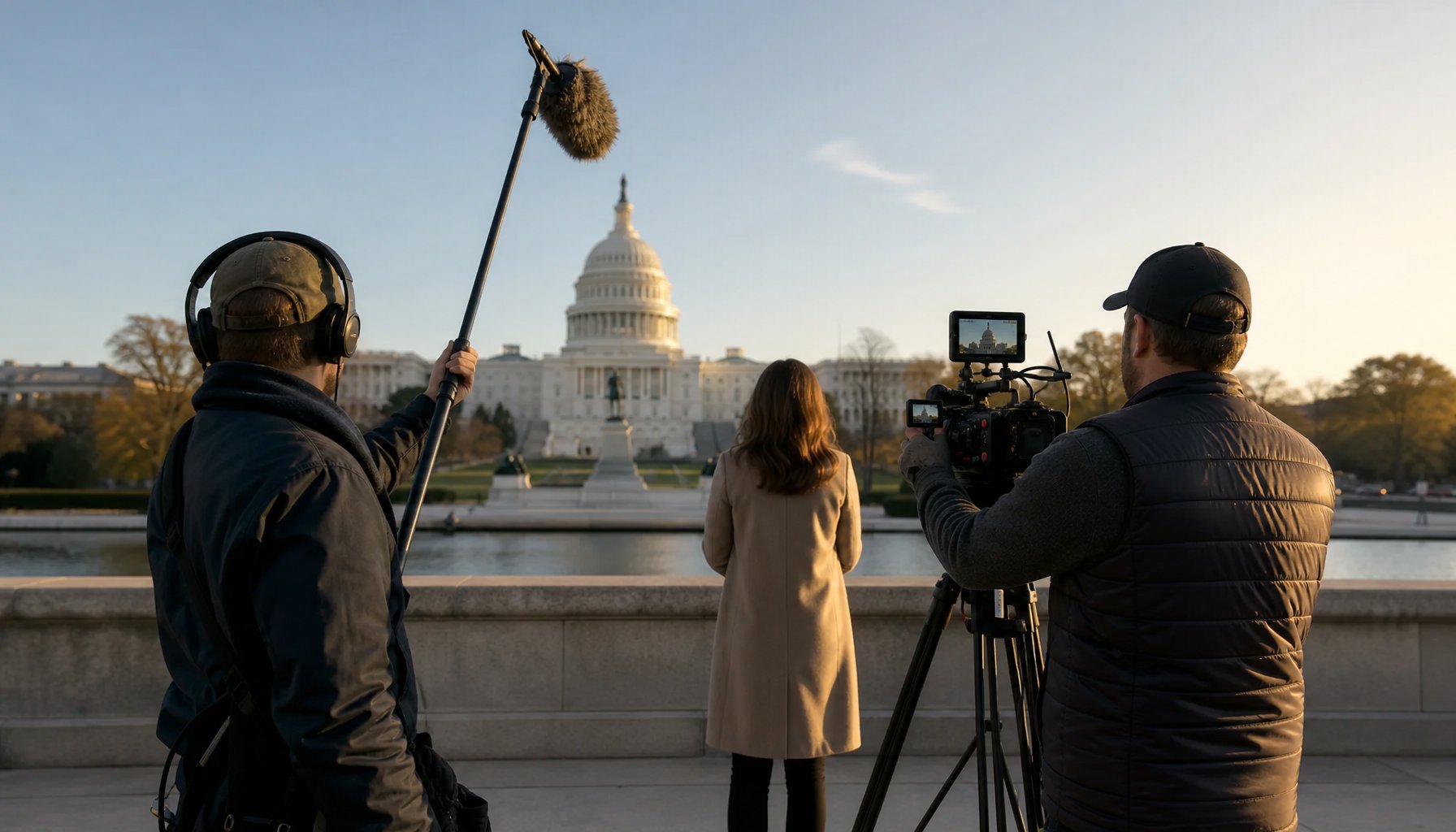
This is where logistics come together: casting talent or identifying real people to feature, scouting and securing locations, planning the shot list, arranging equipment, and scheduling the shoot. For government PSAs filming in Washington DC, this may also involve securing permits for public locations and coordinating with security protocols.
Phase 4: Production
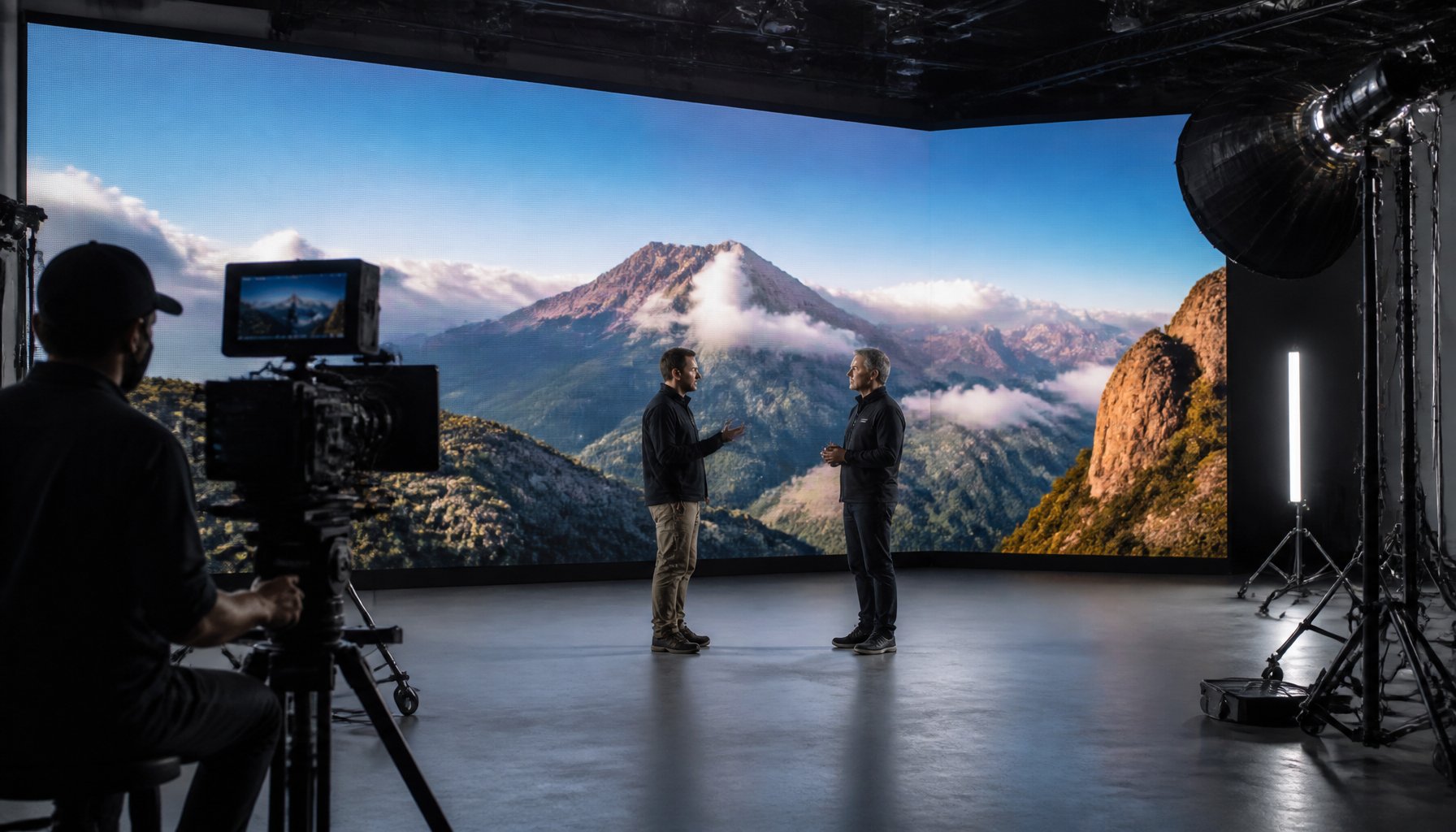
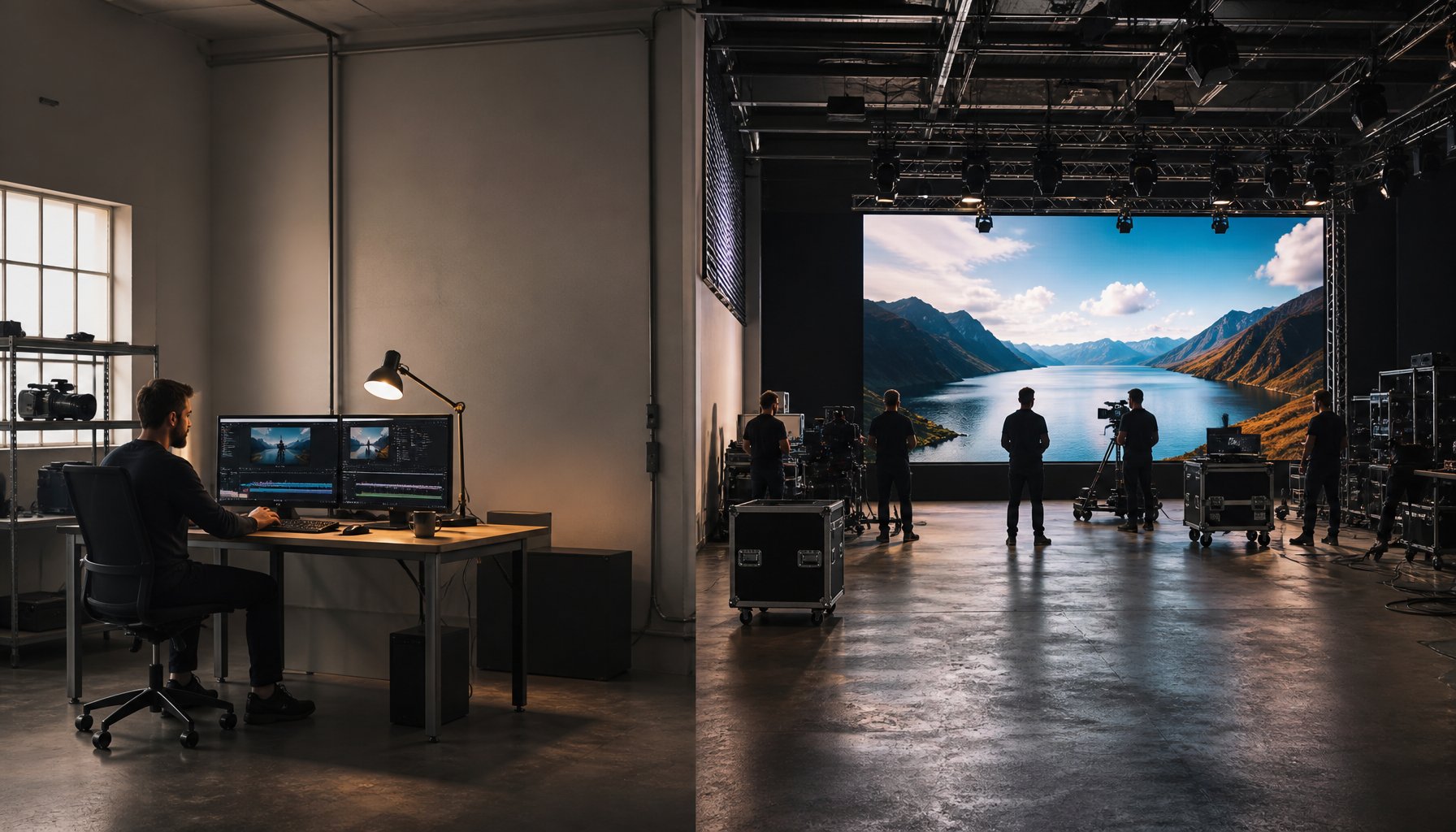
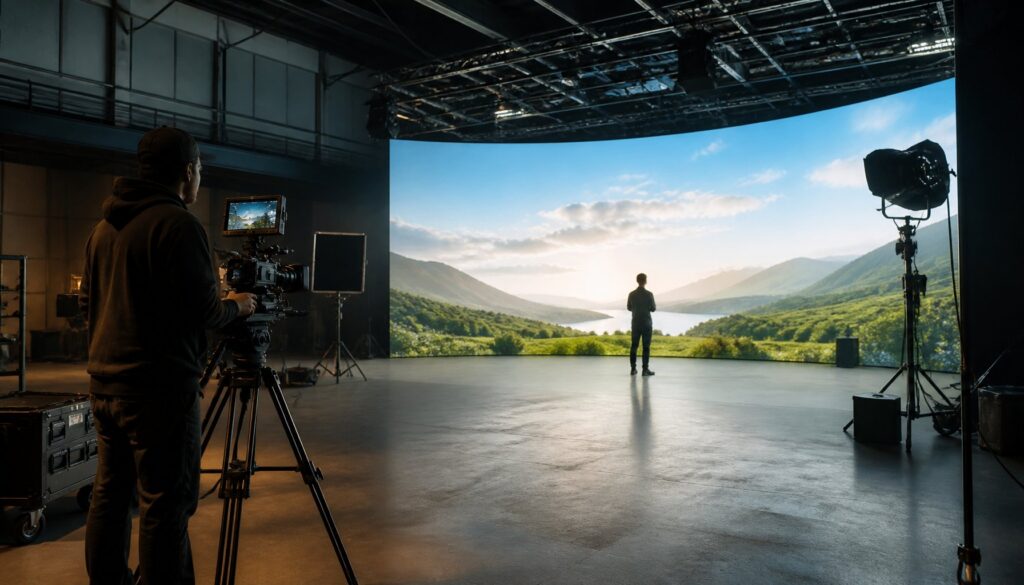
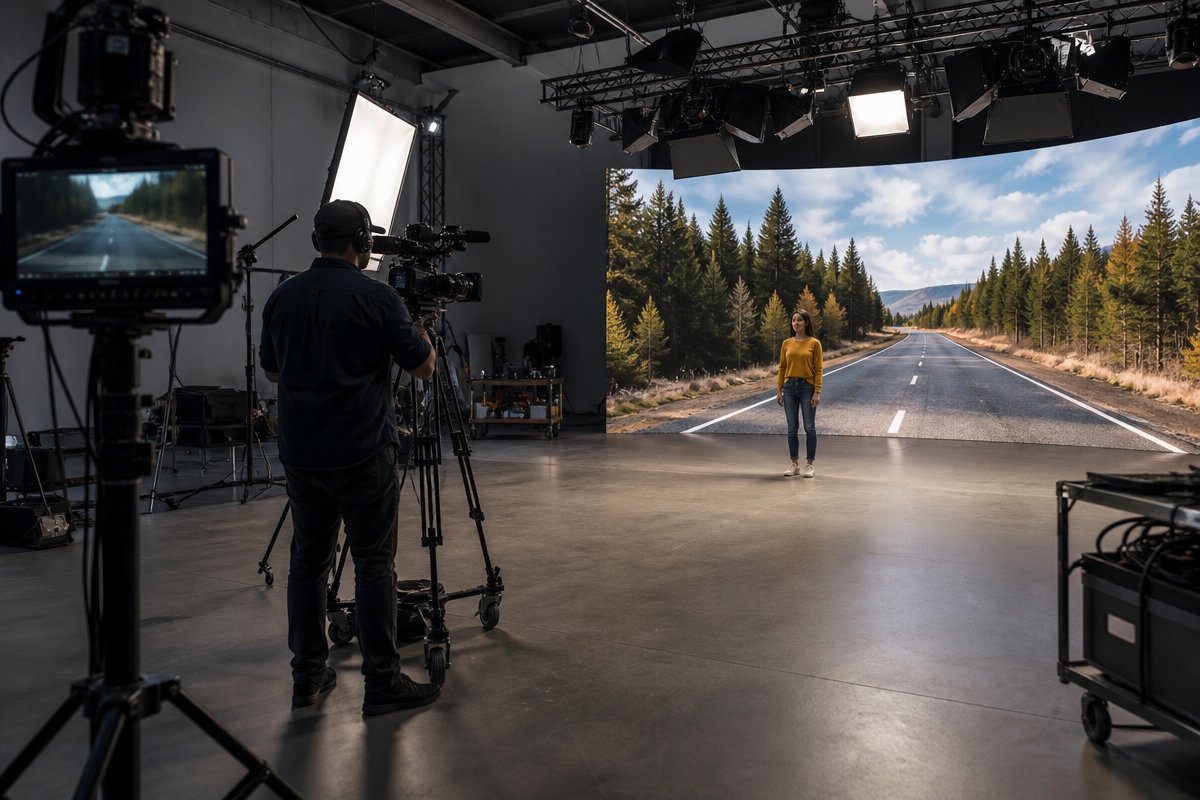
Shoot days are where months of planning come to life. A professional PSA production typically requires one to three shoot days depending on complexity, number of locations, and whether the campaign includes multiple versions for different audiences. Studio production on a controlled stage — particularly one equipped with LED wall technology for virtual environments — can dramatically reduce location costs and shoot days.
Phase 5: Post-Production
Editing, color grading, sound design, music licensing, motion graphics, closed captioning, and final mastering for all required delivery formats. For multi-platform campaigns, this phase also includes creating cutdowns — shorter versions of the primary spot optimized for social media, pre-roll advertising, and digital display.
Phase 6: Delivery and Distribution Support
The final deliverables should arrive ready for every planned distribution channel, properly formatted and technically compliant. Strong production partners also help with media distribution strategy, including submitting PSAs to broadcast networks, uploading to digital platforms, and providing assets for earned media outreach.
PSA Production in Washington DC: Why Location Matters
Washington DC is the epicenter of government communications and national nonprofit advocacy. Producing your PSA in the DC metro area offers distinct strategic advantages that go beyond convenience.
Proximity to Decision Makers and Subject Matter Experts
When your PSA involves federal health policy, national security awareness, or civil rights advocacy, being in DC means you have direct access to the experts, officials, and community leaders who can lend credibility and authenticity to your content. Real interviews with real officials, filmed on location in recognizable DC settings, carry weight that studio-only productions cannot replicate.
Iconic Visual Backdrops
The National Mall, Capitol Hill, the Smithsonian museums, the neighborhoods of Northern Virginia and Maryland — these locations are visually powerful and instantly recognizable to national audiences. They communicate gravity and authority, which reinforces the seriousness of your message.
A Deep Talent Pool
The DC metro area is home to experienced on-camera talent, voiceover artists, translators, and accessibility specialists who routinely work on government and nonprofit content. This local expertise means faster casting, lower travel costs, and professionals who already understand the tone and standards your project requires.
Frequently Asked Questions About PSA Video Production
How much does it cost to produce a professional PSA?
PSA production costs vary widely based on scope, but most professional public service announcements range from $10,000 to $75,000 or more. A simple studio-based PSA with one or two speakers will fall on the lower end. A multi-location, multi-character campaign with animation, licensed music, and broadcast-quality finishing will be higher. The key is aligning your budget with your distribution strategy — a PSA destined for national broadcast needs a different investment level than one designed for internal use or social media.
How long does it take to produce a PSA from start to finish?
A typical PSA production timeline runs four to eight weeks from kickoff to final delivery. More complex campaigns — particularly those involving government approval chains, multiple languages, or extensive post-production — can take eight to twelve weeks. The single biggest factor in timeline is the approval process. Streamlining internal reviews and designating a single point of approval can shave weeks off the schedule.
Can a PSA be effective on social media, or does it need to air on television?
Absolutely. In 2026, some of the most effective PSA campaigns are digital-first, designed specifically for social media consumption. Platforms like YouTube, Instagram, TikTok, and Facebook offer precise audience targeting that broadcast cannot match. Many organizations now produce PSAs in multiple formats simultaneously — a 30-second broadcast version alongside 15-second and 6-second social cutdowns, plus a longer two-minute version for website and earned media use.
What makes a PSA different from a regular commercial?
The core difference is intent. Commercials are designed to sell products or services. PSAs are designed to educate the public and drive behavior change for the common good. This distinction affects everything from tone and creative approach to distribution — many broadcast networks and digital platforms offer free or discounted airtime for PSAs that meet specific public interest criteria. However, the production quality should be identical. Audiences do not lower their standards just because the content is mission-driven.
Do we need to hire actors, or can we use real people in our PSA?
Both approaches work, and the best choice depends on your message and audience. Real people — actual patients, community members, first responders, or program beneficiaries — bring authenticity that is extremely difficult to manufacture with actors. However, actors provide consistency, can handle complex scripts and multiple takes more efficiently, and eliminate privacy concerns. Many effective PSAs combine both: real testimonials interwoven with professionally performed dramatic segments.
How do we measure whether our PSA actually worked?
Measurement should be built into the campaign from the beginning. Common metrics include aided and unaided awareness surveys before and after the campaign, website traffic and hotline call volume, social media engagement and sharing rates, and direct behavioral data when available. For example, a PSA promoting a vaccination program can measure appointment bookings. A PSA about distracted driving can track traffic incident data in target regions. Your production partner should help you define KPIs during the strategy phase so that every creative decision supports measurable outcomes.
Make Your Message Matter
A public service announcement is one of the most powerful communication tools available to government agencies and nonprofits. Done right, it reaches millions, shifts perceptions, and drives the kind of behavior change that policy alone cannot achieve. Done poorly, it wastes budget and — worse — wastes the attention of the very audience you need to reach.
The difference comes down to your production partner. You need a PSA video production company that brings strategic thinking, creative excellence, technical precision, and deep experience with mission-driven organizations. TriVision Studios has been that partner for leading agencies and nonprofits across Washington DC, Northern Virginia, Maryland, and beyond — producing PSA content that meets the highest broadcast and digital standards while staying true to the missions that matter most.
Ready to create a PSA that actually makes an impact? Contact TriVision Studios to start a conversation about your campaign.