

If there’s one thing the COVID-19 pandemic made crystal clear, it’s that trust is the foundation of healthcare. Patients want more than clinical accuracy—they want confidence, connection, and clarity.
In a world still grappling with the aftershocks of COVID-19, healthcare branding has emerged as a critical tool not just for reputation management, but for long-term resilience and growth. Whether you’re a hospital, clinic, nonprofit, or healthtech startup, how you position your brand will determine how you’re perceived—and whether patients feel safe turning to you.
This blog explores why a strong medical brand strategy matters now more than ever, what patients expect post-pandemic, and how creative tools like video production, digital storytelling, and design can strengthen trust in an age of uncertainty.
The New Healthcare Landscape: Trust Is the Currency
Before COVID-19, healthcare branding was often relegated to logos, signage, and brochures. Post-COVID, it’s about something deeper: credibility, compassion, and clarity in every interaction.
What Changed?
Misinformation skyrocketed. Patients now question what’s true and who to believe.
Telehealth became the norm. Digital-first impressions are now everything.
Mental health surged in priority. Patients seek brands that feel human and empathetic.
Diversity and equity came front and center. Inclusive messaging is no longer optional.
The result? A demand for healthcare brands to be transparent, culturally competent, visually clear, and emotionally trustworthy.
What Is Healthcare Branding, Really?
It’s more than just a visual identity. At its core, healthcare branding is how people perceive your values, mission, and reliability.
A Strong Healthcare Brand Includes:
Clear, consistent messaging
Professional and patient-centered design
A recognizable and trustworthy voice
Emotional resonance in marketing materials
Accessible, user-friendly digital touchpoints
In healthcare, your brand isn’t just how you look—it’s how patients feel about you before, during, and after care.
Why Branding Now Means Patient Trust
When someone is choosing a doctor, downloading a telehealth app, or enrolling in a clinical trial, they’re asking themselves:
“Can I trust this provider with my health and safety?”
A strong brand answers that with a resounding “yes.”
According to a 2023 Healthgrades survey:
71% of patients say brand perception influences their choice of provider
63% say video content helps build trust with healthcare brands
80% say they are more likely to engage with a provider whose messaging feels human and clear
That means your brand strategy isn’t just a marketing effort—it’s a clinical tool for increasing engagement, retention, and outcomes.
TriVision produced an ad for Persona Doctors that used honest, straightforward language to address prescription medications for patients.
The Role of Video and Visual Content in Post-COVID Branding
One of the biggest shifts in the last five years is the rise of visual-first communication.
Patients no longer rely on paper pamphlets or static web pages. They expect content that feels modern, engaging, and easy to digest.
How Healthcare Video Production Helps:
Explainer Videos simplify complex medical procedures or services
Patient Testimonials humanize your brand and build emotional trust
Motion Graphics improve understanding for older adults or low-literacy audiences
Virtual Tours introduce patients to your facilities or services from home
Training Videos standardize care across teams and locations
Healthcare video production isn’t a luxury—it’s now a core branding asset.
Case Example: Building Trust with TELLYHealth™
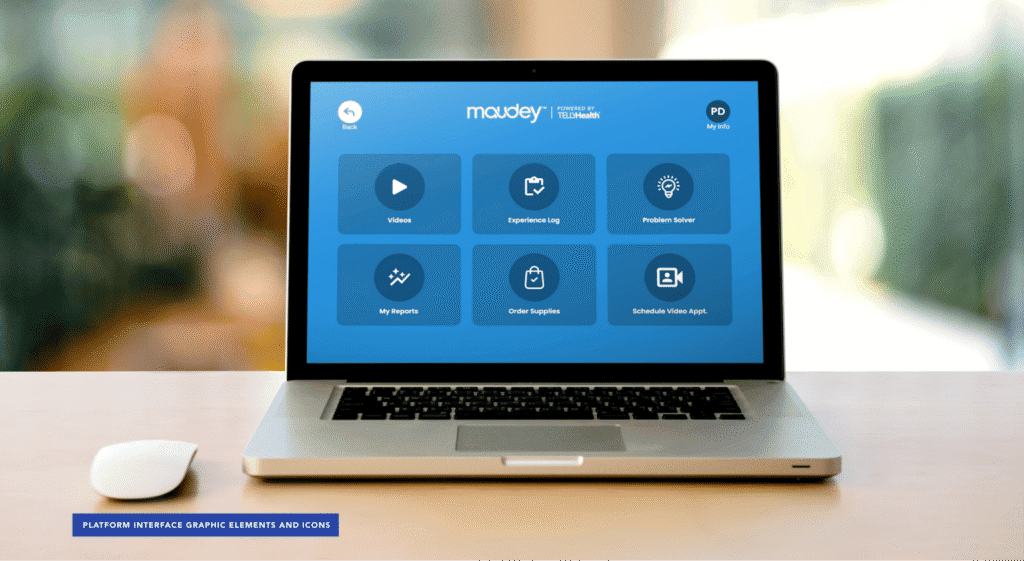
At TriVision, we partnered with Healthcare Technologies & Methods (HTM) to launch their NIH-funded hearing aid platform, TELLYHealth™. The challenge? Branding a scientific, grant-funded healthtech solution for older adults.
Our team developed:
The Maudey logo and brand identity (friendly, calming, personified)
A full video education series (30+ motion graphics videos explaining how to use the platform)
Intuitive UI graphics, infographics, and training visuals
Messaging tailored to older adult literacy and digital comfort levels
The result was a trustworthy, human-centered experience that improved patient understanding and satisfaction during clinical trials.
This is what modern healthcare branding looks like: empathy + education + design.
Inclusive Healthcare Branding: Representation Matters
One of the most important shifts post-COVID is the spotlight on health equity and inclusivity. Your branding must reflect and respect the communities you serve.
That means:
Using diverse talent in photography and video
Offering multilingual content when needed
Designing with accessibility and 508-compliance in mind
Avoiding stock imagery that feels generic or inauthentic
Patients want to see themselves in your brand. Inclusive branding isn’t just good ethics—it’s good business.
5 Tips to Strengthen Your Healthcare Brand Strategy Today
Here’s how to start evolving your brand for the post-pandemic landscape:
1. Audit Your Brand Touchpoints
From your website to your video content—are you consistent, clear, and human?
2. Invest in Patient-Facing Video Content
Especially explainer videos, testimonials, and motion graphics. They build trust quickly.
3. Create a Messaging Framework
Define your tone of voice, elevator pitch, and patient promise. Train your staff to use it.
4. Update Your Visual Identity
A refreshed logo, calming color palette, and easy-to-read fonts make a big difference in patient perception.
5. Tell Real Stories
Patients connect with stories, not statistics. Use video to share the real impact of your work.
TriVision produced a one-minute video for the NIH to help educate adults about anxiety.
Final Thought: Branding Is Not Optional—It’s Vital
In today’s post-COVID healthcare landscape, your brand is no longer just a logo or a tagline—it’s your reputation, your credibility, and your patient promise. It’s how people decide whether to trust you with their health—or keep looking.
At TriVision, we’ve seen firsthand how strategic branding can transform healthcare organizations. Whether we’re producing an emotional patient story, designing a user-friendly website, or developing a full-scale brand identity from the ground up, our mission is always the same: build trust through clarity, creativity, and consistency.
With over 30 years of experience working with healthcare leaders—from Johns Hopkins and Georgetown University Hospital to USAID and the IMF—we understand the unique challenges and sensitivities of healthcare communications. And we know how to tell stories that move people.
In this new era, branding isn’t optional. It’s the foundation of every connection you make. Let TriVision help you build a brand your patients believe in.
Frequently Asked Questions (FAQs) About Healthcare Branding
1. What is healthcare branding and why is it important?
A: Healthcare branding is the strategic development of your organization’s identity—including your name, logo, messaging, patient experience, and online presence. In today’s post-COVID world, branding is critical for building trust, standing out in a crowded market, and creating consistent, meaningful connections with patients.
2. How does branding influence patient trust and loyalty?
A: Patients now behave like informed consumers. They expect a seamless, trustworthy experience at every touchpoint—online and offline. A clear, consistent healthcare brand reassures patients, builds confidence, and helps turn first-time visitors into long-term loyal advocates.
3. What services does TriVision offer for healthcare branding?
A: TriVision provides full-service healthcare branding support, including brand strategy, visual identity, video production, web design, social media content, and internal branding. We’ve worked with major healthcare and nonprofit organizations like Johns Hopkins, USAID, and Georgetown to craft brands that are emotionally resonant and professionally executed.