LED video walls are no longer just oversized screens—they’re becoming intelligent, responsive event platforms. And the secret behind this transformation? Artificial Intelligence.
Imagine walking into an event space where the LED walls respond to your movement, change content based on your mood, and even interact with you through voice or gesture. It sounds futuristic—but it’s already happening.
Welcome to the era of AI-powered LED walls, where smart visuals meet immersive experiences, and events become unforgettable.
🧠 What Is an AI-Powered LED Wall?
An AI-powered LED wall blends visual display technology with real-time data processing, allowing the wall to react, adapt, and engage with audiences dynamically.
AI-powered LED walls use tools like:
Computer vision (to track audience movement, emotions, or demographics)
Machine learning (to adapt content based on behavior or preferences)
Voice recognition (for hands-free interaction)
Sensor-based triggers (like motion detection or RFID)
Instead of looping the same slideshow or video, an AI-integrated LED wall can change what it shows based on who’s watching, when, and how they’re interacting.
Traditional LED Wall vs. AI-Powered LED Wall: A Quick Comparison
| Feature | Traditional LED Wall | AI-Powered LED Wall |
|---|---|---|
| Pre-programmed Content | ✅ | ✅ |
| Real-Time Content Adjustment | ❌ | ✅ (based on input or audience) |
| Audience Tracking | ❌ | ✅ (via cameras/sensors) |
| Gesture or Voice Interaction | ❌ | ✅ |
| Data Collection & Feedback | ❌ | ✅ (live engagement analytics) |
| Personalization | ❌ | ✅ |
| CRM / App Integration | ❌ | ✅ |
| AI-Driven Scheduling | ❌ | ✅ |
🎯 Why Events Are Moving Toward AI-Driven LED Displays
Let’s break it down: AI-powered LED walls don’t just “look cool”—they make events smarter, more engaging, and data-informed. Here’s how.
1. Audience Interaction in Real Time
Facial recognition, motion tracking, or dwell-time analysis helps the system understand how people engage with the display. If someone is standing longer in front of one part of the wall, the system can respond by showing more detailed content.
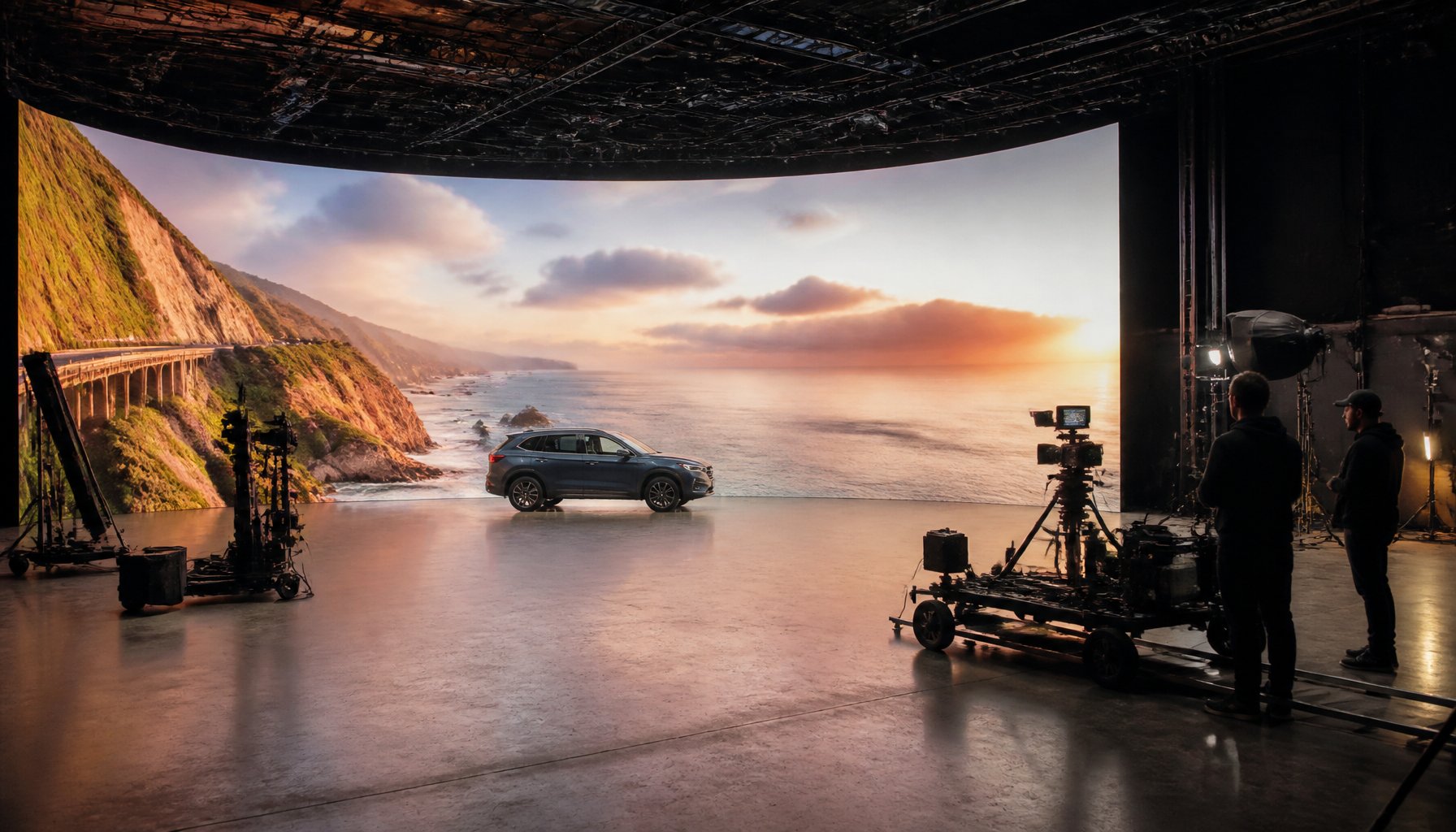
Example: At a product launch, an AI system detects user interest in a specific car model, triggering a 3D animation of its features.
2. Voice-Controlled Presentations
Using natural language processing (NLP), presenters or attendees can use voice prompts to control what appears on screen—no clickers, no remotes.
Example: “Show me the sustainability data” could instantly trigger an infographic about green initiatives on the LED wall.
3. Dynamic, Personalized Content
AI can display different messages depending on who’s nearby. Age, gender, badge ID (via RFID), or group affiliation can customize what’s shown.
Example: At a university open house, prospective engineering students see engineering videos, while business students see startup success stories.
4. Emotional and Sentiment Analysis
Some systems can read emotions (happy, confused, bored) using facial expression mapping—adjusting visuals in real time to re-capture attention or shift tone.
Example: If viewers look bored, the content switches from static slides to fast-paced video snippets or light animations.
5. Built-In Analytics and Reporting
AI collects data on:
Number of interactions
Engagement duration
Content preferences
Heat mapping foot traffic
All of this can be reported back to the event organizers for ROI analysis or future planning.
📊 Use Case Snapshot: AI + LED Walls in Action
AI-powered LED walls are already being used at top-tier events across industries. Here’s a snapshot of how they’re being applied—and the results they deliver.
| Event Type | AI Integration | Result / Impact |
|---|---|---|
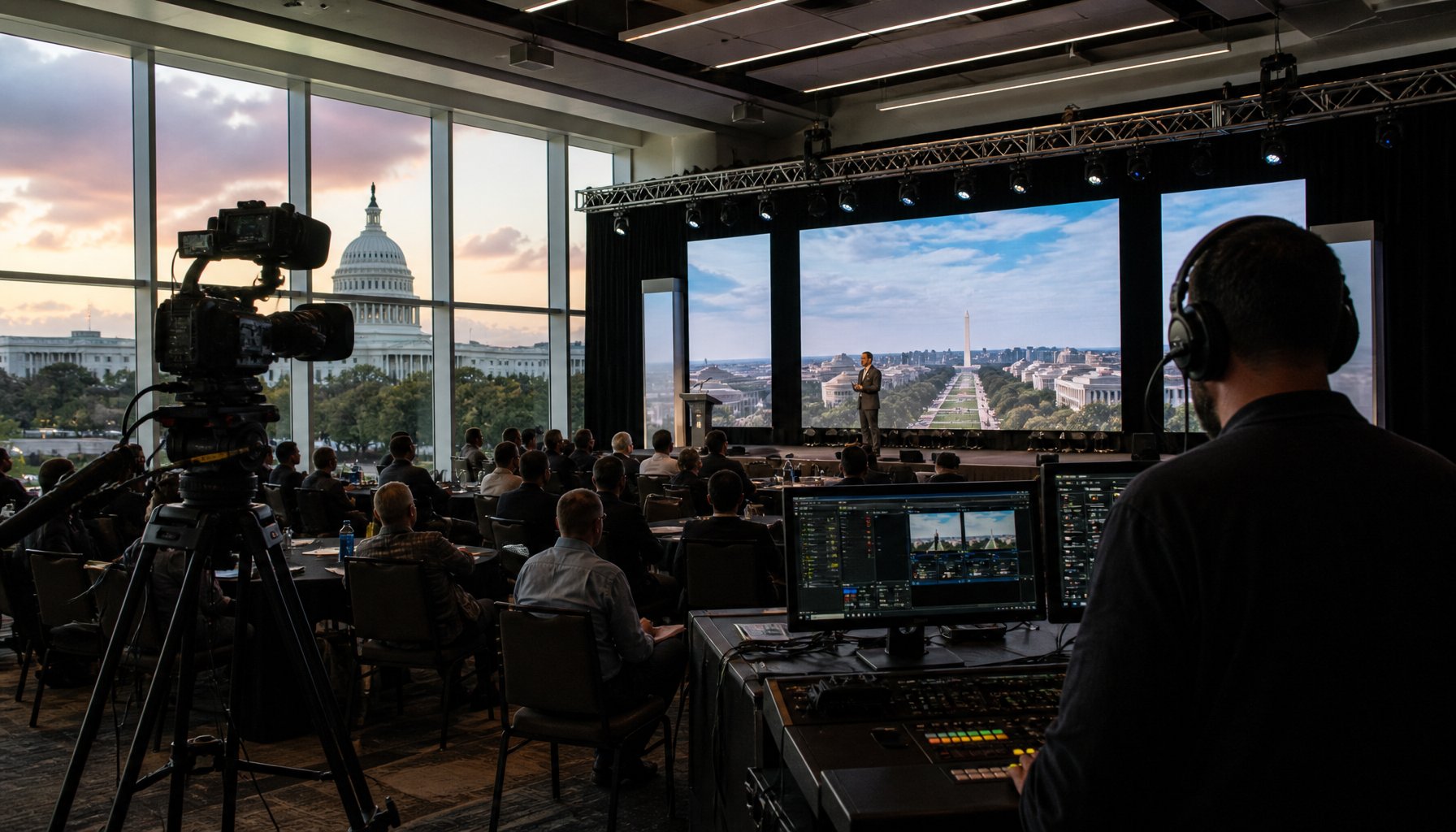
| 🏢 Corporate Conference | AI-driven content scheduler based on audience flow | Reduced content fatigue, increased audience retention by 28% |
| 🛍️ Retail Pop-Up Event | Computer vision + product tagging | Visitors shown targeted ads based on which displays they browsed |
| 🎤 Brand Activation | Motion-triggered animations + gesture control | 40% increase in interaction time with booth visuals |
| 🎓 University Open House | AI + facial analysis to tailor program info displays | Boosted applicant interest by 33% through personalized storytelling |
| 🎶 Music Festival Stage | AI-controlled lighting + crowd energy sensors | Synchronized LED visuals with live music and audience movement |
💡 Practical Benefits for Event Planners
Less manual control – Let AI automate content shifts
Deeper insights – Understand attendee behavior, not just impressions
More engagement – Interactive = memorable
More sponsorship opportunities – Sell premium screen real estate based on audience targeting
Wow-factor – Helps your event stand out
🚀 Final Thoughts: The AV Future Is Intelligent
AI isn’t replacing event professionals—it’s empowering them. An AI-powered LED wall gives you a new level of control, personalization, and audience insight that no slideshow or static screen can match.
If you want your next event to not only look stunning—but also think, react, and connect—this is the upgrade worth making.
🎥 Need Help Bringing It to Life?
TriVision offers:
Full LED wall rental and setup
AI integration and content programming
Event production, AV services, and livestreaming
Support for DMV, Baltimore, NYC, and Richmond events
Top FAQs: AI-Powered LED Walls
Q1: What’s needed to make an LED wall “AI-powered”?
A: You’ll need a regular LED wall, plus integration with AI software (like vision tracking tools, sensors, or data-driven content management systems). TriVision provides full-stack integration.
Q2: Is this only for large-scale events?
A: Not at all. AI features are scalable—you can implement gesture tracking or automated scene changes even in small meetings or workshops.
Q3: Can I still control content manually?
A: Yes. You can use a hybrid model: some content automated by AI, others manually triggered by a technician or presenter.
Q4: What data can AI capture during an event?
A: Heat maps, audience size, demographic data, dwell time, engagement scores, and even real-time emotional responses depending on setup.
Q5: Is it safe and privacy-compliant?
A: Yes—especially when configured with anonymous tracking and opt-in features. TriVision ensures GDPR and CCPA compliance when required.
Q6: Can the wall integrate with my event app or CRM?
A: Absolutely. With tools like RFID badges or mobile app syncing, LED walls can display custom content tied to attendee profiles in your CRM.
Q7: How much does it cost compared to a regular LED rental?
A: AI integration can add 15–30% to the base rental cost, depending on complexity. But for the engagement and analytics value, many clients find it well worth the investment.