Why Government Agencies Can No Longer Afford to Ignore Strategic Video
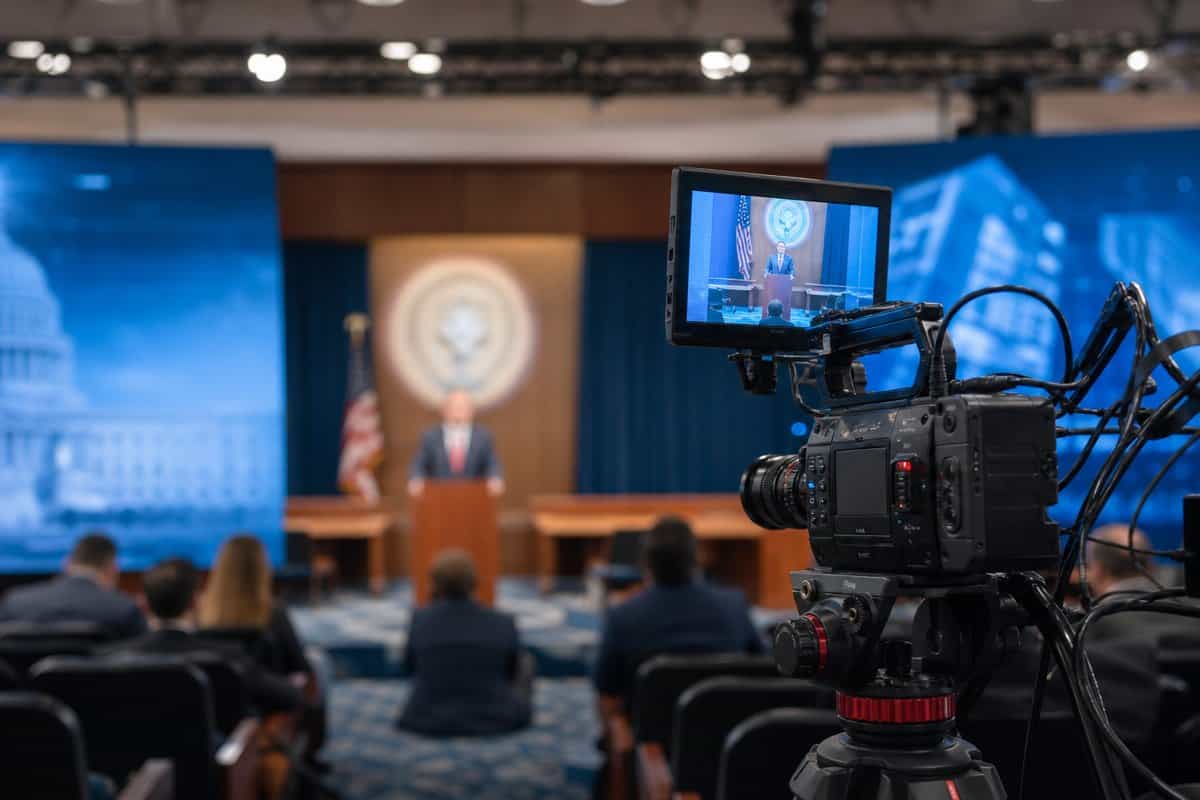
Government agencies face a unique communication challenge: they must reach millions of people across wildly different demographics, literacy levels, and languages — and they must do it with full transparency and accountability. Yet too many agencies still treat video as an afterthought, commissioning one-off projects with no overarching strategy. The result? Forgettable content that fails to inform, recruit, or inspire action.
According to a 2026 report from the Pew Research Center, over 80% of American adults now consume news and government information through digital video platforms. That single data point should reshape how every federal, state, and local agency thinks about video production for government agencies. Video is no longer a nice-to-have line item — it is the primary channel through which citizens engage with their government.
This guide takes a strategy-first approach. Rather than walking you through the production process (we have covered that elsewhere), we focus on how government communicators can build a video strategy that serves public affairs, workforce recruitment, and internal training goals simultaneously — and how to get maximum return from every taxpayer dollar spent.
The Three Pillars of Government Video Strategy
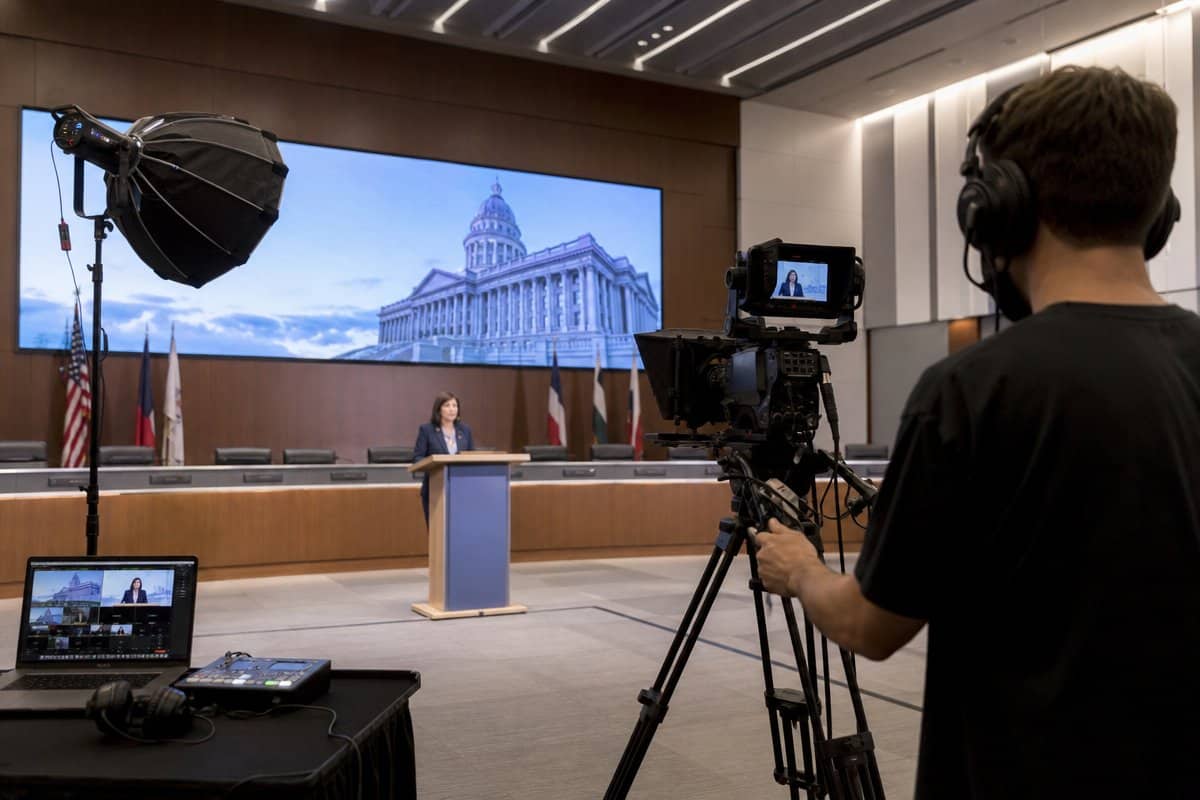
Before a single camera is turned on, agency leaders need to define which strategic pillar — or combination of pillars — a video initiative will serve. Clarity here prevents scope creep, simplifies approvals, and makes performance measurement straightforward.
1. Public Affairs and Citizen Communication
This is the most visible use case. Public affairs videos include:
- Policy explainers and regulatory updates
- Public service announcements (PSAs)
- Emergency preparedness and disaster response messaging
- Program awareness campaigns (healthcare enrollment, census participation, veterans’ benefits)
- Community engagement recaps and town hall summaries
The strategic goal is comprehension and action. A well-produced PSA does not just inform — it drives measurable behavior change, whether that means more citizens signing up for benefits or following evacuation protocols.
2. Recruitment and Employer Branding
Government agencies across Washington DC, Richmond, Baltimore, and beyond are competing with the private sector for top talent. Video is the most effective tool for showing — not just telling — prospective employees what a career in public service actually looks like.
- Day-in-the-life profiles of current employees
- Leadership messages that communicate mission and culture
- Virtual office and facility tours
- Testimonials from recent hires about onboarding and growth
Recruitment videos perform best when they feel authentic rather than scripted. Candidates can detect a polished corporate veneer instantly, and government agencies that lean into genuine storytelling consistently outperform those that do not.
3. Internal Training and Knowledge Transfer
Training video is often the least glamorous pillar, but it delivers the highest ROI. The Federal Government spends billions annually on employee training, and agencies that shift even a fraction of in-person instruction to high-quality on-demand video see dramatic cost savings.
- Compliance and ethics training modules
- Software and systems onboarding tutorials
- Standard operating procedure (SOP) walkthroughs
- Leadership development and soft-skills content
- Safety and security protocols
Strategically, training videos should be modular — built in short, self-contained segments that can be updated independently without reshooting an entire course.
Video Production for Government Agencies: Matching Format to Mission
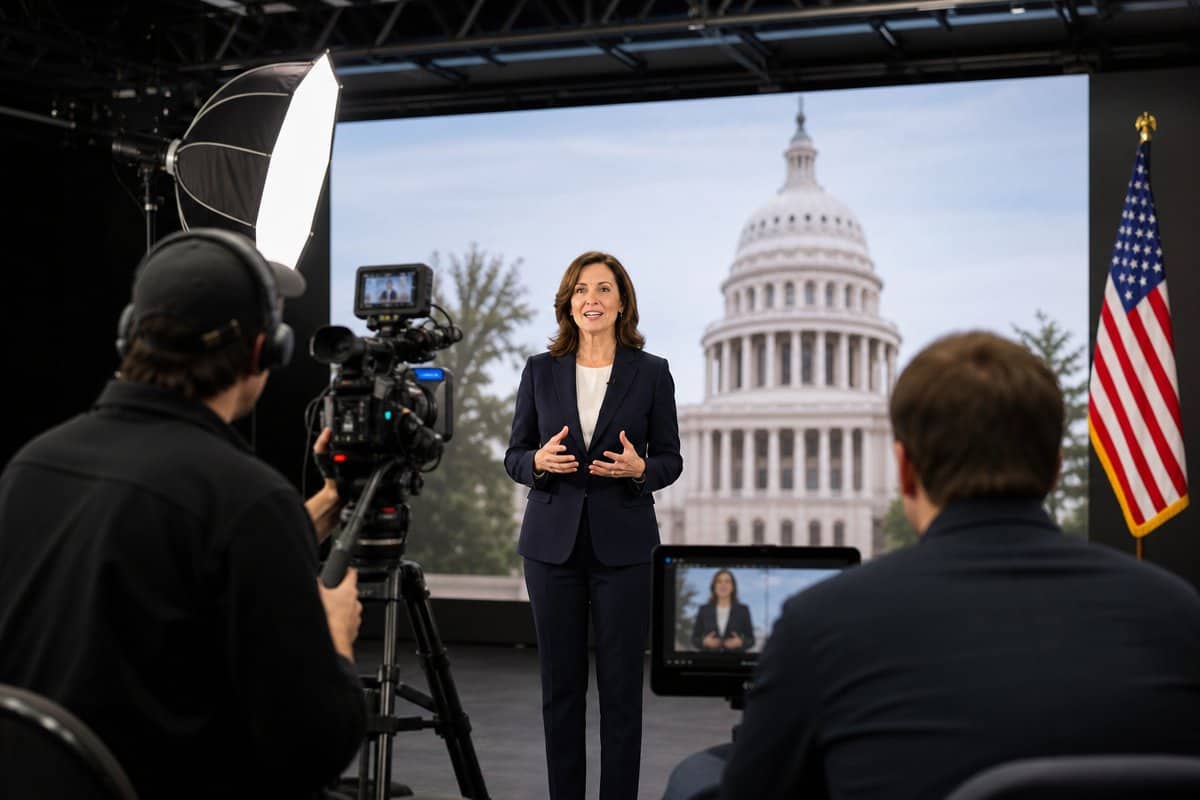
One of the most common mistakes in government video production is defaulting to a single format regardless of the communication goal. A talking-head video might work for an internal policy update, but it will fail as a recruitment tool aimed at Gen Z candidates. Strategy demands format flexibility.
Explainer and Animation Videos for Complex Policy
When an agency needs to communicate dense regulatory information — think tax code changes, new healthcare mandates, or environmental compliance requirements — animation and motion graphics often outperform live-action. Animated explainers simplify complexity, transcend language barriers when paired with subtitles, and can be updated without scheduling a reshoot.
Documentary-Style Content for Public Trust
Long-form documentary content builds credibility. Agencies dealing with public skepticism — whether around infrastructure spending, law enforcement practices, or environmental policy — benefit from transparent, behind-the-scenes storytelling that shows the human beings behind the bureaucracy.
Studio-Produced Content for Consistency and Scale
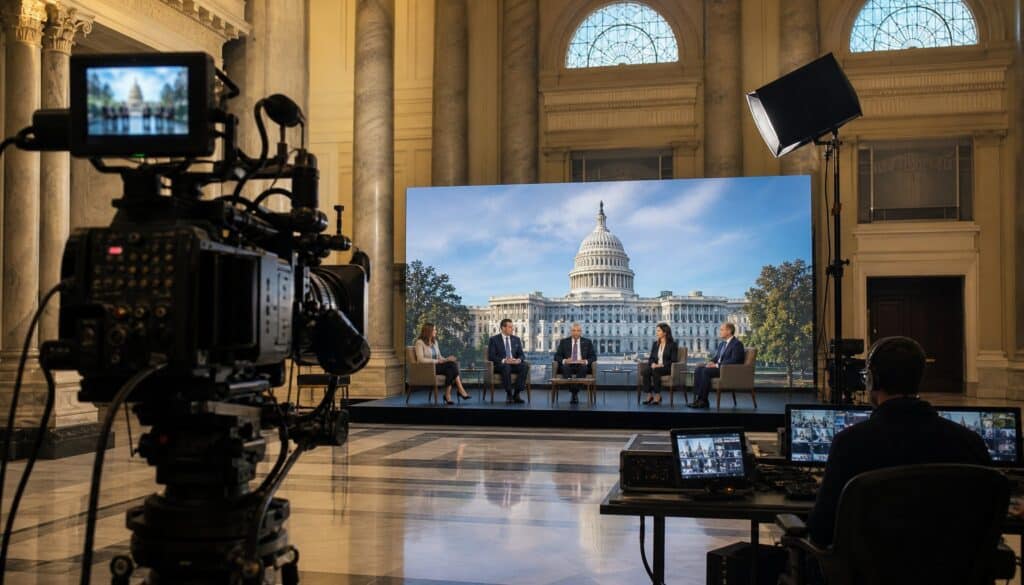
Agencies producing recurring content — weekly briefings, monthly training updates, leadership addresses — should consider professional studio production. A controlled studio environment ensures consistent lighting, audio, and branding across every piece of content. It also dramatically reduces per-unit production costs once the initial setup is established.
Live Streaming for Real-Time Engagement
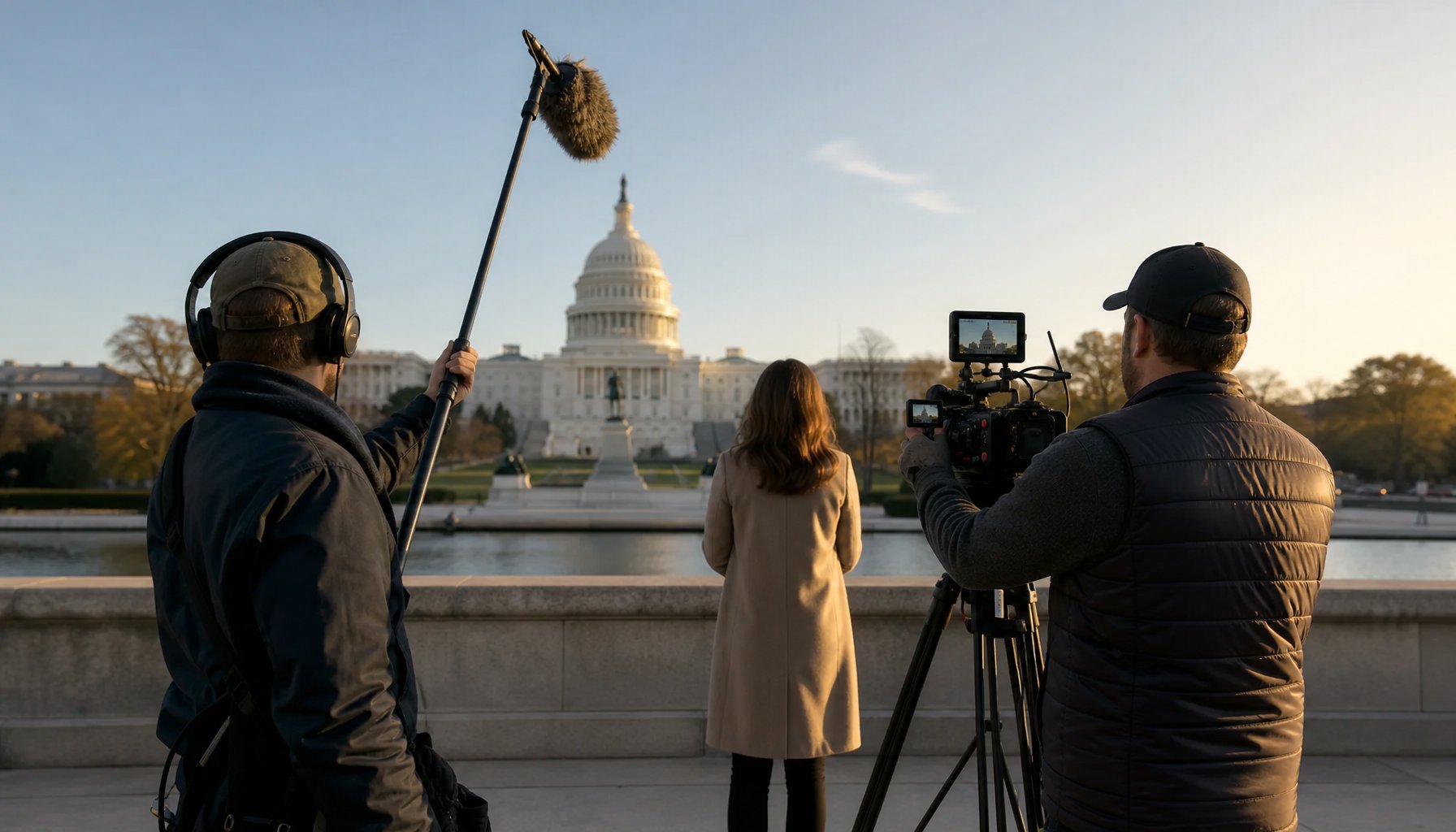
Congressional hearings, press conferences, town halls, and emergency briefings all demand live streaming capabilities. The strategic value here is immediacy and transparency. Citizens expect to watch government proceedings in real time, and agencies that deliver reliable, high-quality streams build public trust faster than those relying on after-the-fact summaries.
Building a Video Strategy That Survives the Approval Process
Anyone who has worked with government agencies knows that the approval process can be the single biggest obstacle to effective video production. Multiple stakeholders, legal reviews, accessibility compliance, and shifting political priorities can turn a four-week project into a four-month ordeal.
A strategic approach anticipates these challenges rather than reacting to them.
Pre-Production Strategy Sessions
Before scripting begins, hold a strategy alignment meeting that includes:
- Communications leadership — to define messaging priorities and audience
- Legal and compliance — to flag potential issues before they become revision requests
- Subject matter experts — to ensure technical accuracy from the start
- Accessibility coordinators — to build Section 508 compliance into the production plan, not bolt it on afterward
This single meeting can eliminate two or three rounds of revisions later. It also gives your production partner the context they need to deliver content that passes review on the first or second attempt.
Tiered Approval Workflows
Not every video requires the same level of scrutiny. Establish a tiered system:
- Tier 1 (High Sensitivity): Public-facing policy videos, PSAs, and any content involving elected officials. Full legal and leadership review required.
- Tier 2 (Moderate Sensitivity): Recruitment content, event recaps, and program highlights. Department-level approval sufficient.
- Tier 3 (Low Sensitivity): Internal training modules, procedural walkthroughs, and meeting recordings. SME and project lead approval only.
This framework accelerates production timelines without sacrificing oversight where it matters most.
Accessibility as Strategy, Not Afterthought
Section 508 compliance is non-negotiable for government video content. But agencies that treat accessibility as a strategic advantage — rather than a checkbox — produce better content for everyone. Closed captions improve comprehension for all viewers, not just those with hearing impairments. Audio descriptions force creators to think more carefully about visual storytelling. Accessible design is simply better design.
Measuring Success: KPIs That Matter for Government Video
Private-sector video metrics — views, likes, shares — are insufficient for government agencies. Public sector video success must be measured against mission-specific outcomes.
Public Affairs KPIs
- Awareness lift (measured through pre- and post-campaign surveys)
- Website traffic to related program pages after video release
- Call volume to agency hotlines or service centers
- Program enrollment or application increases
Recruitment KPIs
- Application volume from targeted demographics
- Time-to-fill for hard-to-recruit positions
- Candidate quality scores (as reported by hiring managers)
- Career page engagement metrics (time on page, click-through to application)
Training KPIs
- Course completion rates compared to in-person equivalents
- Knowledge retention scores on post-training assessments
- Reduction in compliance incidents after training deployment
- Cost per learner compared to traditional instruction
Establishing these KPIs before production begins ensures that every creative decision — from script tone to runtime length — is anchored to a measurable outcome.
Frequently Asked Questions
What makes video production for government agencies different from corporate video?
Government video production requires strict adherence to accessibility standards (Section 508), more complex approval workflows involving multiple stakeholders, and content that must serve diverse public audiences rather than a narrow customer segment. Messaging must also be nonpartisan and factually rigorous, which demands production partners with specific government experience.
How long does a typical government video project take from concept to delivery?
Timelines vary significantly based on project complexity and approval requirements. A straightforward internal training video might take four to six weeks. A public-facing PSA or recruitment campaign involving multiple stakeholders, legal review, and accessibility compliance can take eight to twelve weeks. Agencies can compress timelines by using the tiered approval framework described above.
What is the average budget range for government video production?
Budgets depend on format, length, and production complexity. Simple training videos may start around $5,000 to $15,000 per finished minute, while high-production-value PSAs or recruitment campaigns can range from $20,000 to $75,000 or more. The key is aligning budget to strategic impact — a well-produced recruitment video that reduces time-to-fill by even a few weeks can pay for itself many times over.
Do government agencies need to use contractors on the GSA Schedule for video production?
Not necessarily. While many agencies prefer to work with GSA Schedule contractors for procurement simplicity, agencies can also use purchase orders, blanket purchase agreements (BPAs), or other contracting vehicles depending on project size and agency procurement rules. Working with a production company experienced in government contracting streamlines the process regardless of the vehicle used.
How can agencies ensure video content stays relevant over time?
The most effective strategy is modular production — creating content in self-contained segments that can be updated independently. Avoid embedding dates, specific personnel names, or rapidly changing data points into core video content. Use on-screen graphics and lower thirds for time-sensitive information, since these can be swapped without a full reshoot.
What role does virtual production play in government video today?
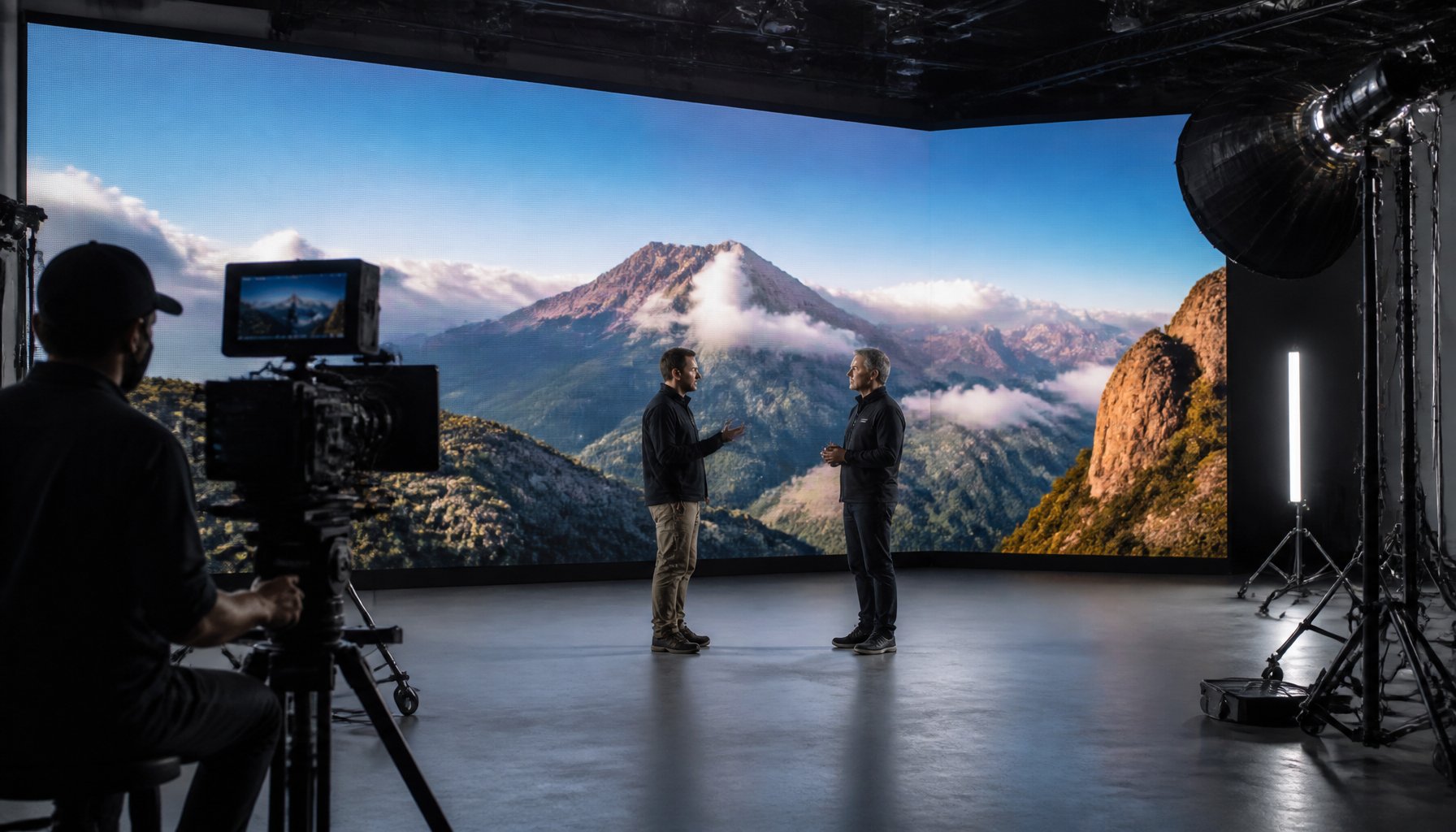
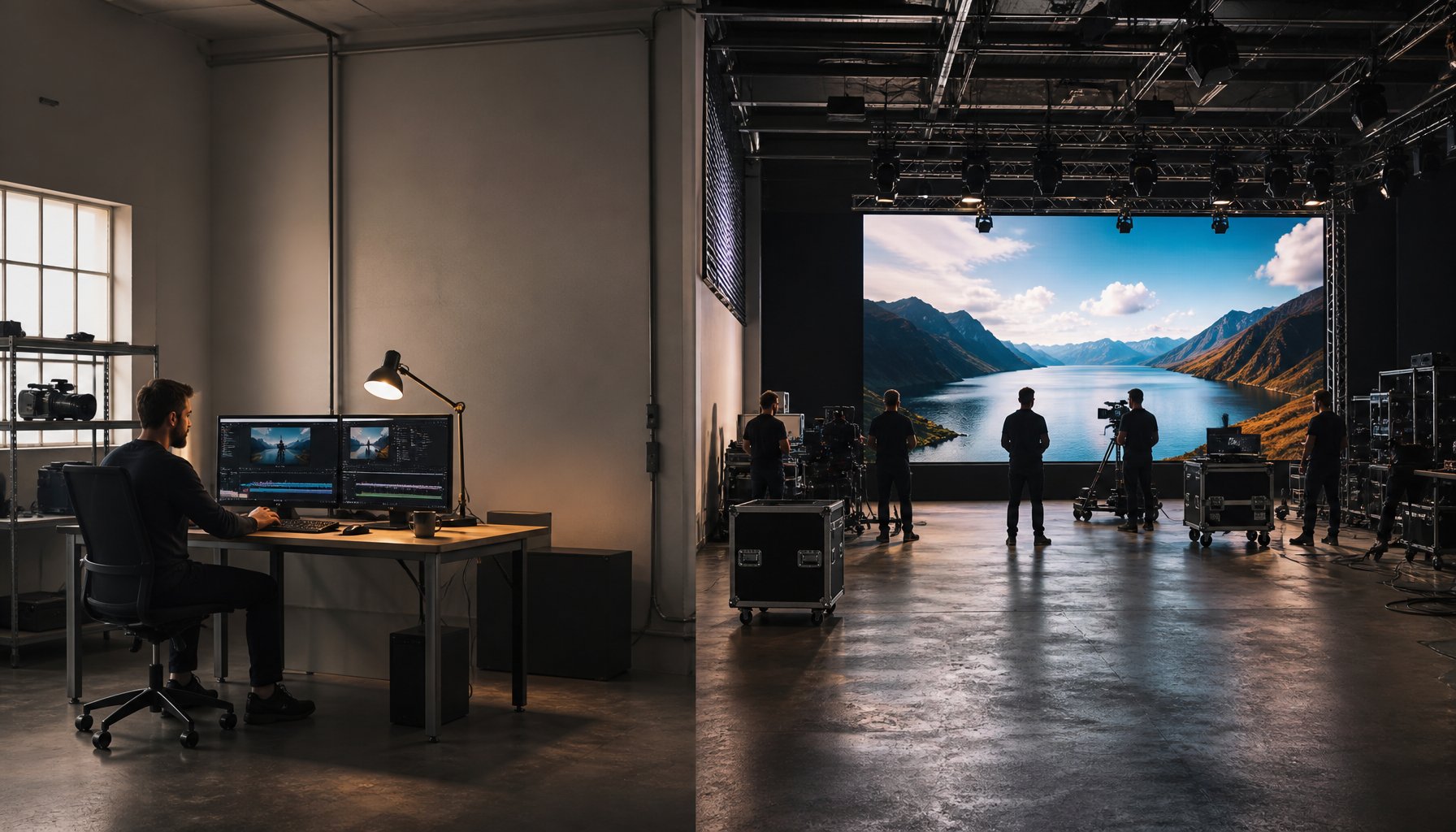
Virtual production using LED wall technology allows agencies to simulate multiple locations — field offices, international settings, disaster scenarios — without travel costs or security complications. This is particularly valuable for training content and public affairs videos that need to depict diverse environments while keeping production centralized in a studio setting.
Partnering with the Right Production Team
A strategic approach to video production for government agencies requires more than creative talent — it demands a production partner who understands government procurement, security clearance requirements, accessibility mandates, and the unique approval dynamics of public-sector work.
TriVision Studios has served federal agencies, state and local governments, and government-adjacent organizations across Washington DC, Northern Virginia, Maryland, Richmond, and Baltimore for years. From public affairs campaigns and recruitment videos to large-scale training libraries, TriVision brings both the production expertise and the government fluency that agencies need to turn video from a line item into a strategic asset.
If your agency is ready to move beyond one-off projects and build a video strategy that delivers measurable results, reach out to TriVision Studios to start the conversation.