You know your organization needs video, but the sheer number of formats, styles, and production approaches can make the decision feel overwhelming. Should you invest in a polished commercial, a documentary-style piece, or a simple talking-head training video? According to Wyzowl’s 2026 State of Video Marketing report, 91% of businesses now use video as a marketing tool — yet many buyers still struggle to match the right types of video production services to their specific goals. This guide is designed to fix that. Whether you operate in Richmond, Washington DC, New York City, or Baltimore, understanding what each service delivers will help you spend smarter and communicate more effectively.
Why Understanding Types of Video Production Services Matters
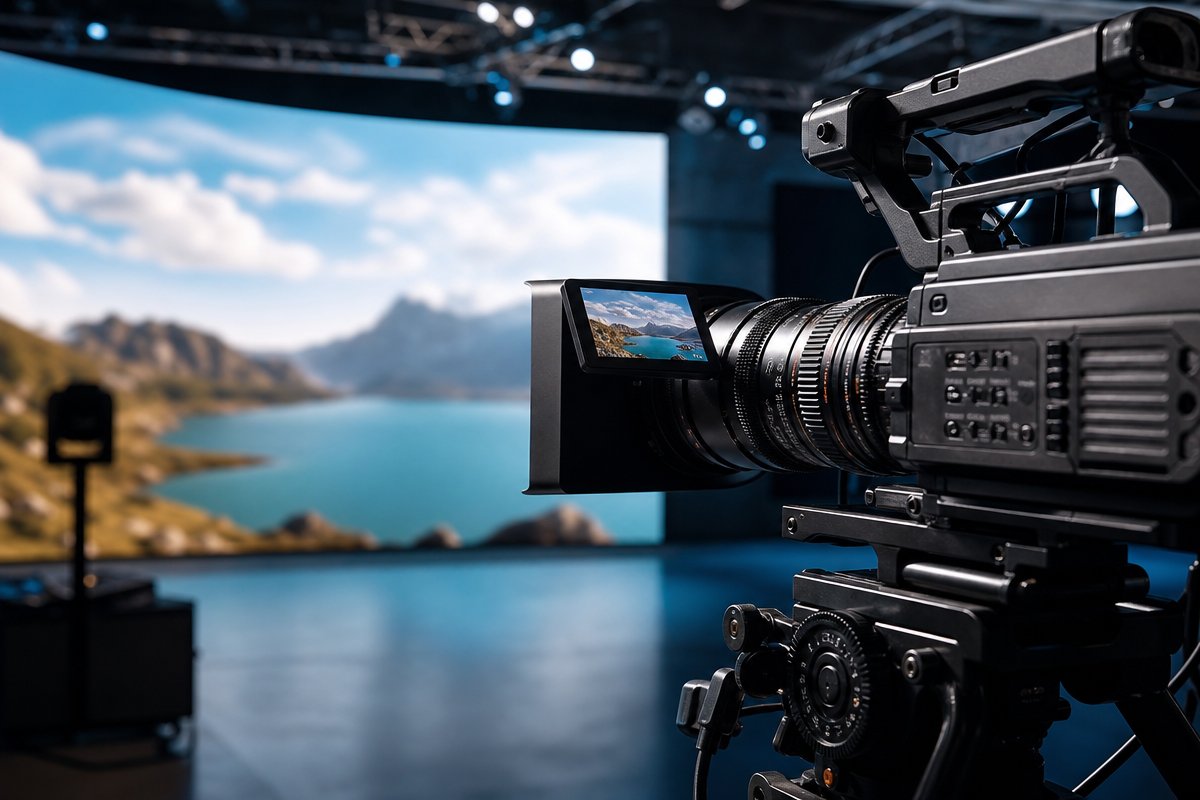
Not every video serves the same purpose, and not every production company offers the same capabilities. A 30-second TV commercial demands a fundamentally different creative process than a 20-minute training module or a live-streamed conference keynote. When buyers conflate these categories, they end up with mismatched expectations, wasted budgets, and content that underperforms.
By learning the landscape of production service types, you gain three critical advantages:
- Clearer project scoping — You can articulate exactly what you need when requesting proposals.
- Smarter budget allocation — You understand which formats require larger crews, specialized equipment, or longer post-production timelines.
- Better ROI — You match the format to the goal, ensuring every dollar moves the needle on awareness, engagement, or conversion.
Let us walk through every major category so you can identify where your next project fits.
Marketing and Corporate Video Production
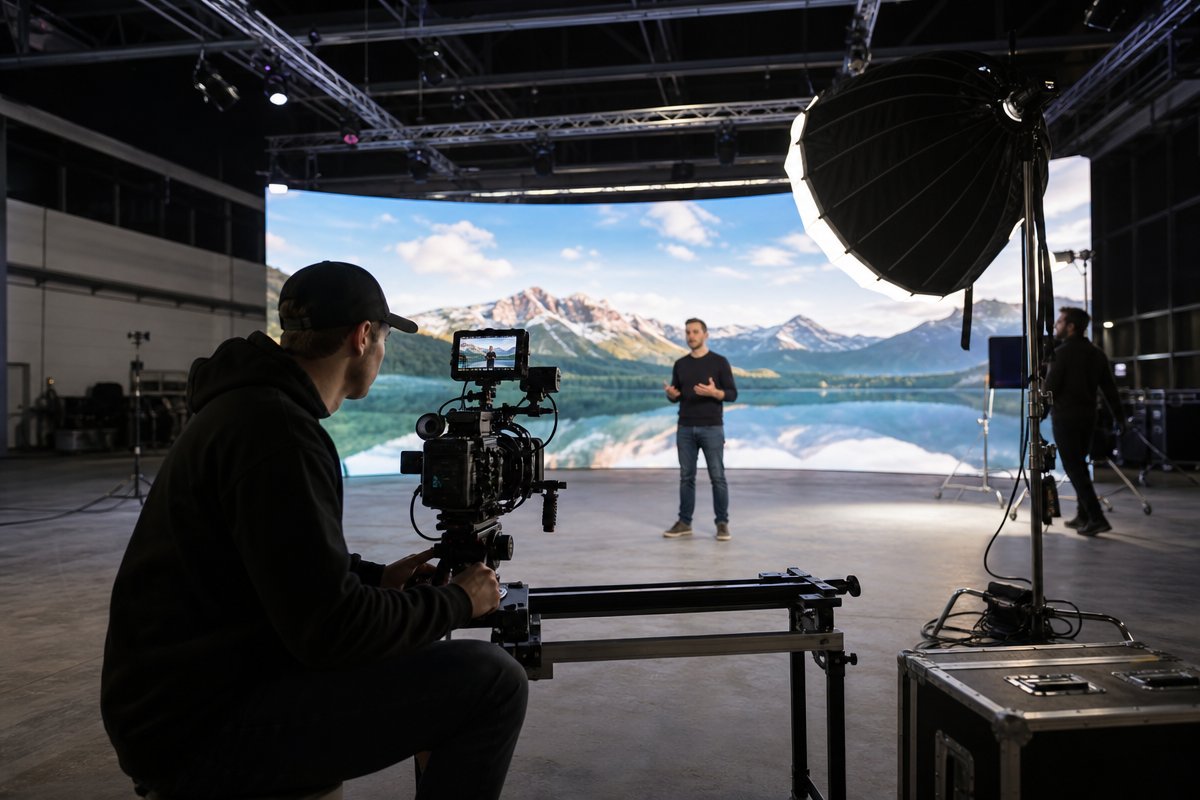
This is the broadest and most commonly requested category. Marketing and corporate videos are designed to communicate a brand’s value proposition, culture, or message to external or internal audiences. They range from brand anthems and customer testimonials to internal communications and investor updates.
Brand Story Videos
A brand story video distills your organization’s mission, history, and differentiators into a cinematic narrative. These pieces typically run two to four minutes and are used on websites, social media, and sales presentations. They require strong scripting, professional cinematography, and polished post-production to feel authentic without looking amateurish.
Testimonial and Case Study Videos
Nothing builds trust like a real client speaking on camera about the results you delivered. Testimonial videos are relatively straightforward to produce but require careful interview techniques to draw out genuine, specific responses rather than vague praise.
Internal Communications
Large organizations — especially those with distributed workforces — use video to align teams around new policies, leadership messages, or culture initiatives. These videos prioritize clarity and consistency over cinematic flair, though production quality still matters for credibility.
If you are exploring full-service video production for your brand, understanding these sub-categories helps you brief your production partner more effectively.
Commercial and PSA Production
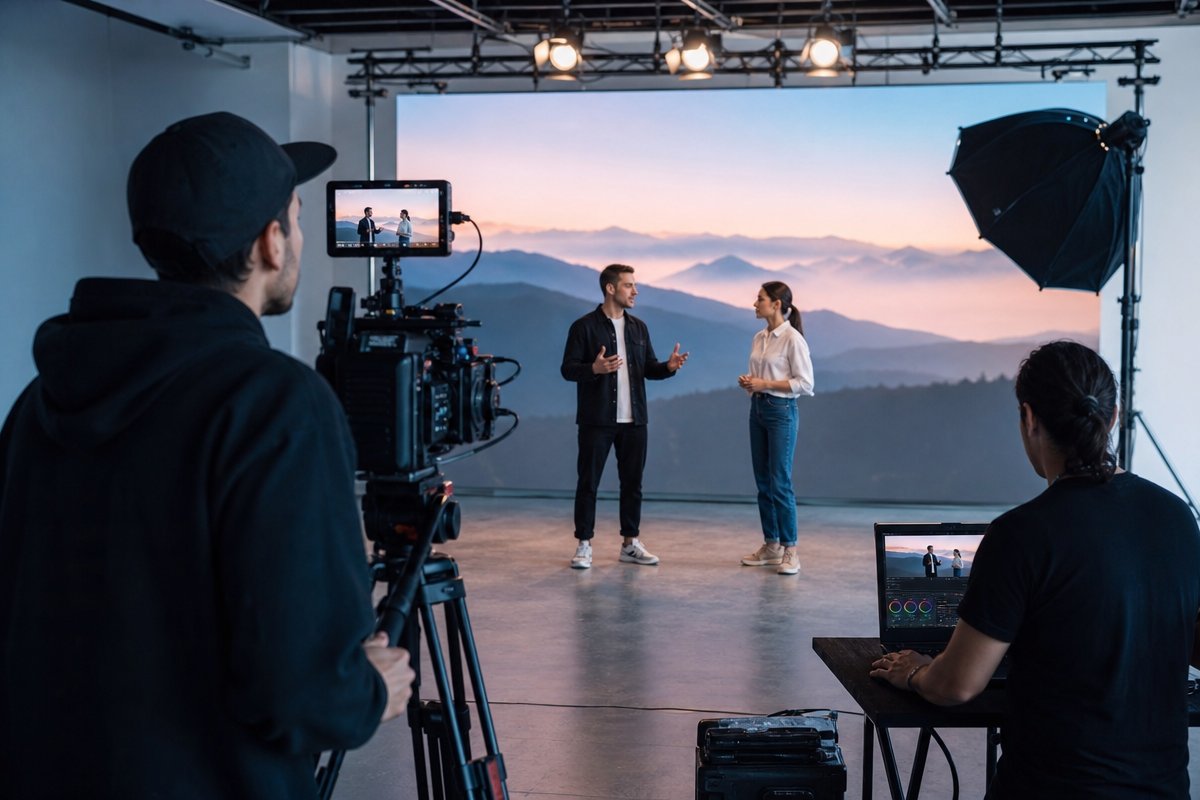
Commercials and public service announcements are among the most high-stakes video formats. They demand precision because every second of screen time must earn its place. A 30-second broadcast spot requires just as much pre-production planning as a five-minute web video — sometimes more.
Television Commercials
Broadcast commercials follow strict technical specifications for resolution, audio levels, and run time. They also require clearance considerations if you plan to air on network or cable channels. Production typically involves larger crews, professional talent, detailed storyboarding, and multiple rounds of revisions.
Digital and Social Media Ads
Shorter-form ads designed for YouTube pre-roll, Instagram Reels, LinkedIn feeds, or connected TV platforms have different creative requirements than traditional broadcast spots. Thumb-stopping visuals in the first two seconds, vertical or square aspect ratios, and captioned dialogue are all considerations unique to digital distribution.
Public Service Announcements
PSAs serve a public good — health awareness, safety campaigns, civic engagement — and are frequently produced for government agencies and nonprofits. They often carry emotional weight and require sensitive storytelling that balances urgency with empathy.
Documentary and Storytelling Production
Documentary-style video production is one of the most powerful formats for organizations that need to build deep emotional connections or explain complex issues. Unlike commercials, documentaries give subjects room to breathe, allowing nuanced narratives to unfold over 10, 30, or even 60 minutes.
Short-Form Documentaries
Mini-docs (typically five to fifteen minutes) are increasingly popular for nonprofits, advocacy organizations, and healthcare institutions. They combine interviews, b-roll footage, archival materials, and sometimes animation to tell a complete story in a digestible format.
Long-Form and Series Documentaries
Multi-episode documentary series allow organizations to explore a topic from several angles over time. This format builds sustained audience engagement and positions the commissioning organization as a thought leader in its space. Production timelines are longer, often spanning several months from development through final delivery.
Advocacy and Impact Films
These documentaries are purpose-built to drive policy change, fundraising, or public awareness. They are common among DC-area nonprofits and government-adjacent organizations that need to communicate the human impact of programs and initiatives.
Training, Educational, and Explainer Videos
When the goal is knowledge transfer rather than brand awareness, training and educational videos are the right format. These are workhorses — they may not win film festival awards, but they deliver measurable ROI through improved employee performance, reduced onboarding time, and consistent compliance messaging.
Employee Training Videos
From safety protocols to software tutorials, training videos standardize instruction across an organization. They are especially valuable for government agencies and large corporations where consistency and compliance documentation matter. Effective training videos combine clear narration, on-screen demonstrations, and knowledge-check segments.
E-Learning and Course Content
Schools, institutions, and professional development organizations use video as the backbone of online courses. Production requirements include screen recording, animated graphics, and presenter-led segments filmed in a controlled studio environment.
Explainer Videos
Explainer videos — often 60 to 90 seconds — use animation, motion graphics, or live action to simplify a complex product, service, or concept. Technology companies and financial services firms rely heavily on this format to accelerate prospect understanding.
Studio Production, Virtual Production, and Live Streaming
Some video production services are defined not by the content type but by the production method used to create them. Understanding these distinctions helps you evaluate which technical approach serves your project best.
Studio Production
Filming in a professional studio gives you complete control over lighting, sound, and set design. Studios are ideal for talk shows, podcasts, product demonstrations, and any project where environmental consistency matters. A well-equipped studio eliminates the unpredictability of on-location shoots.
Virtual Production with LED Walls
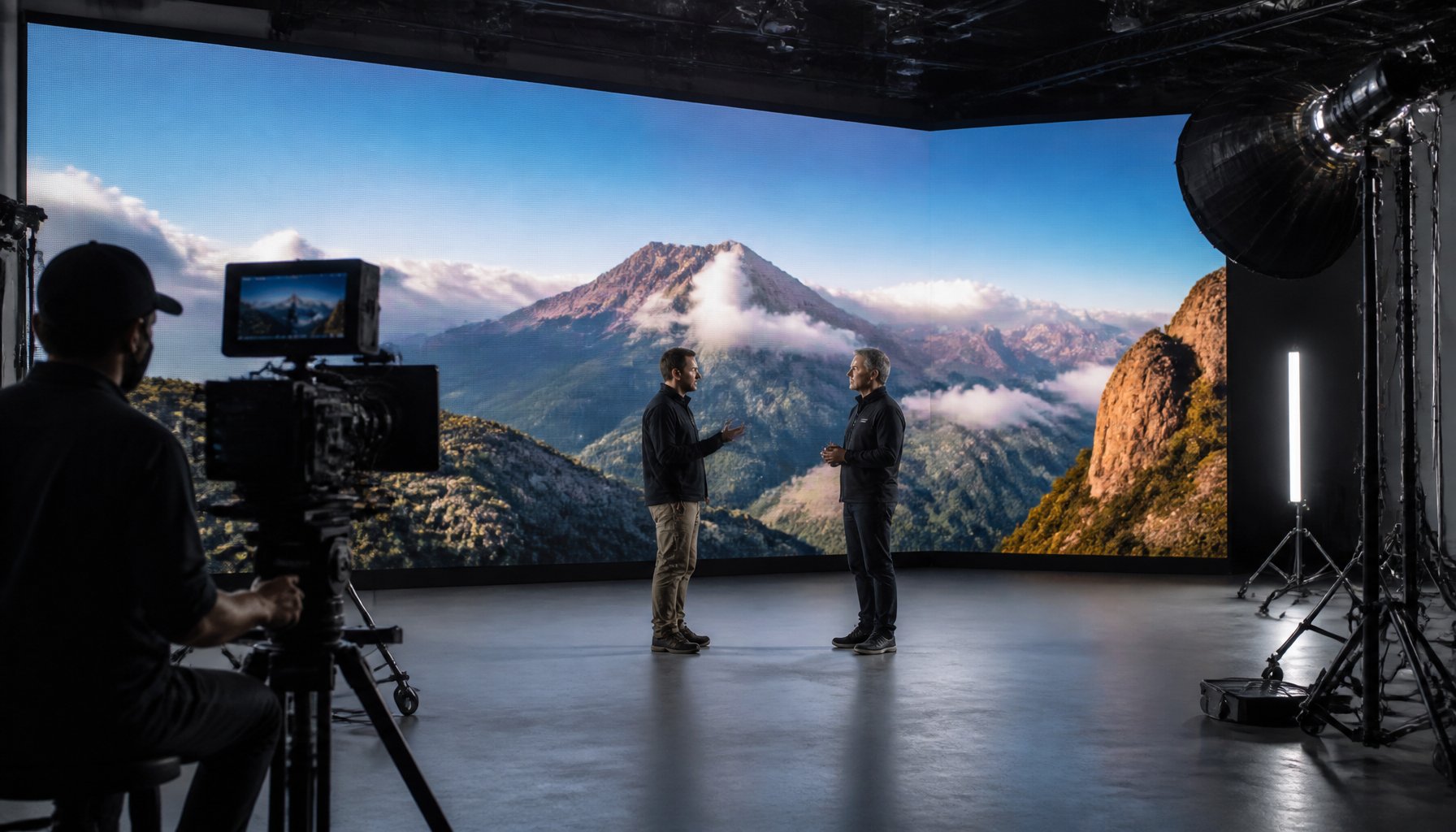
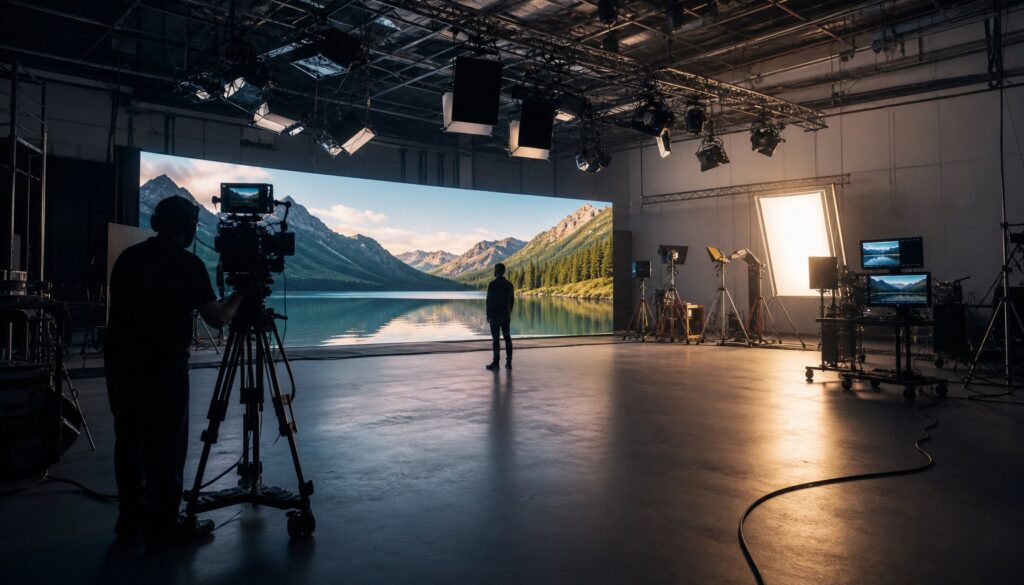
Virtual production uses LED wall technology to place talent inside photorealistic digital environments in real time — no green screen compositing required. This approach is transforming how commercials, corporate videos, and even training content are produced. It reduces location travel costs, accelerates timelines, and delivers visually stunning results that were previously only achievable in Hollywood-scale productions. Learn more about virtual production services to see if this method fits your next project.
Live Streaming and Hybrid Events
Live streaming extends the reach of conferences, town halls, product launches, and award ceremonies to remote audiences in real time. Professional live streaming goes far beyond pointing a webcam at a stage — it involves multi-camera switching, graphics overlays, audience interaction tools, and redundant internet connections to ensure reliability.
Event Videography
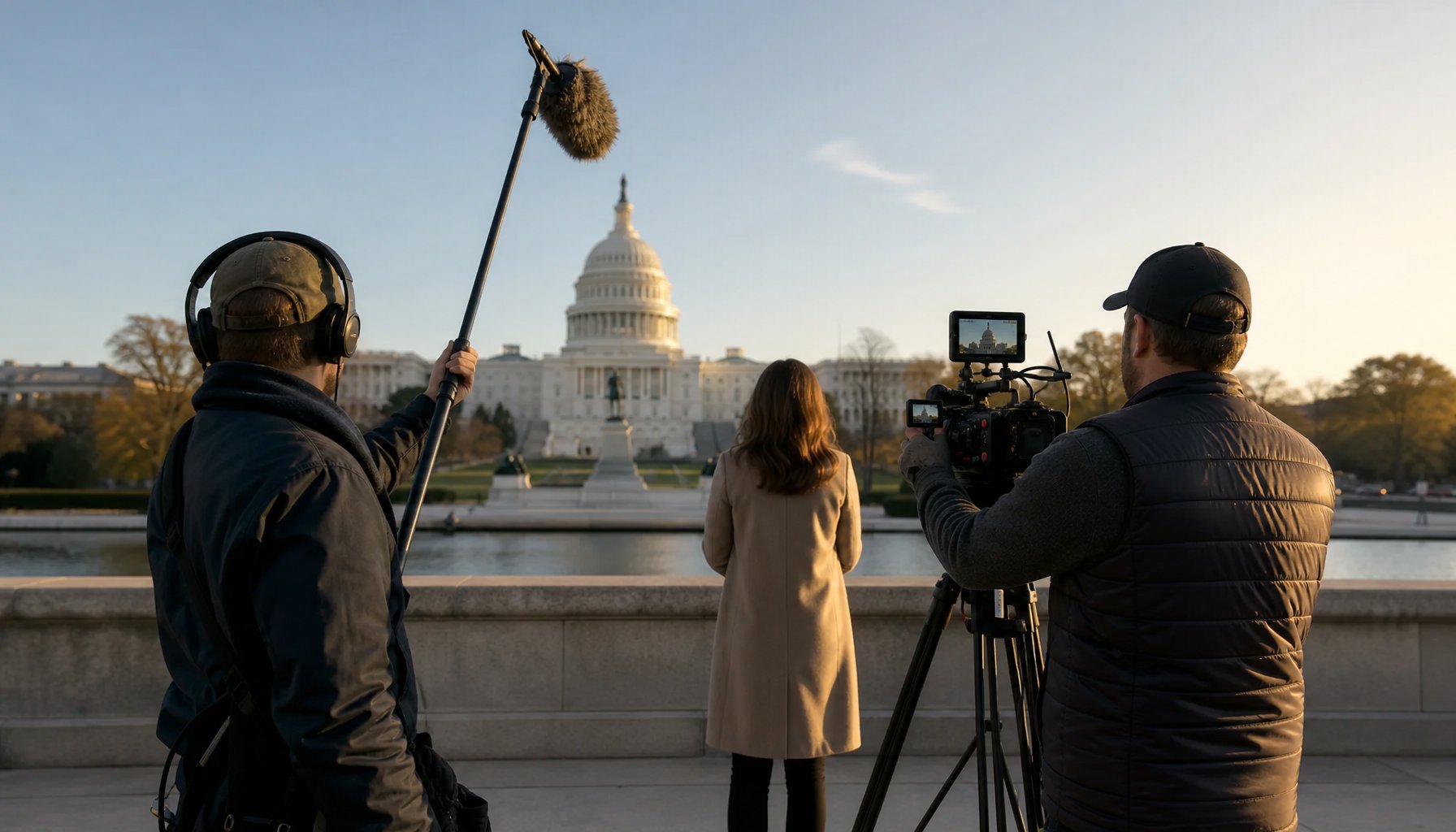
Distinct from live streaming, event videography captures footage for post-event highlight reels, recap videos, and archival purposes. A skilled event videography team anticipates key moments, captures candid reactions, and delivers polished edits that extend the life of your event long after the doors close.
Animation, Motion Graphics, and Post-Production Services
Not all video production involves cameras. Animation and motion graphics are standalone services that many organizations use to communicate data, processes, or abstract concepts visually.
2D and 3D Animation
Animated videos range from simple whiteboard-style illustrations to fully rendered 3D environments. Healthcare organizations use animation to visualize medical procedures. Technology firms use it to demonstrate software workflows. Government agencies use it to explain policy impacts without the logistical challenges of live-action filming.
Motion Graphics
Motion graphics add kinetic energy to typography, charts, icons, and data visualizations. They are frequently used in corporate presentations, social media content, and broadcast graphics packages. When combined with live-action footage, motion graphics elevate production value significantly.
Post-Production and Editing
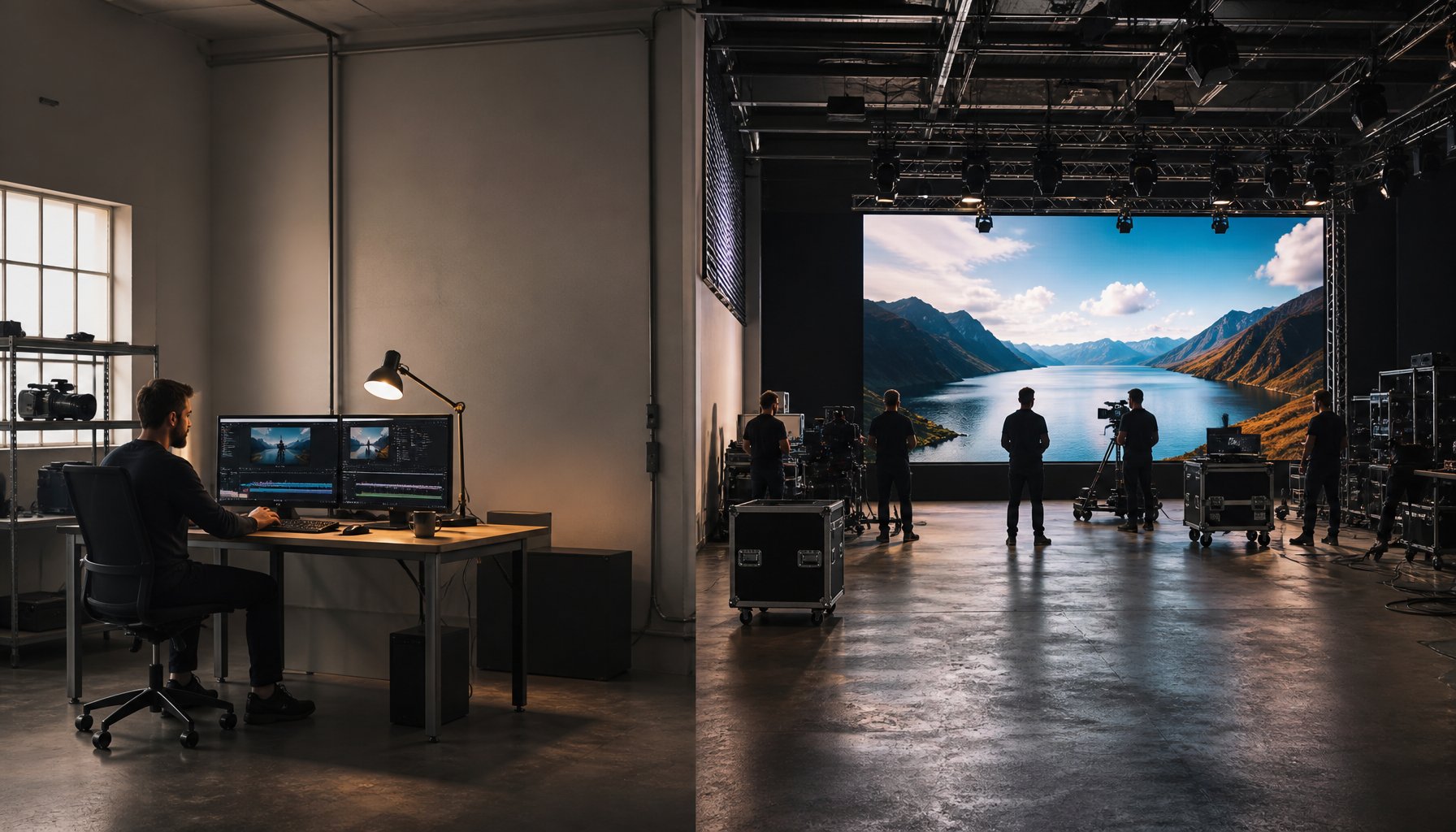
Post-production is the phase where raw footage becomes a finished product. It encompasses video editing, color grading, sound design, music licensing, voiceover recording, and final mastering for delivery. Some organizations bring existing footage to a production partner specifically for post-production services — and that is a perfectly valid way to engage a studio.
Sizzle Reels, Highlight Videos, and Talk Shows
These formats deserve their own mention because they serve highly specific functions that organizations frequently request.
Sizzle Reels and Highlight Videos
A sizzle reel is a fast-paced, visually dynamic compilation designed to generate excitement. Organizations use them to pitch sponsors, attract partners, recap annual achievements, or energize an audience at the start of a conference. Highlight videos serve a similar purpose for events, condensing hours of programming into a three-to-five-minute package.
Talk Shows and Podcasts
Video podcasts and branded talk shows have exploded in popularity as organizations recognize the value of serialized content. A recurring show builds audience loyalty, positions hosts as thought leaders, and generates a steady stream of repurposable clips for social media. Studio production with professional lighting, multiple camera angles, and branded set design distinguishes a professional show from a DIY setup.
Frequently Asked Questions
What are the most common types of video production services?
The most commonly requested types include marketing and corporate videos, commercials, training and educational videos, documentary production, animation and motion graphics, live streaming, event videography, and studio-based production including virtual production with LED walls. The right choice depends on your goals, audience, and distribution channels.
How do I know which type of video production service I need?
Start with your objective. If you need to drive sales or brand awareness, marketing videos and commercials are the best fit. If you need to educate employees or ensure compliance, training videos are the priority. If you want to build emotional connections or tell a complex story, documentary-style production is ideal. A seasoned production partner can help you map objectives to formats during a discovery consultation.
Can one production company handle multiple types of video?
Yes — full-service production studios are equipped to handle a wide range of formats under one roof. This is often more efficient than hiring separate vendors for each project because a single team already understands your brand, messaging, and quality standards. Look for a partner with a diverse portfolio that demonstrates competence across multiple categories.
What is the difference between virtual production and traditional studio production?
Traditional studio production uses physical sets, backdrops, and lighting to create the shooting environment. Virtual production replaces physical backgrounds with LED wall displays that render photorealistic digital environments in real time. Virtual production offers greater creative flexibility, eliminates travel to multiple locations, and allows real-time adjustments that would be impossible with physical sets.
How much do different types of video production services cost?
Costs vary widely based on format, length, crew size, location, and post-production complexity. A simple talking-head training video might start at a few thousand dollars, while a broadcast-quality commercial or documentary series can range into six figures. The most important factor is aligning your budget with the format that delivers the strongest return for your specific goals.
Do I need separate videos for different platforms?
In most cases, yes. A single piece of source content can be repurposed into multiple deliverables — a full-length video for your website, a 60-second cut for social media, a 15-second teaser for paid ads, and still frames for email campaigns. Discuss a multi-platform delivery strategy with your production partner during pre-production to maximize the value of every shoot day.
Choose the Right Partner for Every Type of Video
Understanding the full landscape of types of video production services puts you in a stronger position to plan projects, allocate budgets, and evaluate potential partners. Whether you need a high-energy sizzle reel, a compliance training series, a cinematic documentary, or a virtual production shoot powered by LED wall technology, the key is matching the format to the goal.
TriVision Studios is a full-service video production company serving Washington DC, Richmond, New York City, and Baltimore. From concept development through final delivery, our team brings the expertise, equipment, and creative vision to execute across every category outlined in this guide. Get in touch with TriVision Studios to discuss your next project and find the right video format for your goals.