Why Your Next Event Needs a Hybrid Event Production Company
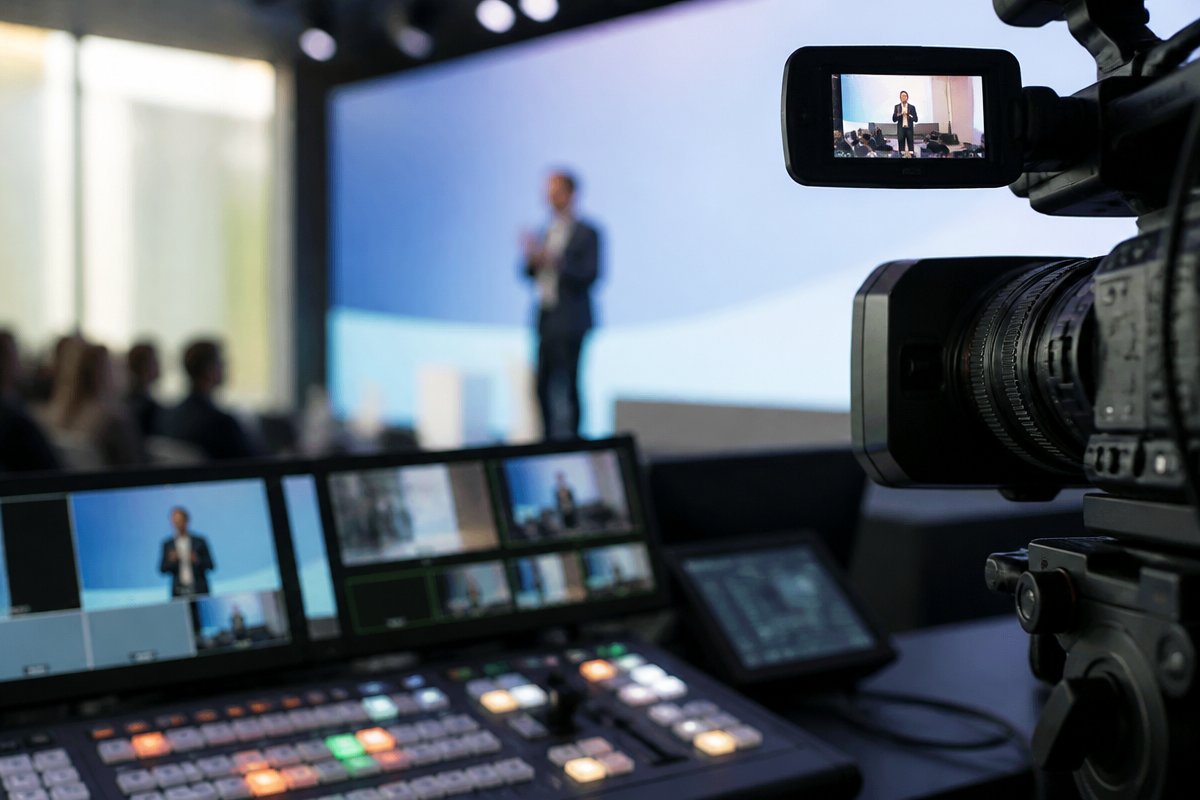
You have two audiences sitting in front of you — one in the room and one behind a screen — and both expect a seamless, engaging experience. The problem? Most event planners and organizations only know how to serve one audience well, leaving the other feeling like an afterthought. According to a 2026 report from Grand View Research, the global virtual events market is projected to grow at a compound annual growth rate of 21.4% through 2030, confirming that hybrid formats are not a passing trend but the new baseline for professional gatherings.
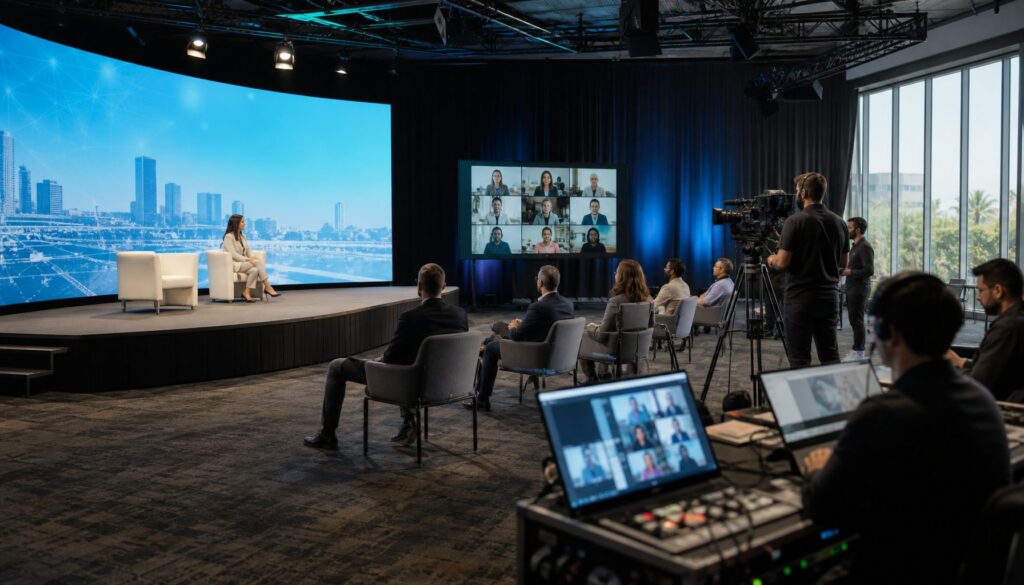
A hybrid event production company exists precisely to solve this dual-audience challenge. Unlike a traditional AV vendor that sets up microphones and projectors, or a livestreaming crew that simply points a camera at a stage, a hybrid specialist designs, engineers, and produces an event experience that feels intentional for every attendee — whether they are sitting in the front row in Washington DC or watching from a laptop in Los Angeles.
This guide breaks down exactly what a hybrid event production company does differently, the technical infrastructure behind a flawless hybrid event, strategies for engaging both audiences simultaneously, and how to choose the right partner for your next event in the DC, Baltimore, Richmond, or NYC metro areas.
What a Hybrid Event Production Company Actually Does
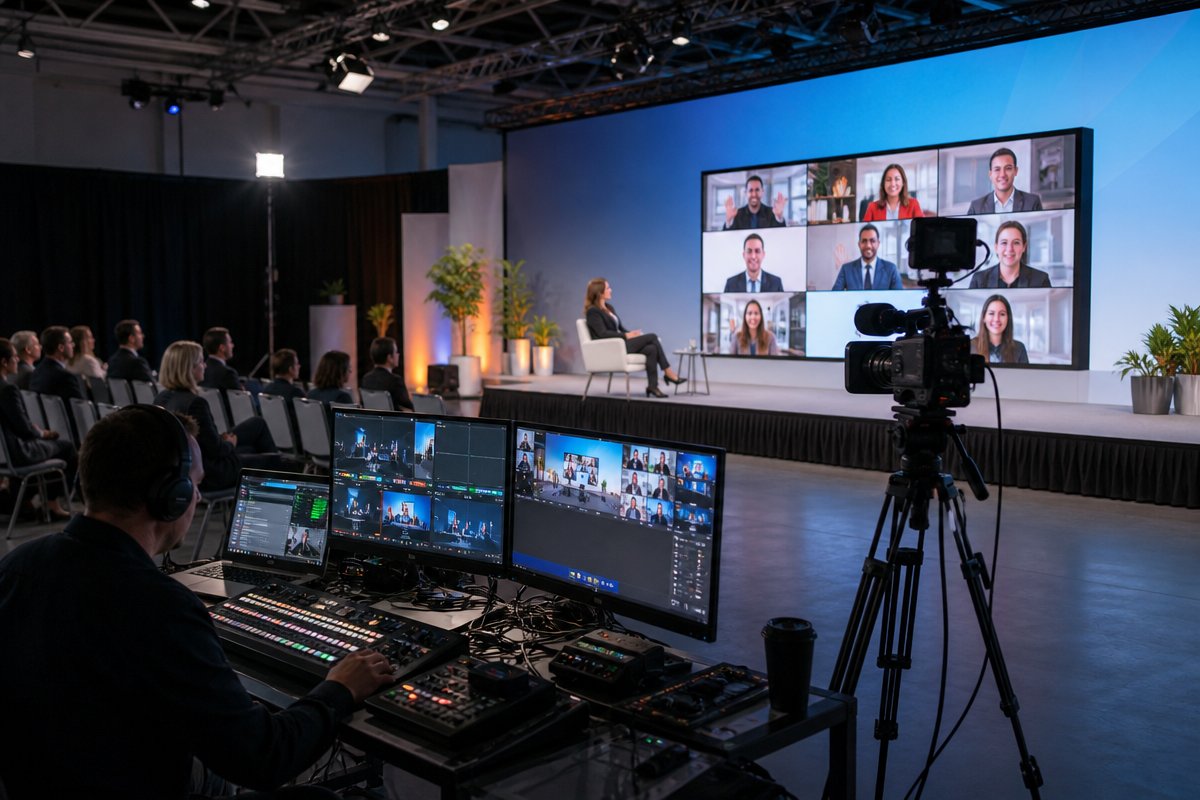
The term hybrid event production gets thrown around loosely, but there is a meaningful difference between a company that can livestream your conference and one that is purpose-built to produce hybrid experiences. Here is what separates a true hybrid specialist from the rest.
Dual-Audience Experience Design
A hybrid event production company starts not with equipment lists, but with audience mapping. Before a single camera is placed, the production team asks critical questions:
- What does the in-person attendee experience that the virtual attendee cannot — and how do we compensate?
- What interactive elements (polls, Q&A, chat, breakout rooms) will keep remote viewers active rather than passive?
- How do we synchronize timing so that transitions, speaker intros, and networking moments feel cohesive across both formats?
This design-first approach is what distinguishes a hybrid production company from a traditional AV provider. The goal is not to simply broadcast a room — it is to create two parallel experiences that feel equally produced and equally valuable.
End-to-End Production Management
A dedicated hybrid event production company handles every layer of the event, including:
- Pre-production: Creative direction, run-of-show development, speaker coaching for on-camera delivery, platform selection, and rehearsals.
- Live production: Multi-camera direction, audio engineering, graphics and lower-thirds, real-time switching, lighting design, and virtual platform management.
- Post-production: On-demand video editing, highlight reels, social clips, and analytics reporting on virtual engagement.
This full-service model means you are not coordinating between five different vendors. One team owns the outcome.
The Technical Infrastructure Behind Flawless Hybrid Events
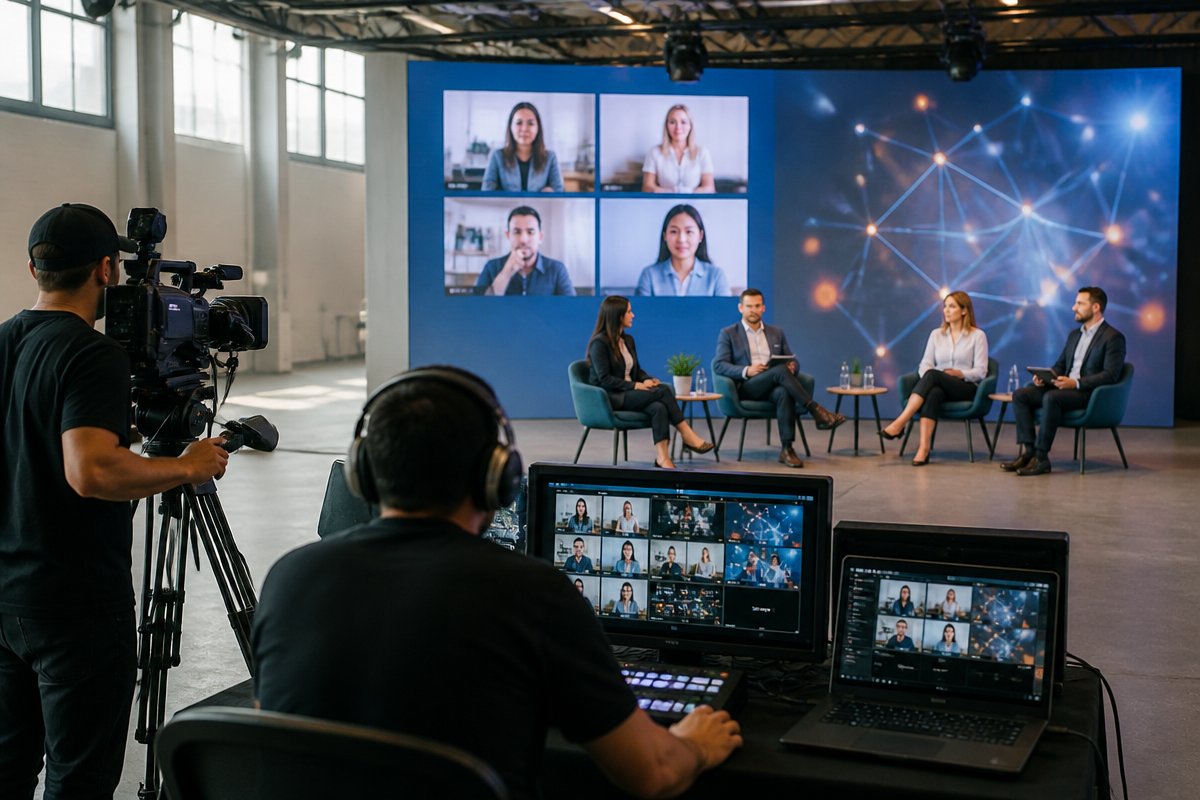
Behind every smooth hybrid event is a technical backbone that most attendees never see. Understanding this infrastructure helps you evaluate whether a production company has the capability to deliver at the level your event demands.
Multi-Camera Video Production
A single static camera feed is the fastest way to lose your virtual audience. Professional hybrid productions use three to six cameras minimum — wide shots of the stage, tight shots on speakers, audience reaction angles, and dedicated feeds for presentation content. A skilled technical director switches between these feeds in real time, creating a broadcast-quality viewing experience for remote attendees.
Broadcast-Grade Audio
Audio quality matters more than video quality for virtual viewers. If remote attendees cannot hear clearly, they leave. A hybrid event production company deploys dedicated audio splits — one mix optimized for the room’s PA system and a separate, clean mix routed directly to the livestream or virtual platform. This dual-audio architecture prevents the echo, room noise, and volume inconsistencies that plague amateur hybrid setups.
Network and Bandwidth Engineering
Reliable internet is not optional — it is the foundation of the entire virtual side of your event. Professional hybrid producers conduct bandwidth assessments of your venue weeks before the event, often bringing dedicated bonded cellular or hardwired connections rather than relying on venue Wi-Fi. They build in redundancy so that if one connection drops, a backup takes over without a visible interruption to the stream.
Virtual Platform Integration
The right virtual event platform depends on your goals. A hybrid event production company evaluates and integrates platforms like Zoom Events, Hopin, Swoogo, ON24, or custom-built solutions based on your needs — whether that is large-scale webinar delivery, interactive breakout sessions, virtual exhibitor booths, or gated access with registration tracking. The production team manages the platform’s backend in real time, ensuring that content flows seamlessly to remote viewers.
LED Walls and Virtual Production Elements
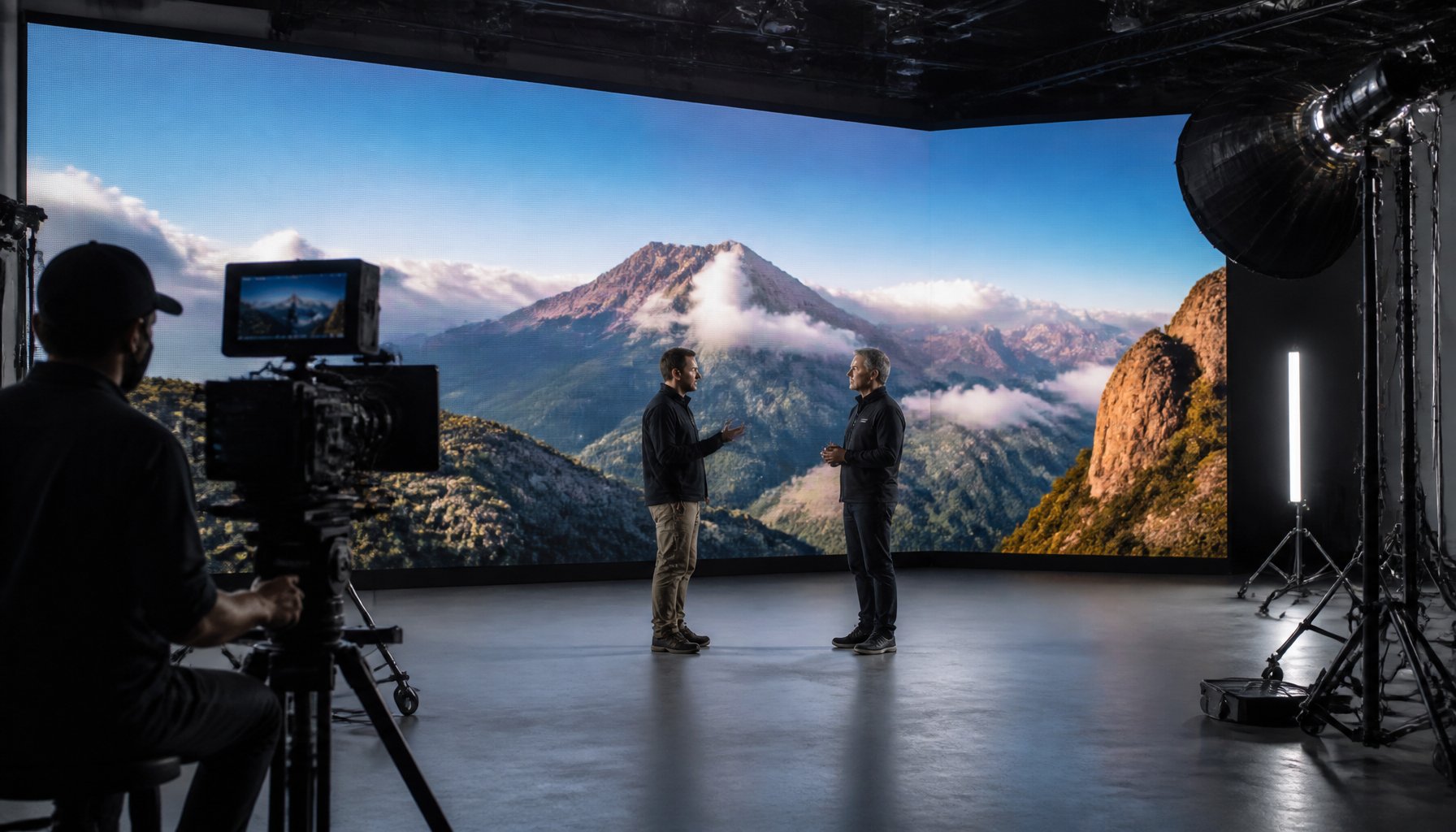
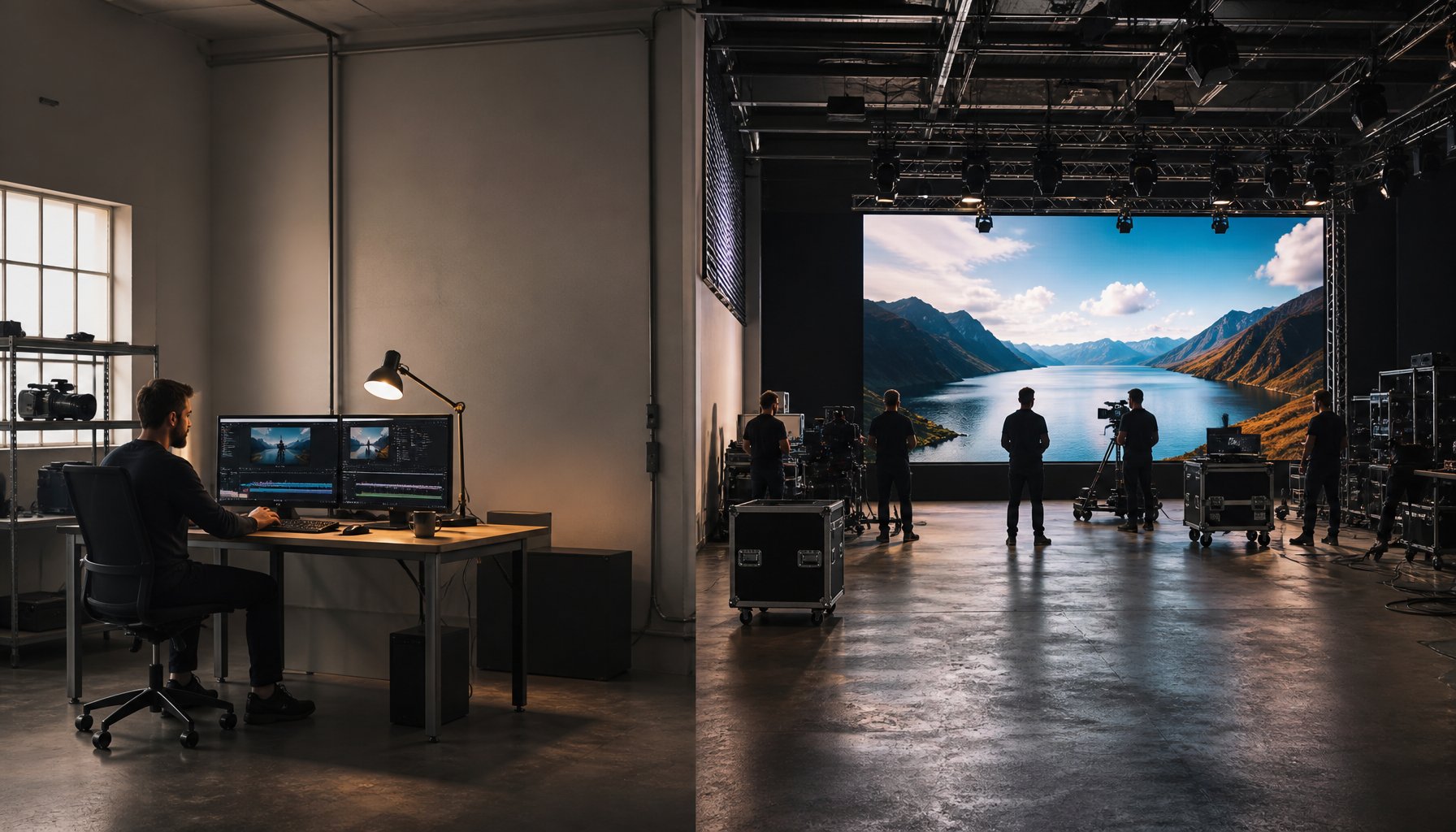
For high-profile hybrid events — product launches, galas, association keynotes — many organizations are incorporating LED wall technology to elevate the visual experience for both audiences. LED volumes can display dynamic backgrounds, branded environments, and even bring remote speakers onto the stage virtually, creating a visual bridge between the in-person and online worlds. TriVision Studios operates one of the most advanced virtual production LED wall stages on the East Coast, which can be integrated directly into hybrid event workflows.
Dual-Audience Engagement Strategies That Work
Technology is only half the equation. The other half is engagement strategy — the intentional choices that keep both audiences active, connected, and feeling like they are part of the same event rather than two separate ones.
Unified Q&A and Polling
One of the most effective strategies is running a single Q&A and polling system that aggregates questions from both the room and the virtual platform. A dedicated moderator — visible on stage — reads and curates questions from both audiences, making remote attendees feel heard and present. This simple tactic dramatically increases virtual engagement rates.
Dedicated Virtual Host
The best hybrid events assign a dedicated on-camera host for the virtual audience. While the in-person emcee manages the room, the virtual host provides context, fills transitions, facilitates chat interaction, and guides remote viewers through the experience. Think of it as a second production layer that runs in parallel.
Content Format Variation
Long keynotes work in a ballroom. They do not work on a laptop screen. A hybrid event production company advises on content pacing that serves both audiences:
- Break sessions into 15-20 minute segments with visual variety between them.
- Use pre-produced video packages to maintain energy during transitions.
- Incorporate motion graphics, animated data visualizations, and branded bumpers to keep the broadcast visually dynamic.
- Schedule interactive moments (polls, live reactions, chat prompts) every 7-10 minutes for virtual attendees.
Networking Parity
Networking is where hybrid events most often fail the virtual audience. Strong hybrid producers build structured networking into the virtual experience — timed breakout rooms, one-on-one matchmaking features, or virtual lounges — so remote attendees are not simply watching a room full of people shake hands.
How to Choose the Right Hybrid Event Production Company
Not every production company that advertises hybrid capabilities can deliver at a professional level. Here is what to look for when evaluating partners, especially if you are planning an event in the DC, Baltimore, Richmond, or NYC corridor.
Proven Hybrid Portfolio
Ask for case studies or sample reels specifically from hybrid events — not just traditional video production or simple livestreams. You want to see evidence of multi-camera production, virtual platform integration, and dual-audience engagement in action.
In-House Technical Team
Companies that subcontract their technical crew for every event introduce coordination risk. Look for a production partner with in-house directors, camera operators, audio engineers, and streaming technicians who have worked together repeatedly. Cohesion behind the scenes translates directly to a smoother experience for your attendees.
Venue Flexibility and Local Expertise
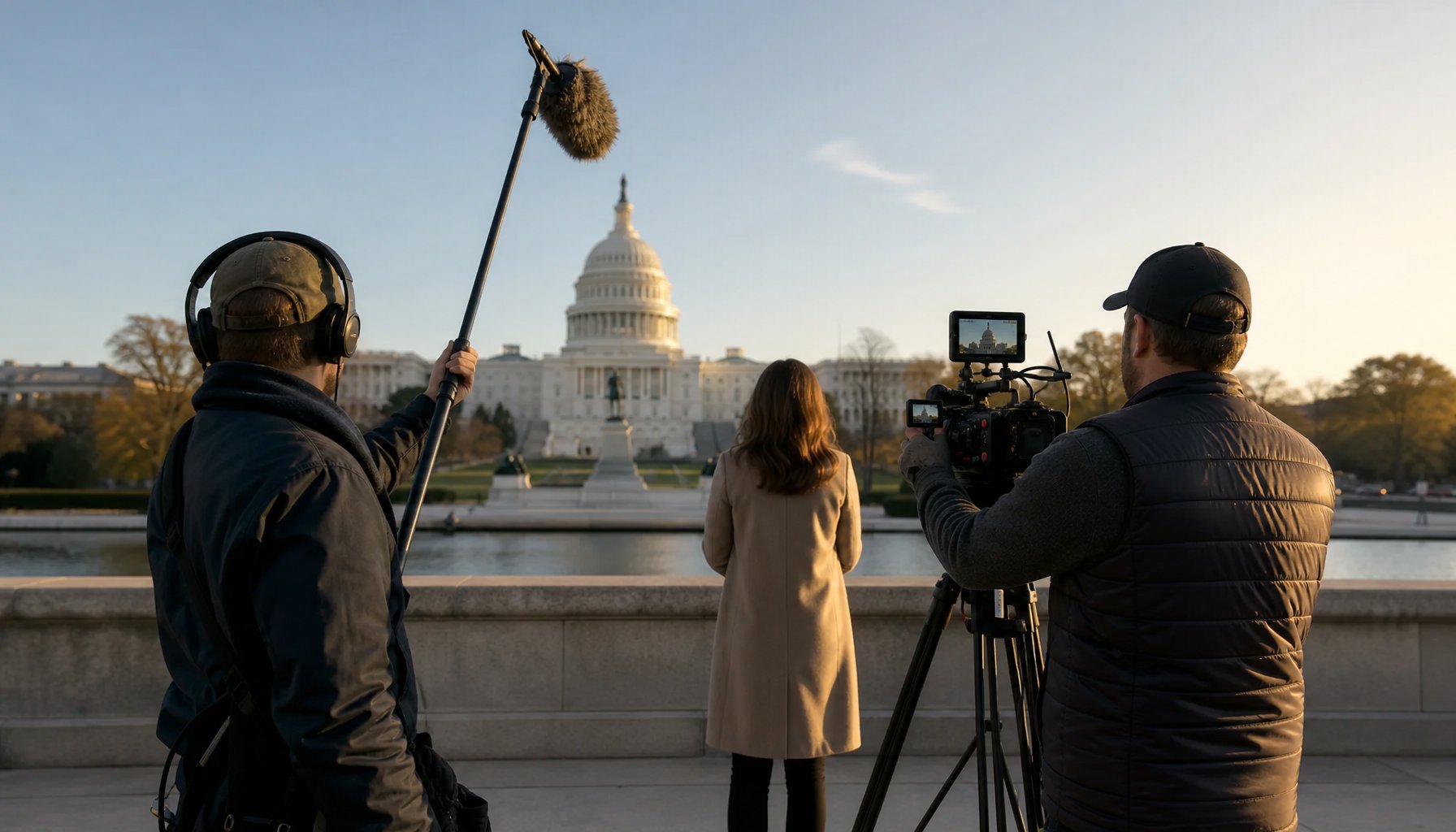
A production company with deep experience in your region knows the venues — their AV limitations, internet infrastructure, loading dock logistics, and union rules. For organizations in Washington DC, Northern Virginia, Maryland, Baltimore, Richmond, and New York City, working with a company that has produced events across these markets means fewer surprises on event day.
Studio Access for Elevated Production
Some hybrid events benefit from originating out of a professional studio rather than a hotel ballroom. A production company with its own studio — equipped with LED walls, broadcast lighting, and multi-camera setups — gives you a controlled environment that dramatically elevates production value for the virtual audience. This is especially valuable for executive town halls, product reveals, and association keynotes where visual impact matters.
Post-Event Content Strategy
Your hybrid event generates hours of content. A strong production partner does not just hand you raw footage — they deliver edited on-demand sessions, social media clips, highlight reels, and speaker soundbites that extend the life of your event for weeks or months after it ends.
Common Hybrid Event Mistakes (and How Professionals Avoid Them)
Even well-intentioned organizations make predictable mistakes when producing hybrid events without an experienced partner. Here are the most common pitfalls:
- Treating virtual as an add-on: Bolting a livestream onto an in-person event at the last minute guarantees a poor remote experience. Hybrid must be planned from the start.
- Ignoring audio for the stream: Room microphones pick up echo, HVAC noise, and crosstalk. Without a dedicated broadcast audio mix, virtual attendees suffer.
- No rehearsal for speakers: Presenters who have never delivered to a camera and a room simultaneously often default to ignoring the camera entirely. Professional hybrid producers run speaker rehearsals to coach dual-audience delivery.
- Relying on venue internet: Hotel and convention center Wi-Fi is shared, throttled, and unreliable. Professional producers bring dedicated, bonded connections.
- Skipping the virtual host: Without a dedicated presence for remote attendees, the virtual experience feels like eavesdropping rather than participating.
Frequently Asked Questions About Hybrid Event Production
What is the difference between a hybrid event and a livestreamed event?
A livestreamed event is a one-directional broadcast — a camera captures what is happening in a room and streams it to remote viewers. A hybrid event is a bi-directional, designed experience where both in-person and virtual audiences have dedicated content, engagement tools, and interaction opportunities. A hybrid event production company builds two parallel experiences that are synchronized and equally produced.
How much does hybrid event production cost?
Costs vary significantly based on event scale, number of cameras, platform requirements, and duration. A small half-day hybrid meeting with two cameras and basic streaming might start in the $8,000–$15,000 range, while a multi-day hybrid conference with full broadcast production, LED staging, and interactive virtual platforms can range from $50,000 to $150,000 or more. The best approach is to discuss your specific goals with a production company to get an accurate scope and estimate.
Can a hybrid event work for small organizations or is it only for large conferences?
Hybrid production scales to any size. Nonprofit board meetings, small association panels, executive briefings, and team town halls all benefit from hybrid formats — especially when stakeholders are geographically dispersed. A skilled production company can design a right-sized hybrid setup that fits your budget and audience size without over-engineering the solution.
What virtual platforms work best for hybrid events?
There is no single best platform — it depends on your goals. Zoom Events and Zoom Webinars work well for straightforward presentations with Q&A. Platforms like Hopin or Swoogo offer richer features like virtual exhibitor booths, networking lounges, and multi-track agendas. ON24 is popular for lead-generation-focused webinars. Your hybrid event production company should evaluate your needs and recommend the platform that aligns with your engagement goals and budget.
How far in advance should we book a hybrid event production company?
For large-scale hybrid events (conferences, galas, product launches), booking 8–12 weeks in advance is ideal. This allows time for pre-production planning, venue assessments, platform setup, speaker coaching, and rehearsals. For smaller hybrid meetings, 4–6 weeks of lead time is typically sufficient, though earlier is always better to secure your preferred production team and dates.
Do we need a dedicated internet connection for a hybrid event?
Yes, in almost every case. Venue Wi-Fi is shared among all guests and staff, making it unreliable for mission-critical streaming. A professional hybrid event production company will either coordinate a dedicated hardwired connection with the venue or bring bonded cellular solutions that aggregate multiple connections for reliable, high-bandwidth streaming with built-in redundancy.
Partner with a Hybrid Event Production Company That Gets It Right
Producing a hybrid event that truly serves both audiences requires more than good cameras and a streaming link. It requires a production partner that thinks like a broadcaster, plans like an event strategist, and executes with the technical precision that both your in-person and virtual attendees deserve.
TriVision Studios is a full-service hybrid event production company serving Washington DC, Northern Virginia, Maryland, Baltimore, Richmond, and New York City. With an in-house production team, a state-of-the-art LED wall studio, and deep experience producing hybrid and live streaming events for government agencies, associations, corporations, and nonprofits, TriVision delivers hybrid experiences that engage every attendee — no matter where they are watching from.
Contact TriVision Studios to start planning your next hybrid event.