Planning an LED Volume Stage Rental on the East Coast Starts with Logistics
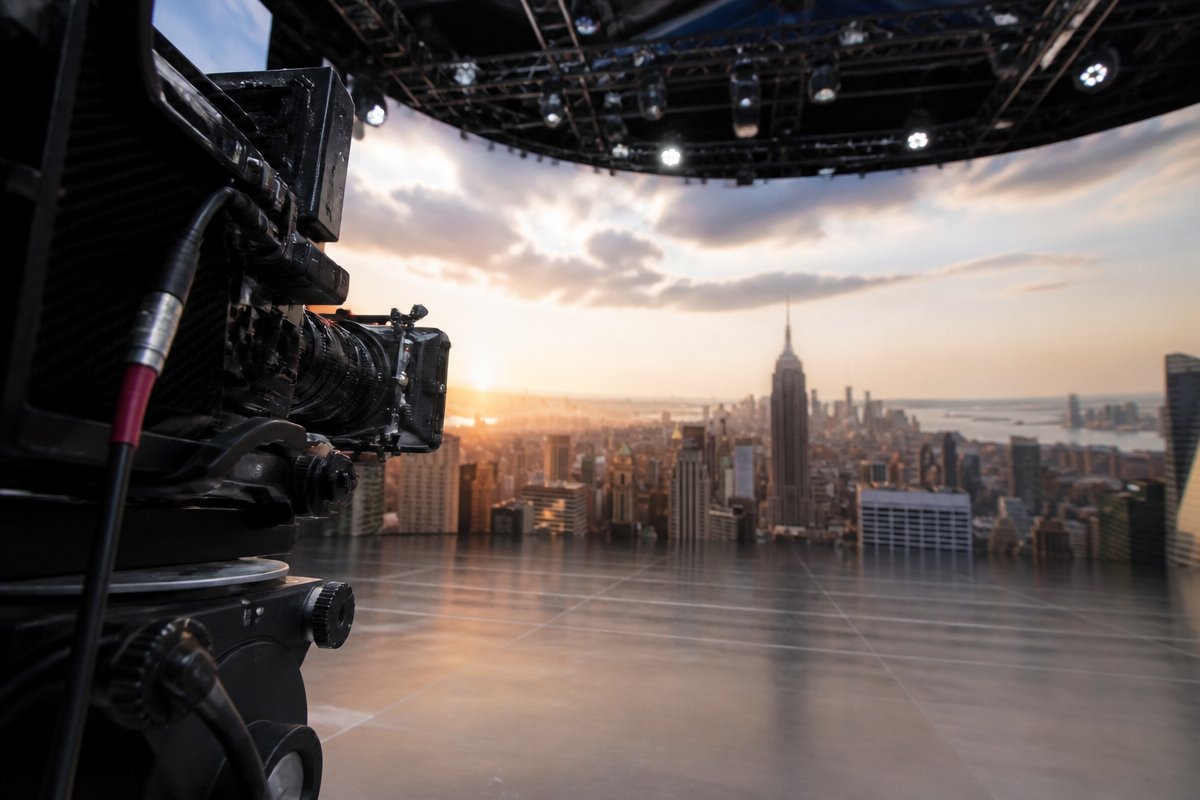
If you are a producer scouting an LED volume stage rental on the East Coast, you already understand the creative potential of virtual production. What you may not fully appreciate yet is how much the logistics side of the equation—stage dimensions, crew sourcing, gear transport, and regional availability—will shape your budget, timeline, and final product. According to a 2025 report from Grand View Research, the global virtual production market surpassed $3.4 billion and continues to accelerate, with East Coast demand growing as studios outside of Los Angeles invest in LED wall infrastructure. This guide is built specifically for line producers, production managers, and creative directors who need to move from concept to call sheet with confidence.
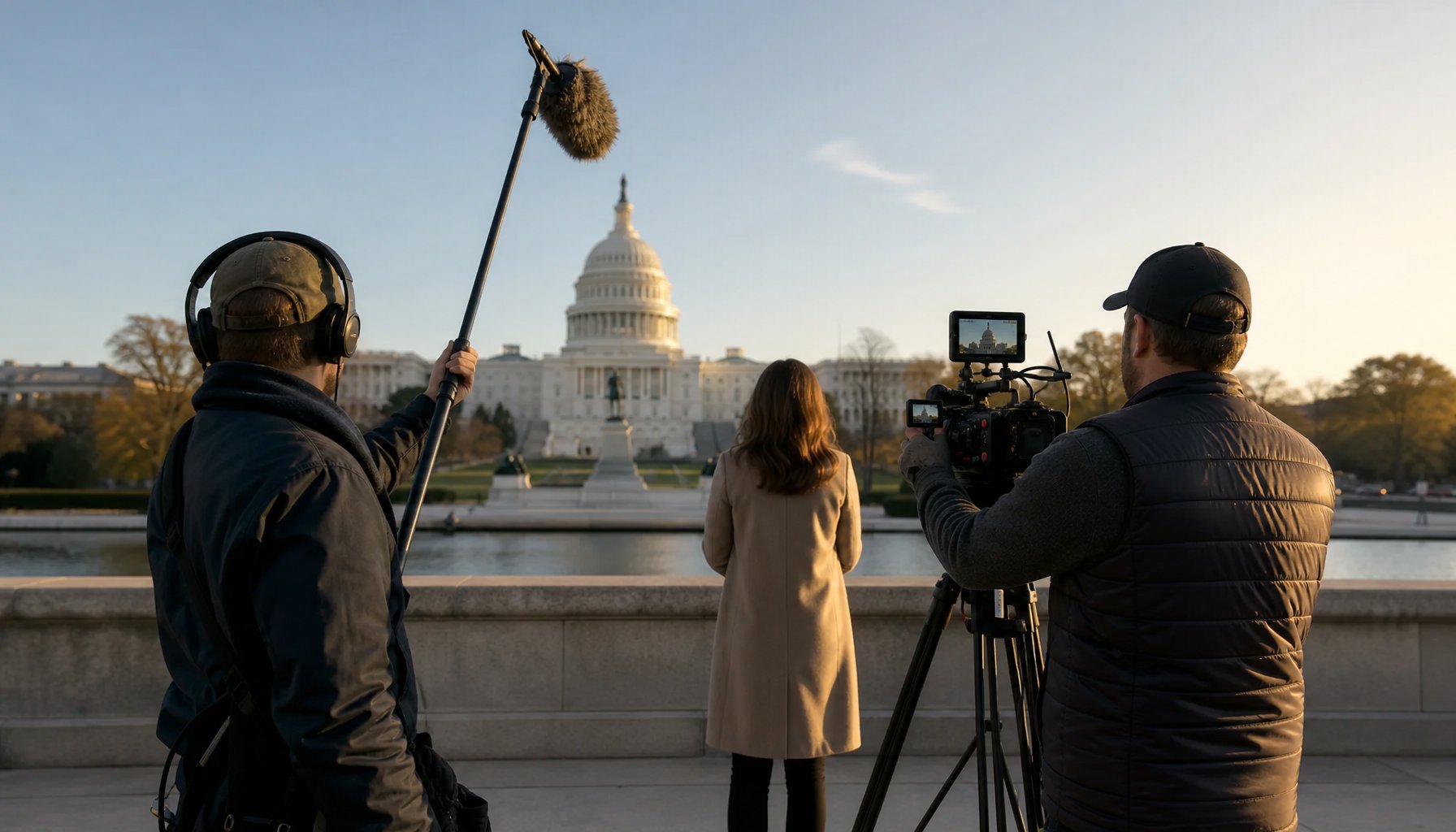
Whether you are shooting a commercial in Washington DC, a corporate brand film in Richmond, or a narrative project in the Baltimore–New York corridor, the practical decisions you make before you ever step on the volume stage will determine whether the shoot runs smoothly or spirals into costly overages. Let us walk through everything you need to know.
Understanding LED Volume Stage Dimensions and Configurations
Why Stage Size Is Not One-Size-Fits-All
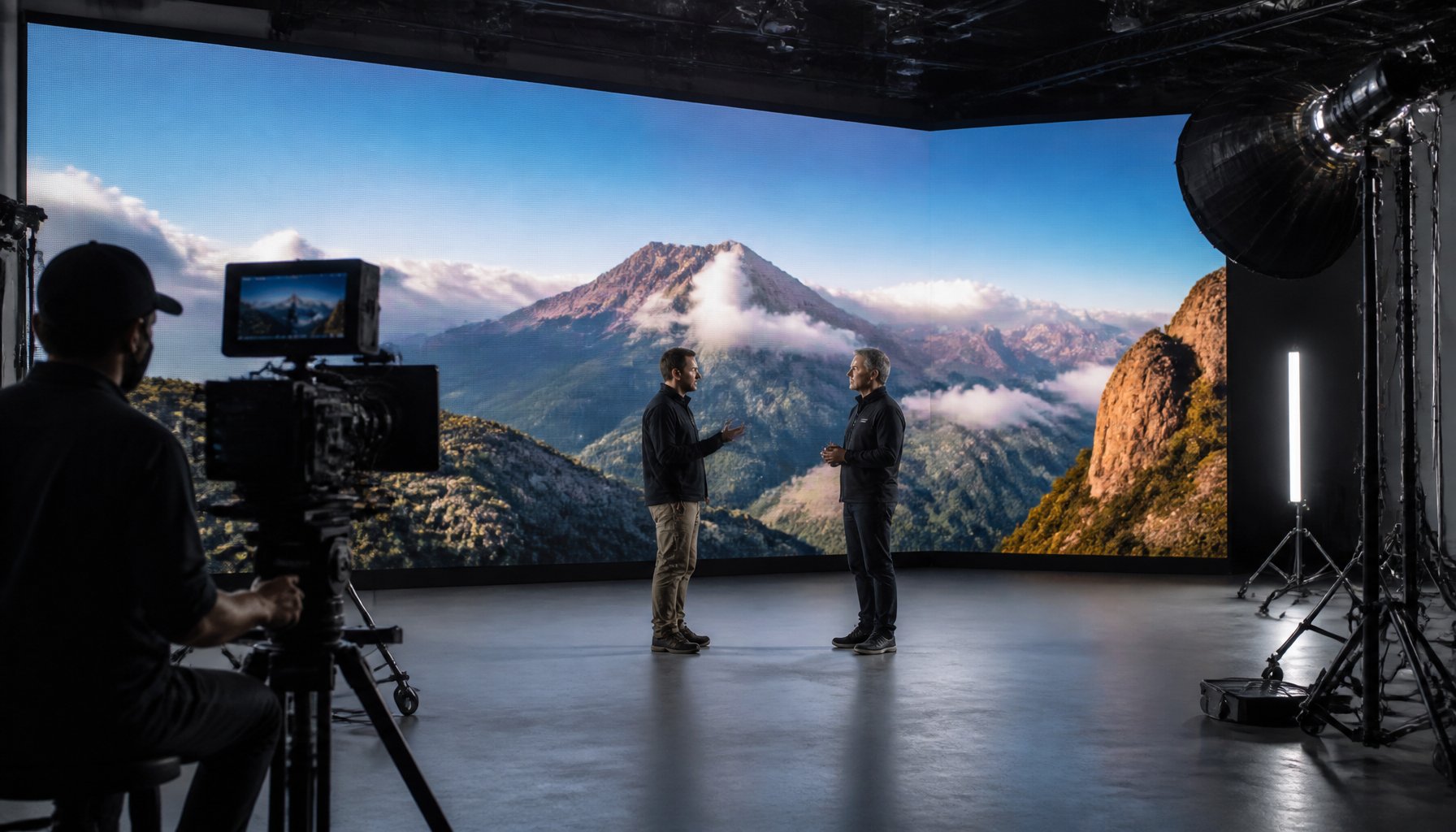
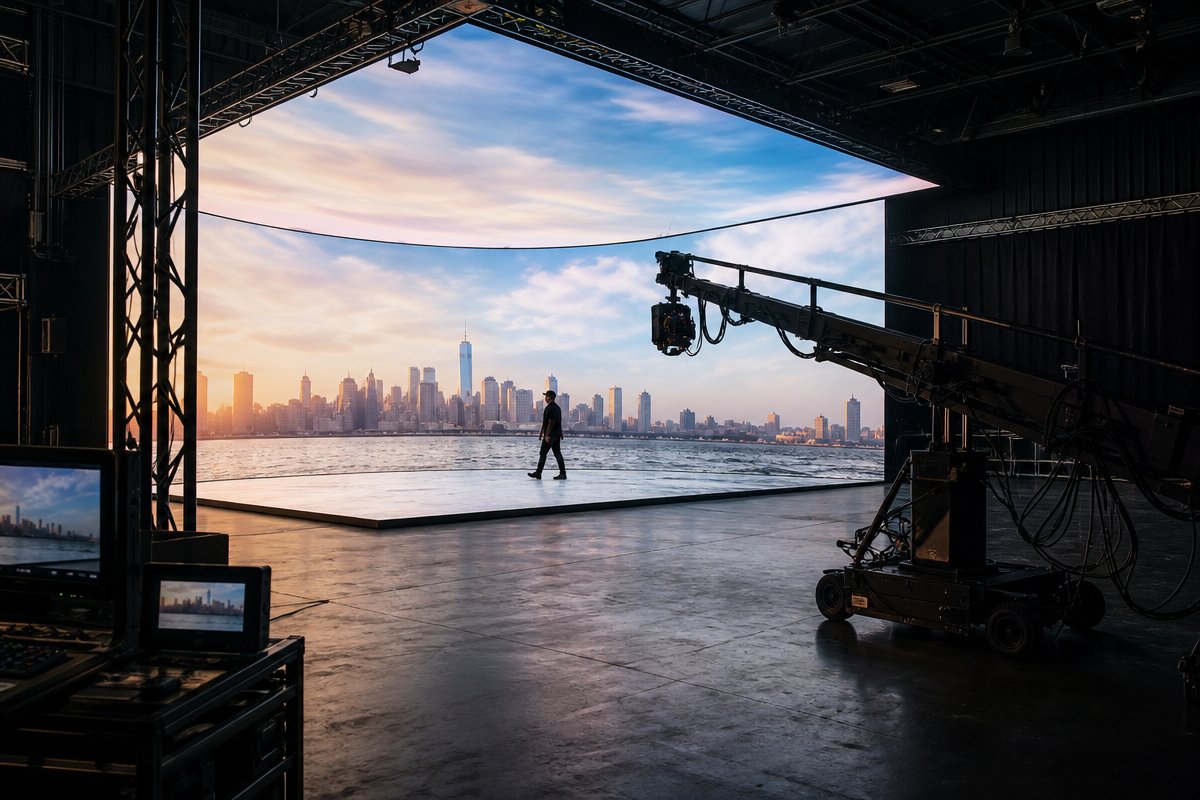
LED volume stages vary dramatically in size, pixel pitch, and curvature. A stage that works perfectly for a seated interview setup will be entirely wrong for a full-body action sequence with camera movement. Before you commit to a rental, you need to map your creative requirements to the physical space.
Here are the key dimensional factors to evaluate:
- Wall height: Most East Coast LED volumes range from 10 to 16 feet tall. Taller walls allow wider camera angles without revealing the top edge of the LED panels, which is critical for cinematic work.
- Wall curvature and width: A 180-degree curved wall typically spans 30 to 40 feet across. Some stages offer modular configurations that can extend to 270 degrees, wrapping around the talent for greater immersion and parallax accuracy.
- Ceiling panels: Not every volume stage includes an LED ceiling. If your scene involves overhead lighting cues—think sky environments, interior ceilings, or overhead signage—you need a stage with ceiling integration or at least softbox rigging above the wall.
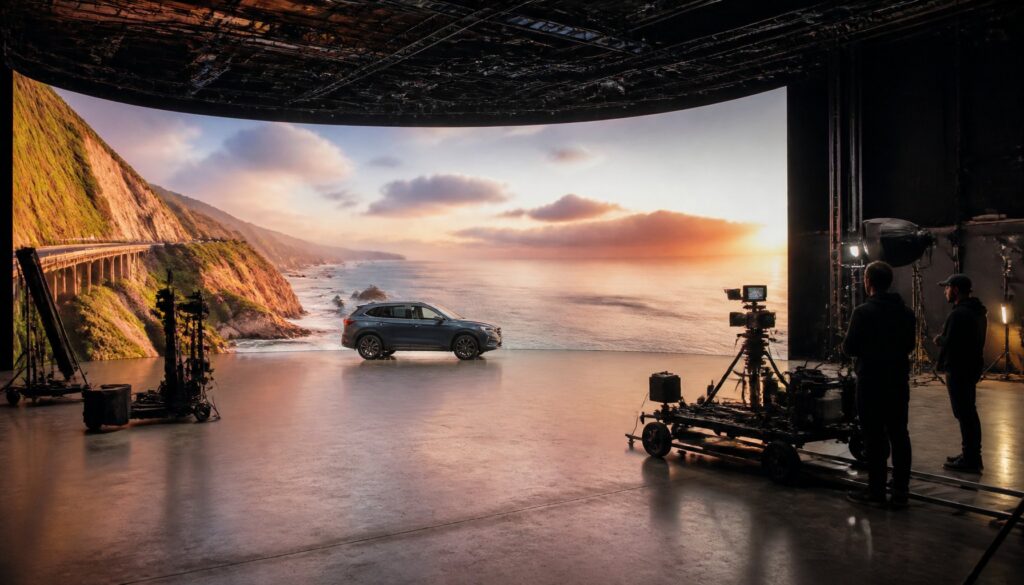
- Floor space: The usable floor area in front of the wall matters as much as the wall itself. You need room for camera dollies, talent movement, practical set pieces, and crew positioning. Look for at least 20 feet of depth from the wall to the back of the shooting area.
Matching Stage Specs to Your Project Type
A 30-second TV commercial with a single spokesperson standing in a virtual office environment has very different stage requirements than a multi-scene corporate documentary that needs to simulate locations across three countries. Before reaching out to rental facilities, build a shot list and storyboard that clarifies:
- How many unique virtual environments you need
- Whether the camera will be static, on a dolly, or handheld
- How many talent will appear on screen simultaneously
- Whether any practical set pieces (desks, vehicles, furniture) will be placed in front of the wall
This information will help you and the studio team determine the minimum viable stage configuration, which directly affects your rental cost.
Crew Requirements for an LED Volume Shoot
The Roles You Cannot Skip
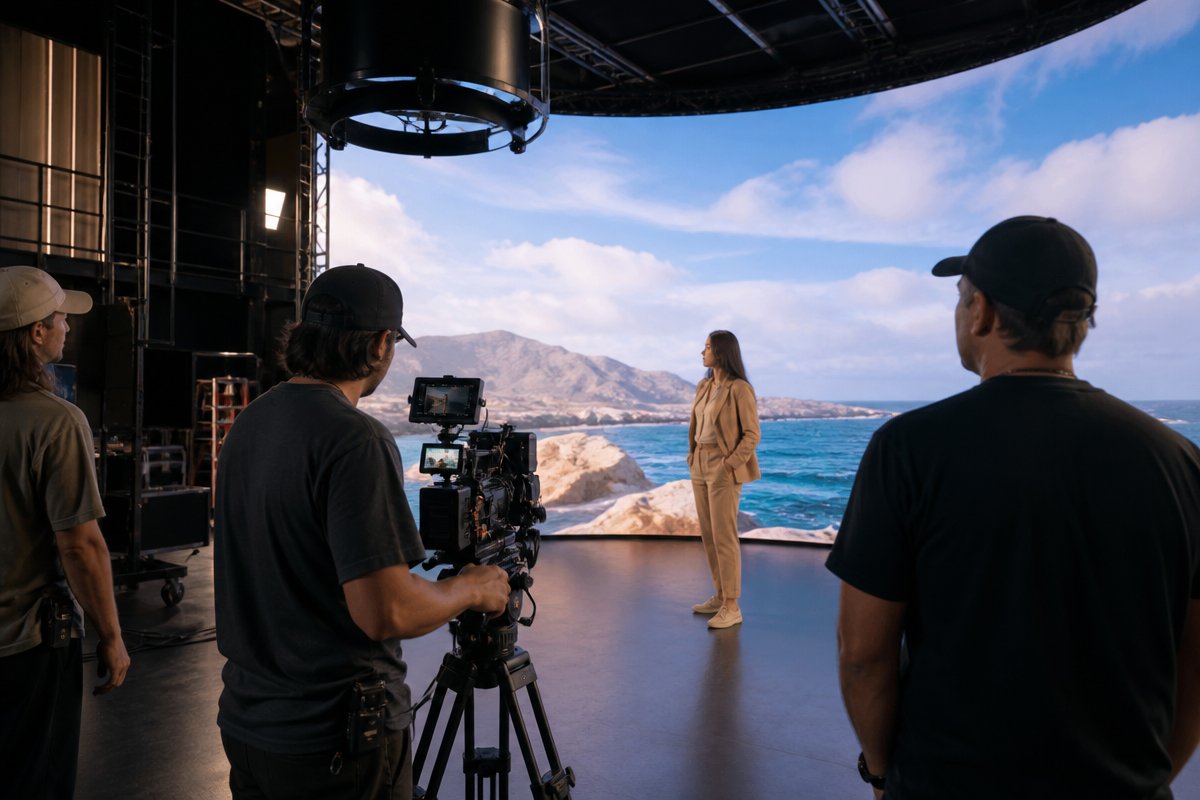
An LED volume shoot is not a standard studio shoot with a fancy background. It is a real-time visual effects workflow that requires specialized personnel. If you are used to budgeting for a traditional green screen shoot, expect a different crew structure.
At minimum, a well-run LED volume stage shoot requires:
- Virtual Production Supervisor: This person oversees the entire real-time workflow, coordinating between the director, the camera team, and the Unreal Engine operators. They are the bridge between the creative vision and the technical execution.
- Unreal Engine / Disguise Operator: The technician who loads, adjusts, and live-renders the virtual environments on the LED wall. They handle camera tracking calibration, color matching, and real-time scene adjustments between takes.
- LED Wall Technician: Responsible for panel calibration, color uniformity, moiré reduction, and hardware troubleshooting. LED panels can develop dead pixels or color drift, and you need someone on set who can address issues immediately.
- Director of Photography: Your DP needs experience shooting on LED volumes specifically. Lens selection, shutter angle, and exposure settings differ significantly from green screen or location work. An experienced DP knows how to avoid moiré patterns and manage the interplay between practical lighting and the light emitted by the wall.
- Gaffer and Lighting Team: Even though the LED wall provides ambient and reflective light, you still need a gaffer to shape the light on talent, manage fill, and ensure the on-screen lighting matches the virtual environment convincingly.
- Camera Tracking Operator: If you are using camera tracking (and for most volume work, you should be), you need an operator managing the tracking system—whether it is Stype, Mo-Sys, or another solution—to ensure the virtual background responds correctly to camera movement.
Sourcing Crew on the East Coast
One advantage of shooting on the East Coast is access to deep talent pools in the DC, Baltimore, New York, and Richmond markets. Washington DC and Northern Virginia, in particular, have seen a surge in virtual production expertise thanks to demand from government agencies, associations, and corporate clients who have adopted the technology for everything from training simulations to brand campaigns.
That said, experienced LED volume crew members are still a specialized subset. Book early. If you are planning a shoot for Q1 or Q4—historically the busiest periods for corporate and government video production—start confirming crew availability at least four to six weeks in advance.
Transport and Equipment Logistics Along the East Coast Corridor
The Geography Advantage
The East Coast corridor from Richmond to New York City offers a logistical advantage that producers sometimes overlook. The I-95 corridor connects major production hubs within a three-to-five-hour drive, which means:
- Crew members based in DC can reach Richmond, Baltimore, or Philadelphia for a day rate without requiring hotel accommodations for short shoots.
- Equipment rental houses in New York, DC, and Baltimore can cross-service projects, giving you access to a wider inventory of lenses, monitors, and camera packages.
- Clients who need to attend the shoot in person can often drive to the studio rather than fly, reducing coordination overhead.
What You Need to Transport—and What the Studio Provides
When renting an LED volume stage, clarify exactly what is included in the rental package versus what you need to bring or rent separately. A comprehensive studio rental typically includes:
- LED wall panels (installed and calibrated)
- Media server (Disguise, Brompton, or equivalent)
- Basic camera tracking hardware
- Studio lighting grid
- Climate-controlled shooting environment
- Green room and client viewing area
What you will likely need to source independently:
- Camera package (body, lenses, monitors, follow focus)
- Specialized lighting instruments beyond the house grid
- Practical set pieces and props
- Audio equipment (lavs, boom, mixer, recorder)
- Wardrobe and hair/makeup stations
- Catering and craft services
If you are transporting practical set pieces—furniture, branded signage, vehicle shells—factor in load-in and load-out time. Most studios require you to schedule this separately from your shooting block, and it can add a half-day to your overall timeline.
Budgeting Realistically for an East Coast LED Volume Rental
LED volume stage rentals on the East Coast generally range from $5,000 to $25,000 per day depending on the facility size, included services, and crew support. That is a wide range, so here is how to narrow it down:
- Half-day vs. full-day: Some studios offer half-day rates for simpler shoots. If your shot list is tight and your environments are pre-built, a half-day block can save significantly.
- Environment creation: Custom Unreal Engine environments built from scratch can cost $3,000 to $15,000 or more depending on complexity. Stock environments or client-provided assets reduce this cost dramatically.
- Crew bundling: Studios that provide an in-house virtual production team as part of the rental package often deliver better value than facilities that rent the space bare and require you to source every crew member independently.
- Pre-light and tech scout days: Budget for at least one pre-production day at the studio to calibrate the wall, test your environments, dial in camera tracking, and rehearse transitions between scenes. Skipping this step is the single most common mistake producers make on volume shoots.
Ask the studio for a fully itemized estimate rather than a flat day rate. You want to see line items for wall usage, media server operation, tracking, crew, and any post-production support so you can identify where to optimize.
Why Location Matters: Choosing the Right East Coast Market
Not all East Coast markets offer the same production ecosystem. Here is a brief comparison to help you decide where to book:
Washington DC and Northern Virginia
The DC metro area is the strongest market for corporate, government, and nonprofit virtual production. Studios here are experienced with classified content protocols, Section 508 accessibility requirements, and the fast turnaround timelines that federal agencies demand. If your client is a government contractor, association, or advocacy organization, this is likely your best fit.
New York City
NYC offers the largest pool of freelance crew talent and the most options for high-end LED volume stages. However, rental rates and crew day rates are the highest on the East Coast, and studio access in Manhattan often comes with parking, load-in, and elevator logistics that add time and cost.
Richmond, VA
Richmond is emerging as a cost-effective alternative for productions that do not require a New York or DC address. Lower overhead translates to more competitive stage rental rates, and the city sits conveniently on the I-95 corridor between DC and points south.
Baltimore, MD
Baltimore offers a middle ground—accessible from DC, less expensive than New York, and home to a growing production community. It is an excellent option for Maryland-based organizations that want proximity without the DC price premium.
Frequently Asked Questions
What is an LED volume stage, and how is it different from a green screen stage?
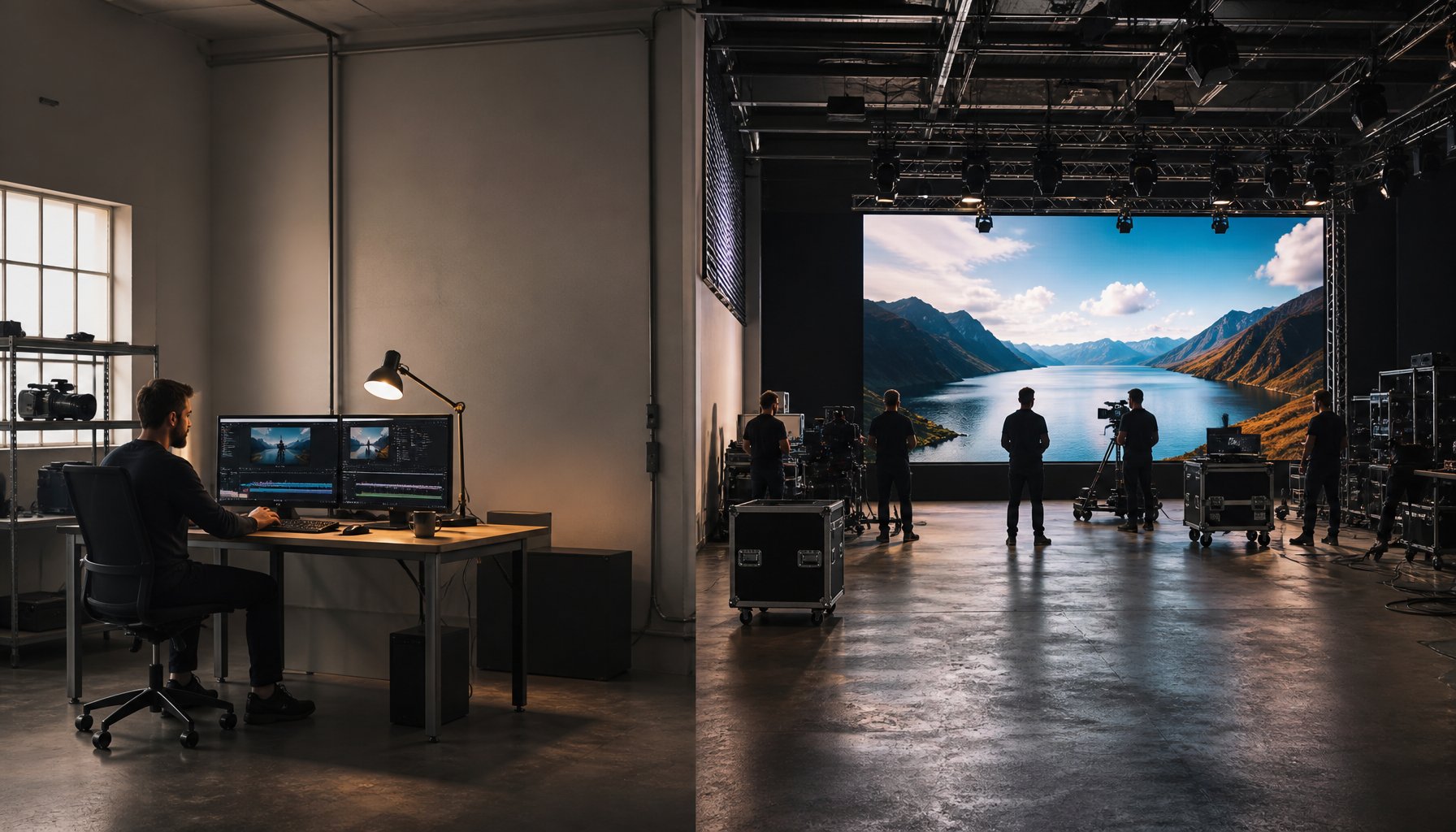
An LED volume stage uses high-resolution LED panels to display real-time virtual environments behind and sometimes above the talent. Unlike green screen, which requires extensive post-production compositing, the LED wall produces final-pixel backgrounds in-camera. This means the lighting, reflections, and color spill on talent are accurate and natural during the shoot itself, reducing post-production time and cost significantly.
How far in advance should I book an LED volume stage rental on the East Coast?
For standard corporate or commercial projects, book at least three to four weeks in advance. For complex multi-day shoots or high-demand periods like Q4, six to eight weeks of lead time is safer. This allows time for environment creation, tech scouting, and crew confirmation.
Can I use my own camera and lenses on an LED volume stage?
Yes, but not all cameras and lenses perform equally well on LED walls. Cameras with global shutter sensors (like the Sony VENICE 2 or RED V-RAPTOR) minimize moiré and scanning artifacts. Your DP should test lens and camera combinations during the pre-light day to ensure compatibility with the wall’s pixel pitch and refresh rate.
Do I need to create custom virtual environments, or are stock options available?
Both options exist. Many studios maintain libraries of pre-built Unreal Engine environments—offices, cityscapes, nature scenes, abstract backgrounds—that can be customized with your branding or color palette. Custom environments offer more creative control but require additional budget and lead time for design and rendering.
What happens if an LED panel malfunctions during the shoot?
Reputable studios keep spare panels on-site and employ LED technicians who can swap out a failed panel in 15 to 30 minutes without requiring a full recalibration. This is one reason why choosing a studio with dedicated technical staff matters—downtime on a volume stage is expensive.
Is LED volume production only for big-budget projects?
Not anymore. While the technology was initially adopted by feature film and high-end commercial productions, the cost has come down substantially as more studios have come online. Today, corporate brand videos, training content, and even podcast-style productions use LED volumes to create polished, location-independent content at a fraction of the cost of multi-location travel shoots.
Book Your LED Volume Stage with Confidence
An LED volume stage rental on the East Coast is one of the most powerful tools available to modern producers—but only if you plan the logistics with the same rigor you bring to the creative. Stage dimensions, crew expertise, transport planning, and realistic budgeting are not afterthoughts. They are the foundation of a successful shoot.
TriVision Studios operates a full-service virtual production facility in the Washington DC metro area, purpose-built for corporate, government, and commercial LED volume work. From pre-production environment design through on-set technical support and post-production finishing, the team at TriVision handles the complexity so you can focus on the story. If you are planning an East Coast LED volume shoot, reach out to TriVision Studios to discuss your project scope, timeline, and budget.